Face masks have become a staple in modern skincare routines, offering a quick and effective way to deliver concentrated ingredients to the skin. Among the most popular options are hydrogel masks and sheet masks, but many people are unsure which one to choose or how to use them correctly. Understanding the differences between these two mask types can help you make an informed decision and maximize the benefits for your skin type and concerns.
In this guide, we will break down the key characteristics of hydrogel masks versus sheet masks, explore their unique advantages, and provide step-by-step instructions for using each one. Whether you are looking for deep hydration, brightening, or soothing relief, knowing how to incorporate these masks into your routine will elevate your skincare game.
What Is a Sheet Mask?
A sheet mask is a thin, pre-cut fabric or paper sheet soaked in a serum or essence containing active ingredients. The mask is typically made from cotton, microfiber, or bio-cellulose and is designed to fit the contours of the face. Sheet masks are a convenient way to deliver a high concentration of hydrating, brightening, or anti-aging ingredients directly to the skin without the mess of traditional cream or clay masks.
Sheet masks work by creating a physical barrier that helps the skin absorb the serum more effectively. They are ideal for a quick hydration boost, soothing irritated skin, or prepping the skin before a special event. Most sheet masks are single-use and come in a variety of formulations targeting different skin concerns, such as dryness, dullness, or fine lines.
- Best for: Quick hydration, brightening, and soothing sensitive skin.
- Material: Cotton, microfiber, or bio-cellulose.
- Usage: Typically used once and discarded after 15-20 minutes.
What Is a Hydrogel Mask?
A hydrogel mask is made from a gel-like substance that is often derived from seaweed, agar, or other natural polymers. Unlike sheet masks, hydrogel masks are thicker, more flexible, and adhere more closely to the skin. They are designed to deliver ingredients through a slow-release mechanism, allowing for deeper penetration and longer-lasting hydration. Hydrogel masks are often formulated with collagen, hyaluronic acid, or other anti-aging compounds.
Because of their occlusive nature, hydrogel masks create a seal that prevents moisture loss and enhances ingredient absorption. They are particularly effective for targeting specific areas like under-eye circles or fine lines, and many brands offer separate pieces for the face and eye area. Hydrogel masks can also be used for longer periods without drying out, making them a favorite for intensive treatments.
- Best for: Deep hydration, anti-aging, and targeted treatment for dry or mature skin.
- Material: Gel-like polymer (often seaweed-based).
- Usage: Can be worn for 20-40 minutes; some are reusable if stored properly.
Key Differences Between Hydrogel Masks and Sheet Masks
The primary difference between hydrogel masks and sheet masks lies in their material and how they interact with the skin. Sheet masks are thin and porous, allowing for quick absorption but also faster evaporation. Hydrogel masks are thicker and more occlusive, which means they create a stronger barrier and can keep ingredients in contact with the skin for a longer period. This makes hydrogel masks more effective for delivering active ingredients deeply into the skin.
Another distinction is in the fit and comfort. Hydrogel masks tend to adhere better to the face, even when moving around, while sheet masks may slip or require you to lie down. Hydrogel masks also often come in two pieces (upper and lower face) for a more customized fit. In terms of ingredients, both can contain similar actives, but hydrogel masks are more commonly associated with collagen and hyaluronic acid for plumping and firming.
- Sheet masks: Lightweight, quick absorption, ideal for hydration and brightening.
- Hydrogel masks: Thick, slow-release, better for anti-aging and deep moisturizing.
- Fit: Hydrogel masks stay in place better; sheet masks may need you to recline.
How to Use a Sheet Mask: Step-by-Step Guide
Using a sheet mask is simple, but following the right steps can enhance its effectiveness. Start with a clean, toned face to ensure maximum absorption. Gently unfold the mask and place it over your face, aligning the eye, nose, and mouth holes. Smooth out any air bubbles to ensure full contact with the skin. Leave the mask on for 15-20 minutes, then remove it and gently pat any remaining serum into your skin. Do not rinse unless directed.
For best results, use a sheet mask 2-3 times per week, especially after exfoliating or before a special occasion. You can also layer a moisturizer on top to seal in the benefits. If you have sensitive skin, choose masks with soothing ingredients like aloe vera or chamomile. For an extra boost, try using a sheet mask in conjunction with a gentle exfoliating product like the Ebanel Skincare Travel Pouch for on-the-go skincare.
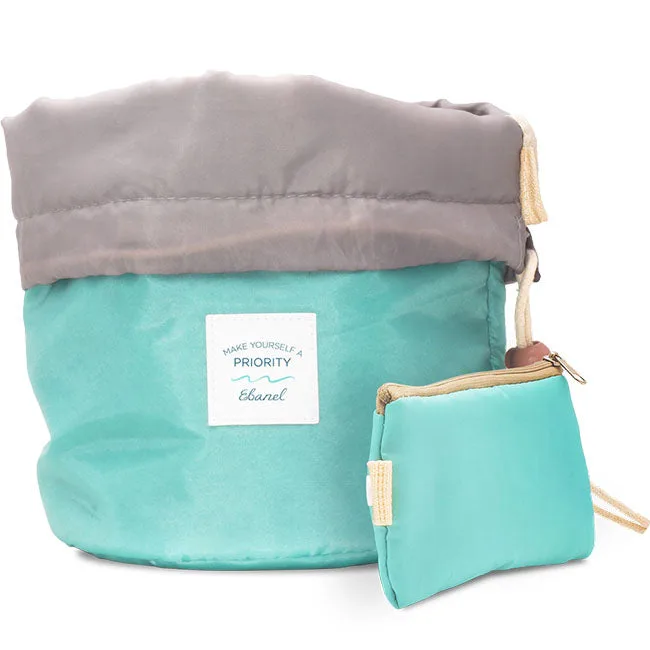
Ebanel Skincare Travel Pouch
- Always start with clean, dry skin.
- Leave on for 15-20 minutes; do not exceed recommended time.
- Pat excess serum into skin; follow with moisturizer if needed.
How to Use a Hydrogel Mask: Step-by-Step Guide
Hydrogel masks require a slightly different approach. Begin by cleansing and toning your face. Carefully remove the hydrogel mask from its packaging, noting that it may have a protective film on both sides. Peel off the film and apply the mask to your face, pressing gently to ensure it adheres. Many hydrogel masks come in two parts, so apply the upper piece first, then the lower. Leave the mask on for 20-40 minutes, depending on the instructions.
During this time, the gel will gradually release its ingredients and may become thinner. After removing the mask, massage any leftover gel into your skin. Do not rinse. Hydrogel masks are excellent for intensive treatments, such as after sun exposure or when your skin feels dehydrated. For a luxurious anti-aging treatment, consider using a collagen hydrogel mask. You can also pair it with the Dr Brightening Ultra-Potent Facial Serum 1.1 Fl Oz to amplify brightening effects.
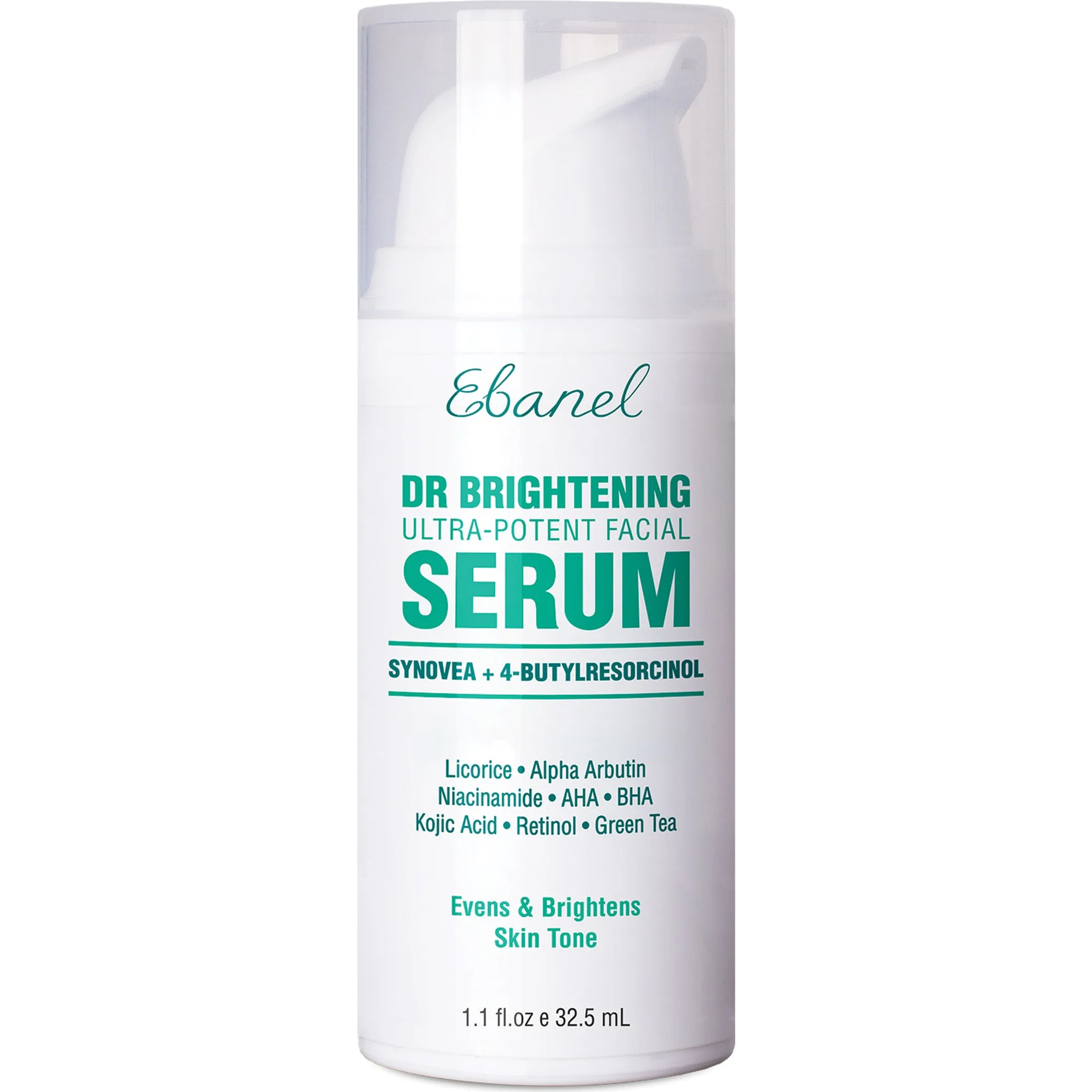
Dr Brightening Ultra-Potent Facial Serum 1.1 Fl Oz
- Remove protective films before applying.
- Leave on for 20-40 minutes for best results.
- Massage remaining gel into skin; no rinsing needed.
Which Mask Should You Choose?
The choice between a hydrogel mask and a sheet mask ultimately depends on your skin type and goals. If you are looking for a quick hydration boost or a brightening treatment before an event, a sheet mask is a convenient and affordable option. Sheet masks are also great for sensitive skin because they are lightweight and less likely to cause irritation. On the other hand, if you want deep, long-lasting hydration or anti-aging benefits, a hydrogel mask is the superior choice.
Consider your lifestyle as well. Sheet masks are easier to find and often more budget-friendly, while hydrogel masks offer a spa-like experience and superior adherence. For targeted treatments, such as under-eye circles or fine lines, hydrogel patches are ideal. If you have dry or mature skin, incorporating a hydrogel mask into your weekly routine can make a noticeable difference in skin plumpness and texture. For a complete skincare routine, you can alternate between both types based on your needs.
- Sheet masks: Quick, hydrating, budget-friendly.
- Hydrogel masks: Deep hydration, anti-aging, better adherence.
- Alternate both for a well-rounded skincare routine.
Whether you choose a hydrogel mask or a sheet mask, both can be valuable additions to your skincare arsenal. The key is to select the right mask for your skin's current needs and use it correctly for maximum benefits. For those seeking a convenient and effective way to maintain healthy, glowing skin on the go, explore the Ebanel Skincare Travel Pouch to keep your favorite masks and essentials organized. Start incorporating these masks into your routine today and enjoy the transformative power of targeted skincare.