Two Herbal Oils, Different Strengths
When you're looking for natural relief from sore muscles, two standout options from Avena Botanicals are Hypericum Oil and Arnica Oil. Both are herbal-infused oils made with organic olive oil, but they have distinct properties and uses. Understanding the differences can help you choose the right one for your specific needs.
What the Labels Reveal
-
Hypericum Oil: Hypericum Oil is made from St. John's Wort (Hypericum perforatum) and supports a healthy inflammatory response after strenuous activity, with a special affinity for the nervous system. This indicates it's not just for muscle soreness but also for nerve-related discomfort, making it a good choice for issues involving the peripheral nervous system.
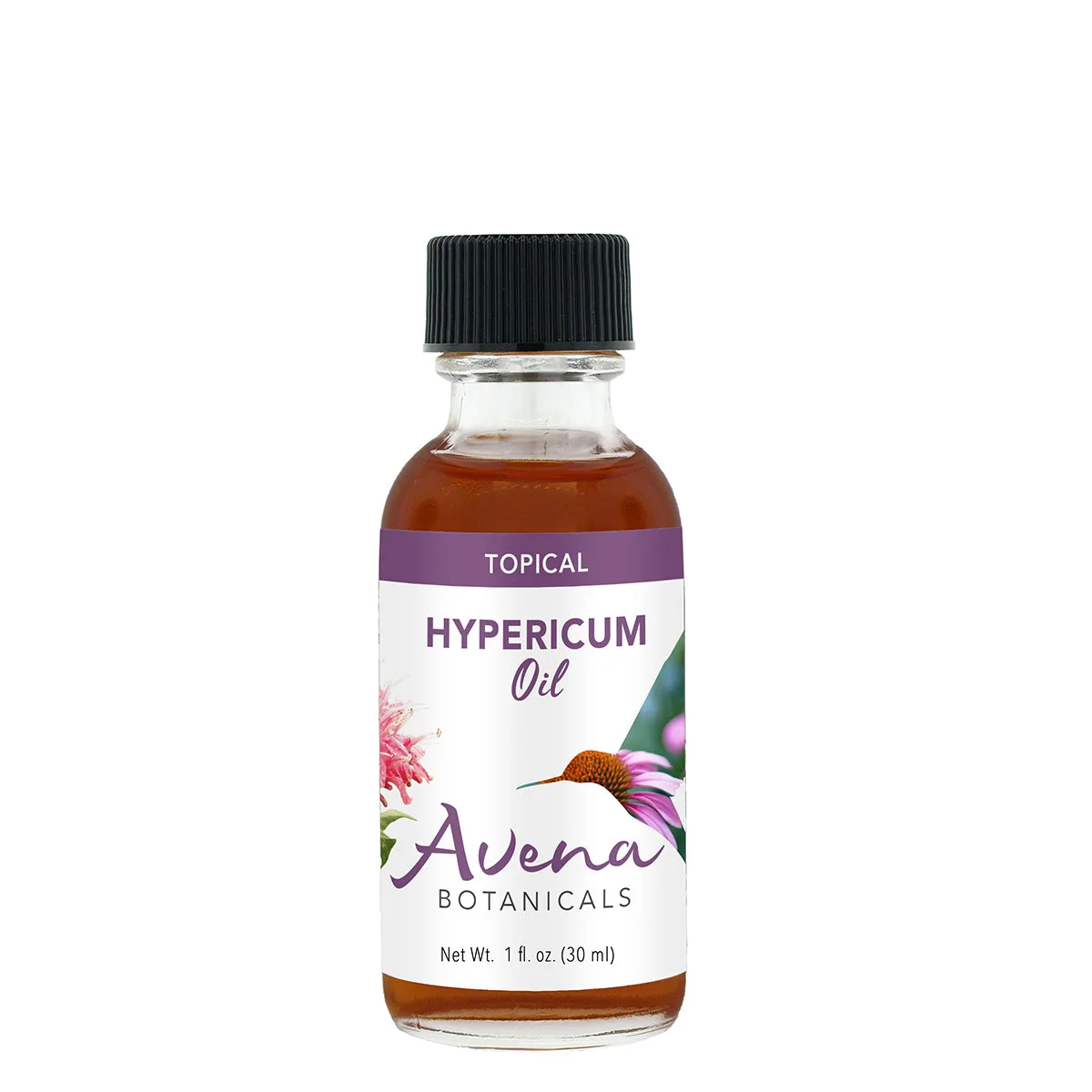
Hypericum Oil
-
Arnica Oil: Arnica Oil supports healthy muscles, tendons, and ligaments, and eases muscles stressed after physical activity. Arnica is traditionally used for muscle and joint aches, especially after overexertion or minor injuries, but it has specific safety limitations.
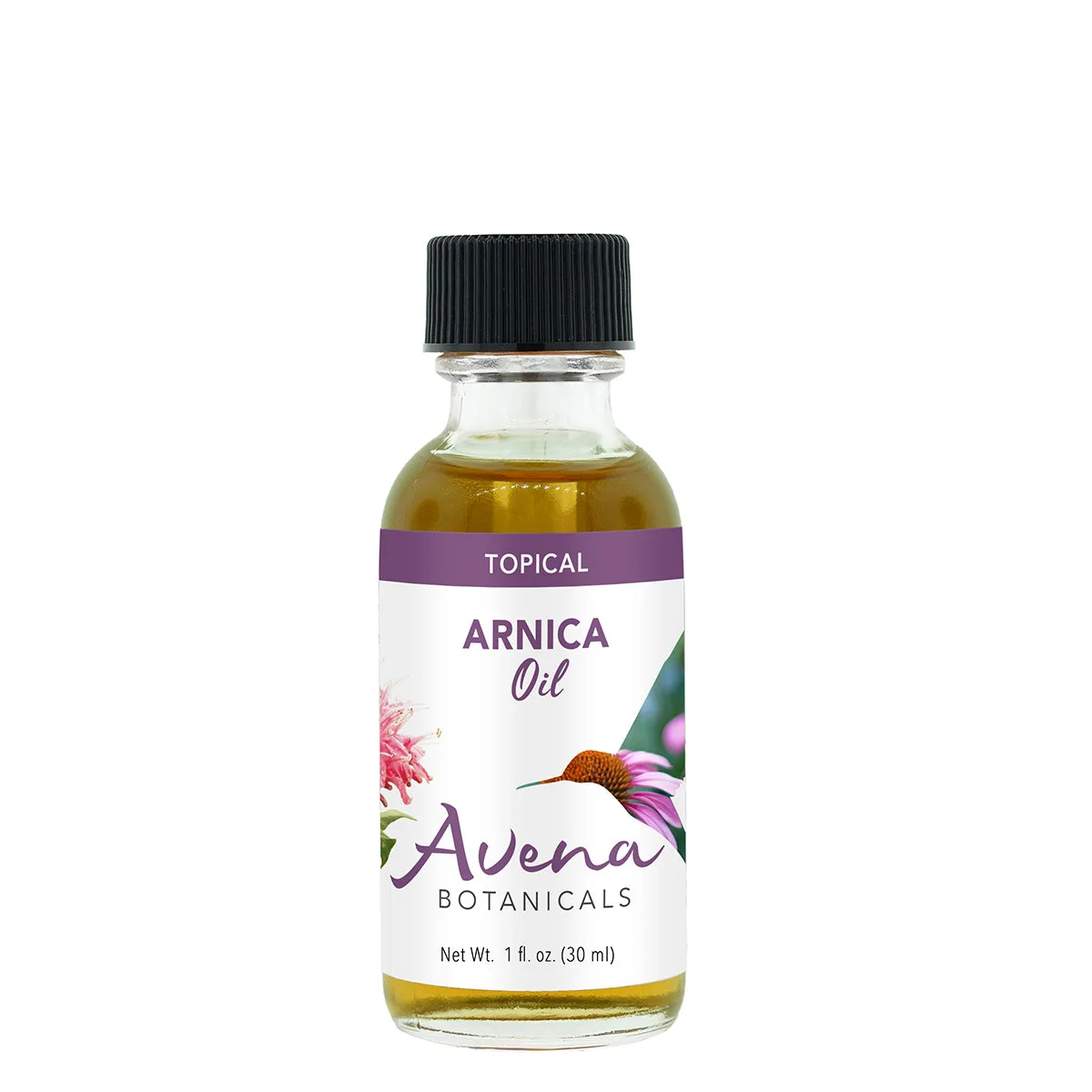
Arnica Oil
Key Differences at a Glance
Both oils are for external use only, but their recommended applications and safety notes differ.
- Primary Focus: Hypericum Oil targets the nervous system and supports a healthy inflammatory response. Arnica Oil focuses on muscles, tendons, and ligaments after physical activity.
- Safety Note: Arnica Oil must never be used on broken skin. Hypericum Oil does not have this restriction from the supplied evidence, but both are for external use only.
- Best For: Hypericum Oil is ideal for perineal support during pregnancy/postpartum, nerve-related discomfort in fingers, toes, and lower back, and general skin TLC. Arnica Oil is suited for achy muscles after a long day of physical work or athletic training.
- Energetics: Hypericum Oil is described as neutral/cooling, soothing, protective. Arnica Oil is warming and soothing.
When to Choose Hypericum Oil
Hypericum Oil is a versatile option if you experience nerve-related discomfort, such as tingling or sensitivity in your fingers, toes, or lower back. It's also recommended for perineal support during pregnancy and postpartum, as it soothes and tones tissues. You can use it as a massage oil for feet, hands, shoulders, and back, or apply it to any skin that needs extra support. Its cooling, soothing nature makes it a good choice for skin exposed to environmental stressors.
Hypericum Oil in Practice
- Hypericum Oil: Suggested use includes as a perineum oil, rub on any skin needing TLC, or as a massage oil for feet, fingers, shoulders, and back. This shows its broad application for both nerve-related and muscle discomfort, as well as skin support.
When to Choose Arnica Oil
Arnica Oil is your go-to after a day of strenuous physical activity—whether that's gardening, construction, or athletic training. It's specifically formulated to ease muscles, tendons, and ligaments that have been stressed. Use it on unbroken skin only; never apply it to cuts, scrapes, or rashes. Its warming property makes it a comforting massage oil for tired, achy areas.
Arnica Oil in Practice
- Arnica Oil: Suggested use: rub onto any stressed areas where the skin is unbroken. Never for use on broken skin. This safety note is critical—Arnica Oil should not be applied to open wounds or irritated skin, unlike Hypericum Oil which has no such restriction in the supplied evidence.
Making Your Choice
If your muscle pain is accompanied by nerve discomfort or you need a gentle oil for sensitive areas, Hypericum Oil is likely the better fit. For straightforward muscle soreness after physical work or exercise, Arnica Oil is a classic choice. Both are available in sizes from 1oz to larger refills, so you can choose based on how often you plan to use them. Remember, these statements have not been evaluated by the FDA, and neither product is intended to diagnose, treat, cure, or prevent any disease.