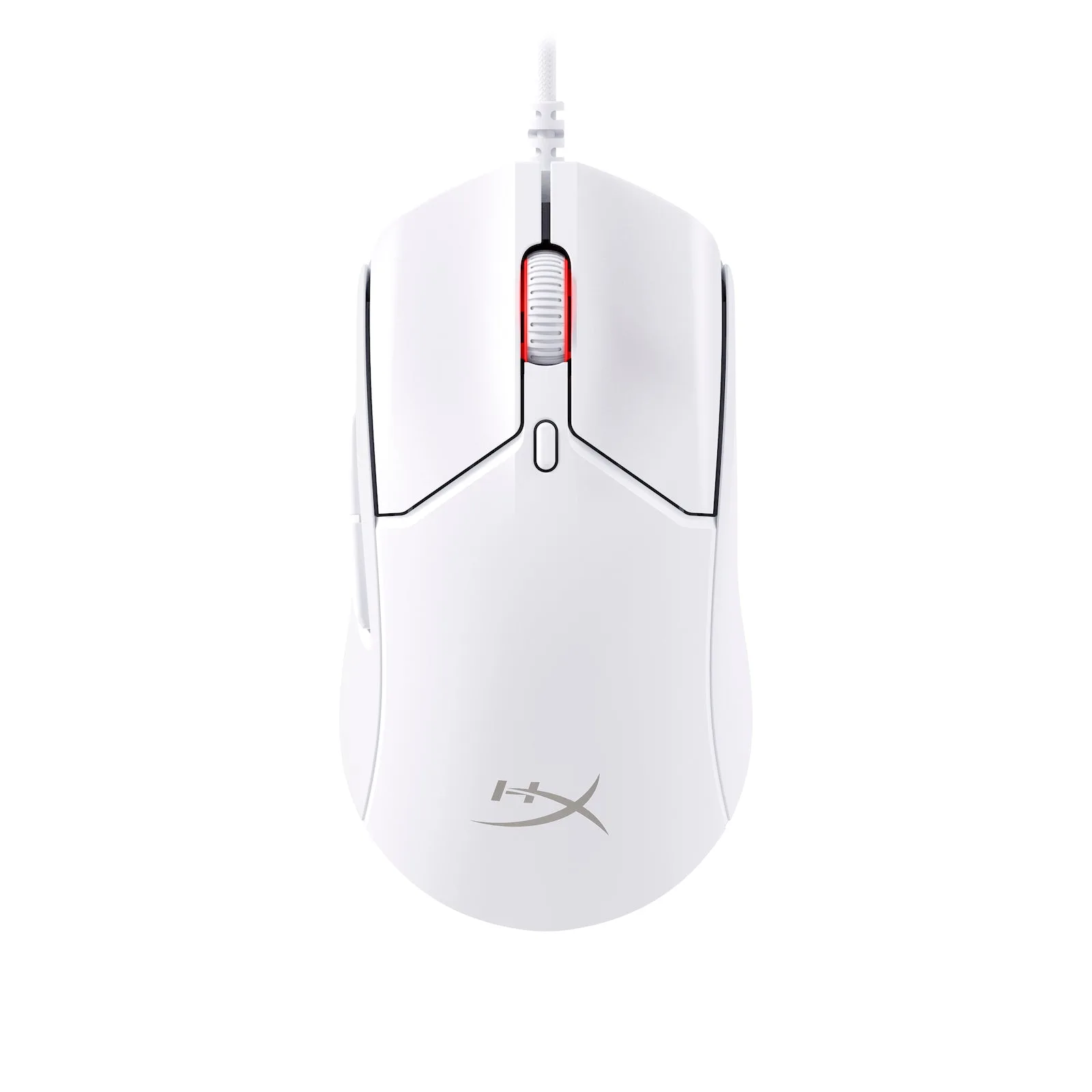
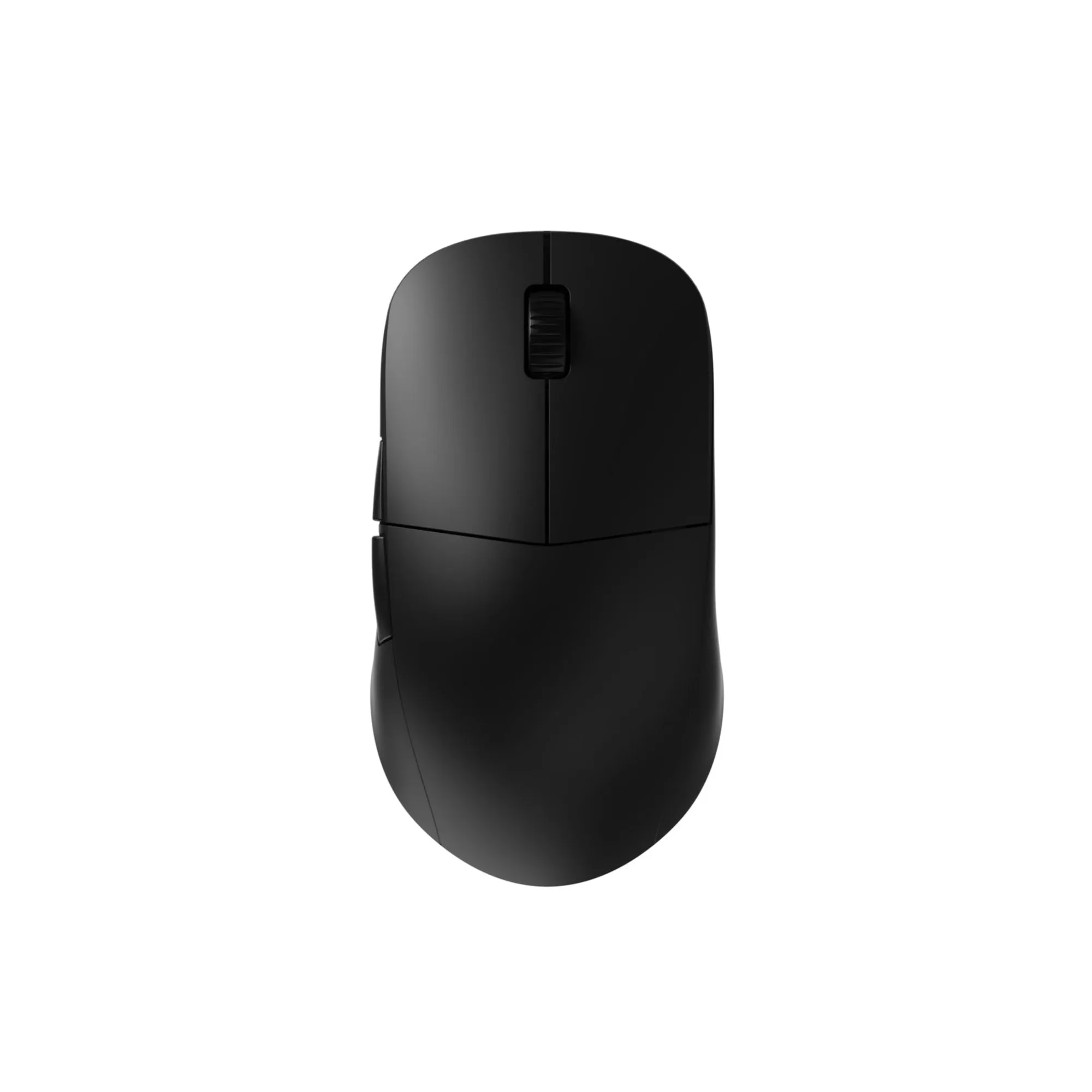
Wired vs Wireless: Two Paths to Customization
When choosing between a wired and wireless gaming mouse, the decision often comes down to personal preference for cable freedom versus consistent low latency. The HyperX Pulsefire Saga wired gaming mouse offers a unique approach: it combines a lightweight, customizable design with a durable cable that minimizes drag. This comparison will help you understand how the wired Pulsefire Saga stacks up against wireless options in the HyperX lineup, focusing on what matters most for your gameplay.
Pulsefire Saga Wired: Key Features at a Glance
-
HyperX Pulsefire Saga - Gaming Mouse: Weighs only 69 grams regardless of configuration. A lightweight mouse reduces fatigue during long sessions and allows faster, more precise movements.
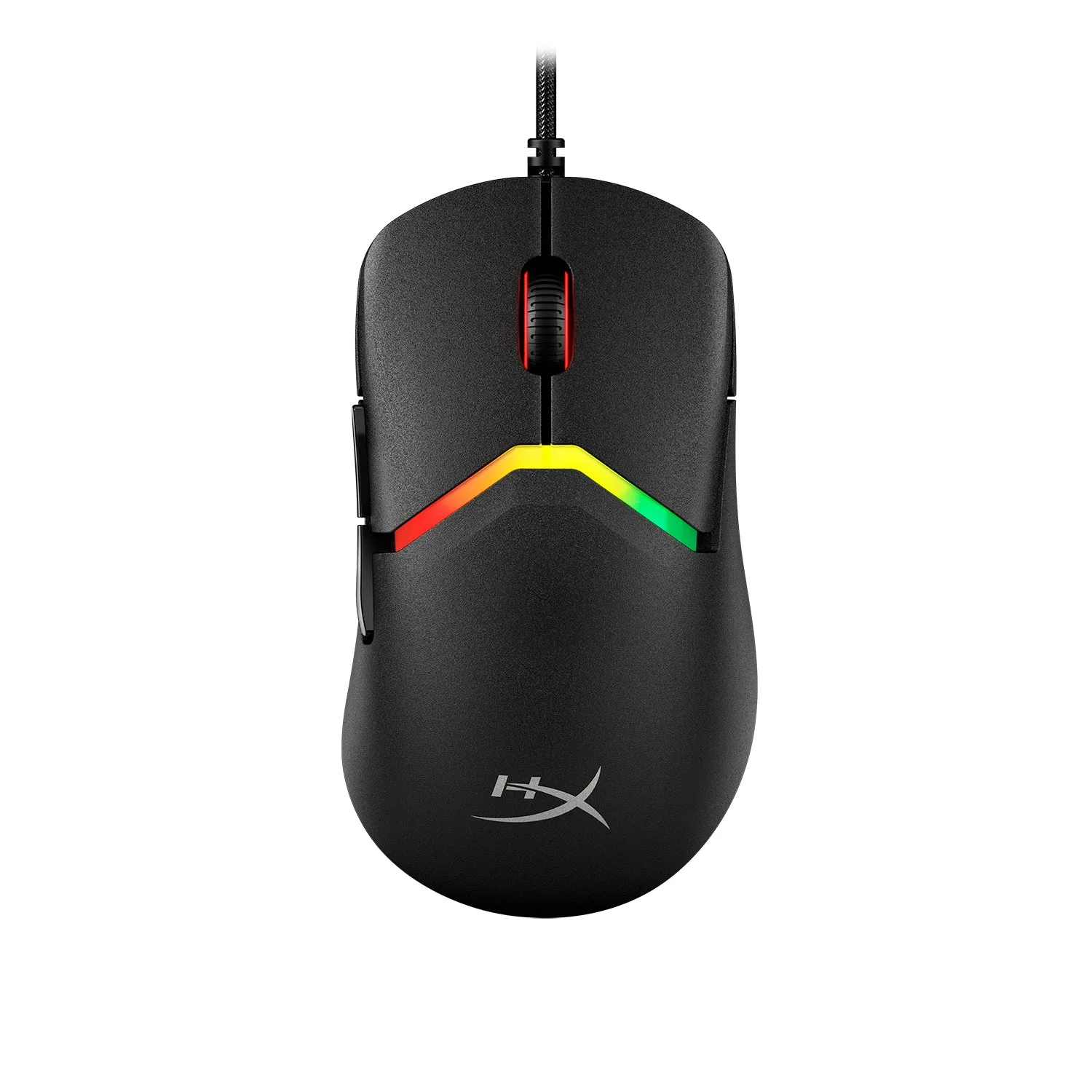
HyperX Pulsefire Saga - Gaming Mouse
-
HyperX Pulsefire Saga - Gaming Mouse: Equipped with an 8k polling sensor for ultra-fast, ultra-accurate reporting back to the CPU. Higher polling rates mean the mouse reports its position more frequently, which can improve tracking and responsiveness in competitive games.
-
HyperX Pulsefire Saga - Gaming Mouse: Uses the super light, super flexible HyperFlex 2 USB cable that resists snags and drags. A flexible cable mimics a wireless feel by reducing cable resistance, making it easier to make large sweeps without interruption.
-
HyperX Pulsefire Saga - Gaming Mouse: Features interchangeable magnetically mounted components for up to 16 comfortable combinations, tool-free. This level of customization lets you adapt the mouse shape to your grip style, which can improve comfort and aim consistency.
Pulsefire Saga Wired vs Wireless: Key Differences
The wired Pulsefire Saga is designed for gamers who prioritize consistent, low-latency performance without worrying about battery life. Wireless gaming mice offer freedom from cables but introduce considerations like charging and potential interference. Below are the main differences to help you decide.
- Latency and Reliability: The wired Pulsefire Saga benefits from a direct connection, eliminating concerns about wireless interference or battery drain. Its 8k polling sensor ensures ultra-fast reporting, which is especially valuable in competitive scenarios where every millisecond counts.
- Cable vs Freedom: The HyperFlex 2 cable is designed to reduce drag and snagging, but it still connects to your PC. Wireless mice offer unrestricted movement, which some players prefer for large, sweeping gestures. If you value a completely cable-free experience, a wireless model may be more appealing.
- Weight and Customization: At 69 grams, the wired Pulsefire Saga is lightweight and customizable with interchangeable parts. Wireless mice often weigh slightly more due to the battery and wireless module. If ultra-light weight and custom fit are your top priorities, the wired version may be the better choice.
- Battery and Charging: The wired Pulsefire Saga requires no charging or battery management—it is always ready to use. Wireless mice need periodic charging or battery swaps, which can be a minor inconvenience for some users. If you dislike managing cables and batteries, a wired mouse eliminates that hassle entirely.
Which One Should You Choose?
The wired HyperX Pulsefire Saga is an excellent choice if you want a lightweight, highly customizable mouse with consistent low latency and no battery concerns. Its flexible cable and 8k polling sensor make it a strong contender for competitive gaming. If you absolutely need a wireless setup and are willing to trade a few grams for cable freedom, consider a wireless mouse from the HyperX lineup. Ultimately, the best choice depends on whether you prioritize the simplicity of a wired connection or the unrestricted movement of wireless.