Quick Answer
Buy the CrunchLabs Ice Cream Stand if you want a hands-on food science toy for kids that turns flavor mixing into an engineering-style experiment. Skip it if your child prefers building mechanical kits with moving parts or wants a finished dessert maker rather than a flavor lab. It works best as a guided activity for ages 6-10 with an adult nearby.
What Flavor Chemistry Actually Means in This Kit
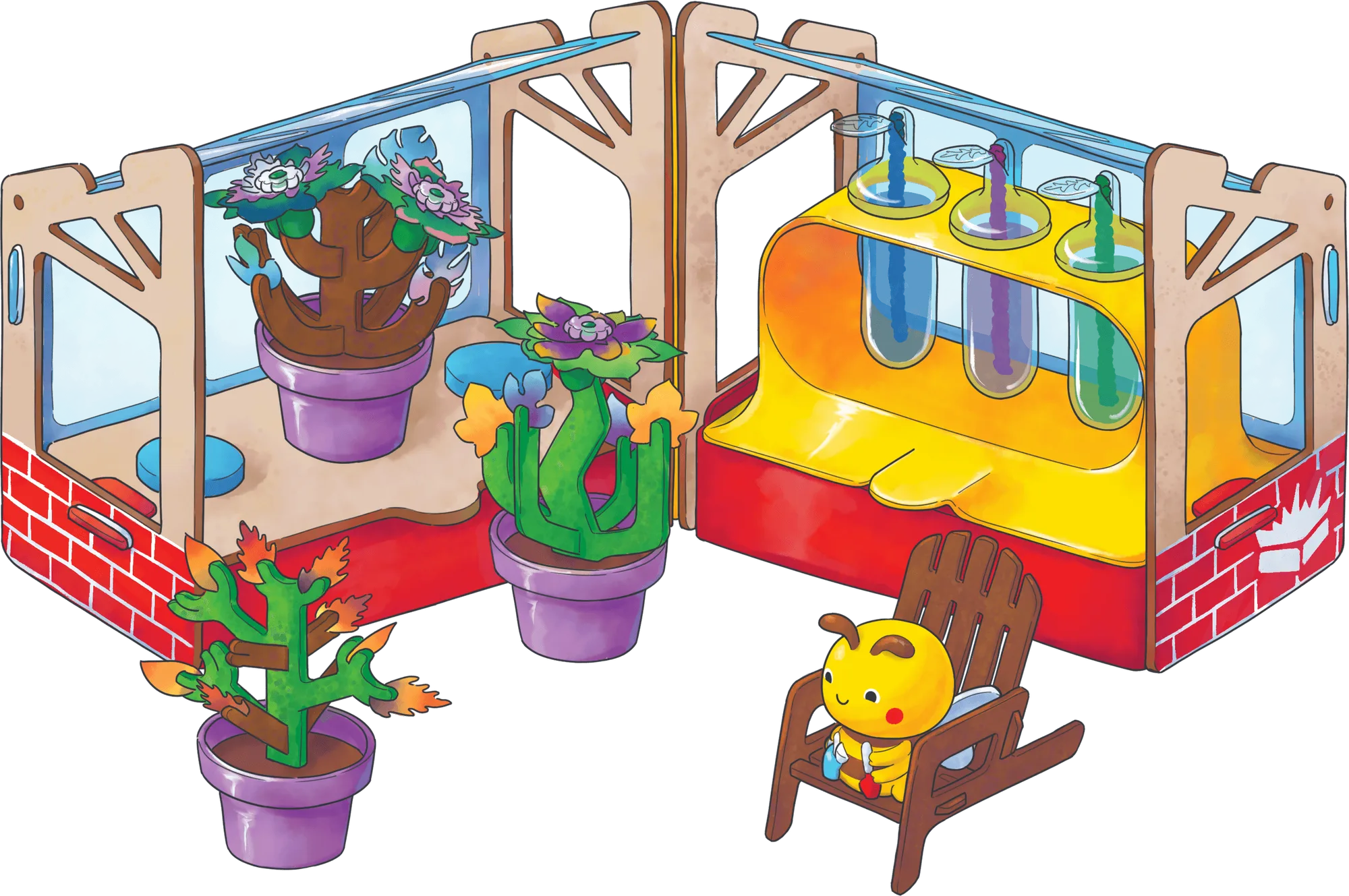
Flavor chemistry is the study of how taste, smell, and texture combine to create what we call flavor. In the Ice Cream Stand kit, that idea becomes hands-on: kids mix, taste, and adjust rather than just follow a recipe. The engineering thinking comes from the loop itself — change one variable, observe the result, then decide what to tweak next.
That loop is why this kit fits the CrunchLabs approach of learning to think like engineers. Your child isn't just making dessert; they're testing a hypothesis about what happens when you add more of one flavor or less of another. The stand gives the activity a physical home, so the experiment has a place to happen and a reason to repeat.
How to Run a Flavor Experiment Without a Mess
Set up on a washable surface and keep a small bowl of water and a towel within reach. Start with two or three flavors rather than the whole shelf, so your child can actually taste the difference between batches. Label each cup with a sticky note so you can compare results later.
The most useful parent move is to ask one question at a time: what changed, and what would you try next? That keeps the activity moving and turns a kitchen project into an edible science project your child can explain afterward. If a batch flops, that's data — not a failure.
Where the Ice Cream Stand Fits in Your Kit Rotation
If your family already owns mechanical CrunchLabs kits, the Ice Cream Stand is a different kind of build. Instead of springs or friction, it leans on sensory cause and effect, which makes it a good companion activity for a rainy afternoon or a birthday party station.
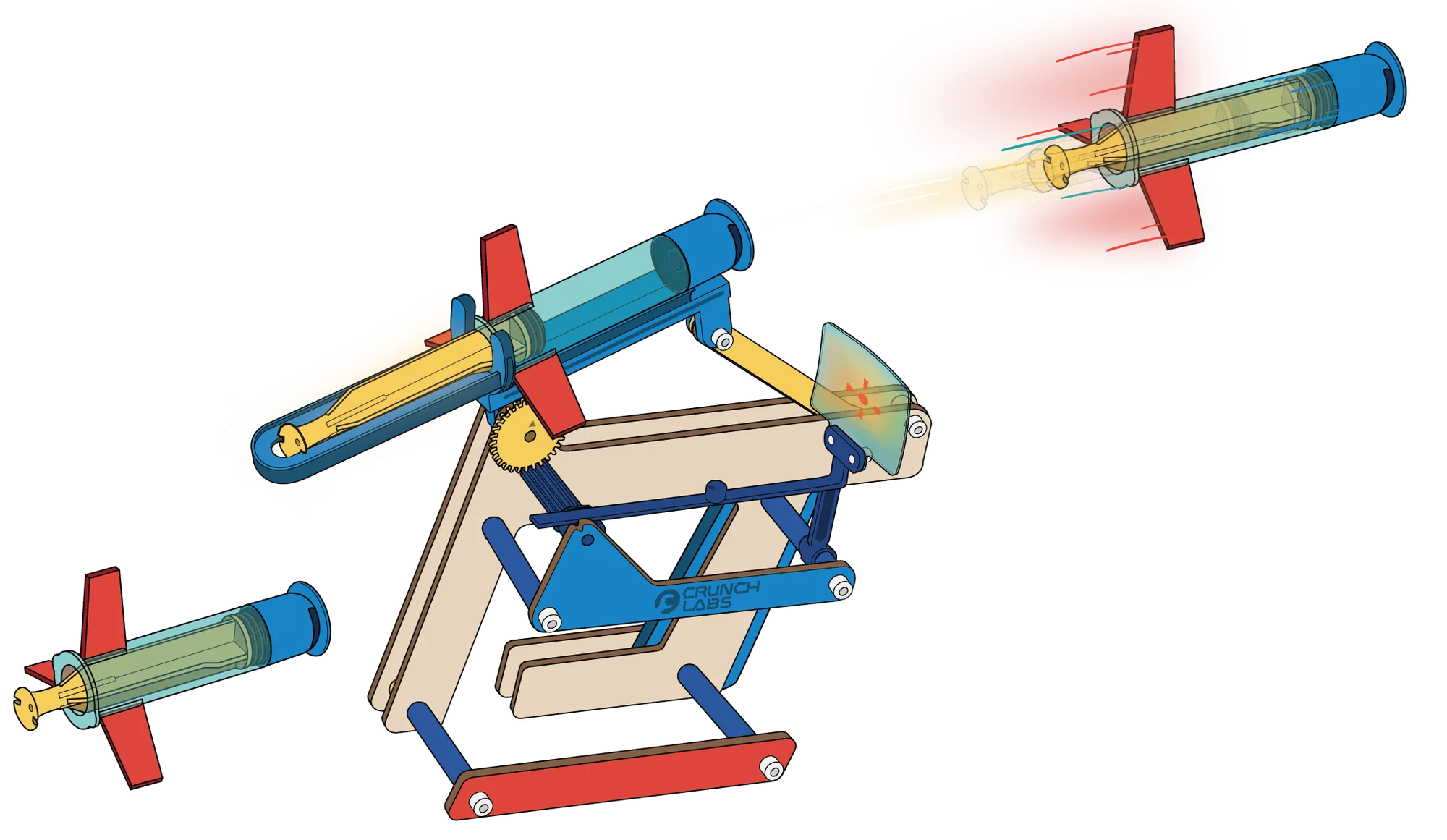
For a child who prefers motion and launching, the Paper Airplane Launcher - Springs offers a spring-powered build with 16 total parts, and Hangry Anglers - Friction explores friction through play. Those kits scratch a different itch than flavor science, so they can coexist in the same rotation without overlapping.
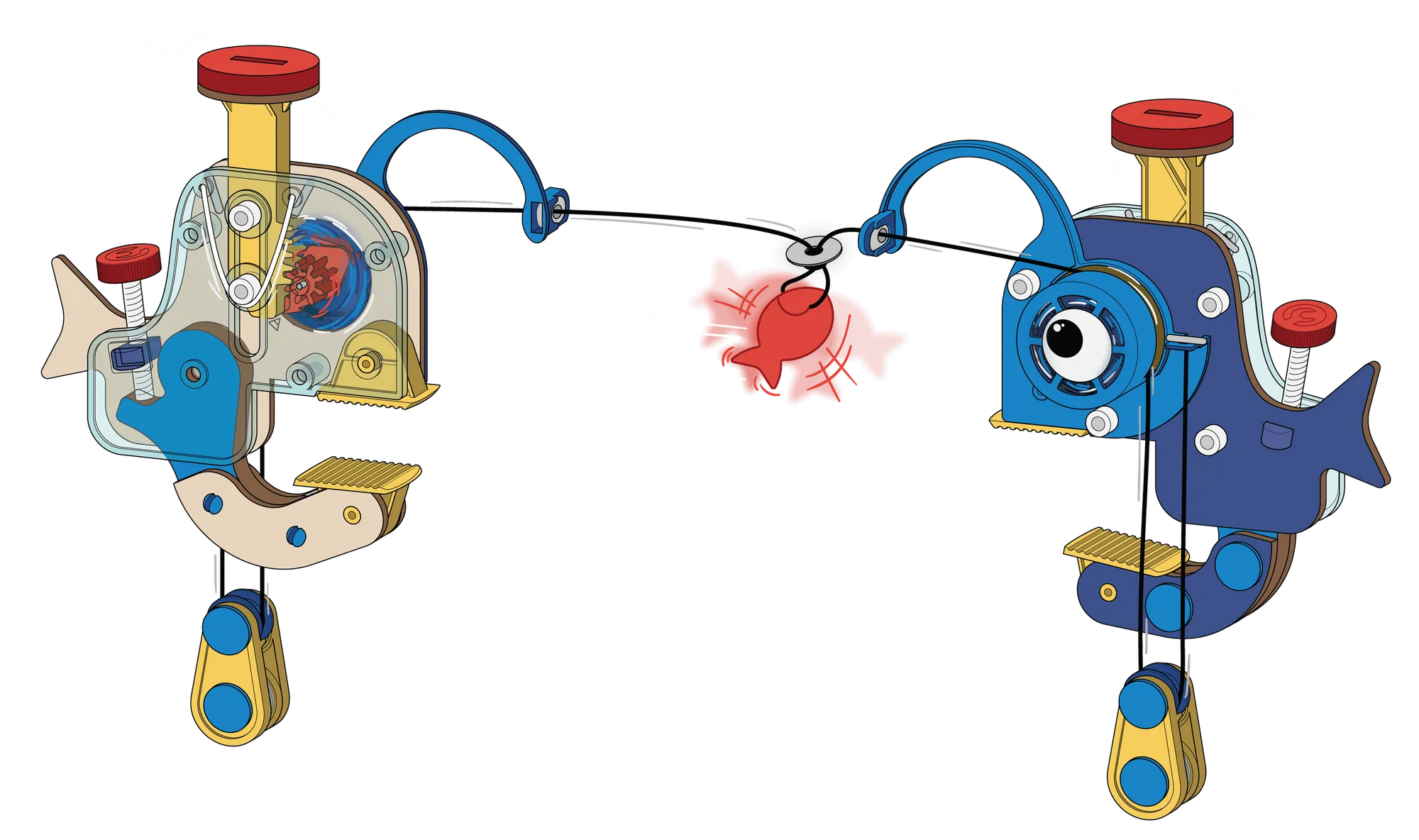
Hangry Anglers - Friction
Decision Rules for Buying the Ice Cream Stand Kit
- Rule 1: Match the kit to your child's curiosity type: Choose the Ice Cream Stand if your child asks 'what happens if I mix these?' about food, drinks, or smells. Choose a mechanical kit like Paper Airplane Launcher - Springs if they ask 'how does this move?' instead. Curiosity type beats age range when you're deciding between kits.
- Rule 2: Budget for a guided activity, not a solo toy: Flavor chemistry involves tasting and adjusting, so plan to be nearby for the first few sessions. If you want a kit your child can run entirely alone, a build-and-launch kit is a better fit. The first session is a parent-child activity; independence grows after that.
- Rule 3: Check your pantry before you buy: The kit provides the stand and the flavor-focused activity, but you'll want a few simple mix-ins on hand. Decide in advance whether you're comfortable supplying those extras. A quick pantry check prevents a stalled first experiment.
Product Facts
- Ice Cream Stand - The Flavor Chemist's Ice Cream Stand: Ice Cream Stand - The Flavor Chemist's Ice Cream Stand is a creative kit toy from CrunchLabs, a store built around helping kids and adults learn to think like engineers. It signals that the kit is designed for experimentation and building, not just pretend play.
- Screenwriter's Theater: Screenwriter's Theater is a creative kit from CrunchLabs, listed in the Creative Kit Toys category and offered in a Standard option. If your child leans toward storytelling rather than taste testing, this is the Creative Kit Toys alternative to compare against.
- Paper Airplane Launcher - Springs: Paper Airplane Launcher - Springs is a CrunchLabs kit focused on spring-powered launching and comes with 16 total parts. A useful benchmark if your child wants a build with moving parts instead of a flavor-focused activity.
Who Should Buy This Kit
Best for
- Parents of kids ages 6-10 who enjoy mixing, tasting, and asking why
- Families looking for an edible science project that doubles as an afternoon activity
- Kids who already like kitchen time and want a structured way to experiment
Not for
- Kids who prefer mechanical builds with springs, gears, or launching parts
- Families who want a completely unsupervised, mess-free toy
- Shoppers looking for a finished dessert maker rather than a flavor lab