Quick Answer
Hot brewing extracts the most flavor and aroma from tea in just a few minutes, making it the better choice when you want a bold, complex cup. Cold brewing takes hours but produces a smoother, less bitter infusion that shines with delicate white and herbal teas. If you want the best of both, hot brew a concentrated batch, chill it, and pour over ice.
How Temperature Changes What You Taste
Hot water acts fast. It pulls out color, aroma, and flavor compounds in three to five minutes, but it also extracts bitterness and astringency if you steep too long. Cold water works slowly, drawing out sweetness and body over six to twelve hours while leaving most bitter compounds behind. That is why cold brewing reduces bitterness: the compounds that taste harsh need heat to dissolve, so they stay in the leaf. The trade-off is time and a milder flavor profile. For a side-by-side test, brew the same tea both ways and taste them plain. You will notice hot brew gives a sharper, more aromatic cup; cold brew gives a rounder, softer one.
Matching the Method to the Tea
Not every tea performs equally in both methods. Silver Needle white tea, for example, is delicate and floral when hot brewed, but cold brewing preserves its subtlety without any risk of scalding. Herbal blends built on hibiscus, rose, or ginger often taste brighter and more refreshing when cold brewed because the tartness stays clean rather than turning sharp. On the other hand, robust teas like Assam or heavily roasted oolong need hot water to unlock their full depth. If you are working with a blend that includes lemongrass or eucalyptus, hot brewing will release those volatile oils more completely, but cold brewing keeps the cup softer. The key is to consider what you want from the cup: maximum aroma or maximum smoothness.
The Iced Tea Concentrate Shortcut
If you want iced tea without waiting overnight, make an iced tea concentrate. Hot brew a small batch at double strength, then chill it quickly and dilute with cold water or pour directly over ice. This method gives you the flavor extraction of hot brewing with the refreshment of iced tea. It works especially well for herbal blends that might otherwise take hours to infuse. Keep in mind that concentrate can become bitter if you oversteep, so stick to the recommended time for the tea type. For cold brew purists, the concentrate is a compromise, but a practical one when you need tea now.
Cold Brew vs Sun Tea: What to Know
Sun tea is made by steeping tea in a jar under direct sunlight for several hours. While it sounds romantic, it is less predictable than refrigerator cold brewing. Sun tea sits at warm temperatures that can encourage bacterial growth, and the flavor can turn flat or sour. Cold brewing in the fridge is safer and more consistent. If you enjoy the slow ritual, use the fridge instead of the sun. Both methods take time, but cold brewing gives you better control and a cleaner taste. For herbal iced tea brewing, the fridge is the more reliable choice.
Trade-Offs at a Glance
- Hot Brew: Ready in 3–5 minutes, extracts maximum aroma and complexity, but can turn bitter if oversteeped and requires cooling before serving over ice. Best when you want a bold, aromatic cup and can monitor steeping time.
- Cold Brew: Takes 6–12 hours, produces a smooth, low-bitterness infusion that highlights delicate and fruity notes, but flavor is milder and less aromatic. Best when you plan ahead and prefer a gentle, refreshing tea.
- Iced Tea Concentrate: Hot brew double-strength, chill, and dilute; delivers hot-brew flavor in iced form within about 15 minutes, but risks bitterness if oversteeped. Best when you want iced tea quickly without waiting overnight.
Teas That Showcase Each Method
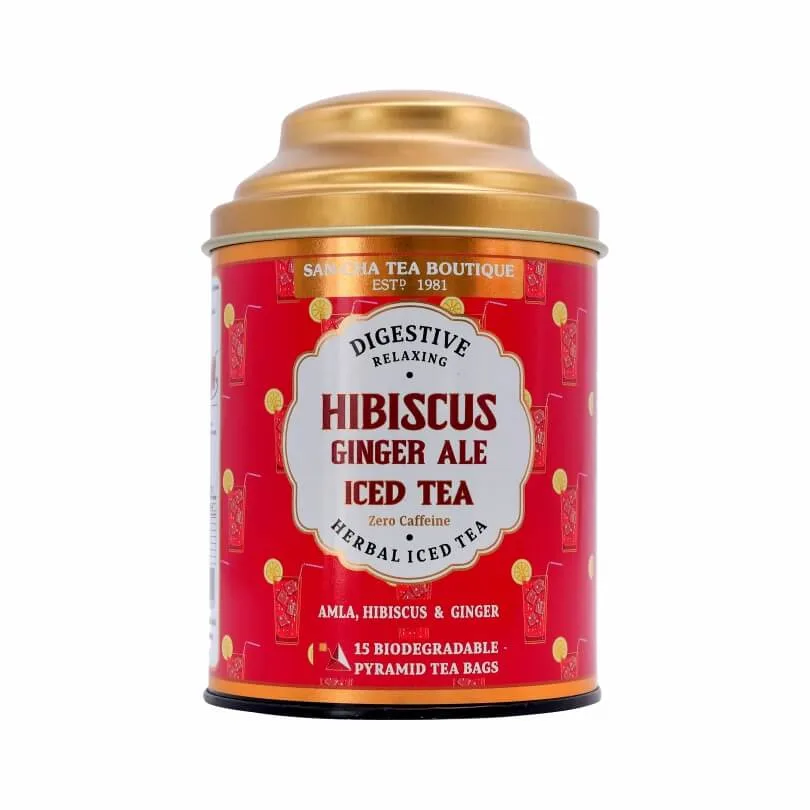
- Hibiscus Ginger Ale Iced Tea Bags | Cooling Caffeine-Free Herbal Infusion: Hibiscus Ginger Ale Iced Tea is a 100% caffeine-free herbal infusion with hand-selected hibiscus, amla, and warming ginger, free from added sugar. Cold brewing keeps the hibiscus tartness crisp and the ginger zesty without any bitterness, making it a natural fit for a refreshing iced tea.
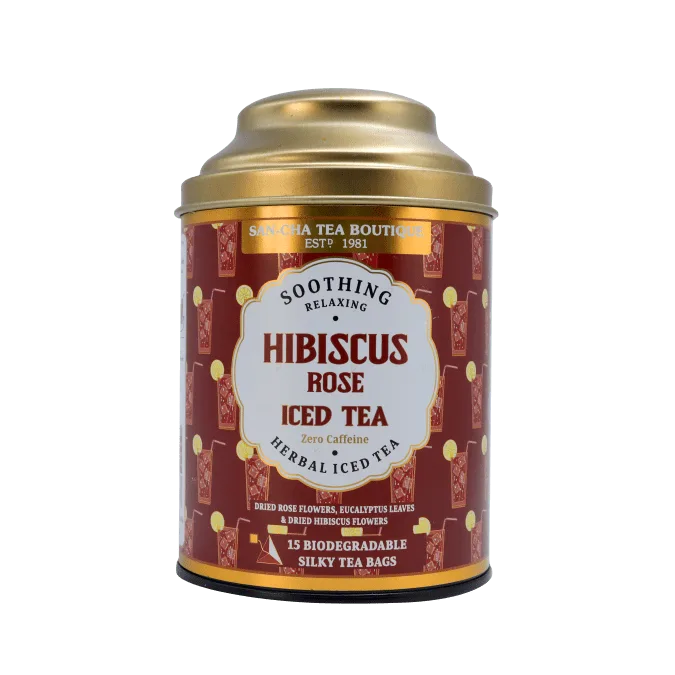
- Hibiscus & Rose Herbal Iced Tea | Radiance Boosting Caffeine-Free Blend: Hibiscus & Rose Herbal Iced Tea is a caffeine-free blend crafted by the Master Tea Blender, rich in vitamin C and antioxidants from hibiscus and rose. Hot brewing this blend releases the floral rose notes quickly, while cold brewing gives a smoother, more subtle infusion; both work, but the choice changes the aroma.
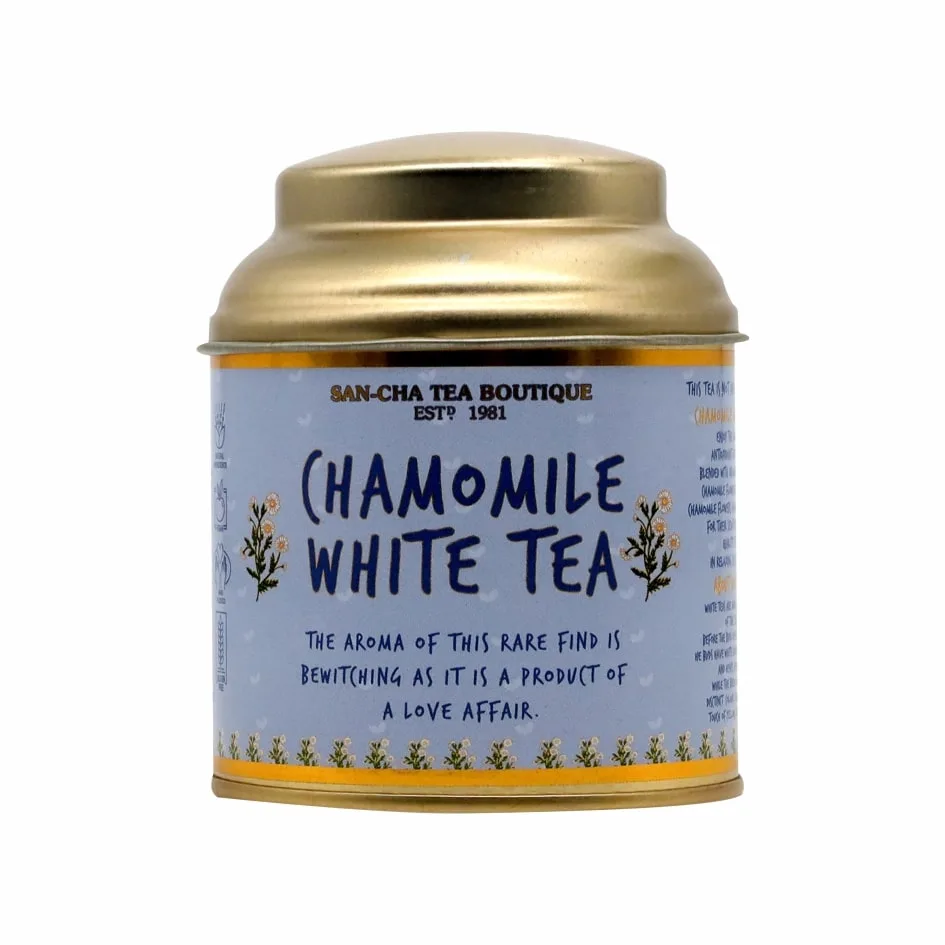
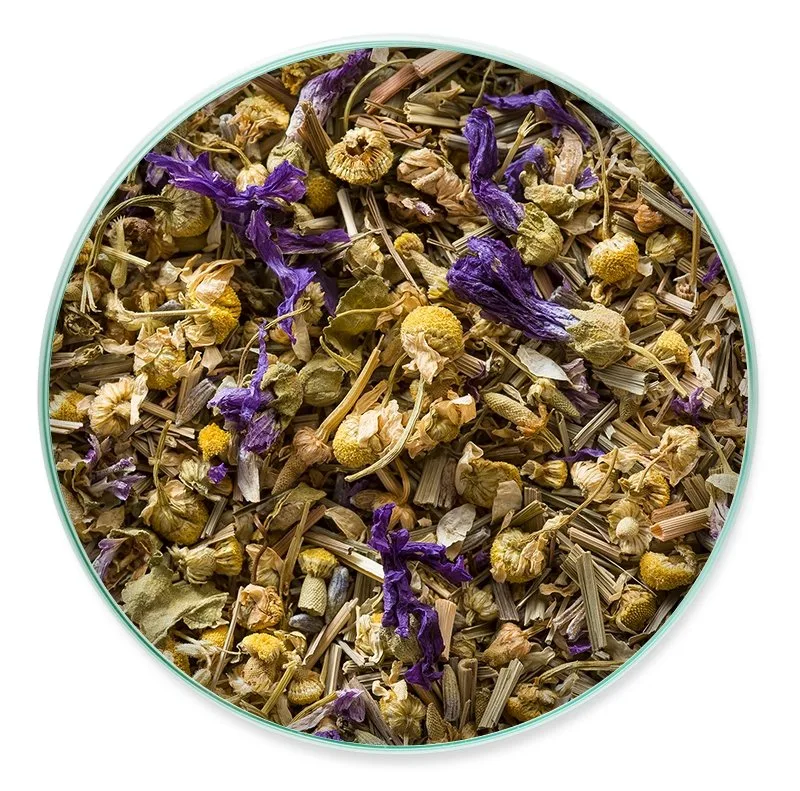
- Chamomile White Tea – Silver Needles with Lemongrass | Calming Blend: Chamomile White Tea combines Silver Needle white tea with chamomile and lemongrass for a calming, low-caffeine blend. Cold brewing this delicate white tea avoids any risk of bitterness and preserves the lemongrass brightness, ideal for a soothing iced cup.
Which Method Fits You?
Choose this if
- You want the fullest flavor and aroma from black, oolong, or robust teas
- You prefer a quick brew and don't mind cooling the tea before icing
- You enjoy experimenting with iced tea concentrate for instant refreshment
Avoid this if
- You dislike any hint of bitterness and want a foolproof smooth cup (try cold brew instead)
- You are brewing delicate white or herbal teas where heat can mask subtle notes
- You need tea within minutes and cannot wait for chilling or cold extraction