Indoor plants bring life and freshness to your home, but even the most diligent plant parent can face the frustration of yellowing leaves, brown tips, or stunted growth. While pests or watering issues are often the first suspects, nutrient deficiencies are a common culprit that can silently sabotage your plant's health. Understanding what your plant is telling you through its leaves and stems is key to restoring its vibrancy.
In this guide, we will walk you through the most frequent nutrient deficiencies in indoor plants, how to identify them, and the best ways to fix them. Whether you are a seasoned green thumb or a beginner, these plant care tips will help you keep your foliage lush and thriving. Plus, we will highlight some handy accessories like the Pilea Friendship Plant Pin and the Calathea Rattlesnake Pin that can add a touch of botanical fun to your indoor garden journey.
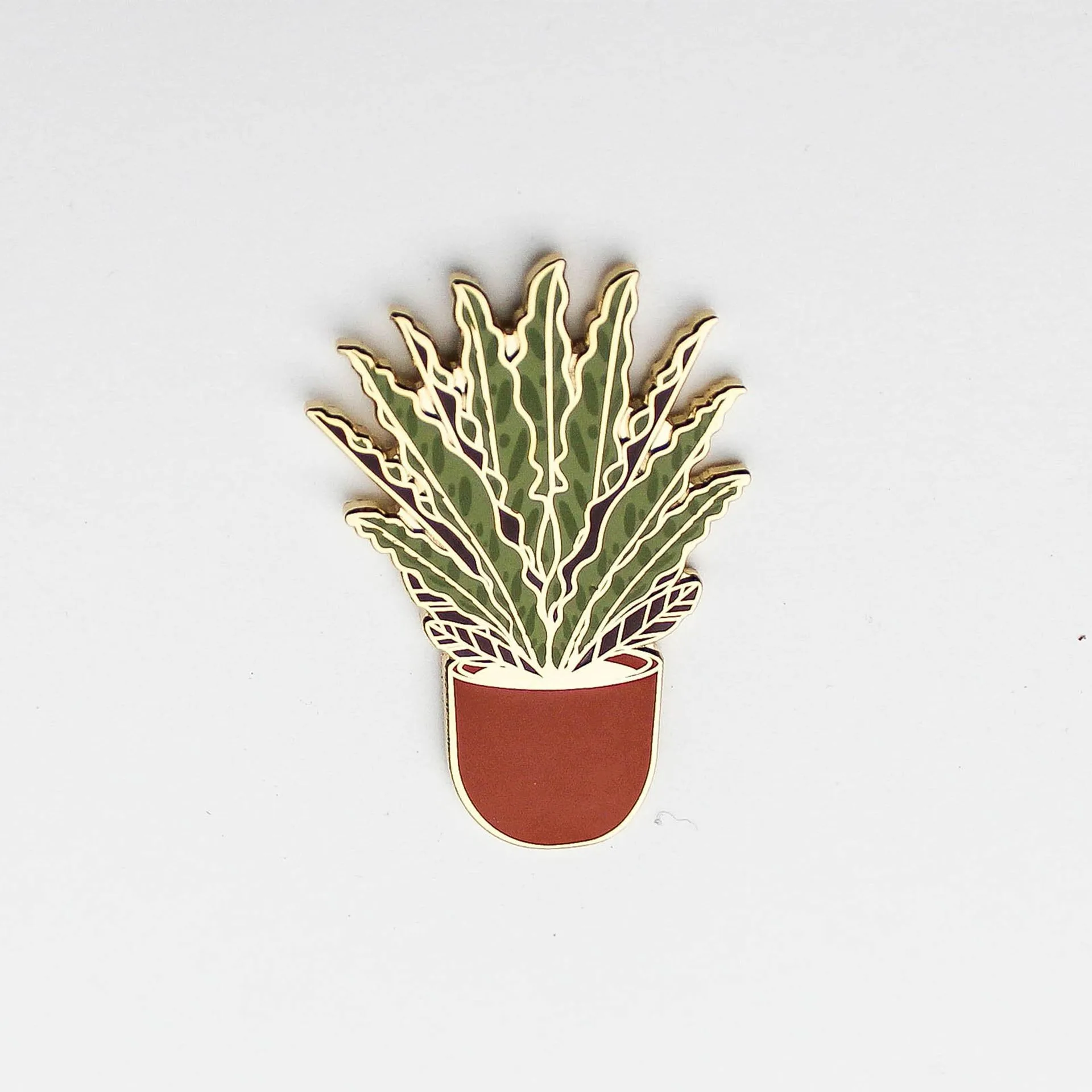
Calathea Rattlesnake Pin
Why Nutrient Deficiencies Happen in Indoor Plants
Indoor plants rely entirely on you for their nutrients because they cannot draw from natural soil ecosystems. Over time, potting mix loses its fertility, especially if you have not repotted or fertilized regularly. Compacted soil, poor drainage, or using tap water with high mineral content can also lock out essential nutrients, leading to deficiencies even if you are watering correctly.
Another factor is the plant's growth stage. Fast-growing plants like Monsteras or Pothos deplete nutrients faster, while succulents need less frequent feeding. Recognizing these variables helps you tailor a fertilizing schedule that prevents deficiencies before they start. A balanced approach to plant care—combining proper watering, light, and nutrition—is the foundation of a healthy indoor garden.
- Use a high-quality potting mix that includes perlite or vermiculite for aeration and nutrient retention.
- Avoid over-fertilizing, which can cause nutrient burn and mimic deficiency symptoms.
Common Nutrient Deficiencies and Their Symptoms
Nitrogen deficiency is one of the most common issues, especially in leafy houseplants. It shows up as pale green or yellowing leaves, starting with the older, lower leaves. The plant may also have stunted growth and smaller new leaves. Nitrogen is mobile in the plant, so the plant moves it to new growth, leaving older leaves to suffer. To fix this, use a balanced fertilizer with a higher nitrogen ratio, such as a 3-1-2 formula, and apply it every two to four weeks during the growing season.
Iron deficiency presents differently: new leaves turn yellow while the veins remain green, a condition called interveinal chlorosis. This often occurs when the soil pH is too high (alkaline) or when there is excess phosphorus. Iron is immobile, so symptoms appear on new growth first. Lowering soil pH with sulfur or using chelated iron supplements can correct this. For a quick boost, foliar sprays with iron are effective.
Potassium deficiency causes leaf edges to turn brown and scorched, and older leaves may develop yellow spots. Stems become weak, and the plant is more susceptible to disease. Potassium is crucial for water regulation and enzyme activation. A fertilizer high in potassium, like a 2-1-3 ratio, or adding banana peel compost can help restore balance. Magnesium deficiency, on the other hand, leads to yellowing between leaf veins on older leaves, often with a mottled pattern. Epsom salt (magnesium sulfate) dissolved in water is a simple remedy.
- For a quick visual reference, keep a plant care journal or use a guide like the Begonia Maculata Keychain to track symptoms.
- Always test your soil pH before adding amendments; most indoor plants prefer a slightly acidic pH of 6.0 to 6.5.
How to Fix Nutrient Deficiencies Step by Step
Start by diagnosing the problem accurately. Examine the leaves: are the yellowing leaves old or new? Are the veins green or yellow? Compare your observations with the descriptions above. If you are unsure, flush the soil with distilled water to remove any salt buildup from tap water, then wait a few days to see if the plant improves. This step alone can resolve many issues caused by mineral lockout.
Next, choose the right fertilizer. A complete water-soluble fertilizer with micronutrients is ideal for general use. For specific deficiencies, supplement with targeted products: liquid kelp for potassium, bone meal for phosphorus, or Epsom salt for magnesium. Apply fertilizer only when the soil is moist to avoid root burn. Always follow the package instructions, and err on the side of under-fertilizing—you can always add more later.
Finally, consider repotting if the soil is old or compacted. Fresh potting mix often contains a starter charge of nutrients that can give your plant a new lease on life. Use a planter with good drainage, such as the Loop Gravel Hanging Planter, to prevent waterlogging and root rot, which can mimic deficiency symptoms. Regular repotting every 12 to 18 months is a proactive plant care tip that many enthusiasts overlook.
- Keep a consistent fertilizing schedule: feed every 2-4 weeks during spring and summer, and reduce to every 6-8 weeks in fall and winter.
- Use a moisture meter to ensure you are not overwatering, which can wash away nutrients.
Preventing Nutrient Deficiencies with Proper Plant Care
Prevention is always better than cure. Establish a routine that includes regular feeding, proper watering, and adequate light. Rotate your plants periodically so all sides receive even light, which supports balanced growth. Dust the leaves monthly to improve photosynthesis, as clean leaves absorb nutrients more efficiently.
Incorporate organic matter like worm castings or compost tea into your care regimen. These provide a slow-release source of micronutrients and improve soil structure. For a fun way to stay engaged with your plant care, consider adding a plant-themed accessory like the Pilea Friendship Plant Pin to your collection. It serves as a cheerful reminder to check on your plants regularly and can brighten your indoor garden space.
- Group plants with similar nutrient needs together to simplify your fertilizing routine.
- Use filtered or rainwater to avoid chlorine and fluoride, which can interfere with nutrient uptake.
Identifying and fixing nutrient deficiencies in indoor plants is a rewarding skill that will transform your plant care experience. With the right knowledge and a little patience, you can restore your plants to full health and enjoy their lush beauty year-round. For a practical tool to keep your plant care organized, explore the Calathea Rattlesnake Pin, a stylish accessory that makes a great gift for any plant lover and helps you stay mindful of your indoor garden's needs.