Quick Answer
Inspect your tactical belt monthly for frayed webbing, cracked buckles, and compressed padding. If you see these signs, replace the belt or the affected component before it fails during use. For most users, a well-maintained belt lasts several years, but heavy use and exposure to elements accelerate wear.
Your tactical belt is the foundation of your load-bearing setup. It supports your holster, magazine pouches, and other gear, and if it fails, you lose more than just a piece of equipment—you lose the ability to carry what you need. That's why catching wear patterns early is critical.
In this guide, we'll walk you through the most common wear patterns on tactical belts, what they mean, and how to address them. We'll also discuss specific considerations for popular models like the Super Belt and Ergo Super Belt, so you can extend their lifespan and avoid unexpected failures.
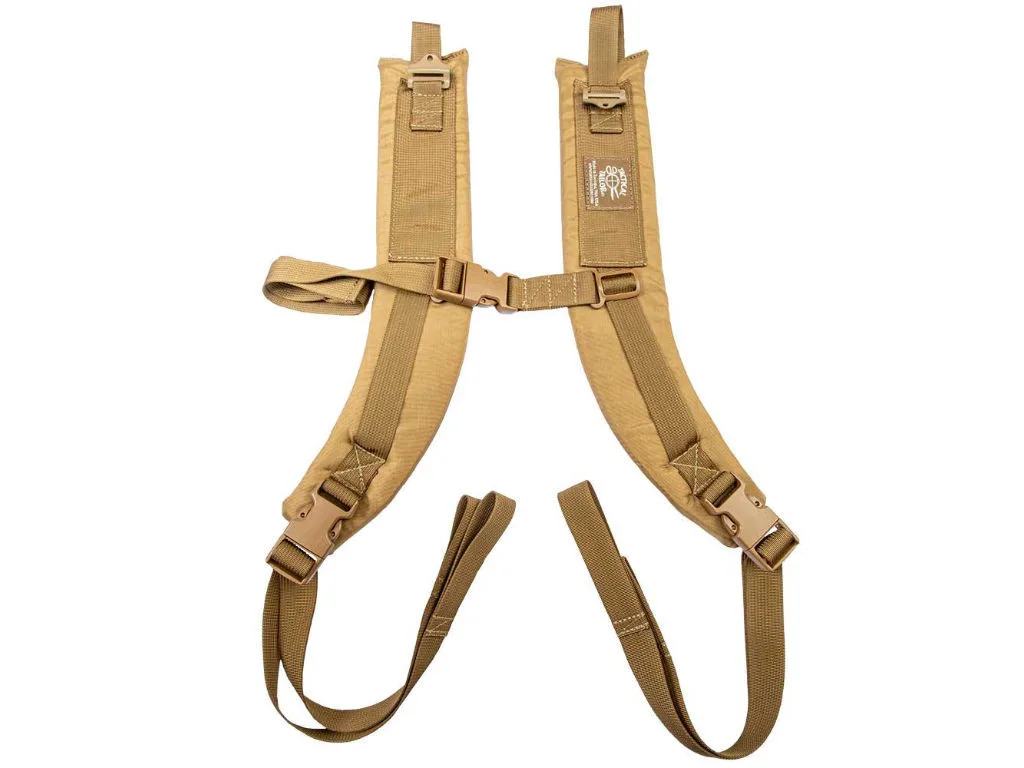
Super Belt
Common Wear Patterns and What They Mean
Frayed webbing is the most obvious sign of wear. Check the edges of your belt, especially where it passes through buckles or around sharp corners. Fraying indicates that the nylon fibers are breaking down, which weakens the belt's structural integrity. If you see fraying, it's time to consider replacement, especially if the damage is more than superficial.
Cracks or deformation in the buckle area are another red flag. Metal or polymer buckles can develop stress fractures from repeated tightening and loosening. Inspect the buckle for any visible cracks, bending, or stiffness. A cracked buckle can fail suddenly, leaving you without a secure closure.
Compressed or misshapen padding is common on padded belts like the Super Belt. Over time, the foam or padding can lose its thickness, reducing comfort and support. If the padding feels flat or uneven, it may no longer distribute weight effectively, leading to discomfort and potential back strain.
Stress Points to Inspect on Your Belt
Focus your inspection on high-stress areas: the buckle attachment points, the area around the adjustment sliders, and any stitching that secures load-bearing loops. These spots bear the most force and are the first to show wear.
Also check the areas where your holster or pouches attach. The constant rubbing and weight can cause localized wear. If you notice the webbing becoming thin or shiny in these spots, it's a sign that the belt is under excessive stress.
- Run your fingers along the edges to feel for rough or loose fibers.
- Flex the buckle to check for cracks or stiffness.
- Look for discoloration or shiny spots that indicate heat or friction damage.
Corrective Actions and When to Replace
If you catch wear early, you can often extend the life of your belt. For minor fraying, you can carefully trim loose fibers and apply a flame to seal the edge (if the belt is nylon). However, if the fraying is deep or widespread, replacement is the safer option.
For buckles, if you notice any cracking, replace the buckle immediately. Many belts allow you to swap out the buckle, but if the belt is integrated, you'll need a new belt. For padding issues, if the padding is removable, consider replacing it; otherwise, look for a new belt.
As a rule of thumb, if you have any doubt about the integrity of your belt, replace it. The cost of a new belt is far less than the consequences of a failure during a critical moment.
- Keep a spare belt in your gear bag for emergencies.
- Replace belts that have been through extreme conditions, such as exposure to chemicals or fire.
- If you use your belt daily, consider rotating between two belts to extend their lifespan.
Diagnosis Guide: From Wear to Failure
- Symptom: Frayed webbing: Inspect the edges of the belt, especially near buckles and attachment points. If you see loose fibers or the webbing looks thin, it's a sign of wear. If fraying is minor, trim and seal. If it's deep or extensive, replace the belt.
- Symptom: Cracked or stiff buckle: Flex the buckle and look for cracks or deformation. A stiff buckle may be a sign of internal stress. Replace the buckle or the entire belt immediately. Do not risk a buckle failure.
- Symptom: Compressed padding: Feel the padding along the belt. If it's flat or uneven, it may not provide adequate support. If padding is removable, replace it. Otherwise, consider a new belt for comfort and safety.
Belt Options from Tactical Tailor
- Super Belt: The Tactical Tailor Super Belt features 1.5" thick padding, dual adjustable buckles, and modular webbing. The thick padding provides comfort, but it can compress over time. Dual adjustable buckles allow for fine-tuning, but they are also stress points to inspect regularly.
- Ergo Super Belt - Tactical Tailor, Inc: High-quality, combat-proven tactical gear by Tactical Tailor. The Ergo Super Belt is designed for demanding use, so it's built to last, but even combat-proven gear needs regular inspection to catch wear early.
Regular inspection of your tactical belt is a simple habit that can prevent unexpected failures. By learning to recognize early wear patterns, you can take corrective action before a small issue becomes a major problem. Remember, your belt is a critical piece of gear—treat it with care, and it will serve you well for years.