In the world of makeup, illuminators and finishing powders serve very different purposes, yet they are often confused. While an illuminator adds a radiant, lit-from-within glow, a finishing powder sets your makeup and controls shine. Understanding their unique roles can elevate your makeup game, helping you achieve either a dewy, luminous look or a smooth, matte finish.
In this article, we'll break down the key differences between these two products, explain when to use each, and even show you how they can work together. Whether you're a makeup novice or a seasoned enthusiast, you'll learn how to incorporate both into your routine for a flawless complexion.
What is an Illuminator?
An illuminator, often called a liquid highlighter or luminizer, is designed to reflect light and add a subtle or intense glow to the skin. It typically comes in liquid, cream, or powder form, and is applied to the high points of the face—such as the cheekbones, brow bone, and down the bridge of the nose—to create dimension and a healthy, radiant appearance.
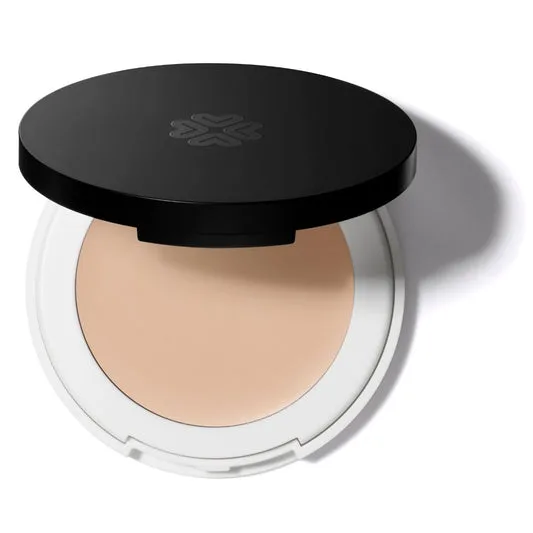
Illuminators can be used alone, mixed with foundation for an all-over glow, or applied on top of makeup for a targeted highlight. They are perfect for special occasions, evening events, or whenever you want to achieve a radiant, youthful complexion. For example, the https://lilylolostore.shop/products/lily-lolo-cream-illuminator-brilliance-291666Lily Lolo Cream Illuminator - Brilliance is a popular choice for a dewy, pearl-like sheen.
- Adds luminosity and radiance to the skin
- Available in liquid, cream, and powder formulas
- Apply to high points of the face for a natural glow
- Can be mixed with foundation for an all-over luminous effect
What is a Finishing Powder?
A finishing powder, also known as a setting powder, is used as the final step in your makeup routine to set your foundation and concealer, ensuring they stay in place throughout the day. It helps control oil, minimizes the appearance of pores, and creates a smooth, matte finish. Finishing powders can be translucent or tinted, and they come in loose or pressed forms.
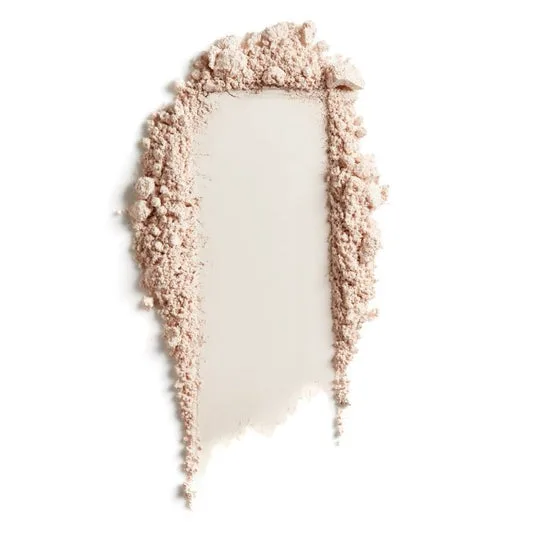
Unlike illuminators, finishing powders are not meant to add shine. Instead, they provide a soft-focus effect that blurs imperfections and reduces shine. They are essential for those with oily skin or for anyone who wants their makeup to last longer. The Lily Lolo Finishing Powder is a favorite for a natural, matte finish without looking cakey.
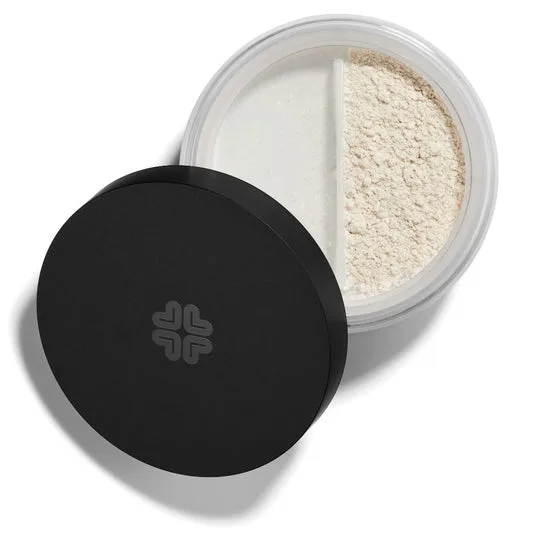
Lily Lolo Finishing Powder
- Sets makeup for long-lasting wear
- Controls oil and shine
- Blurs pores and fine lines
- Provides a matte or natural finish
Key Differences Between Illuminator and Finishing Powder
The primary difference lies in their purpose: illuminators enhance your features with light, while finishing powders refine and set your makeup. Illuminators are typically applied before or after foundation, whereas finishing powders are always the last step. Illuminators add glow, while finishing powders reduce shine.
Another difference is their texture and finish. Illuminators are often liquid or cream with a dewy finish, while finishing powders are finely milled and provide a matte or satin finish. They also differ in application: illuminators are dabbed onto specific areas, while finishing powders are dusted all over the face with a fluffy brush.
- Purpose: Glow vs. Set
- Timing: Before/after foundation vs. Last step
- Finish: Dewy vs. Matte
- Application: Targeted vs. All-over
When to Use Illuminator vs. Finishing Powder
Use an illuminator when you want to add a healthy, radiant glow to your skin. It's perfect for events, photoshoots, or any time you want to look fresh and awake. You can apply it to your cheekbones, brow bone, and the inner corners of your eyes to instantly brighten your face. For a subtle, everyday shimmer, you might also consider a product like the Lily Lolo Cream Illuminator - Brilliance.
On the other hand, use a finishing powder when you need your makeup to last all day without getting shiny. It's ideal for long workdays, weddings, or any occasion where you want a polished, matte look. A good finishing powder will keep your foundation in place and prevent it from sliding or creasing.
You can also use both together: apply your illuminator first for a glow, then set your makeup with a finishing powder, focusing on the T-zone to control shine while leaving the high points luminous.
- Illuminator: For a radiant, dewy look on special occasions
- Finishing powder: For a matte, long-lasting finish for daily wear
- Combine both: Apply illuminator, then set with powder for a balanced glow
How to Apply Illuminator and Finishing Powder
To apply an illuminator, use your fingertips, a damp beauty sponge, or a small brush. Dab a small amount onto the high points of your face and blend gently. For a more intense glow, layer it. You can also mix a drop with your foundation for an all-over luminous effect.
For finishing powder, use a fluffy brush or a powder puff. Dip the brush into the powder, tap off any excess, and dust it lightly over your face, focusing on the T-zone. For best results, use a pressing motion with a puff to set your makeup more firmly.
Remember, a little goes a long way with both products. Start with a small amount and build up to your desired effect.
- Illuminator: Apply with fingertips or a small brush to high points
- Finishing powder: Dust with a fluffy brush, focusing on the T-zone
- Build up gradually to avoid over-application
In summary, illuminators and finishing powders serve distinct roles in your makeup routine. Illuminators add a radiant glow, while finishing powders set your makeup and control shine. By understanding their differences and knowing when to use each, you can achieve a flawless finish for any occasion. Whether you prefer a dewy look or a matte one, incorporating both into your routine can give you the best of both worlds. Explore Lily Lolo's range of illuminators and finishing powders to find your perfect match and elevate your makeup game.