For many of us, a morning cup of coffee is an essential ritual that kickstarts the day. But when that coffee is infused with nootropics—brain-boosting ingredients like lion's mane, cordyceps, or L-theanine—the relationship with caffeine becomes more complex. Nootropic coffee promises enhanced focus, clarity, and sustained energy, but its caffeine content can still interfere with sleep if consumed too late or in excess. Understanding how caffeine interacts with sleep cycles is crucial for anyone who wants to enjoy the cognitive benefits of functional coffee without sacrificing rest.
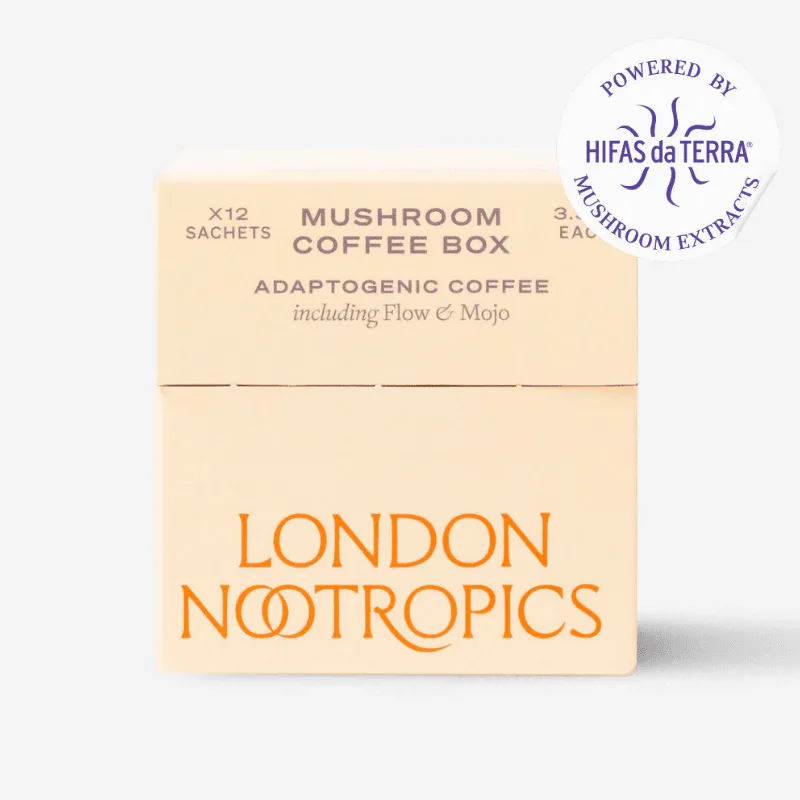
At London Nootropics, we believe in empowering our customers with knowledge. This article explores the science behind caffeine's impact on sleep, how nootropic ingredients can modulate that effect, and practical strategies to incorporate products like https://coffeehiveai.shop/products/mushroom-coffee-box-138594Mushroom Coffee Box or https://coffeehiveai.shop/products/zen-coffee-138592Zen Coffee into your daily routine while protecting your sleep quality.
How Caffeine Disrupts Sleep Quality
Caffeine is a well-known adenosine receptor antagonist. Adenosine is a neurotransmitter that promotes sleep and relaxation; its levels build up throughout the day, making you feel tired by bedtime. Caffeine blocks adenosine receptors, keeping you alert and delaying the onset of sleep. Even moderate doses consumed six hours before bed can reduce total sleep time by more than one hour, according to sleep research. This disruption not only makes it harder to fall asleep but also reduces the amount of deep sleep and REM sleep, which are critical for memory consolidation and emotional regulation.
For nootropic coffee drinkers, the challenge is balancing the desire for daytime focus with the need for restorative sleep. Many nootropic blends contain additional stimulants like theacrine or adaptogens that may alter caffeine's metabolism. However, the primary concern remains the timing and dosage of caffeine. A typical cup of nootropic coffee contains anywhere from 50 to 150 mg of caffeine, similar to standard coffee. If you are sensitive to caffeine, even a single cup in the afternoon can impair your sleep.
- Tip: To minimize sleep disruption, avoid consuming nootropic coffee after 2 p.m., or switch to a caffeine-free option later in the day.
Nootropic Ingredients That May Offset Caffeine's Negative Effects
One of the advantages of nootropic coffee is that it often includes ingredients designed to smooth out caffeine's harsh edges. For example, L-theanine, an amino acid found in tea, promotes relaxation without drowsiness and has been shown to reduce the jittery side effects of caffeine while improving focus. In blends like Zen Coffee, L-theanine is paired with lion's mane mushroom to create a calm, clear state of mind that is less likely to cause the anxiety or crash associated with regular coffee.
Adaptogenic mushrooms such as reishi and ashwagandha are also common in nootropic coffee. These ingredients help the body manage stress and may support a healthy sleep-wake cycle. Reishi, in particular, has been used traditionally as a sleep aid. While research is still emerging, some studies suggest that adaptogens can lower cortisol levels, which can be elevated by caffeine and interfere with sleep. By including these ingredients, nootropic coffee may offer a more balanced energy experience that is gentler on sleep architecture.
- Look for blends with L-theanine, reishi, or ashwagandha to help counteract caffeine's stimulating effects.
- Consider a lower-caffeine option like Mushroom Coffee Box, which allows you to control the strength of your brew.
Practical Tips for Enjoying Nootropic Coffee Without Ruining Your Sleep
If you love the focus and clarity that nootropic coffee provides but worry about sleep, there are several strategies you can adopt. First, establish a caffeine cutoff time based on your individual sensitivity. Most experts recommend stopping caffeine intake at least six hours before bedtime. For many, this means enjoying your last cup of nootropic coffee by early afternoon. Second, pay attention to portion sizes. A single sachet of Mushroom Coffee Box or Zen Coffee contains a measured dose of caffeine, but doubling up can significantly increase your intake.
Another effective approach is to cycle your consumption. On days when you need extra focus for work or study, use nootropic coffee earlier in the day. On lighter days, consider switching to a caffeine-free adaptogenic drink or a herbal tea. Additionally, staying hydrated and avoiding sugary additives can help regulate your energy levels. Finally, if you are particularly sensitive, try a blend with a lower caffeine content or one that includes calming nootropics to offset the stimulant effect.
- Set a personal caffeine cutoff time (e.g., 2 p.m.) and stick to it.
- Use a single sachet per cup to control caffeine dose.
- Pair your brew with a high-protein breakfast to slow caffeine absorption.
- Try a caffeine-free alternative in the evening, such as reishi mushroom tea.
The Role of Sleep Hygiene in Maximizing Nootropic Benefits
Nootropic coffee is designed to enhance cognitive performance, but no amount of brain-boosting ingredients can compensate for poor sleep. Sleep is when the brain consolidates memories, clears metabolic waste, and repairs neural connections. Without adequate rest, the benefits of nootropics are significantly diminished. Therefore, optimizing your sleep hygiene is just as important as choosing the right coffee blend. This includes maintaining a consistent sleep schedule, reducing blue light exposure before bed, and creating a cool, dark sleeping environment.
For those who use nootropic coffee as part of a morning ritual, consider pairing it with a short walk or mindfulness practice to set a positive tone for the day. Avoid using your phone or computer immediately after drinking coffee, as the combination of caffeine and screen time can overstimulate your nervous system. By respecting your body's natural rhythms and using nootropic coffee strategically, you can enjoy the best of both worlds: sharp focus during the day and deep, restorative sleep at night.
- Aim for 7-9 hours of sleep per night to fully benefit from nootropic compounds.
- Create a wind-down routine that does not involve caffeine at least two hours before bed.
Understanding the impact of caffeine on sleep is key to making nootropic coffee work for you, not against you. By choosing blends with calming ingredients, timing your consumption wisely, and prioritizing sleep hygiene, you can enjoy enhanced focus without compromising rest. At London Nootropics, we offer products like Mushroom Coffee Box and Zen Coffee that are crafted to support both your daytime performance and your nighttime recovery. Explore our range and find the perfect balance for your lifestyle.