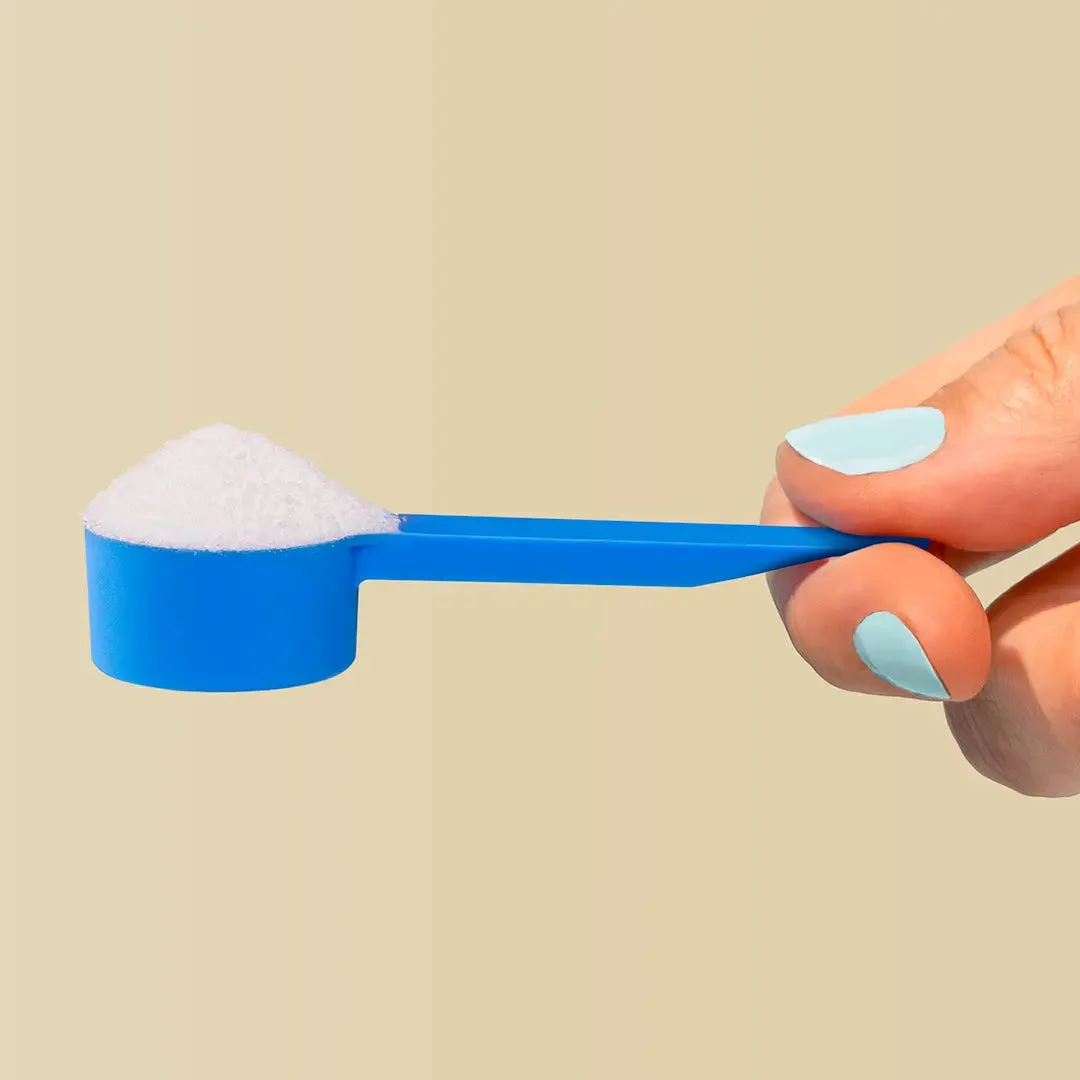
You’ve likely felt it: the mid-afternoon brain fog, the struggle to concentrate during a long meeting, or the sluggishness that follows a night of poor sleep. While many blame caffeine or lack of rest, a hidden culprit often goes unnoticed—dehydration. Your brain is about 75% water, and even a 1–2% loss of body water can impair cognitive functions like attention, memory, and decision-making. Understanding the connection between hydration and mental performance is crucial for anyone looking to stay sharp throughout the day.
In this article, we’ll explore how dehydration affects your brain, the science behind electrolyte balance, and practical strategies to maintain optimal cognitive hydration. Whether you’re a student, a busy professional, or an athlete, keeping your brain hydrated is one of the simplest ways to boost mental clarity and productivity.
The Science of Brain Hydration: Why Water Matters for Cognition
Your brain is a highly metabolic organ, consuming about 20% of your body’s energy and relying on a steady supply of water, oxygen, and nutrients. Water facilitates the electrical signaling between neurons, helps transport neurotransmitters, and maintains the structure of brain cells. When you’re dehydrated, the brain’s cells actually shrink, and the fluid balance in the blood changes, reducing blood flow and oxygen delivery. This can lead to slower reaction times, reduced concentration, and impaired short-term memory.
Research consistently shows that even mild dehydration—equivalent to losing just 1–2% of body weight through sweat or insufficient fluid intake—can measurably degrade cognitive performance. A study published in the Journal of Nutrition found that dehydrated participants performed worse on tasks requiring attention, psychomotor skills, and memory. Another study from the University of Connecticut revealed that dehydration can negatively affect mood, increasing feelings of fatigue, confusion, and tension. The takeaway is clear: staying hydrated is not just about physical health—it’s essential for mental sharpness.
- Dehydration of 1–2% body weight can reduce attention span and working memory.
- Electrolytes like sodium, potassium, and magnesium help regulate nerve impulses and fluid balance in the brain.
- Hydration mixes with electrolytes can replenish lost minerals more effectively than water alone.
How Dehydration Impairs Focus, Memory, and Decision-Making
Imagine trying to solve a complex problem while your brain is running on low battery. That’s what mild dehydration feels like for your neurons. The prefrontal cortex—the area responsible for executive functions like planning, reasoning, and impulse control—is especially sensitive to fluid loss. As a result, dehydrated individuals often struggle with sustained attention, multitasking, and making sound decisions under pressure. This can have real-world consequences, from poor test scores to reduced workplace productivity.
Memory is also vulnerable. Dehydration impacts the hippocampus, a region critical for forming new memories and retrieving old ones. In one study, young adults who were mildly dehydrated showed significant declines in visual memory and spatial awareness. For older adults, chronic dehydration is linked to faster cognitive decline and an increased risk of dementia. The good news? Rehydrating with water and electrolytes can reverse these effects within minutes to hours, restoring mental clarity and focus. Products like Hydrant Hydrate provide a balanced blend of electrolytes and glucose to help your brain rehydrate efficiently.
- Dehydration reduces blood flow to the brain, impairing decision-making and reaction time.
- Even a 2% fluid loss can cause headaches, brain fog, and irritability.
- Electrolyte-enhanced hydration supports faster rehydration than plain water.
Electrolytes: The Unsung Heroes of Cognitive Hydration
Water alone isn’t always enough to restore optimal brain function, especially after sweating, illness, or a long night. Electrolytes—charged minerals like sodium, potassium, calcium, and magnesium—are essential for nerve transmission and maintaining the electrical gradient across cell membranes. When you’re dehydrated, your electrolyte balance is disrupted, which can further impair cognitive processes. Sodium helps retain water in the bloodstream, while potassium supports nerve signaling and muscle function.
Magnesium, in particular, plays a key role in brain health. It helps regulate neurotransmitters, reduces stress, and supports quality sleep—all of which are critical for cognitive performance. Many hydration mixes, including Hydrant’s range, include magnesium along with other electrolytes to target both physical and mental hydration. For example, Hydrant ENERGY combines caffeine with L-theanine for a jitter-free focus boost, while Hydrant SLEEP uses melatonin and chamomile to promote restorative rest that supports next-day cognition. Choosing the right electrolyte formula can make a noticeable difference in how your brain performs throughout the day.
- Sodium and potassium are critical for nerve impulse transmission and brain cell communication.
- Magnesium supports relaxation, stress reduction, and better sleep quality.
- Hydration mixes with electrolytes can be more effective than water alone for cognitive recovery.
Practical Tips to Keep Your Brain Hydrated All Day
Maintaining optimal brain hydration doesn’t require drastic changes—just a few mindful habits. Start your morning with a glass of water, as your body naturally becomes dehydrated overnight. Throughout the day, sip water regularly rather than chugging large amounts at once. If you’re active, sweating, or in a hot environment, increase your fluid intake and consider an electrolyte supplement to replace lost minerals. Keep a reusable water bottle at your desk and set reminders if you tend to forget.
Pay attention to your body’s cues: thirst, dark urine, headaches, or difficulty concentrating are all signs you may need to hydrate. For an extra cognitive boost, try a hydration mix like Hydrant Hydrate, which offers a rapid rehydration formula with optimal electrolyte ratios. If you’re looking for sustained energy without the crash, Hydrant ENERGY can help you stay focused and alert. And don’t forget sleep—dehydration can disrupt your sleep cycle, so a product like Hydrant SLEEP can support both hydration and rest. By making hydration a priority, you’ll not only feel better physically but also think more clearly and perform at your best.
- Drink water first thing in the morning to rehydrate after sleep.
- Use electrolyte mixes during exercise, travel, or illness to maintain cognitive function.
- Monitor urine color as a simple hydration check—pale yellow is ideal.
Your brain depends on water and electrolytes to function at its peak. By staying consistently hydrated and choosing the right hydration products, you can improve your focus, memory, and overall mental performance. Explore Hydrant Hydrate to find a rapid hydration mix that supports your cognitive health and daily productivity.