Coffee is one of the most complex beverages in the world, with flavor profiles that can range from bright and fruity to deep and chocolatey. While roast level, brewing method, and origin all play a role, one of the most influential—and often overlooked—factors is the altitude at which the coffee is grown.
Altitude impacts everything from bean density and chemical composition to the rate at which the coffee cherry matures. In this article, we’ll explore how elevation shapes the flavors in your cup, why high-altitude coffee is prized by specialty roasters, and how you can choose beans that match your taste preferences.
How Altitude Affects Coffee Plant Growth
Coffee plants thrive in tropical climates, but the altitude of the farm significantly influences growing conditions. At higher elevations—typically above 1,200 meters (about 4,000 feet)—temperatures are cooler, which slows down the maturation of coffee cherries. This extended ripening period allows the beans to develop more complex sugars and acids, resulting in a brighter, more nuanced flavor profile.
In contrast, coffee grown at lower altitudes matures faster due to warmer temperatures. The beans tend to be less dense and often produce a heavier, earthier cup with lower acidity. While low-altitude coffee can still be enjoyable, it generally lacks the vibrant fruit and floral notes that specialty coffee drinkers seek.
- High altitude (1,200–2,000 m): bright acidity, floral and fruity notes, complex flavors
- Medium altitude (800–1,200 m): balanced acidity, moderate body, sweet and nutty tones
- Low altitude (below 800 m): low acidity, full body, earthy and chocolatey flavors
The Science Behind Density and Flavor
One of the key reasons altitude affects flavor is bean density. Coffee beans grown at higher elevations are denser because the cooler air forces the plant to produce more structural compounds to survive. Denser beans contain higher concentrations of sugars, acids, and aromatic precursors, which translate into a more vibrant and complex cup when roasted properly.
For home baristas, this means that high-altitude coffees often require a slightly different approach to grinding and brewing. A grinder like the WatchHouse Comandante C40 MK4 Grinder can help you achieve the consistent particle size needed to extract the full potential of dense beans. Pair it with a precise kettle, such as the Fellow Stagg EKG Electric Kettle, to control water temperature and pour rate for optimal extraction.
Flavor Profiles by Altitude: What to Expect
Coffee from high-altitude regions like Ethiopia, Colombia, and Kenya is famous for its bright acidity and complex fruit notes. You might taste citrus, berry, jasmine, or wine-like characteristics. These beans are often light-roasted to preserve their delicate flavors and are a favorite among specialty coffee enthusiasts.
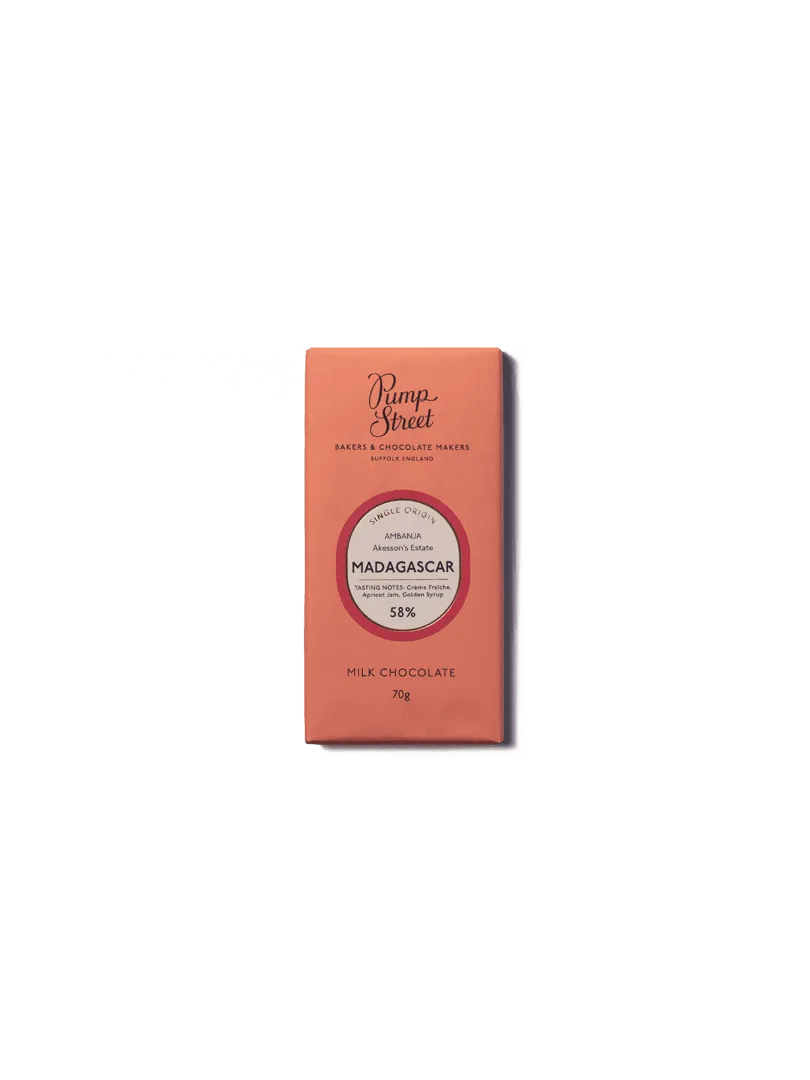
Medium-altitude coffees, commonly found in Brazil and Central America, offer a more balanced profile. They typically have moderate acidity, a medium body, and notes of chocolate, caramel, or nuts. Low-altitude coffees from regions like Vietnam or Indonesia are known for their heavy body, low acidity, and earthy, spicy, or chocolatey flavors. For those who enjoy a rich, comforting cup, a low-altitude coffee paired with a bar of Pump Street Madagascar 58% milk chocolate can create a delightful tasting experience.
- High altitude: bright, fruity, floral, wine-like
- Medium altitude: balanced, sweet, nutty, chocolatey
- Low altitude: full-bodied, earthy, spicy, low acidity
How to Choose Coffee Based on Altitude
When shopping for specialty coffee, look for information about the farm’s elevation on the bag or product description. Many roasters proudly display this data because it signals quality. If you enjoy bright, complex flavors, seek out coffees grown above 1,500 meters. If you prefer a smoother, more chocolatey cup, beans from lower elevations might be your go-to.
Altitude also influences how you should store and grind your coffee. Dense high-altitude beans stay fresh longer when stored in an airtight container like the Miron Jar, which protects them from light and moisture. For brewing, a finer grind and slightly higher water temperature can help extract the full flavor from these dense beans.

Miron Jar
Whether you’re a seasoned coffee lover or just beginning to explore the world of specialty coffee, understanding the role of altitude can help you make more informed choices and deepen your appreciation for the craft. Next time you’re selecting beans, consider trying a high-altitude single origin to experience the bright, complex flavors that elevation can unlock. And if you’re ready to elevate your brewing setup, explore the WatchHouse Comandante C40 MK4 Grinder for precision grinding that brings out the best in every bean.