Coffee lovers often hear about origin, roast level, and processing method, but one of the most influential factors in a coffee's flavor profile is the altitude at which the beans are grown. Altitude affects everything from bean density and sugar development to acidity and aroma. Understanding this relationship can help you select coffees that match your taste preferences and brew them to perfection.
In this article, we explore how elevation shapes coffee flavor, break down the characteristics of high, medium, and low altitude coffees, and offer practical tips for choosing and brewing beans from different growing regions. Whether you're a home barista or an office coffee manager, altitude knowledge will elevate your coffee game.
How Altitude Affects Coffee Plant Growth and Bean Density
Coffee plants (Coffea arabica and Coffea canephora) thrive in specific climatic conditions. Altitude directly influences temperature, rainfall, and sunlight exposure. Higher elevations—typically above 1,200 metres (4,000 feet)—offer cooler nights and slower bean maturation. This extended growing period allows the coffee cherry to develop more complex sugars and acids, resulting in denser, more flavourful beans. Lower altitudes produce faster growth, leading to softer beans with milder, often earthier profiles.
Bean density is a key quality indicator. Dense beans (often called "hard beans" in Central America) are prized for their ability to retain flavour during roasting. They require careful roasting to avoid scorching, but reward roasters with bright acidity, floral notes, and pronounced sweetness. Low-altitude beans, while easier to roast, tend to lack the same complexity. For example, a high-altitude single origin like Hermosa - Costa Rica showcases the vibrant, clean flavours that come from slow maturation at elevation.
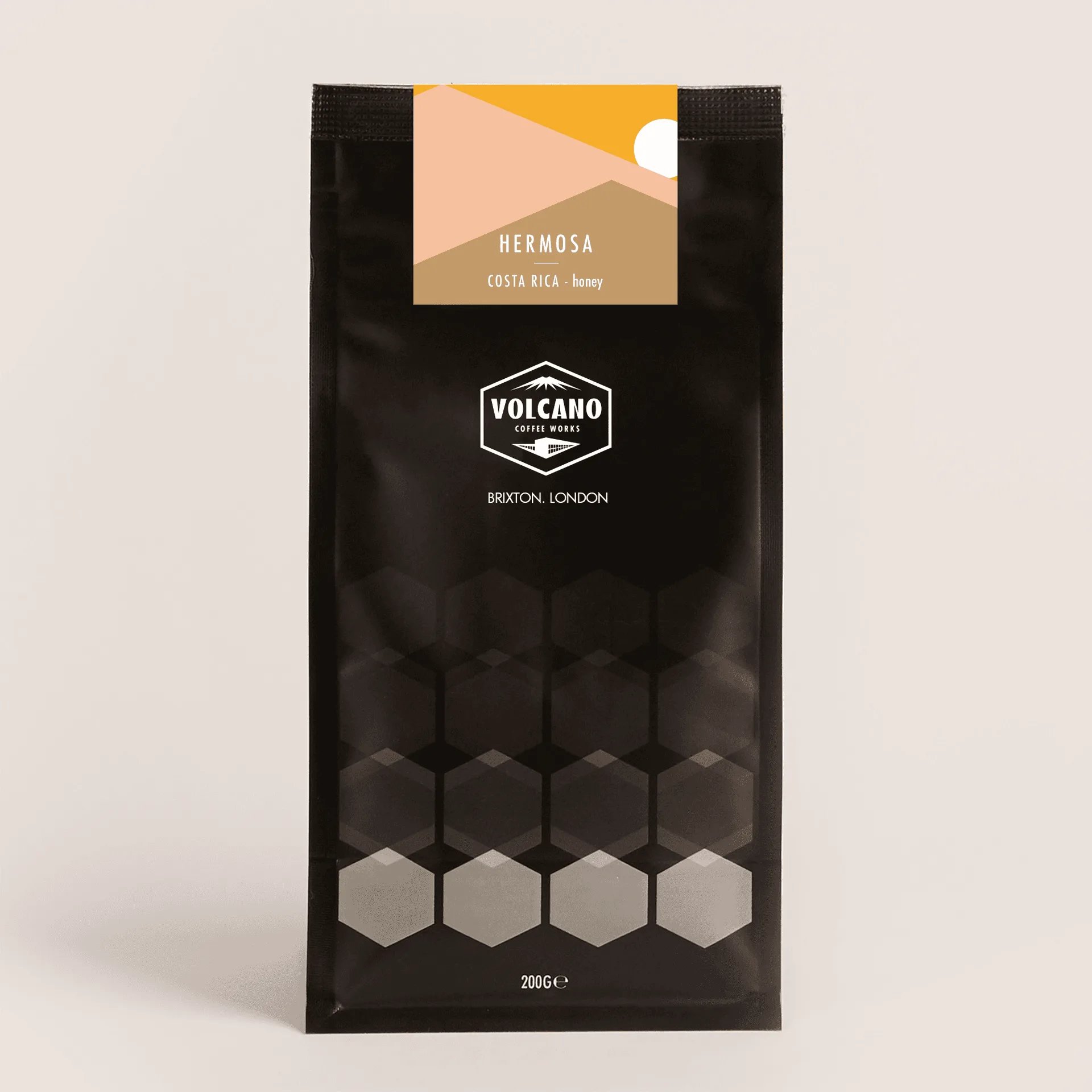
Hermosa - Costa Rica
- High altitude (1,200m+): Dense beans, complex acidity, floral and fruity notes
- Medium altitude (800–1,200m): Balanced body and acidity, often nutty or chocolatey
- Low altitude (under 800m): Softer beans, earthy or woody flavours, lower acidity
Flavour Profiles by Altitude: What to Expect from Your Cup
High-altitude coffees (1,200–2,000m) are celebrated for their bright, wine-like acidity and layered flavour notes. You might encounter hints of citrus, berry, jasmine, or stone fruit, depending on the region and processing method. These coffees often have a sparkling, clean finish and a light to medium body. They are ideal for pour-over methods like the Aeropress, which can highlight their delicate characteristics without overwhelming them.
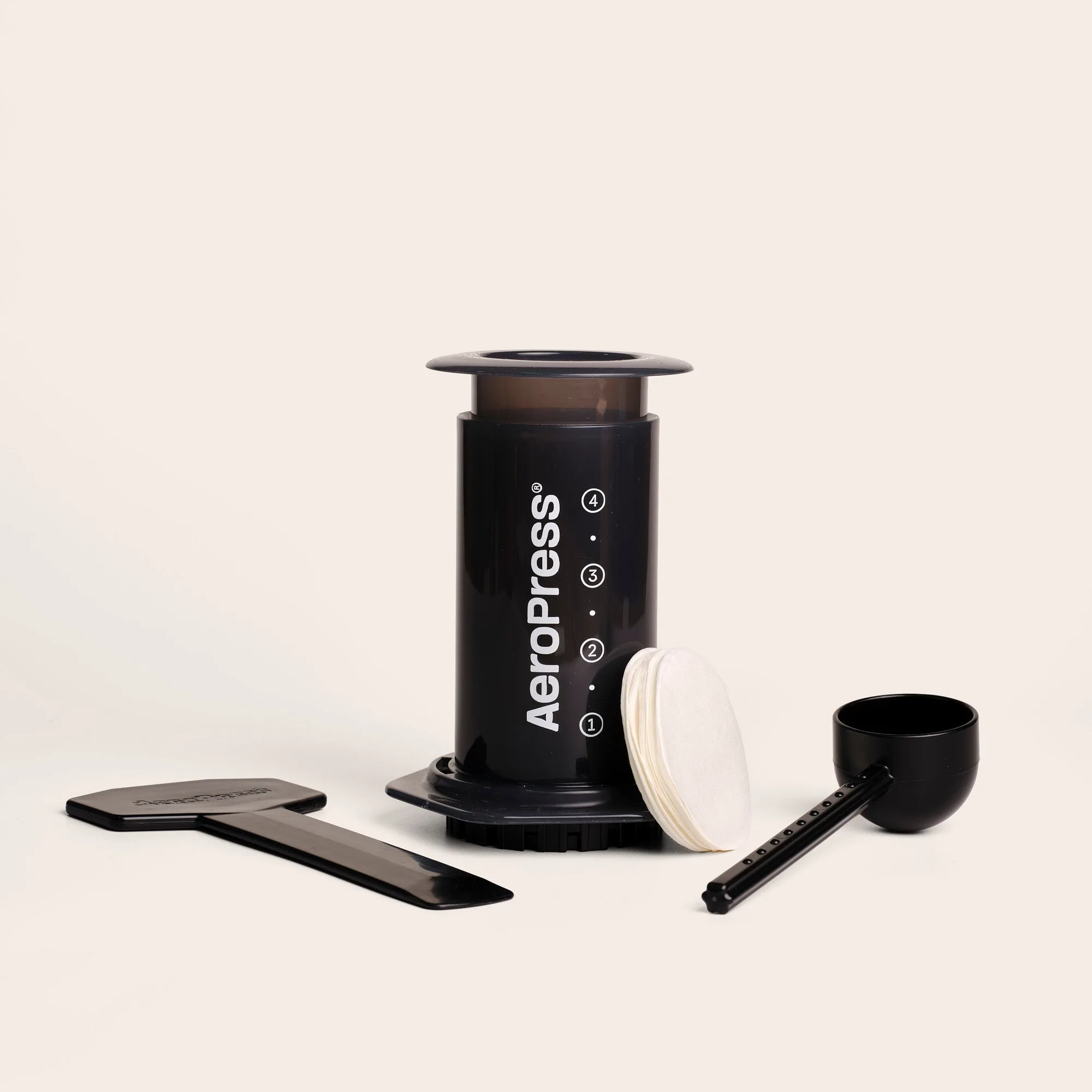
Aeropress
Medium-altitude coffees (800–1,200m) strike a balance between acidity and body. They often present nutty, chocolatey, or caramel flavours with a smooth mouthfeel. These beans are versatile and work well for espresso, drip coffee, or milk-based drinks. Many popular blends, including The Brixton, use beans from medium altitudes to create a crowd-pleasing profile that is both approachable and satisfying.
Low-altitude coffees (under 800m) tend to be full-bodied with low acidity and earthy, woody, or spicy notes. They are often used in espresso blends to add crema and body, or in dark roasts for a bold, robust cup. While they lack the complexity of high-altitude beans, they offer consistent, comforting flavours that many coffee drinkers enjoy.
Altitude and Coffee Growing Regions Around the World
Altitude varies significantly across coffee-growing regions. Ethiopia's Yirgacheffe region sits at 1,700–2,200 metres, producing some of the world's most aromatic, floral coffees. Colombia's highlands (1,200–1,800m) yield beans with bright acidity and caramel sweetness. Costa Rica's Tarrazú region (1,200–1,800m) is famous for its clean, balanced cups. In contrast, Brazilian coffees are often grown at lower altitudes (600–1,200m), resulting in nutty, chocolatey profiles with lower acidity.
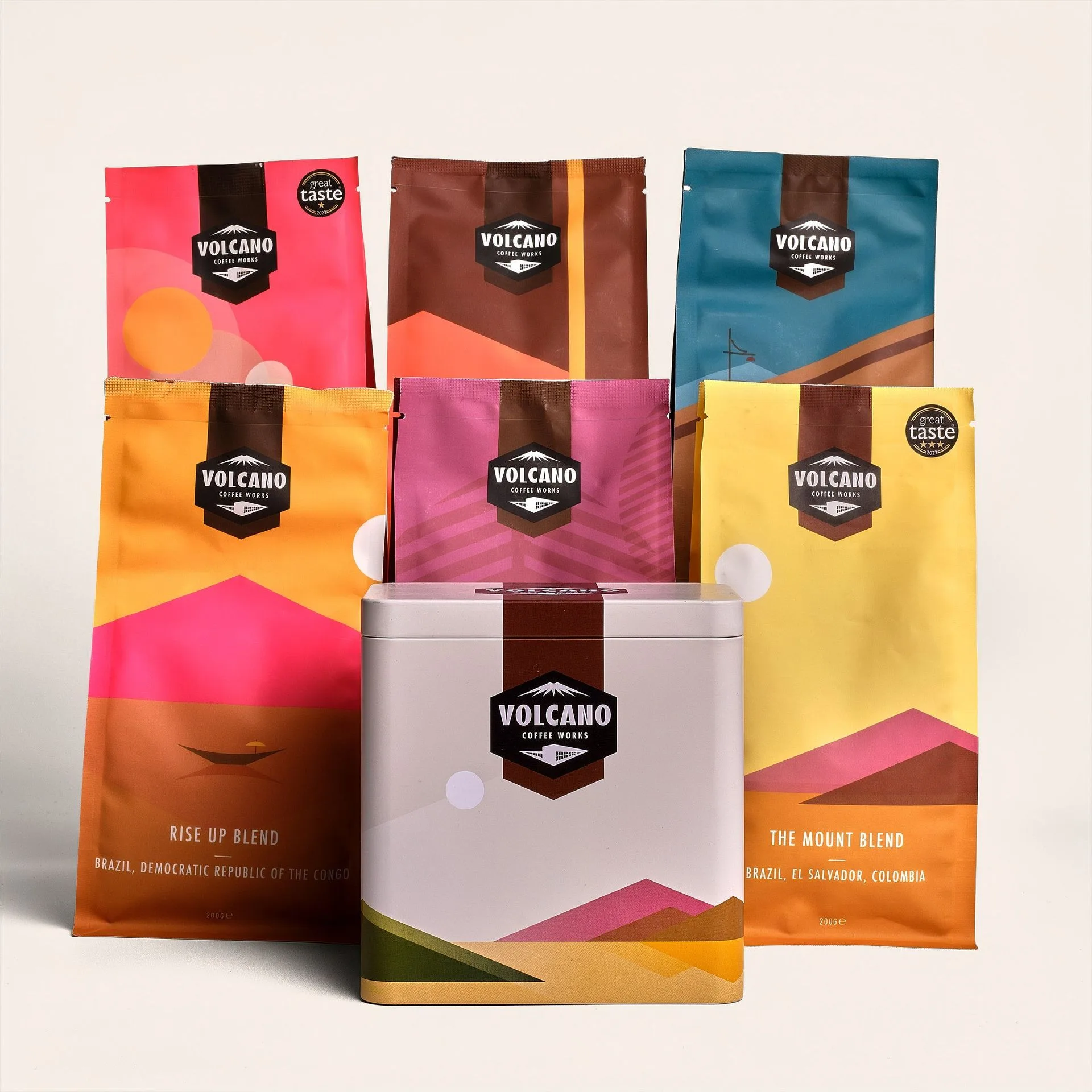
Roasters often highlight altitude on packaging to guide consumers. At Volcano Coffee Works, we source beans from diverse elevations to offer a wide range of flavour experiences. For instance, our single-origin offerings like Hermosa - Costa Rica come from high-altitude farms, while blends like The Brixton combine beans from multiple altitudes to achieve a harmonious balance. Understanding the origin's altitude can help you predict the cup's character before you even brew.
- Ethiopia: 1,500–2,200m – floral, fruity, tea-like
- Colombia: 1,200–1,800m – bright, caramel, medium body
- Costa Rica: 1,200–1,800m – clean, balanced, citrus
- Brazil: 600–1,200m – nutty, chocolatey, low acidity
Brewing Tips for High-Altitude vs Low-Altitude Coffees
High-altitude coffees, with their dense beans and delicate flavours, benefit from a finer grind and slightly cooler water (around 92–94°C) to avoid over-extraction. Use a pour-over or Aeropress to highlight clarity and acidity. For low-altitude coffees, a coarser grind and hotter water (96–98°C) can help extract more body and sweetness. Espresso machines also work well with medium-to-low altitude beans, as they produce a rich crema.
If you're exploring high-altitude coffees for the first time, start with a light or medium roast to preserve their unique notes. Avoid over-roasting, which can mask the delicate flavours. For low-altitude beans, a medium-dark or dark roast can enhance their chocolatey or nutty characteristics. Experiment with grind size and brew time to find the sweet spot for each bean.
- High-altitude: finer grind, cooler water, pour-over or Aeropress
- Low-altitude: coarser grind, hotter water, espresso or French press
Altitude is a powerful yet often overlooked factor in coffee flavour. By understanding how elevation influences bean density, acidity, and aroma, you can make more informed choices when selecting your next bag. Whether you crave the bright, complex notes of a high-altitude single origin or the comforting richness of a lower-altitude blend, Volcano Coffee Works has a roast for you. Explore our range of single-origin and blended coffees to discover your perfect altitude match.