When it comes to weight management, protein often takes center stage. From fitness enthusiasts to nutrition scientists, the consensus is clear: a protein-rich diet can significantly influence your ability to lose fat, maintain muscle, and feel fuller for longer. But what does the research actually say? In this article, we dive into the science behind protein and weight loss, exploring how this macronutrient impacts metabolism, appetite, and body composition.
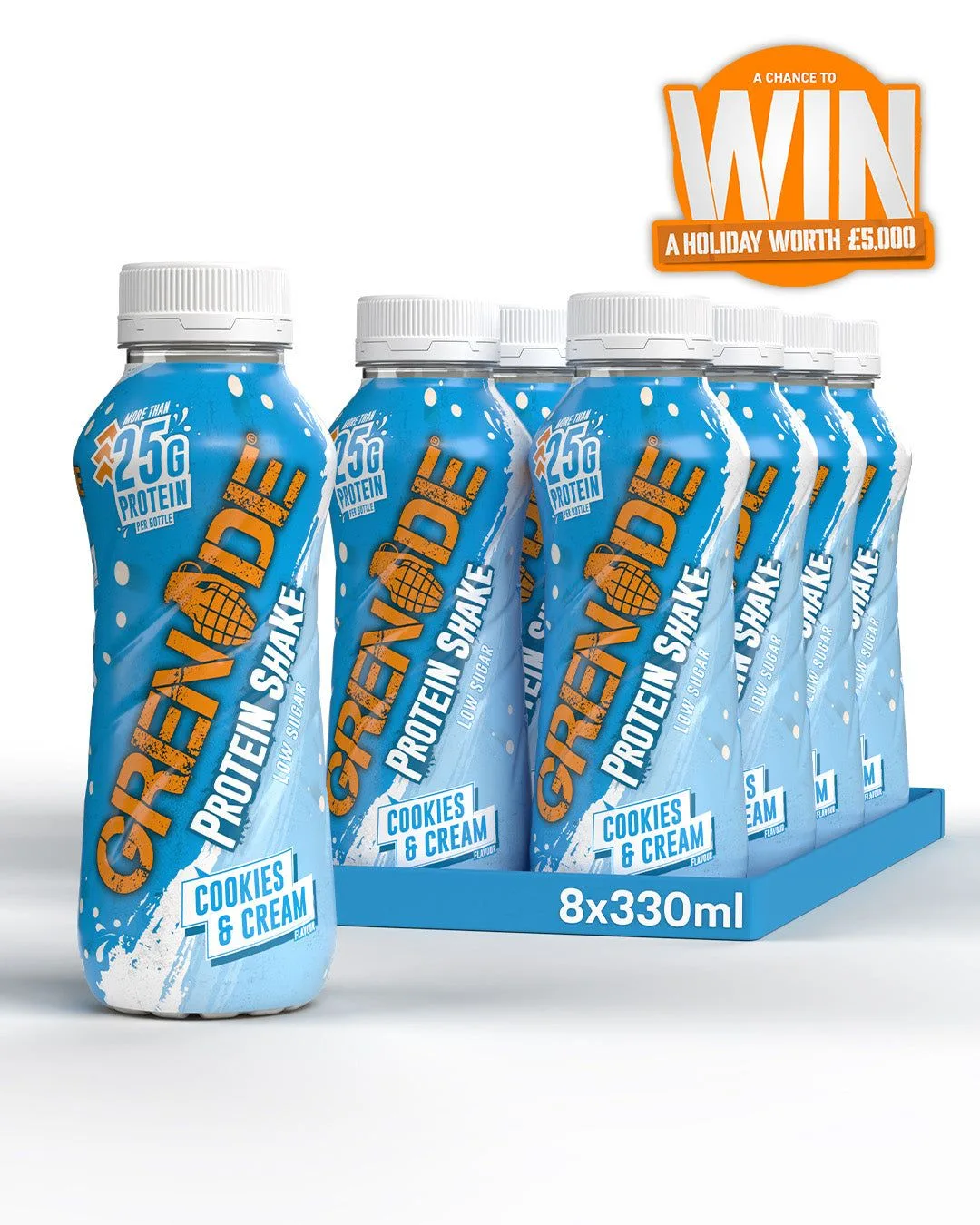
Whether you are looking to shed a few pounds or simply optimize your daily nutrition, understanding the mechanisms at play can help you make smarter choices. We will also highlight practical ways to incorporate high-quality protein sources into your routine, including convenient options like the Cookies and Cream Protein Shake (8 Pack) 330ml and the OREO Protein Bar, which are backed by both taste and nutritional value.
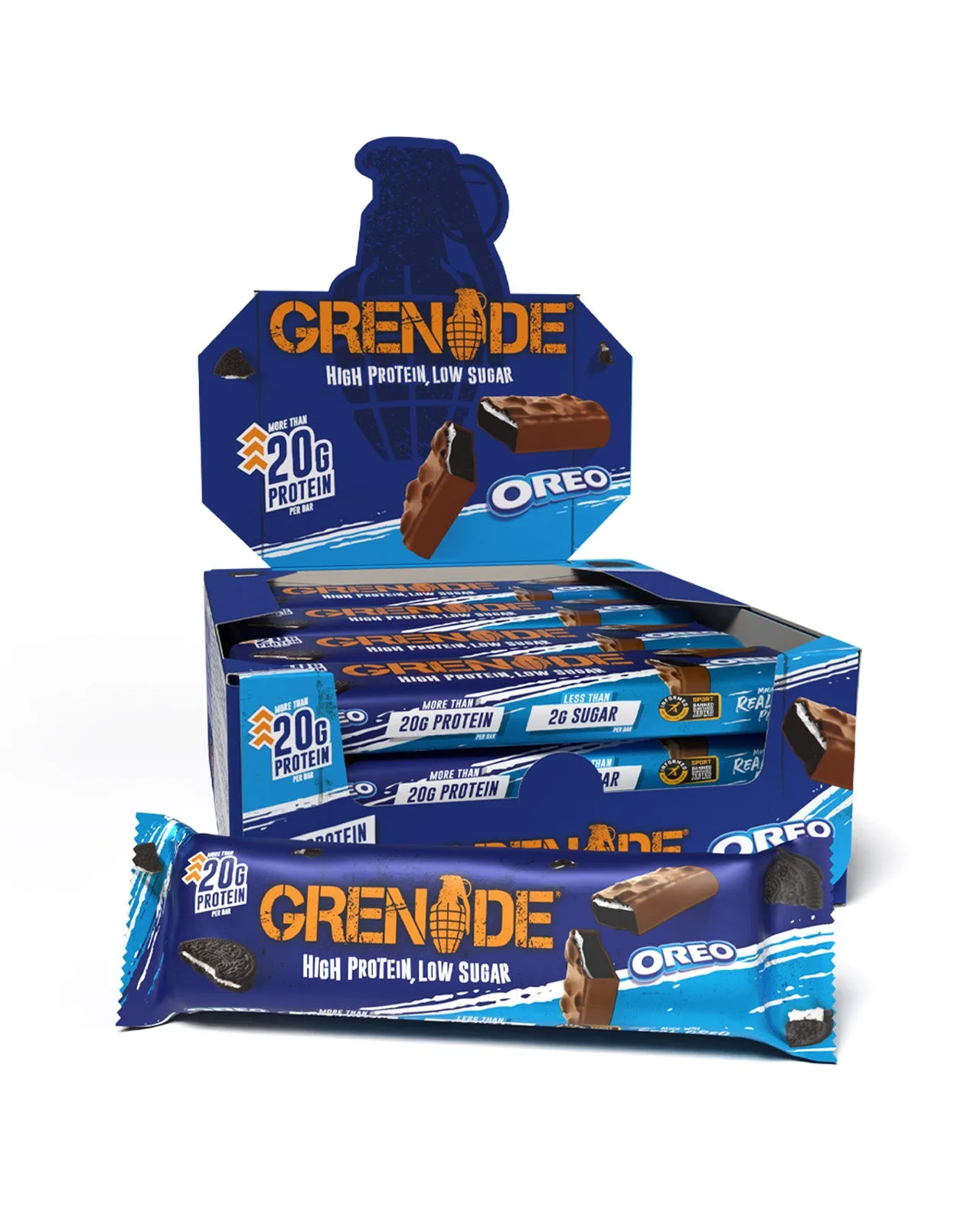
OREO Protein Bar
How Protein Boosts Metabolism and Fat Burning
One of the most well-documented benefits of protein is its thermic effect of food (TEF). When you consume protein, your body burns more calories digesting and metabolizing it compared to fats or carbohydrates. Studies show that protein has a TEF of 20-30%, meaning that up to 30% of the calories from protein are used during digestion. In contrast, carbs and fats have TEFs of 5-15% and 0-3%, respectively. This metabolic boost can translate into an extra 80-100 calories burned per day on a high-protein diet.
Additionally, protein plays a crucial role in preserving lean muscle mass during weight loss. When you reduce calorie intake, your body may break down muscle for energy. A high-protein diet helps counteract this muscle loss, ensuring that the weight you lose comes primarily from fat. This is especially important because muscle tissue burns more calories at rest than fat tissue, so maintaining muscle supports a higher resting metabolic rate.
- Tip: Aim to include a source of protein in every meal to maximize TEF and muscle preservation.
The Role of Protein in Appetite Control
Feeling hungry while dieting is one of the biggest challenges in weight management. Protein has been shown to reduce levels of ghrelin, the hunger hormone, while increasing satiety hormones like peptide YY and GLP-1. This hormonal shift helps you feel fuller for longer, reducing the likelihood of snacking on high-calorie foods. A 2015 meta-analysis published in the American Journal of Clinical Nutrition found that high-protein diets significantly decrease hunger and increase fullness compared to standard protein diets.
Practical ways to incorporate protein for appetite control include starting your day with a protein-rich breakfast or using convenient bottled shakes between meals. For example, the Cookies and Cream Protein Shake (8 Pack) 330ml offers 20g of protein per serving in a ready-to-drink format, making it easy to curb cravings on the go. Similarly, protein bars like the OREO Protein Bar provide a satisfying snack that combines taste with nutrition, helping you stay on track without feeling deprived.
- Tip: Keep a protein shake or bar in your bag for emergency hunger pangs during busy days.
Scientific Evidence: High-Protein Diets and Weight Loss
Numerous controlled trials have compared high-protein diets to standard protein diets for weight loss. A landmark 12-month study published in the New England Journal of Medicine found that participants on a high-protein diet lost more weight and body fat than those on a conventional low-fat diet. Another study in the Journal of Nutrition reported that increasing protein intake from 15% to 30% of total calories led to a significant reduction in calorie intake and body weight over 12 weeks, without intentional restriction.
The key takeaway is that protein helps create a natural calorie deficit by reducing appetite and boosting metabolism. However, not all protein sources are equal. Whole foods like lean meat, eggs, and legumes are excellent, but convenient options can also fit into a balanced diet. For instance, the OREO Protein Bar combines 20g of protein with a taste that satisfies sweet cravings, making it easier to adhere to a weight management plan. Meanwhile, the Cookies and Cream Protein Shake (8 Pack) 330ml offers a portable solution for post-workout recovery or a mid-afternoon snack.
- Tip: Combine protein sources with fiber-rich vegetables for even greater satiety and nutrient density.
Practical Strategies to Boost Protein Intake
Increasing your protein intake doesn't have to be complicated. Start by calculating your needs: most weight management guidelines recommend 1.2 to 1.6 grams of protein per kilogram of body weight per day. For a 70kg person, that's 84-112 grams daily. Spread this across 3-4 meals and snacks to optimize muscle protein synthesis and appetite control.
Incorporate protein into every meal: add eggs or Greek yogurt to breakfast, include chicken or fish at lunch and dinner, and use protein bars or shakes as snacks. The OREO Protein Bar is a versatile option that can be eaten before or after workouts, or as a dessert alternative. For those who prefer liquids, the Cookies and Cream Protein Shake (8 Pack) 330ml is a no-prep solution that fits seamlessly into a busy lifestyle. Remember to choose products with minimal added sugars and artificial ingredients for the best health outcomes.
- Tip: Experiment with different protein sources to keep meals interesting and prevent dietary boredom.
The science is clear: protein is a powerful ally in weight management. By boosting metabolism, controlling appetite, and preserving muscle, a high-protein diet can help you achieve sustainable fat loss. Whether you choose whole foods or convenient supplements like the Cookies and Cream Protein Shake (8 Pack) 330ml, making protein a priority is a smart, evidence-based strategy. Start small, stay consistent, and let your body reap the benefits.