Every year, humanity produces over 400 million tons of plastic, with roughly half designed for single-use purposes. Among the most pervasive contributors to this crisis are disposable water bottles, which account for an estimated 1 million bottles purchased every minute globally. The environmental toll is staggering: plastic bottles take up to 450 years to decompose, leaching microplastics and toxic chemicals into soil and waterways. In response, a growing number of environmentally conscious consumers are turning to water filters as a practical, scalable solution to reduce their plastic footprint.
LifeStraw, a brand synonymous with portable water purification, has emerged as a key player in this movement. By enabling people to safely drink from natural sources or tap water, LifeStraw products eliminate the need for single-use plastic bottles during hikes, commutes, travel, and even daily home use. This article examines how water filters—particularly LifeStraw’s range of products—directly combat plastic waste, from the trail to the kitchen counter, and why choosing a reusable filtration system is one of the most impactful sustainability decisions an individual can make.
The Plastic Bottle Problem: Why Water Filters Matter
Single-use plastic bottles are an environmental paradox: they provide convenient access to clean water, yet their production consumes fossil fuels, their transportation generates carbon emissions, and their disposal clogs landfills and oceans. According to the United Nations Environment Programme, less than 10% of all plastic ever produced has been recycled. The rest ends up in the environment or incinerators, contributing to air pollution and climate change. Water filters offer a direct alternative by allowing people to refill reusable bottles from any safe source, dramatically reducing the demand for bottled water.
The impact of switching from bottled water to a filtered reusable system is measurable. A single person using a water filter and reusable bottle can prevent hundreds of plastic bottles from entering the waste stream each year. When scaled across millions of users, the cumulative reduction in plastic production, transportation emissions, and landfill burden becomes significant. LifeStraw’s mission—to provide safe drinking water anywhere—aligns perfectly with this waste-reduction goal, as their filters are designed for repeated, long-term use.
LifeStraw’s Role in a Circular Hydration Economy
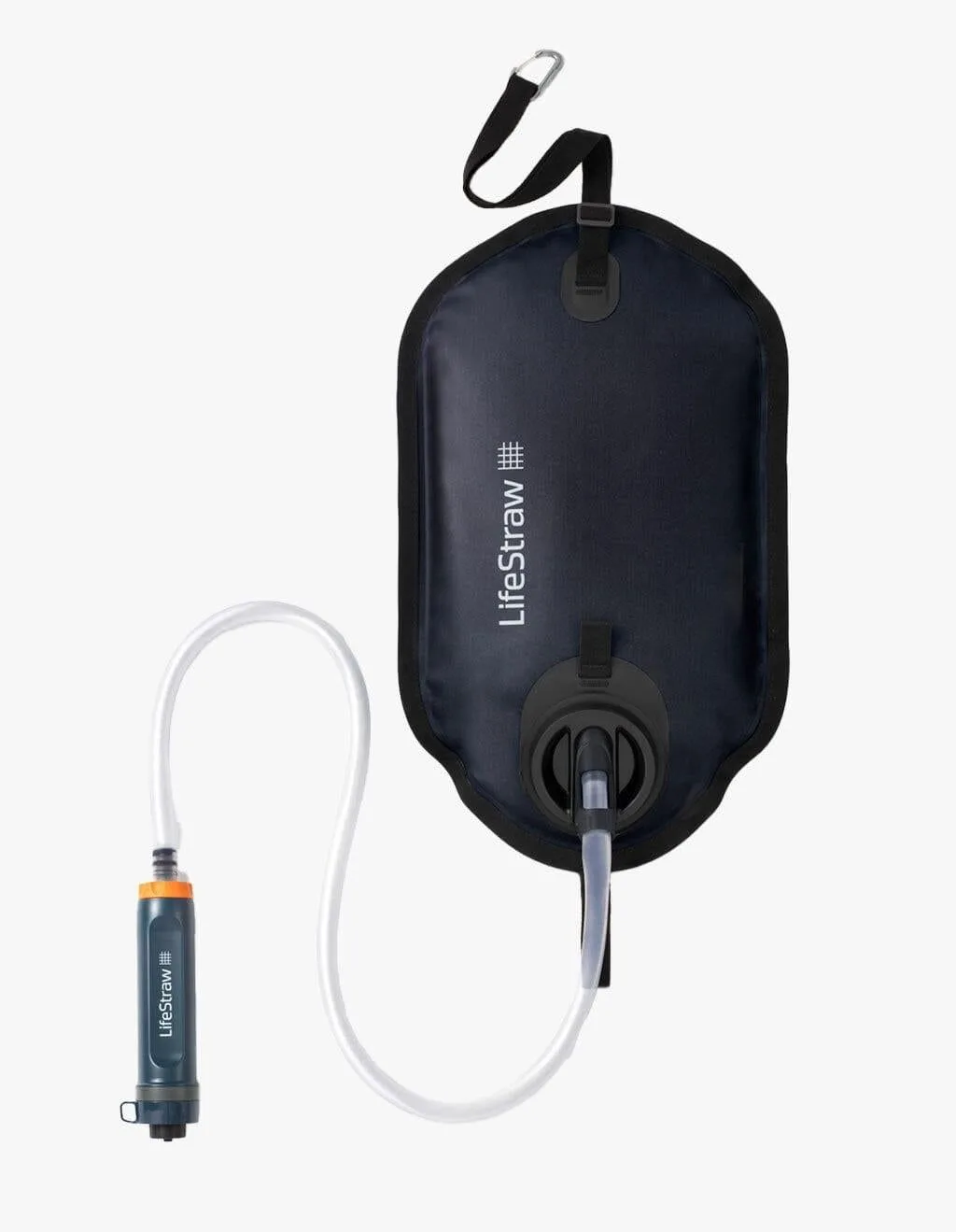
LifeStraw’s product ecosystem encourages a shift from a linear 'take-make-dispose' model to a circular one where durable, reusable components replace disposables. For example, the LifeStraw Go Series Replacement Filter - 1 Year pack allows users to extend the life of their bottle year after year, rather than discarding the entire system. Similarly, the LifeStraw Peak Series Gravity Water Filter System with Safe Water Storage - 8L + 8L provides a large-volume, reusable solution for families or groups, eliminating the need for countless gallon jugs on camping trips or during emergencies.
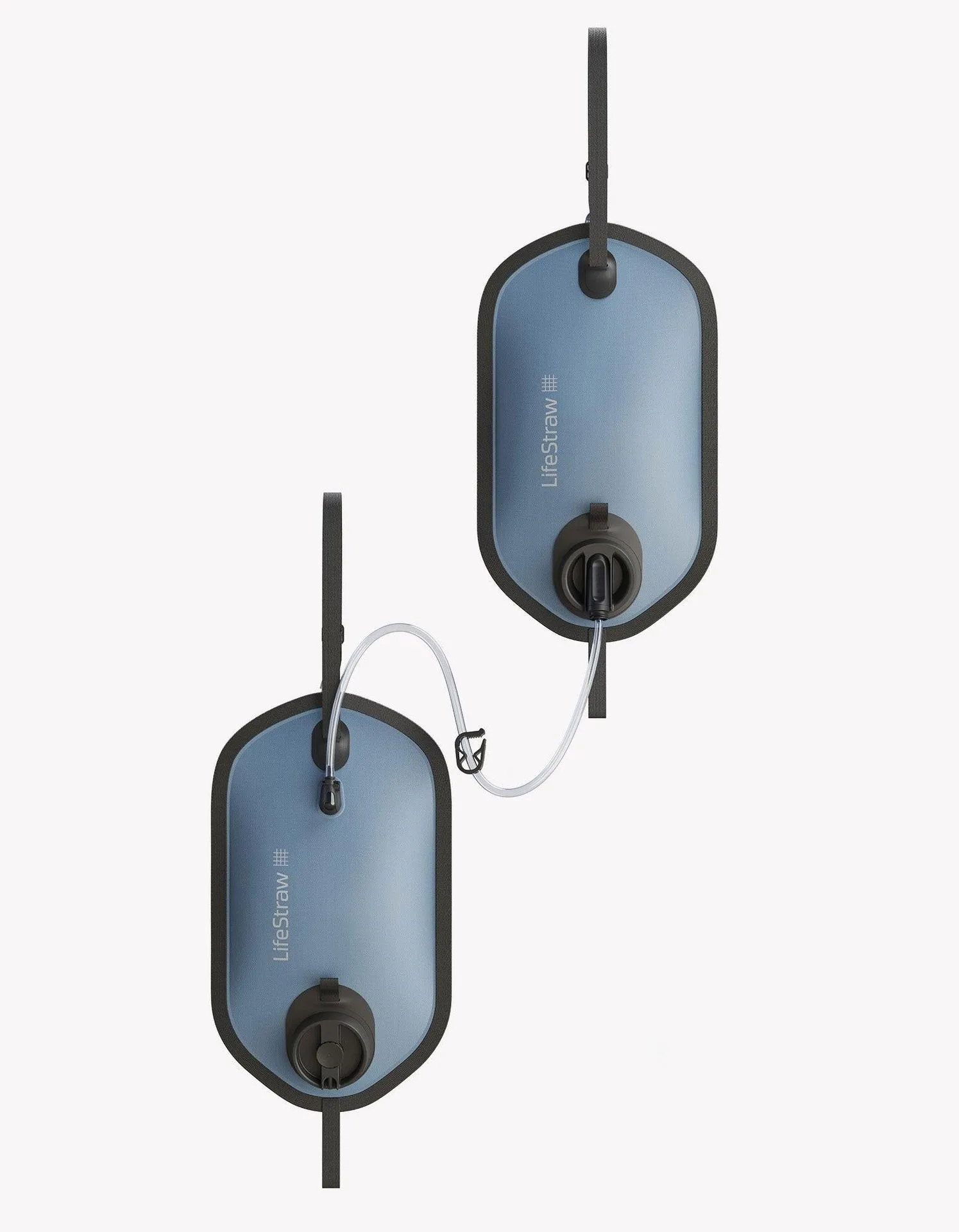
LifeStraw Peak Series Gravity Water Filter System with Safe Water Storage - 8L + 8L
Beyond individual products, LifeStraw designs for repairability and longevity. Replacement parts such as mouthpieces and carbon filters are readily available, reducing the likelihood of premature disposal. The https://outdoorvault.store/products/lifestraw-escape-replacement-carbon-filter-63372LifeStraw Escape Replacement Carbon Filter and LifeStraw Sip Replacement Mouthpiece are examples of how the brand supports a maintenance-friendly approach. This extends the usable life of each filter, keeping plastic out of landfills and reducing the overall environmental footprint per liter of water filtered.
- Each LifeStraw filter can replace up to 1,000 single-use plastic bottles over its lifespan.
- Replacement filters and parts are available for most models, encouraging long-term use and reducing waste.
- The brand’s gravity systems and home dispensers offer scalable solutions for households to quit bottled water entirely.
Comparing Environmental Impact: Bottled Water vs. LifeStraw Filtration
Life cycle assessments consistently show that tap water filtered with a reusable system has a far lower environmental impact than bottled water. A 2018 study by the University of Barcelona found that the carbon footprint of bottled water is up to 1,400 times greater than that of filtered tap water when considering production, transportation, and disposal. For LifeStraw users, the savings are even more pronounced because the filters require no energy (no batteries or electricity) and are made from durable, recyclable materials.
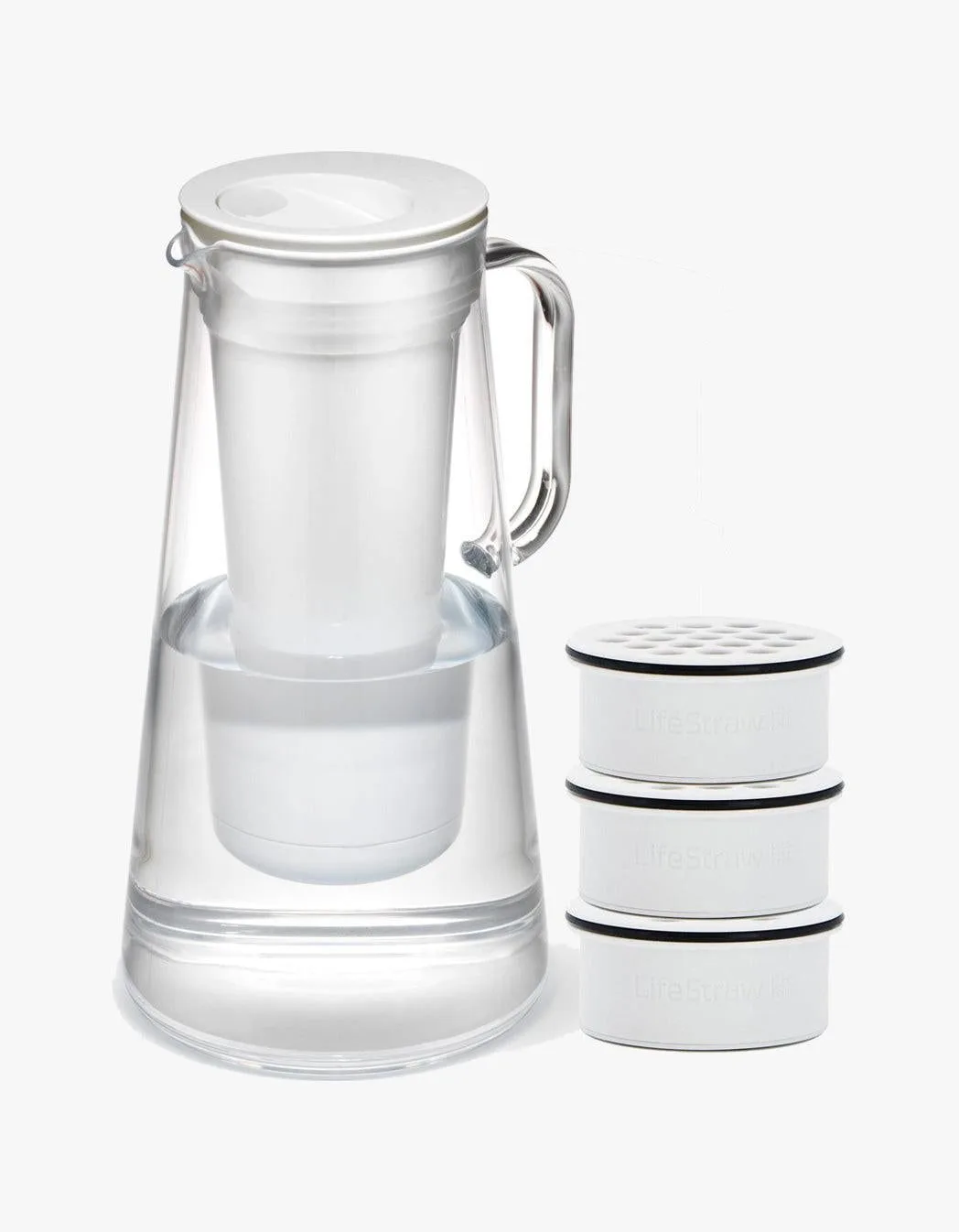
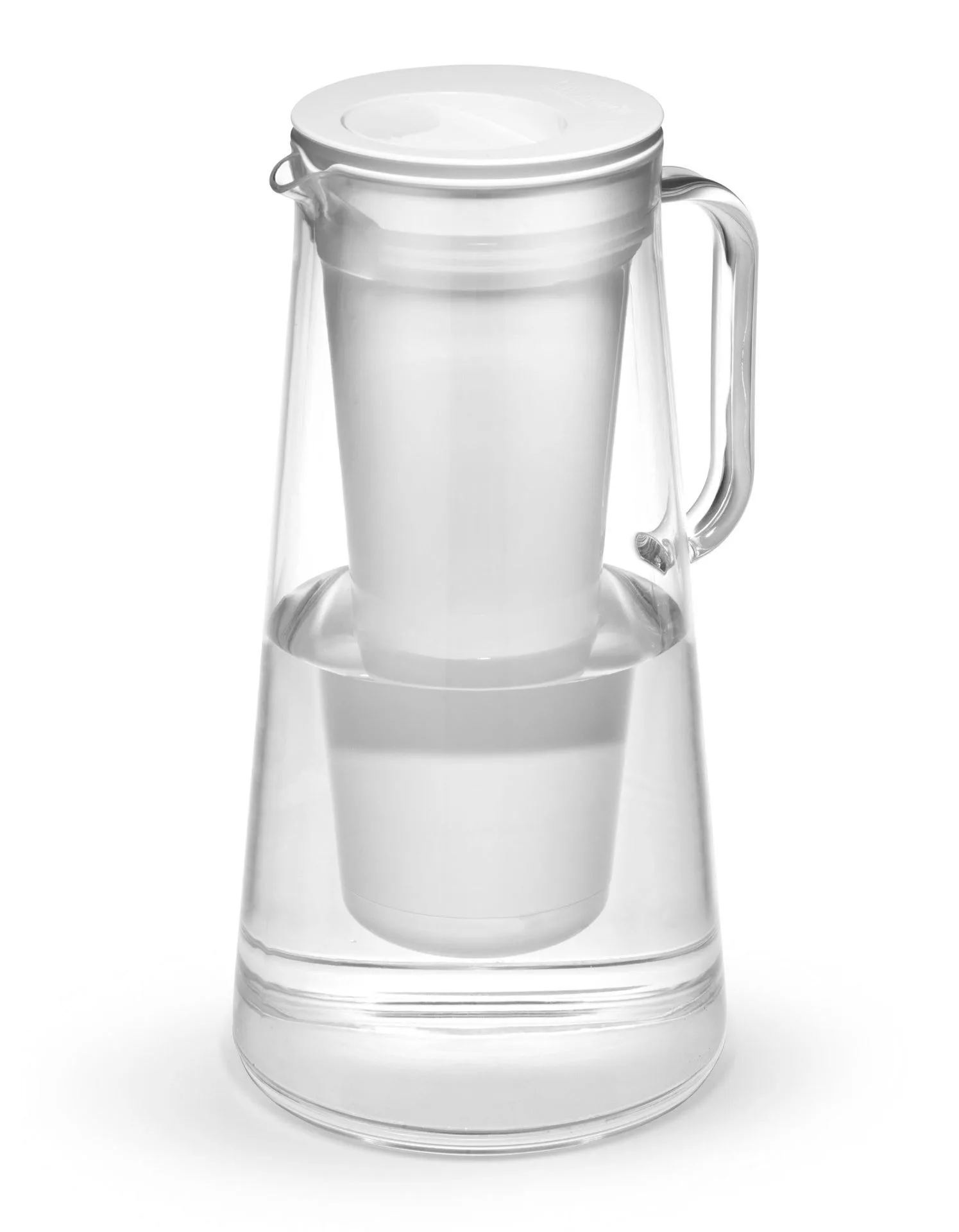
LifeStraw’s advanced hollow-fiber membrane technology removes 99.999999% of bacteria and 99.999% of parasites, making natural water sources safe to drink without boiling or chemicals. This means that a hiker carrying a LifeStraw bottle can refill from streams and lakes, bypassing the need to pack multiple plastic bottles. For urban users, the LifeStraw Home Dispenser offers a countertop solution that filters tap water to remove chlorine, lead, and microplastics, making it a viable alternative to buying cases of bottled water for home consumption.
- Filtering tap water with a LifeStraw Home Dispenser costs pennies per liter compared to $1–$3 per bottle.
- A single LifeStraw filter can prevent up to 1,000 plastic bottles from being used and discarded.
- No electricity or batteries are required for most LifeStraw models, further reducing their environmental footprint.
Practical Tips for Reducing Plastic Waste with LifeStraw
Adopting a LifeStraw system is straightforward, but maximizing its waste-reduction potential requires a few habits. First, always carry a reusable bottle—such as the LifeStraw Go Series—and refill from safe tap or natural sources. For home use, pair a LifeStraw Home Dispenser with a reusable glass or stainless steel bottle to eliminate the need for bottled water entirely. Second, maintain your filter properly: clean it regularly and replace components only when necessary, using genuine LifeStraw replacement parts to ensure performance and longevity.
Third, consider the Adventure soulmates - LifeStraw Go Series 22 oz bundle if you’re hiking or traveling with a partner, as it provides two durable bottles that share a common filter system, reducing packaging waste and encouraging shared refill habits. Finally, when traveling internationally, choose a portable LifeStraw model over buying bottled water in regions where tap water is unsafe. This not only reduces plastic waste but also saves money and ensures you always have access to safe drinking water.
- Carry a reusable LifeStraw bottle and refill from safe sources to avoid single-use plastics.
- Use replacement filters and parts to extend product life instead of buying new systems.
- For group adventures, opt for bundle packs to reduce packaging waste and share resources.
The Bigger Picture: Water Filters as a Sustainability Solution
While individual actions matter, systemic change is necessary to address the plastic crisis. Water filters like those from LifeStraw represent a bridge between personal convenience and environmental stewardship. By making filtered water accessible in any setting—from remote wilderness to urban kitchens—LifeStraw empowers users to reject the disposable culture that drives plastic pollution. Moreover, the company’s commitment to social impact, including its 'Buy One, Give One' program that provides clean water to children in need, amplifies the environmental benefits by addressing both waste and water scarcity.
As awareness grows, more consumers are seeking products that align with their values. The water filter industry is projected to expand rapidly, with innovations in materials and design further reducing environmental footprints. LifeStraw’s focus on durability, repairability, and performance positions it as a leader in this space. For anyone looking to reduce their plastic waste, investing in a high-quality water filter is not just a purchase—it’s a statement that clean water should not come at the cost of the planet.
Switching from disposable plastic bottles to a reusable water filter is one of the most effective ways to reduce your personal plastic footprint. LifeStraw offers a range of durable, high-performance filters for every lifestyle—from the compact LifeStraw Go Series for daily commutes to the family-sized LifeStraw Peak Series Gravity Water Filter System for home and outdoor use. By choosing a LifeStraw, you’re not only protecting your health but also contributing to a cleaner, less plastic-dependent world. Explore the LifeStraw collection today and take a simple step toward sustainable hydration.