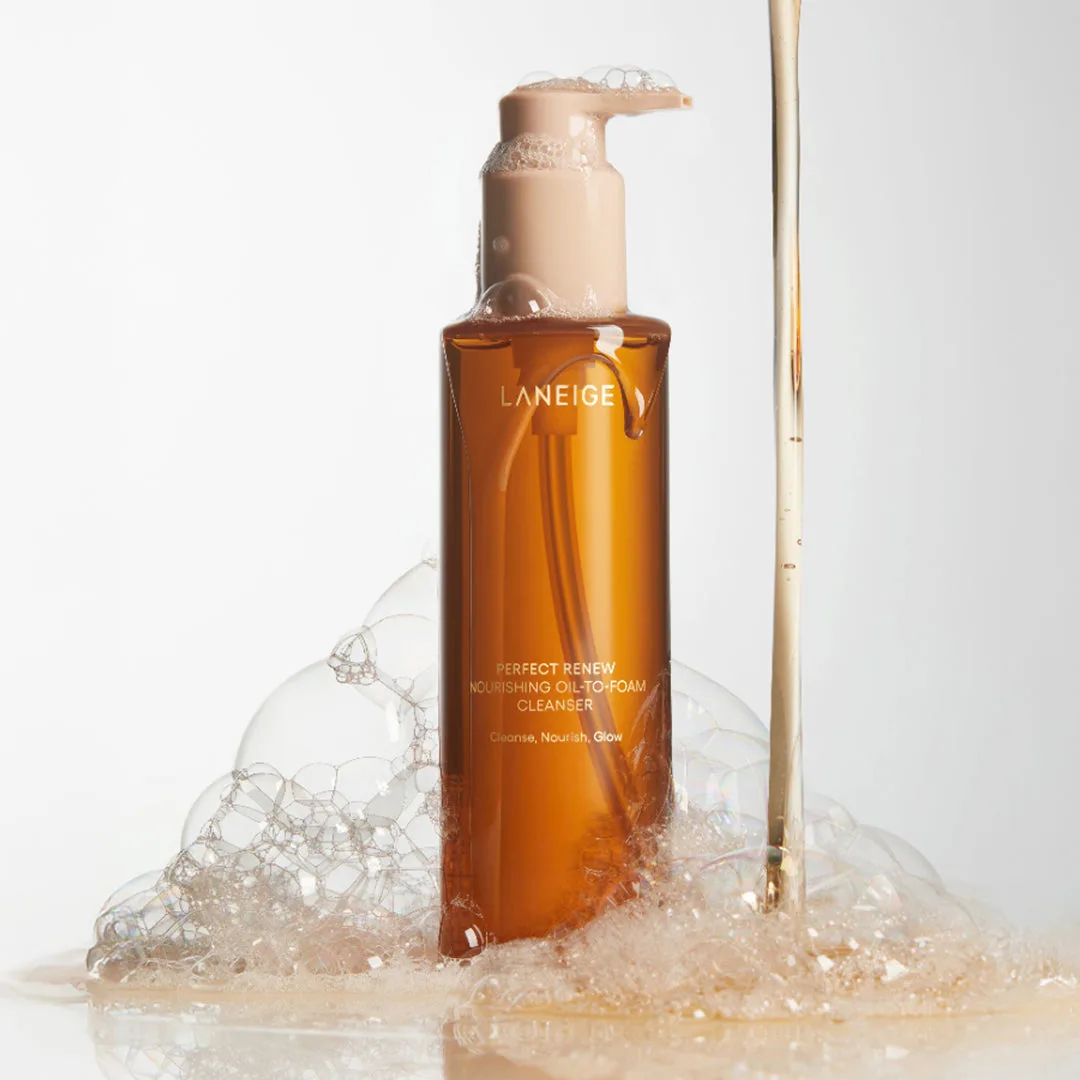
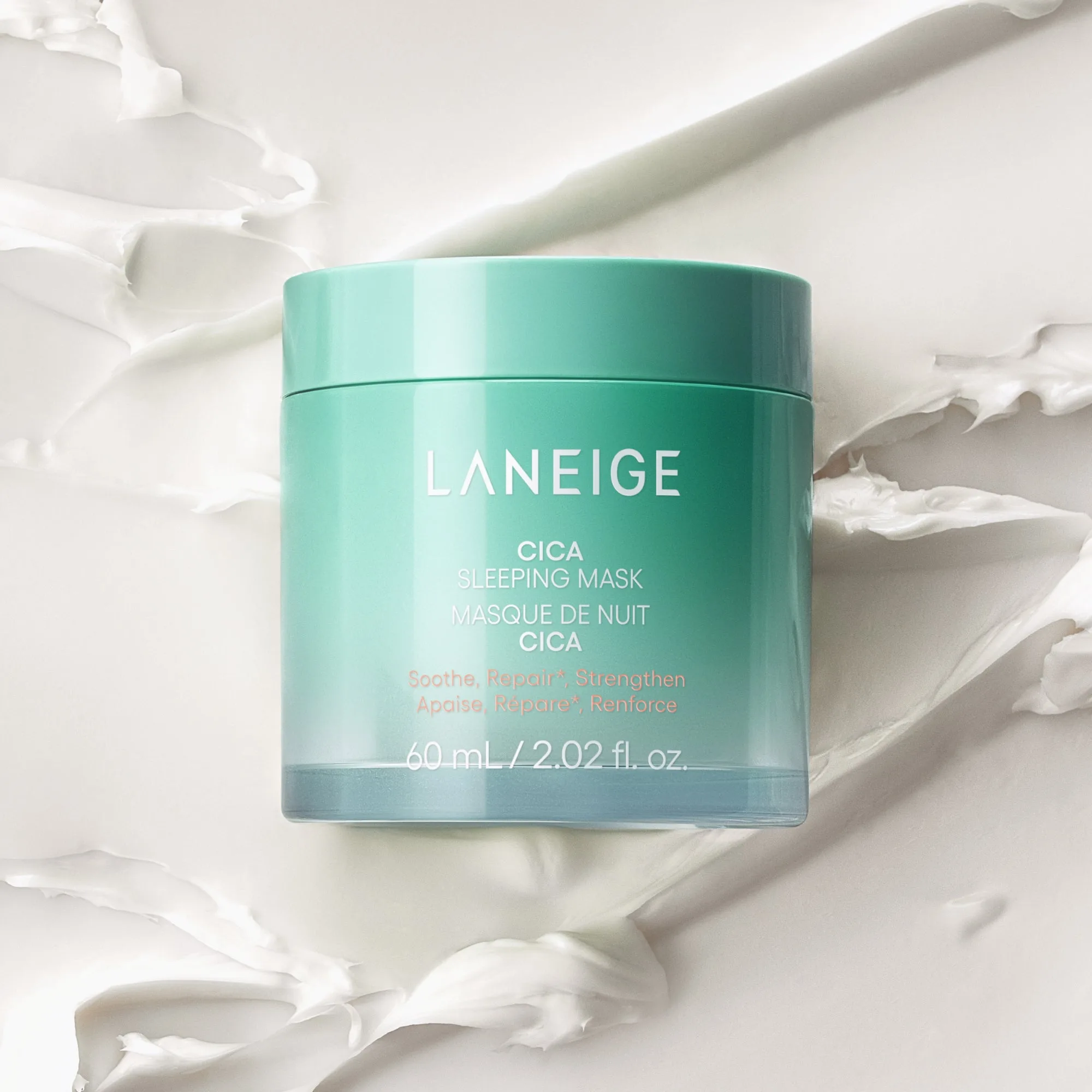
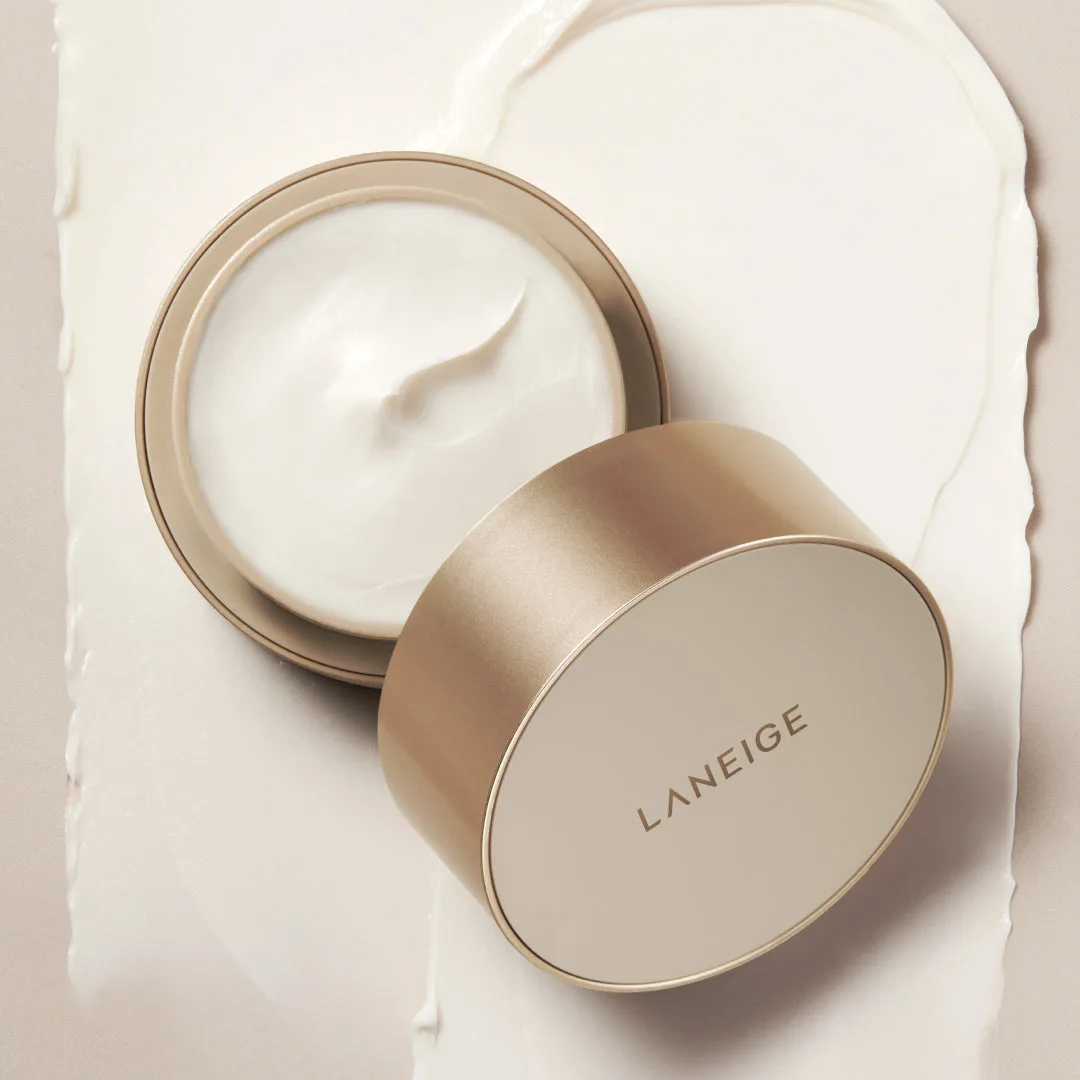
When it comes to skincare, most of us focus on active ingredients like hyaluronic acid, retinol, or vitamin C. But there's a fundamental factor that often flies under the radar: pH balance. If your cleanser is too alkaline, it can strip your skin barrier, leading to dryness, irritation, and even breakouts. Understanding the science behind pH levels in cleansers is the first step toward a healthier, more resilient complexion.
Your skin naturally has a slightly acidic pH, typically between 4.5 and 5.5. This acidic environment, known as the acid mantle, acts as a protective shield against bacteria, pollution, and moisture loss. When you use a cleanser with a high pH (alkaline), you disrupt this delicate balance, leaving your skin vulnerable. The good news? Modern Korean skincare has embraced pH-conscious formulations, making it easier than ever to find a gentle yet effective cleanser.
What Is pH and Why Does It Matter for Your Skin?
pH stands for potential hydrogen and measures how acidic or alkaline a substance is on a scale of 0 to 14. Your skin's natural pH hovers around 5.0, making it slightly acidic. This acidity helps maintain the skin barrier—a complex layer of lipids and cells that keeps moisture in and irritants out. When the pH of your cleanser is too high (above 7.0), it can disrupt this barrier, leading to transepidermal water loss, redness, and sensitivity.
Think of your skin barrier like a brick wall: the skin cells are bricks, and the natural oils are the mortar. An alkaline cleanser acts like a harsh solvent, dissolving the mortar and leaving gaps. Over time, this weakens the wall, making it easier for bacteria and allergens to penetrate. That's why dermatologists and skincare experts emphasize the importance of a pH balanced cleanser—it cleans without compromising your skin's protective layer.
- Tip: Look for cleansers labeled 'pH balanced' or with a pH range of 4.5–6.0 to support your acid mantle.
How Foaming Cleansers Affect pH Balance
Foaming cleansers are popular for their satisfying lather and deep-cleaning ability, but not all foams are created equal. Traditional bar soaps and many foaming cleansers have a pH between 8 and 10, which is far too alkaline for facial skin. They strip away natural oils, leaving a tight, squeaky-clean feeling that actually signals damage. The result? Your skin may overcompensate by producing more oil, leading to a vicious cycle of dryness and shine.
Thankfully, modern formulations have evolved. A well-formulated foaming cleanser can now achieve a gentle, low-pH lather that removes impurities without disrupting the barrier. For example, the Water Bank Gentle Gel Cleanser transforms into a soft foam while maintaining a skin-friendly pH. It's designed to hydrate as it cleans, making it an excellent choice for those who love the feel of foam but want to protect their skin's natural balance.
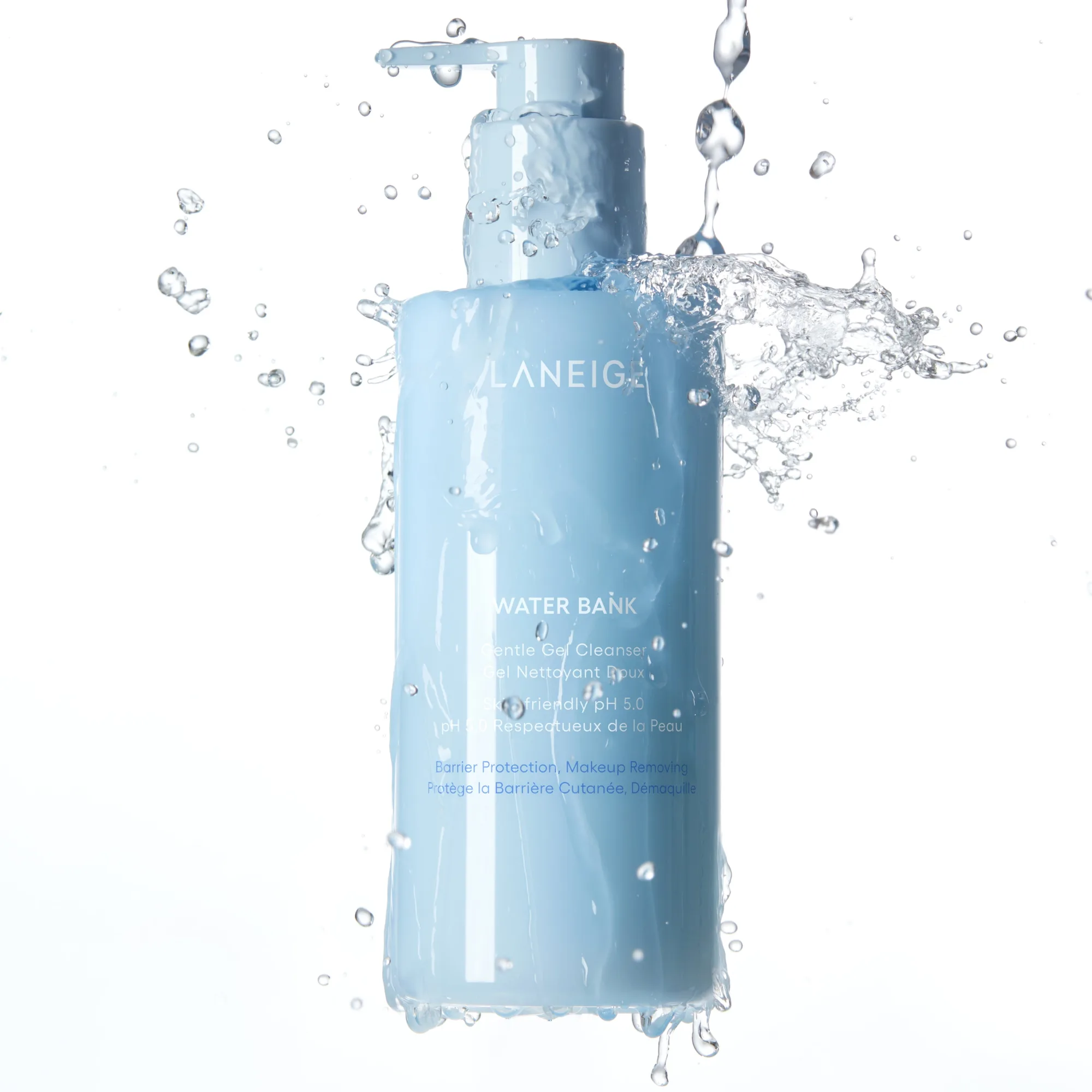
Water Bank Gentle Gel Cleanser
- Tip: If you have oily or combination skin, a low-pH foaming cleanser can help control sebum without over-drying.
Signs Your Cleanser Is Too Alkaline
How can you tell if your current cleanser is harming your pH balance? Common symptoms include a tight, dry sensation immediately after washing, persistent redness, flakiness, or an increase in breakouts. If your skin feels 'squeaky' clean, it's a red flag—that squeak is the sound of your protective barrier being stripped away. Over time, a high-pH cleanser can worsen conditions like eczema, rosacea, and acne.
Another clue is how your skin reacts after moisturizing. If you feel you need to slather on heavy creams just to counteract tightness, your cleanser may be the culprit. Switching to a pH balanced option can make a dramatic difference. For instance, the Balance Mode Rice Foaming Deep Cleanser is formulated with rice extract and a gentle pH to nourish while cleansing, making it ideal for those prone to sensitivity. Your skin will feel clean, not stripped.
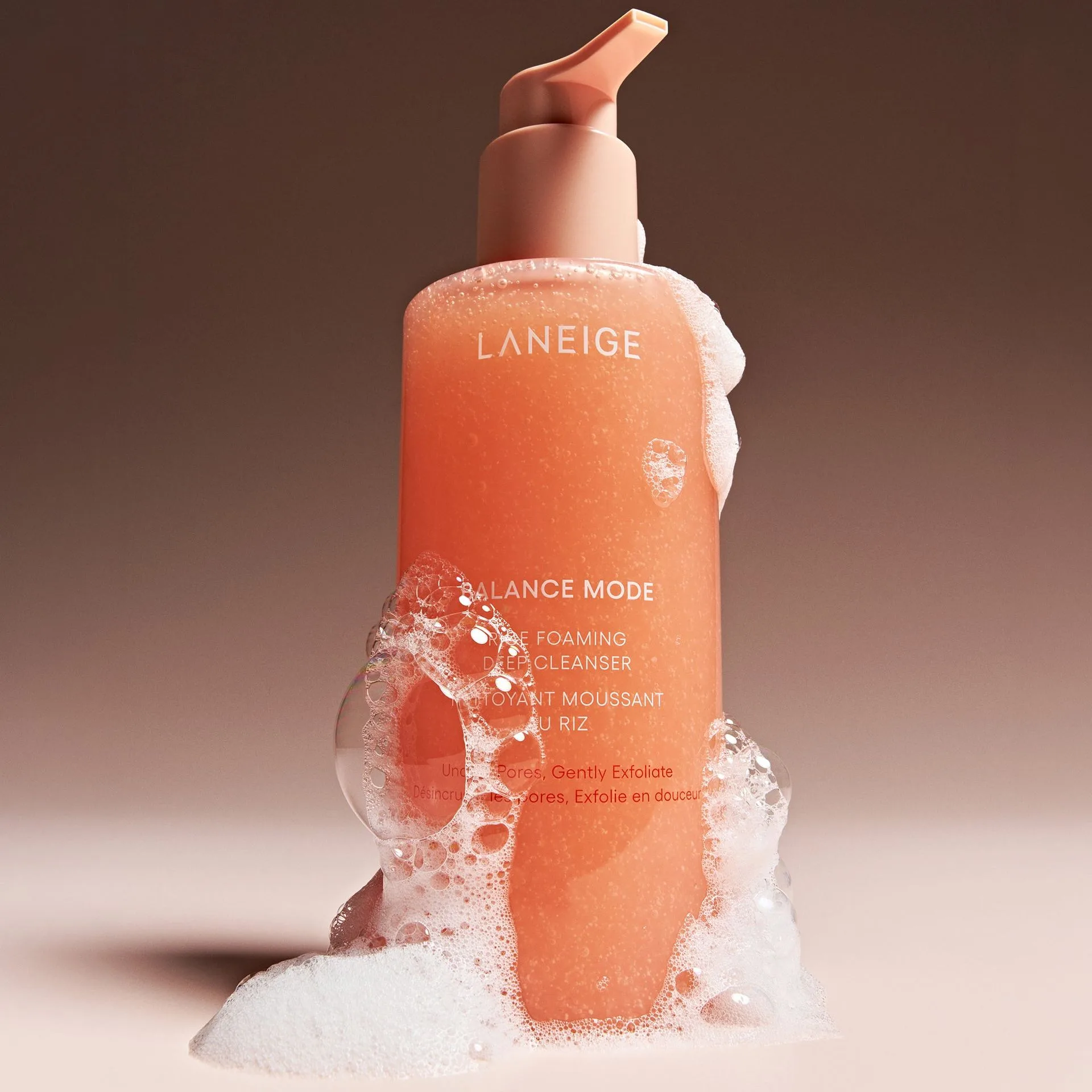
Balance Mode Rice Foaming Deep Cleanser
- Tip: Try a pH test strip at home to check your cleanser's pH. If it's above 7, consider swapping it out.
Choosing the Right pH Balanced Cleanser for Your Skin Type
Not all pH balanced cleansers are the same—your skin type and concerns should guide your choice. For dry or dehydrated skin, look for creamy, non-foaming formulas that include hydrating ingredients like hyaluronic acid or ceramides. Oily and acne-prone skin can benefit from a low-pH foaming cleanser that controls excess sebum without irritation. Sensitive skin types should prioritize fragrance-free options with soothing botanicals like green tea or centella asiatica.
Korean skincare offers a wealth of pH-conscious options. The Water Bank Blue Hyaluronic Gel Moisturizer, while not a cleanser, is a perfect follow-up step to lock in hydration after using a gentle low-pH cleanser. Pairing a pH balanced cleanser with a hydrating moisturizer helps restore and maintain your skin barrier. Remember: cleansing is the foundation of your routine, so investing in the right product pays off in long-term skin health.
- Tip: If you double cleanse, ensure both your oil-based and water-based cleansers are pH balanced for consistent protection.
The Science Behind Low-pH Cleansers: What to Look For
When shopping for a pH balanced cleanser, check the ingredient list for gentle surfactants like coco-glucoside, decyl glucoside, or sodium cocoyl isethionate. These are milder than sodium lauryl sulfate (SLS) and help maintain a lower pH. Some brands also add buffering agents like citric acid or lactic acid to fine-tune the pH. Avoid cleansers with high concentrations of alcohol, menthol, or essential oils, as these can further disrupt the barrier.
A good pH balanced cleanser should leave your skin feeling comfortable, not tight. It should remove makeup, sunscreen, and excess oil without leaving a residue. Many Korean formulations excel in this area because they prioritize skin barrier health. For example, the Water Bank Gentle Gel Cleanser combines a low pH with hydrating ingredients like glycerin and panthenol, making it suitable for daily use. Your skin will thank you for the science-backed care.
- Tip: Patch test a new cleanser on your jawline for a few days to see how your skin reacts before committing.
Your skin barrier is your first line of defense, and a pH balanced cleanser is the simplest way to protect it. By choosing a gentle, low-pH formula, you set the stage for all your other products to work more effectively. Ready to upgrade your cleansing routine? Explore the Water Bank Gentle Gel Cleanser for a hydrating, pH-friendly cleanse that leaves your skin feeling fresh and balanced.