Primer is often the unsung hero of a flawless makeup routine. While we invest time in selecting the perfect foundation, eyeshadow, or lip color, the base we apply underneath can make or break the entire look. Priming before makeup isn't just an extra step—it's a crucial foundation that ensures your makeup applies smoothly, lasts longer, and looks more vibrant.
Whether you have oily skin, dry patches, or large pores, the right primer can transform your canvas. In this guide, we'll explore why priming is so important, how to choose the best primer for your skin type, and expert application tips to elevate your makeup game. From creating a smooth base for your eyeshadow to prepping your lips for a plumping gloss, priming sets the stage for a professional finish.
What Does a Makeup Primer Do?
A makeup primer acts as a barrier between your skin and your foundation, concealer, or eyeshadow. Its primary job is to smooth out the skin's texture, minimize the appearance of pores, and create an even surface for makeup application. Think of it like painting a wall: without primer, the paint may absorb unevenly, chip quickly, or highlight imperfections. The same principle applies to your face.
Primers also help control oil production, hydrate dry areas, and extend the wear time of your makeup. Some formulas include light-diffusing particles that blur fine lines and give your skin a soft-focus effect. By using a primer, you not only improve the look of your makeup but also protect your skin from potential irritation caused by direct contact with pigments and powders.
- Smooths skin texture and reduces the look of pores
- Helps makeup last longer without fading or creasing
- Controls shine and hydrates dry areas as needed
- Creates a protective barrier between skin and makeup
How to Choose the Right Primer for Your Skin Type
Not all primers are created equal. The best primer for you depends on your skin type and the finish you want to achieve. For oily skin, look for mattifying primers that absorb excess sebum and keep shine at bay. Silicone-based primers are excellent for filling in large pores and creating a velvety texture. If you have dry or dehydrated skin, opt for hydrating primers with ingredients like hyaluronic acid or glycerin to plump and prep the skin.
For combination skin, a balancing primer that works on both oily and dry zones is ideal. Those with sensitive skin should choose fragrance-free, gentle formulas that soothe redness and irritation. When priming your eyelids, use an eyeshadow primer to prevent creasing and intensify color payoff. For your lips, a lip primer creates a smooth canvas and helps lip products adhere longer, especially when paired with a plumping gloss like the https://vibeelegance.store/products/major-volume-plumping-gloss-shimmer-finish-117734Major Volume Plumping Gloss - Shimmer Finish.
- Oily skin: Mattifying, silicone-based primers
- Dry skin: Hydrating, luminous primers with humectants
- Sensitive skin: Fragrance-free, calming primers
- Eyes: Dedicated eyeshadow primer for crease-proof color
Step-by-Step Guide to Priming Your Face Like a Pro
Start with clean, moisturized skin. Allow your moisturizer to absorb fully for a few minutes before applying primer. This prevents pilling and ensures the primer adheres properly. Dispense a pea-sized amount of primer onto your fingertips or a brush, and warm it up slightly. Apply it to the center of your face, blending outward in gentle, sweeping motions. Focus on areas where you have the most texture, such as the nose, cheeks, and forehead.
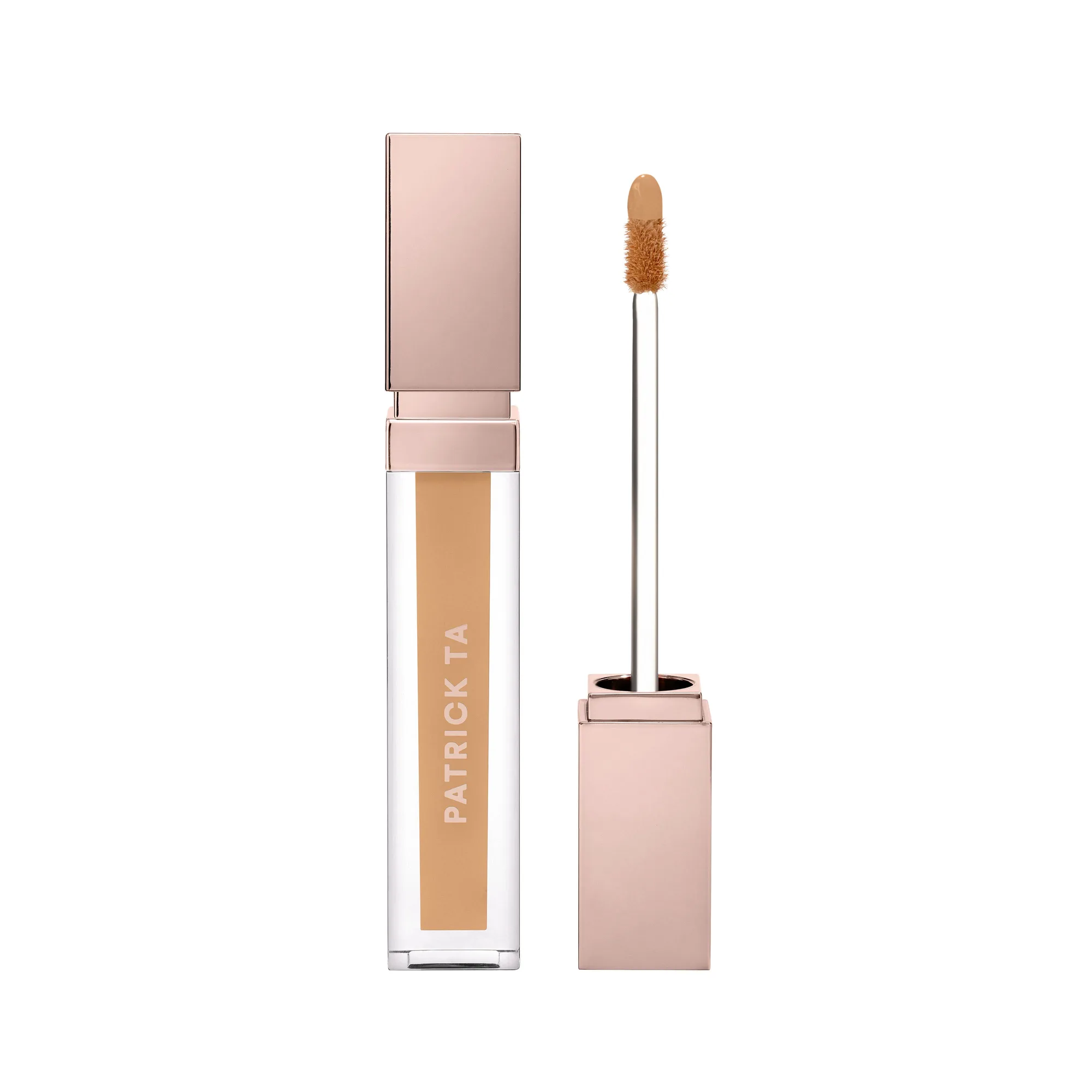
Don't forget less obvious spots like the eyelids, under the eyes, and the lips. For the eyes, a targeted primer or a lightweight concealer can help eyeshadow stay vibrant all day. For the lips, a dab of primer or balm can smooth cracks and create an even base. If you're using a product like the Major Moisture Smoothing Lip Balm, apply it a few minutes before your lip color to lock in hydration and prevent feathering. Let the primer set for about 30 seconds before moving on to foundation or concealer.
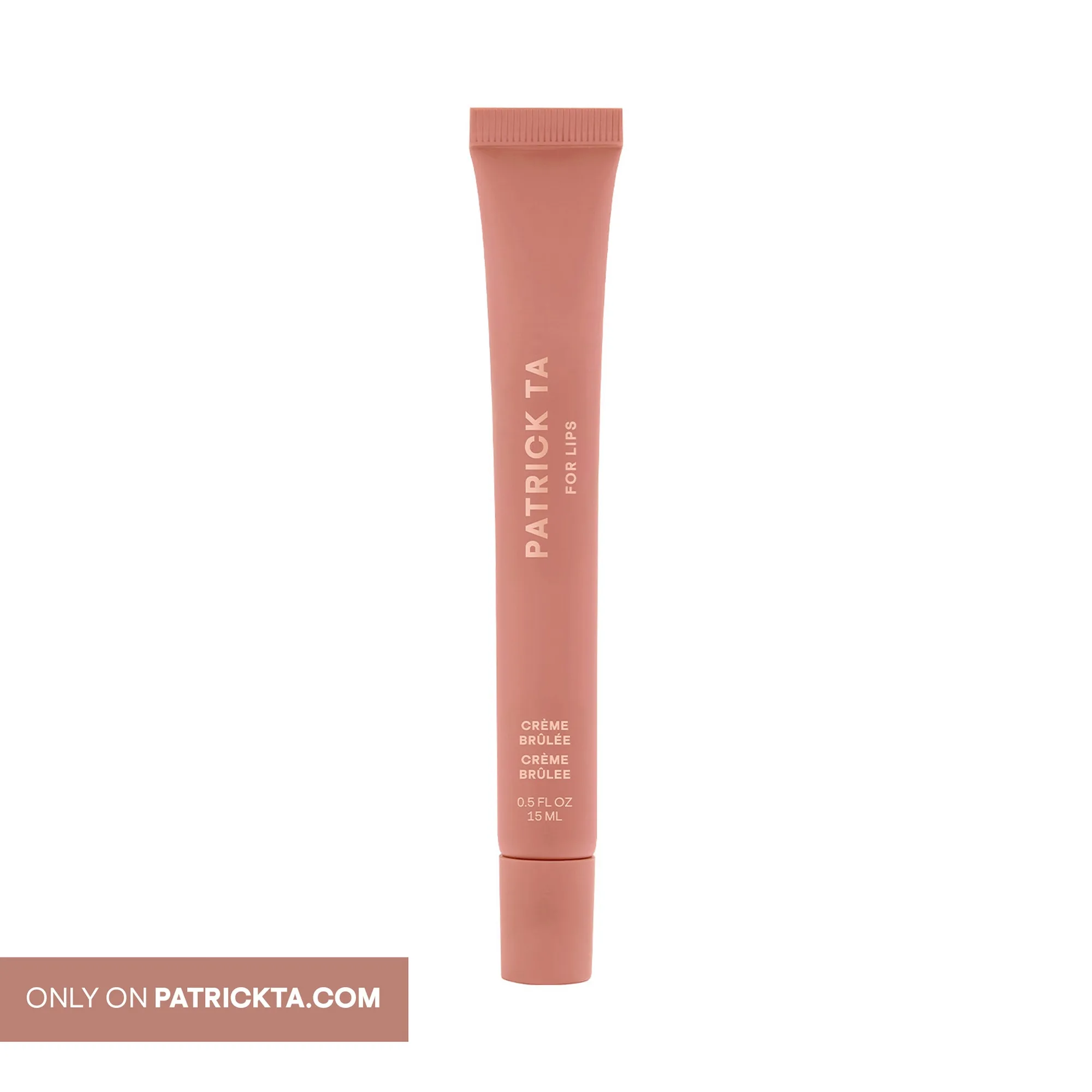
Major Moisture Smoothing Lip Balm
- Always start with clean, hydrated skin
- Use a pea-sized amount and blend outward
- Let primer set for 30 seconds before foundation
- Don't skip priming eyelids and lips for longer wear
Common Priming Mistakes to Avoid
Even with the best primer, mistakes can ruin your base. One of the most common errors is using too much product. Excess primer can cause your foundation to slide off or appear cakey. Stick to a small amount and build only if needed. Another mistake is applying primer over dry or flaky skin without proper exfoliation and moisturizing. Primer is not a substitute for skincare; it works best on a well-prepped canvas.
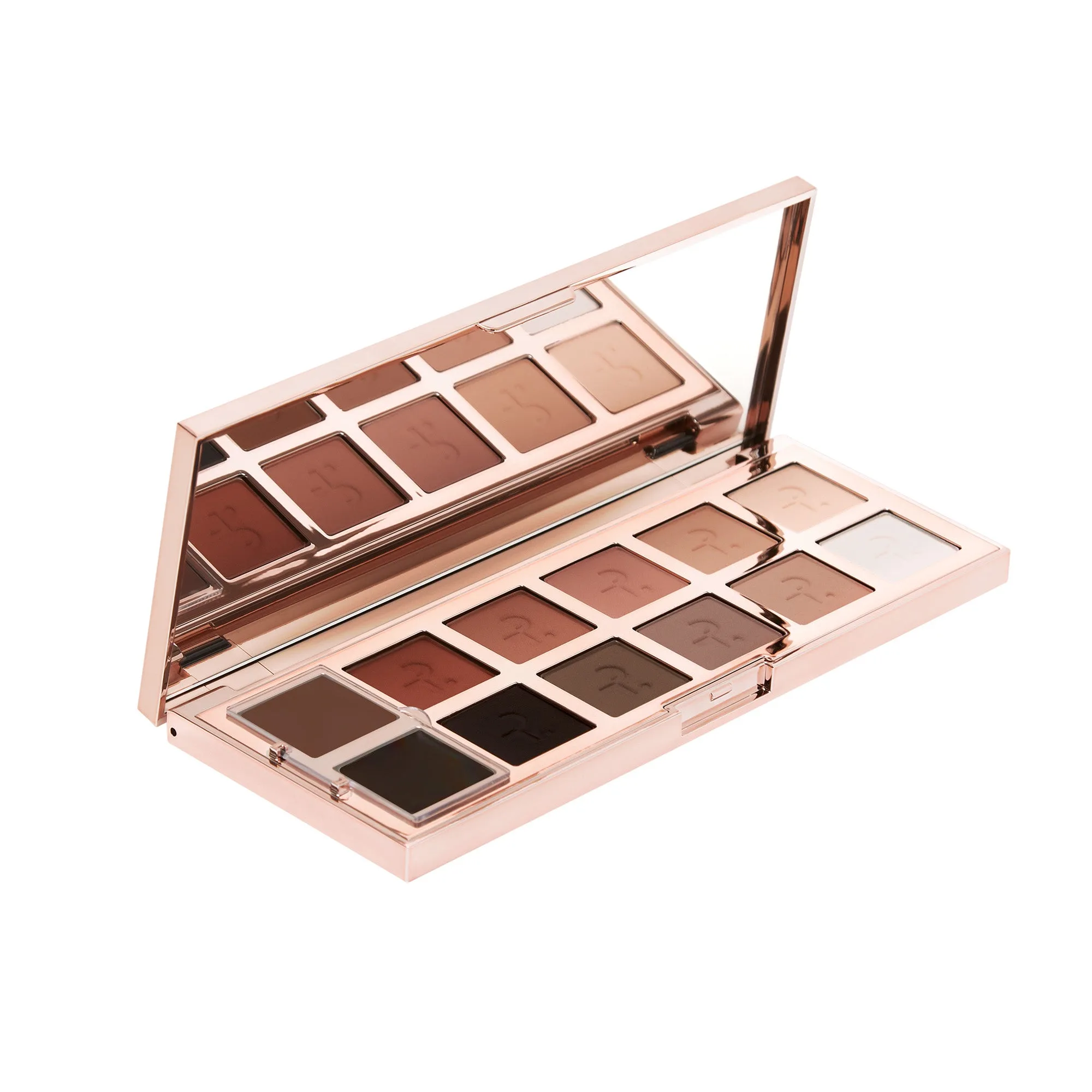
Also, avoid mixing incompatible formulas. For example, a water-based primer may not layer well with a silicone-based foundation, leading to separation. Check the ingredients of your primer and foundation to ensure they share a similar base. Finally, don't forget to prime your eyelids and lips if you want your eye and lip makeup to last. Using a dedicated eye primer or a versatile product like the Major Dimension III Matte Eyeshadow Palette can help you achieve a long-lasting, crease-free look.
- Using too much primer can cause makeup to slide off
- Skipping moisturizer leads to patchy application
- Mixing water-based primer with silicone foundation causes separation
- Neglecting eyelids and lips shortens wear time
Priming for Different Makeup Looks
The primer you choose can also influence the final finish of your makeup. For a natural, everyday look, a lightweight hydrating primer gives your skin a healthy glow without feeling heavy. If you're going for a full glam look, a pore-filling primer creates a flawless, airbrushed base that helps foundation and concealer blend seamlessly. For a monochromatic or bold eye look, an eyeshadow primer intensifies pigment and prevents fallout.
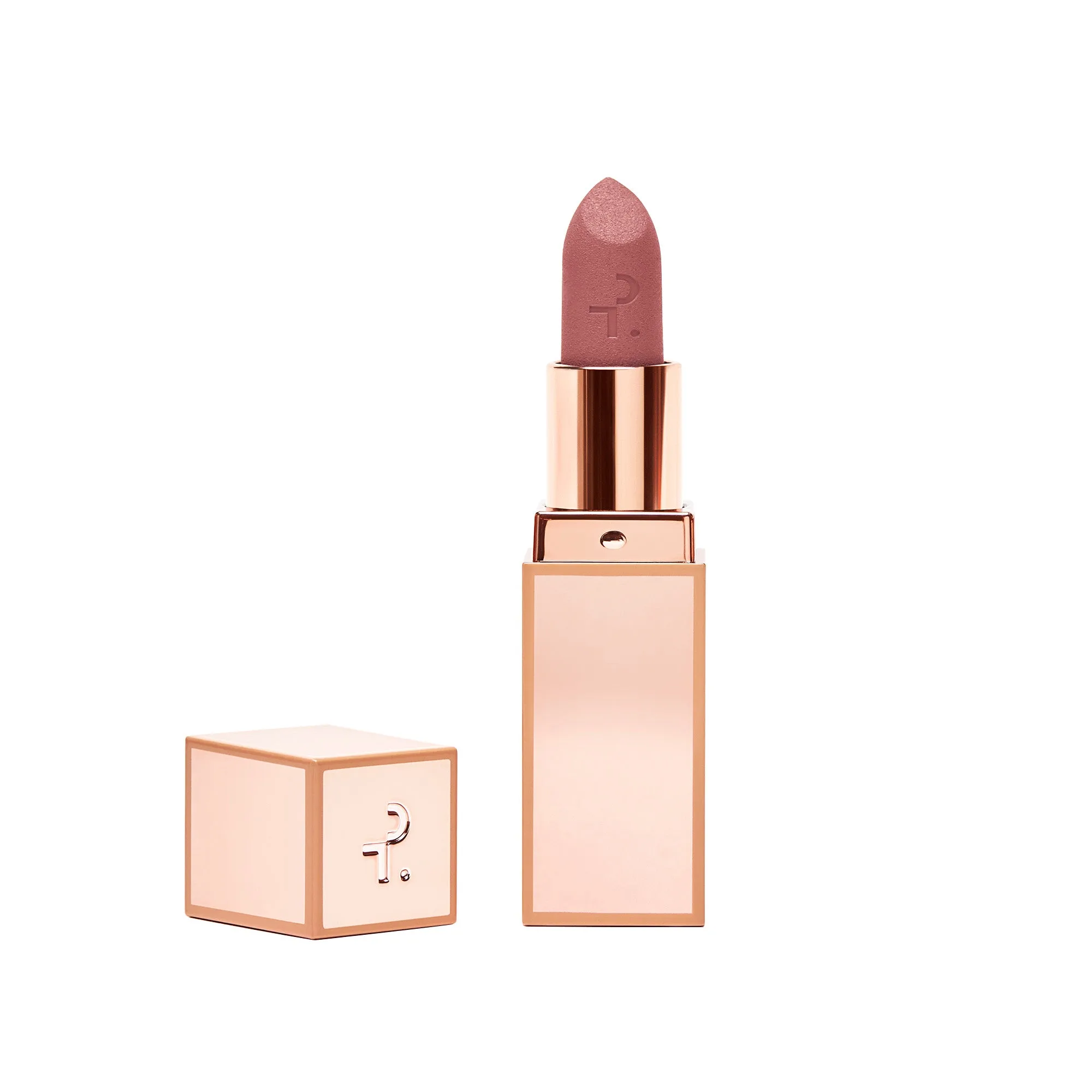
When you want your lip color to stand out, a lip primer or balm is essential. It smooths the lip surface, making lipsticks and glosses apply evenly. For a glossy, plump finish, pair your lip primer with the Major Volume Plumping Gloss - Shimmer Finish for a high-shine effect that lasts. Priming is not just about the face—every part of your makeup routine benefits from a little prep work.
- Hydrating primer for natural, dewy looks
- Pore-filling primer for full coverage and airbrush finish
- Eyeshadow primer for bold, long-lasting eye looks
- Lip primer or balm for smooth, even lip color
Priming is the secret to a flawless, long-lasting makeup look. By choosing the right primer for your skin type and applying it correctly, you create a smooth, even canvas that helps your foundation, eyeshadow, and lip products perform at their best. Whether you're prepping for a busy day or a special event, never skip this essential step. Explore the Major Volume Plumping Gloss - Shimmer Finish to add a plump, glossy finish to your primed lips.