Having a well-stocked first aid kit is a crucial step in emergency preparedness, but it's only half the battle. Knowing how to use the supplies inside is what truly makes the difference between a minor incident and a life-threatening situation. This is where regular first aid training comes into play.
Many people purchase a kit, stash it in their car or home, and forget about it until an emergency strikes. However, without the knowledge and hands-on practice to apply dressings, use a tourniquet, or perform CPR, even the best equipment can be ineffective. In this article, we'll explore why ongoing first aid education is vital, the benefits of taking a course, and how to keep your skills sharp.
The Critical Role of First Aid Training
First aid training equips you with the skills to assess a situation, prioritize care, and provide immediate assistance while waiting for professional medical help. In emergencies, every second counts, and your ability to act calmly and correctly can significantly improve outcomes. Training goes beyond just knowing what to do; it builds muscle memory and confidence, enabling you to respond effectively under stress.
Consider this: a study by the American Heart Association found that immediate CPR can double or triple a victim's chance of survival. Yet, many bystanders hesitate because they lack training or fear doing something wrong. Regular first aid classes help overcome this hesitation by providing repeated practice and up-to-date knowledge on the latest protocols.
- Training reduces panic and increases confidence in emergency situations.
- Hands-on practice ensures you can apply skills correctly when it matters most.
Benefits of Taking a First Aid Course
Enrolling in a structured first aid course offers numerous advantages. You learn from certified instructors who can correct your technique, ask questions in real-time, and gain access to quality training materials. Courses often cover a range of topics, from basic wound care to CPR and AED use, ensuring you have a comprehensive skill set.
Moreover, many courses provide certification upon completion, which is not only a valuable addition to your resume but also a requirement in many workplaces. Certification demonstrates that you have met recognized standards of competency, giving you and others peace of mind. For those interested in more advanced skills, specialized courses like tactical first aid training can address specific scenarios such as gunshot wounds or mass casualty incidents.
- Certification is often required for jobs in childcare, coaching, and healthcare.
- Advanced courses, such as tactical training, prepare you for high-stress environments.
Why Your Kit Needs a Companion: Training
A first aid kit is only as good as the person using it. Without training, you might misuse items, fail to prioritize care, or miss critical steps. For example, knowing how to properly apply a tourniquet is a skill that requires practice. Products like the RATS Tourniquet are designed for rapid application, but you need to know the correct placement and tension to be effective.
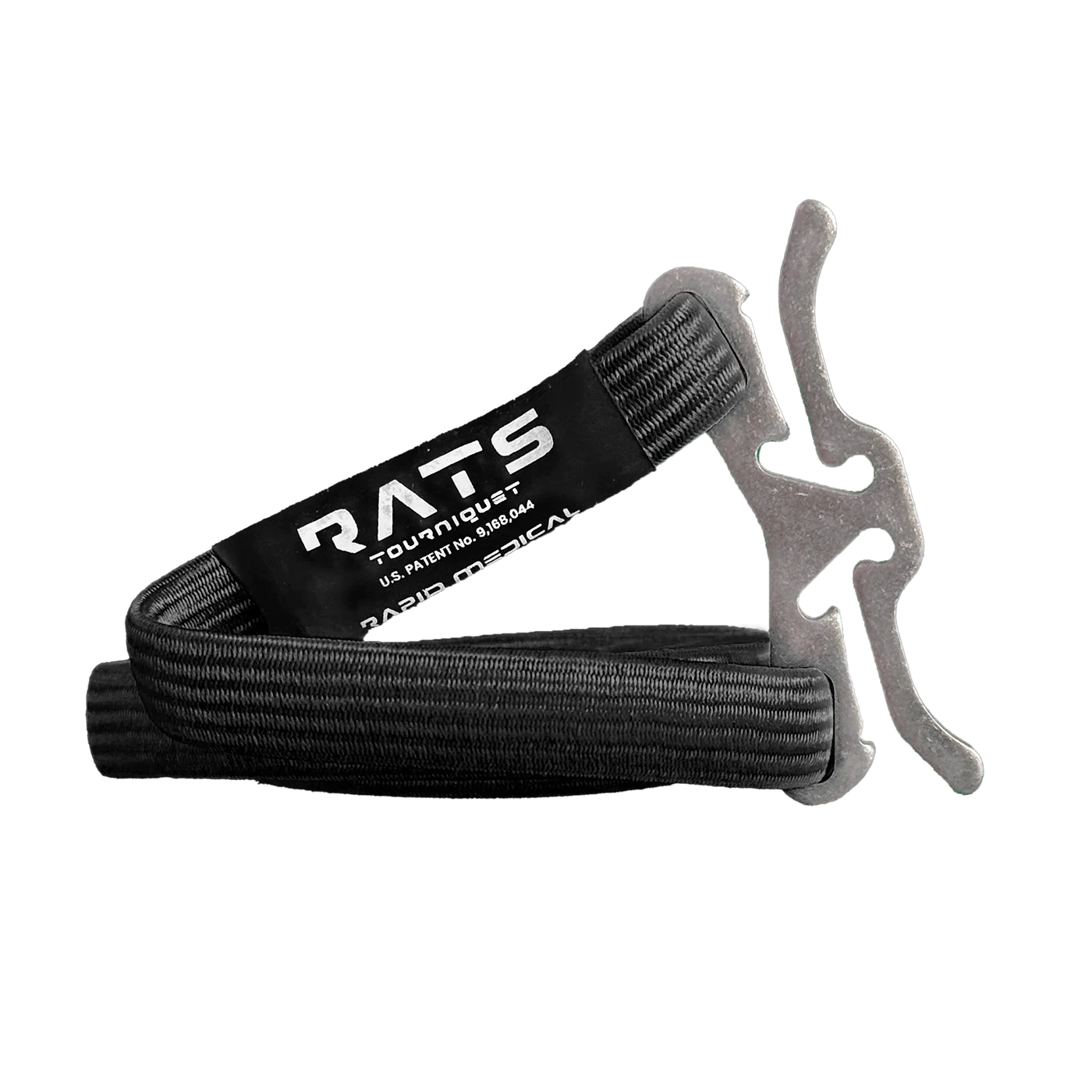
RATS Tourniquet
Similarly, a chest seal for penetrating injuries is a life-saving device, but only if you know how to apply it correctly. Training ensures you understand the 'why' behind each tool, making you a more effective responder. By pairing your kit with education, you transform from a passive owner to an active lifesaver.
- Practice using your specific kit components during training sessions.
- Refresh your knowledge regularly to stay updated on best practices.
Staying Current: Refresher Courses and Ongoing Education
First aid guidelines evolve as new research emerges. What was recommended five years ago might be outdated today. Regular refresher courses help you stay current with the latest protocols, ensuring your skills are always aligned with evidence-based practices. Many organizations recommend renewing your certification every two years, but even an annual review can be beneficial.
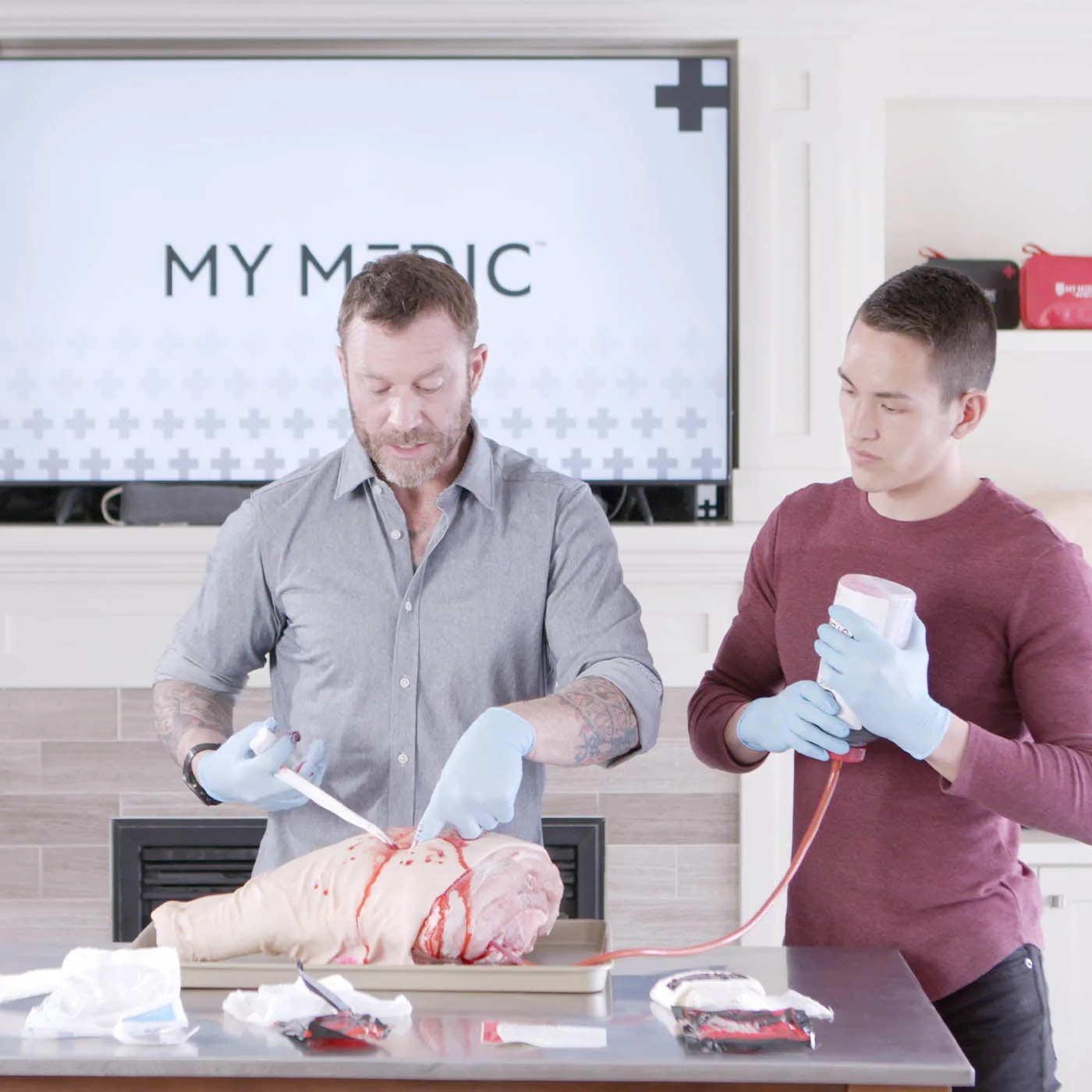
Beyond formal courses, you can maintain your edge by reviewing instructional materials, watching videos, and practicing with your gear. Some companies, like My Medic, offer courses that complement their products, such as the Gunshot Wound Training, which provides hands-on practice with trauma supplies. Engaging in continuous learning not only keeps your skills sharp but also reinforces your confidence to act in emergencies.
- Set a reminder to renew your certification before it expires.
- Incorporate practice sessions into your routine to maintain muscle memory.
How to Choose the Right First Aid Course
When selecting a course, consider your specific needs and environment. For general preparedness, a basic first aid and CPR course is a solid foundation. If you spend time outdoors or in remote areas, look for wilderness first aid training. For those interested in high-risk scenarios, tactical or military-style courses offer advanced skills.
Also, consider the format: in-person classes provide hands-on practice, while online courses offer flexibility. Many reputable organizations, including the American Red Cross and the American Heart Association, offer both. Additionally, check if the course provides certification that meets your local or professional requirements. Investing in quality training is an investment in your ability to save a life.
- Look for courses that include practical, hands-on components.
- Verify that the certification is recognized by relevant authorities.
Owning a first aid kit is a responsible step, but it's incomplete without the knowledge to use it effectively. Regular training ensures you're always ready to act, whether at home, work, or in the wilderness. Explore the range of My Medic courses, such as the Gunshot Wound Training, to complement your gear and elevate your preparedness. Remember, skills don't expire—they just need regular sharpening.