Fruit or Fragrance: Two Different Rewards
If you are choosing between the Improved Meyer Lemon Tree and the Orange Flowering Tea Olive, you are really deciding between a compact citrus that produces fruit and an evergreen shrub that perfumes the air. Both are popular choices for patios and small gardens, but they serve different purposes. This comparison looks at what each plant actually delivers so you can pick the one that fits your growing goals.
Improved Meyer Lemon vs Orange Flowering Tea Olive
The table below summarizes the key differences based on the supplied product information. Neither plant is better overall; the right choice depends on whether you want edible fruit or a fragrant, pollinator-friendly shrub.
- Primary reward: Improved Meyer Lemon Tree yields sweet-tart citrus fruit ideal for drinks, dressings, and desserts. Orange Flowering Tea Olive produces bright orange flowers with an apricot-like fragrance that attracts pollinators.
- Growth habit: Meyer Lemon is a compact tree that grows well in containers and fits small spaces. Tea Olive is an evergreen shrub with glossy green leaves, suitable for containers, hedges, or borders.
- Indoor/outdoor flexibility: Meyer Lemon is indoor-friendly during cooler months if placed in a sunny window. Tea Olive is primarily an outdoor plant; the supplied information does not confirm indoor performance.
- Fruiting or flowering: Meyer Lemon can produce fruit up to twice a year once established. Tea Olive blooms with fragrant flowers; the record does not specify a bloom frequency or season.
- Maintenance level: Meyer Lemon requires sunshine and regular care. Tea Olive is described as low-maintenance and adaptable, with light pruning after flowering to encourage more blooms.
- Disease resistance: The Improved Meyer Lemon is noted as disease-resistant and cold-tolerant compared to traditional Meyer Lemons. No disease-resistance claims are made for Tea Olive in the supplied information.
What Each Plant Record Confirms
-
Improved Meyer Lemon Tree (CA): Compact size: Grows well in containers—ideal for patios and small spaces. Indoor-friendly: Thrives in sunny windows during cooler months. If you have limited outdoor space or want to move a citrus indoors in winter, this tree fits that lifestyle.
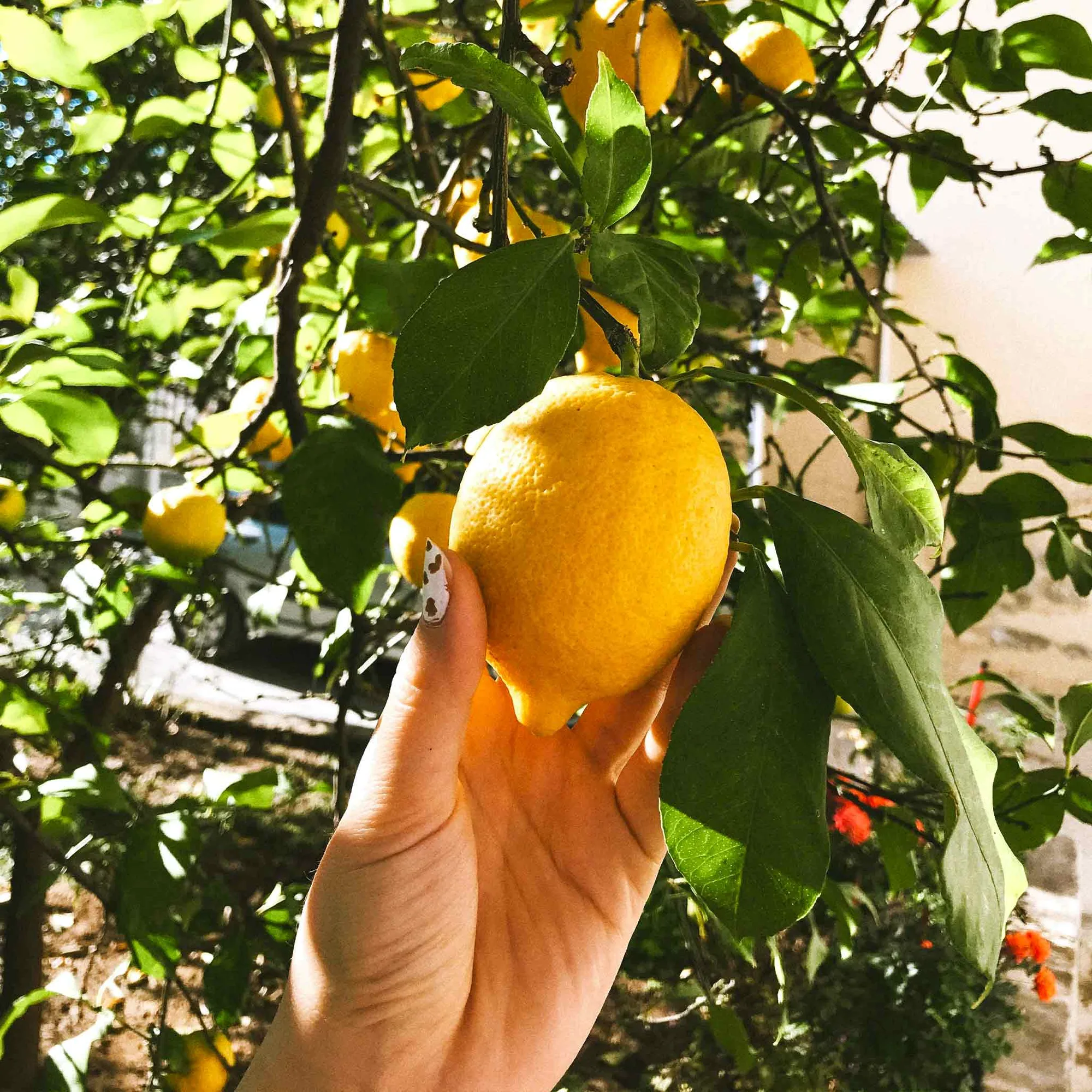
Improved Meyer Lemon Tree (CA)
-
Orange Flowering Tea Olive: Perfect for Many Spaces: Grow this plant in containers, as a hedge or border, or with other pollinator-attracting plants to create a butterfly garden. The Tea Olive is versatile for garden design, especially if you want to support pollinators or create a fragrant hedge.
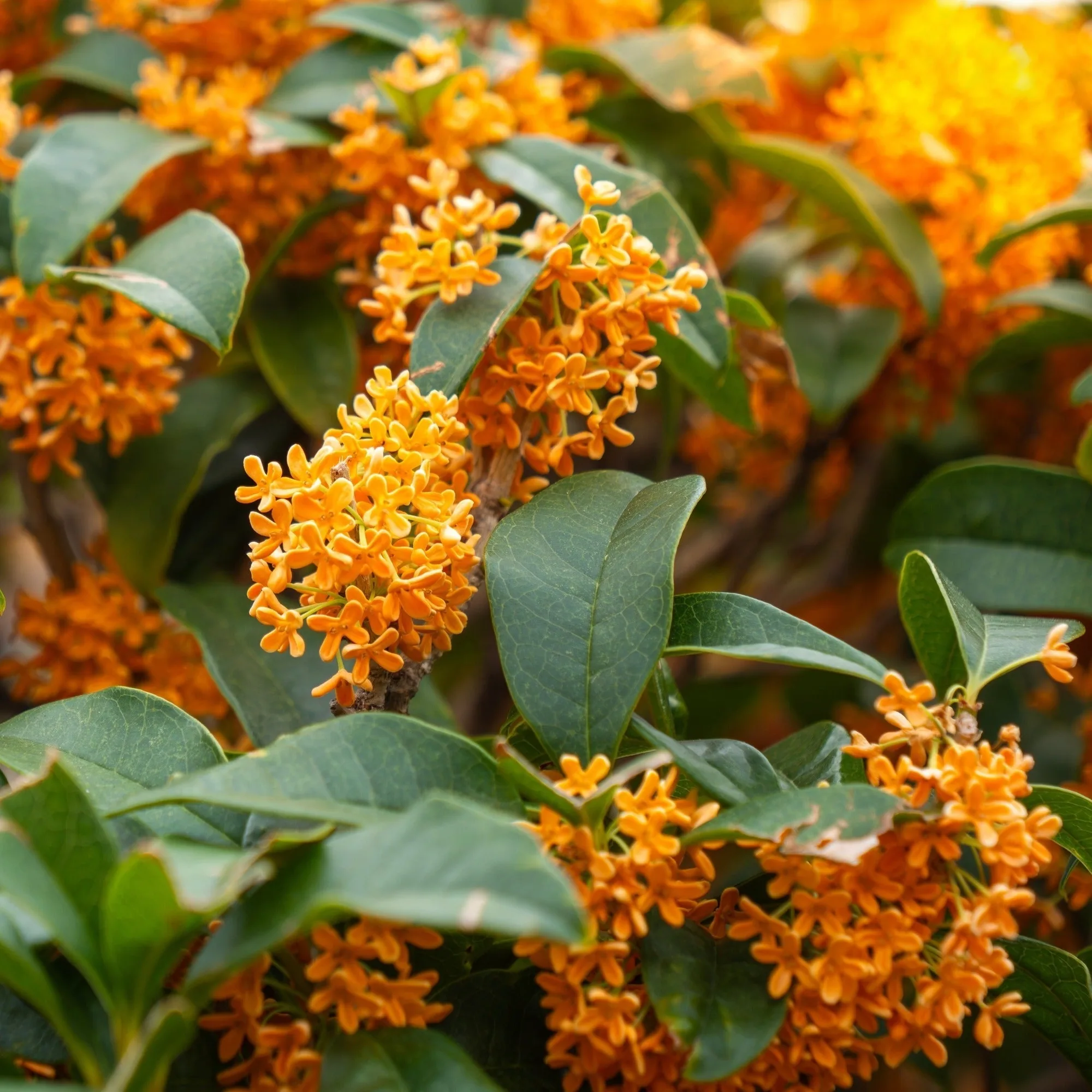
Orange Flowering Tea Olive
Deciding Based on Your Space and Goals
The Improved Meyer Lemon Tree is the clear choice if you want to harvest your own citrus. Its compact size and ability to grow indoors during cool months make it practical for patios, sunrooms, or even a sunny kitchen window. The supplied information confirms it can produce fruit up to twice a year once established, and the improved variety offers better disease resistance and cold tolerance than traditional Meyer lemons.
The Orange Flowering Tea Olive is ideal if fragrance and year-round greenery matter more than fruit. Its apricot-like scent and bright orange flowers create a sensory garden experience, and the glossy evergreen leaves provide a backdrop even when not in bloom. The record highlights its low-maintenance nature and adaptability, making it a good fit for novice gardeners. It can be grown in a container, as a hedge, or as part of a pollinator garden.
Both plants are available in specific sizes: the Meyer Lemon in a 1-2 ft. size, and the Tea Olive in a 3-gallon container. Neither record specifies mature dimensions, so you will need to research eventual height and spread if space is tight.
What the Records Do Not Tell You
The supplied information does not include specific watering schedules, fertilizer needs, or soil pH requirements for either plant. For the Meyer Lemon, you will need to confirm indoor temperature and humidity preferences beyond the general advice to give it sunshine. For the Tea Olive, the record mentions planting in well-drained soil with full to partial sun and regular watering for young plants, but does not specify exact sun hours or mature height. If precise growing conditions are critical for your setup, consider consulting a local nursery or extension service for region-specific guidance.