What Is the Improved Trauma Response Kit?
The Improved Trauma Response Kit (ITRK) from Haley Strategic Partners is a purpose-built medical kit designed to help you carry essential trauma supplies in a compact, organized package. Developed in collaboration with Special Operations Aid and Rescue™ (SOARescue), the ITRK reflects input from experienced medics and operators.
This guide covers the kit's contents, recommended setup, and practical tips for integrating it into your emergency medical kit or daily carry.
ITRK Origins and Collaboration
-
Improved Trauma Response Kit: The ITRK (Improved Trauma Response Kit) was developed in collaboration with Special Operations Aid and Rescue™ (SOARescue). This partnership means the kit is built on real-world medical experience, not just theory. You can trust that the design and contents align with what professionals actually use.
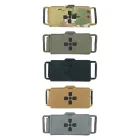
Improved Trauma Response Kit
What's Inside the ITRK
The ITRK is designed to hold a standard set of trauma supplies, though the exact contents can vary based on your needs and local protocols. Common items that fit well include:
- Tourniquet: A windlass-style tourniquet is the primary tool for stopping life-threatening limb bleeding. The ITRK has a dedicated sleeve for quick access.
- Hemostatic Gauze: Combat gauze or similar hemostatic dressing helps control bleeding in wounds where a tourniquet cannot be applied.
- Pressure Bandage: An elastic pressure bandage (e.g., Israeli bandage) for wound packing and securing dressings.
- Chest Seal: A vented chest seal for treating open chest wounds (sucking chest wounds).
- Medical Tape and Gloves: For securing dressings and protecting the responder.
Setting Up Your ITRK
Follow these steps to organize your ITRK for efficient use under stress.
- Step 1: Choose Your Carry Method: Decide whether the ITRK will live in a pouch on your belt, in a backpack, or mounted on a plate carrier. The kit's slim profile fits most standard medical pouches.
- Step 2: Load the Tourniquet First: Place the tourniquet in the designated sleeve or the most accessible pocket. In a crisis, seconds matter—this should be the first item you grab.
- Step 3: Organize by Priority: Arrange remaining supplies in order of use: hemostatic gauze, pressure bandage, chest seal, then gloves and tape. Avoid overstuffing—the kit should close without force.
- Step 4: Practice Retrieval: Dry-run accessing each item from your carry position. If you fumble, adjust the layout until you can find each item by touch alone.
Where to Carry the ITRK
The ITRK is compact enough to fit in a range bag, vehicle glove box, or a dedicated medical pouch on a belt or chest rig. For everyday carry, consider a small pouch on your strong-side belt or inside a backpack compartment. The key is consistent placement so you always know where it is.
If you mount it on a plate carrier, position it where it won't interfere with your rifle stock or gear but remains reachable with either hand.
Maintenance and Refresh Tips
Check your ITRK every few months. Replace any items that show wear, expired packaging, or compromised sterility. Tourniquets and gauze have long shelf lives, but pressure bandages and chest seals may degrade over years. Keep a small inventory of spare supplies so you can restock immediately after use.