Indian tonic water is far more than a simple carbonated beverage; it is a drink steeped in colonial history, medicinal roots, and evolving craftsmanship. For centuries, its signature bitterness—derived from quinine—was a vital tool in fighting malaria, and today it has become the essential companion to gin, elevating cocktails with its crisp, complex taste. Understanding its journey from a bitter tonic to a premium mixer reveals why it remains a staple in bars and homes worldwide.
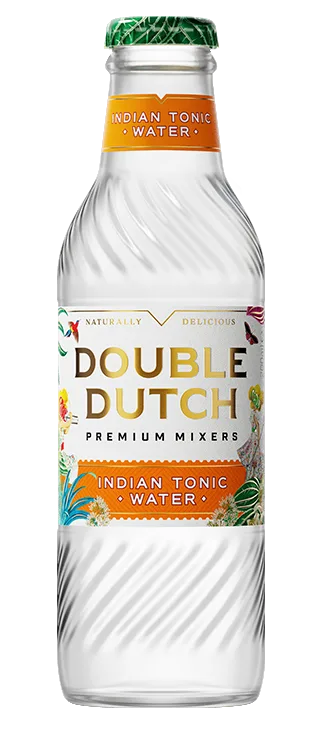
Indian tonic water
In this deep dive, we explore the origins of tonic water, the role of quinine, and how modern brands have refined the flavor profile to create the perfect balance of bitterness, sweetness, and botanicals. Whether you are a gin enthusiast or a curious newcomer, this guide will help you appreciate the subtle nuances of Indian tonic water and how to choose the best for your next drink.
The Origins of Tonic Water: From Malaria Remedy to Gin Companion
The story of tonic water begins in the 17th century, when Spanish missionaries in Peru discovered that the bark of the cinchona tree could treat fevers. The active compound, quinine, became the first effective treatment for malaria. British colonial officers in India and other tropical outposts soon adopted quinine, but its intense bitterness made it nearly undrinkable. To mask the taste, they mixed it with soda water, sugar, and a splash of gin—thus the gin and tonic was born.
soda water
By the 19th century, tonic water was commercially produced, though early versions were far more bitter than today's. The British Empire's expansion cemented its popularity, and the drink became synonymous with colonial life. Modern Indian tonic water retains that historical link, but advancements in production have softened the bitterness while preserving quinine's distinctive edge. Today, it is a globally loved mixer, with brands crafting variations that highlight floral, citrus, or herbal notes.
- Tip: For an authentic colonial-style G&T, use a classic Indian tonic water with a high quinine content and garnish with a slice of lime.
Understanding Quinine: The Heart of Indian Tonic Water
Quinine is the defining ingredient of Indian tonic water, responsible for its characteristic bitterness. Extracted from cinchona bark, it has a sharp, slightly metallic taste that can be off-putting on its own but becomes wonderfully complex when balanced with sugar and carbonation. The amount of quinine in commercial tonic water is strictly regulated to ensure safety, as excessive consumption can cause side effects. Most premium tonic waters contain just enough to deliver a pleasant bitterness without overpowering the drink.
The flavor profile of quinine pairs exceptionally well with gin's juniper and botanical notes, creating a harmony that has made the G&T a classic. Modern Indian tonic waters often enhance this profile with additional botanicals like lemongrass, coriander, or citrus peels, adding layers of aroma and taste. When selecting a tonic water, look for one that lists quinine prominently, as this indicates a more authentic, bitter experience that will stand up to bold gins.
- Did you know? Quinine is also used in small amounts in some aperitifs and bitters for its digestive properties.
The Modern Flavor Profile: What Makes a Premium Indian Tonic Water?
Today's Indian tonic water is a far cry from its medicinal ancestor. Premium brands focus on a balanced flavor profile where bitterness is tempered by sweetness from cane sugar or agave, and complemented by subtle botanical infusions. The carbonation level is also key—fine, persistent bubbles lift the aromatics and refresh the palate. A well-crafted Indian tonic water should have a clean finish, without any artificial aftertaste, making it versatile enough for sipping alone or mixing with spirits.
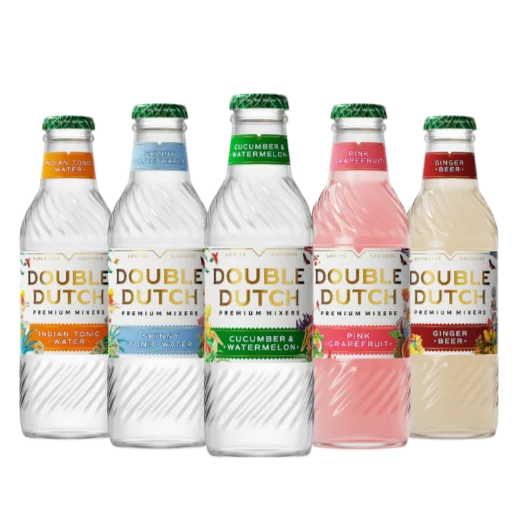
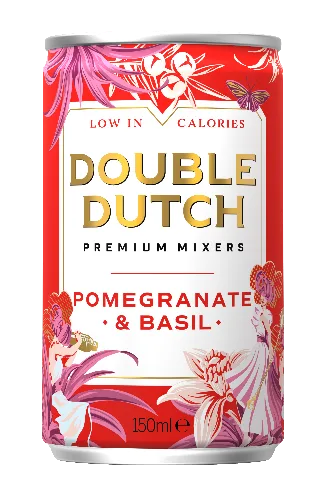
Some of the best Indian tonic waters incorporate regional ingredients to create unique expressions. For example, our own Indian Tonic Water (24x 150ml) uses a blend of natural quinine and citrus oils to achieve a bright, zesty character that pairs beautifully with London dry gins. Meanwhile, the Pomegranate & Basil Soda (24x 150ml) offers a fruitier, herbaceous alternative that can transform a simple G&T into a sophisticated cocktail. These variations highlight how the category has evolved to cater to diverse palates and occasions.
- For a lighter, less bitter option, try a tonic water with lower quinine content and added fruit essences.
How to Choose the Best Indian Tonic Water for Your Gin
Selecting the right Indian tonic water depends on your gin's style and your personal taste preferences. For classic London dry gins, a traditional tonic with high quinine bitterness and moderate sweetness is ideal—it complements the juniper without masking it. For floral or citrus-forward gins, consider a tonic with botanical infusions like elderflower or lemongrass, which can enhance those notes. If you prefer a sweeter profile, look for tonic waters sweetened with cane sugar rather than high-fructose corn syrup, as they provide a cleaner taste.
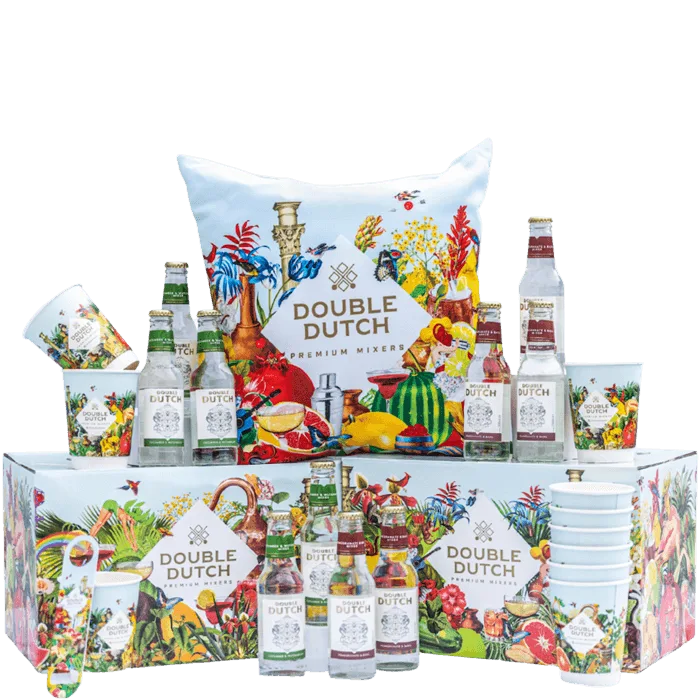
Experimentation is key. Start with a standard Indian tonic water and adjust the ratio to your liking—typically a 1:1 or 1:2 gin-to-tonic ratio works well. Garnishes also play a role: a slice of grapefruit can brighten a citrusy tonic, while a sprig of rosemary adds an earthy note. For those new to the category, the Discovery Box (Try at 50% OFF!) is a great way to sample different styles and find your favorite. It includes a curated selection of mixers that showcase the diversity of Indian tonic water and soda options.
- Pro tip: Always use fresh, high-quality ice to avoid diluting the drink too quickly.
Indian Tonic Water in Cocktails Beyond the G&T
While the gin and tonic is the most famous use, Indian tonic water is a versatile mixer that shines in many other cocktails. Its bitterness can balance sweet liqueurs like Aperol or Campari, making it a great base for spritzes. It also works well with vodka, adding complexity without overpowering the spirit. For a non-alcoholic option, tonic water mixed with fresh lime and a dash of bitters creates a refreshing mocktail that mimics a cocktail's depth.
Carbonated drinks like tonic water also pair wonderfully with fruit sodas. For instance, combining our Cucumber & Watermelon Soda (24x 150ml) with a splash of tonic water creates a light, hydrating summer drink. The key is to treat tonic water as an ingredient rather than just a filler—its bitterness can cut through sweetness and add structure to any drink. As mixology continues to evolve, Indian tonic water remains a cornerstone of creative bartending.
- Try a 'Tonic Spritz': mix equal parts tonic water and prosecco, then add a lemon twist for a bubbly aperitif.
Indian tonic water is a testament to how a functional remedy can transform into a beloved culinary staple. Its rich history, balanced bitterness, and evolving flavor profiles make it an essential addition to any home bar. Whether you prefer a classic G&T or adventurous cocktails, exploring different tonic waters is a journey worth taking. To start your exploration, consider the Discovery Box (Try at 50% OFF!)—it offers a curated selection of premium mixers that will help you find your perfect pairing and elevate your drinking experience.