The breakfast sandwich has evolved from a quick grab-and-go option into a powerhouse category within the food industry. Over the past decade, the breakfast sandwich market has experienced remarkable growth, driven by shifting consumer habits, demand for protein-rich meals, and innovations in frozen food technology. Today, breakfast sandwiches represent one of the fastest-growing segments in the frozen food aisle, with sales climbing steadily year over year.
Industry analysts point to several factors fueling this expansion: the rise of remote and hybrid work schedules, increased focus on high-protein breakfasts, and the convenience of microwave-ready and oven-friendly formats. As consumers seek meals that deliver both speed and nutrition, frozen breakfast sandwiches have become a staple in households across the country. This article dives into the numbers, trends, and key players shaping the breakfast sandwich industry.
Market Overview: The Rise of the Frozen Breakfast Sandwich
The global frozen breakfast sandwich market was valued at over $4 billion in 2023 and is projected to grow at a compound annual growth rate (CAGR) of 6.5% through 2030, according to recent industry reports. North America accounts for the largest share, with the United States leading in both production and consumption. The convenience factor remains the primary driver: busy mornings leave little time for cooking, and frozen sandwiches offer a hot, satisfying meal in under three minutes.
Retail data shows that frozen breakfast sandwiches have outperformed many other frozen breakfast categories, including frozen pancakes and waffles. In 2024, dollar sales for frozen breakfast sandwiches rose by 8.2% compared to the previous year, while unit sales increased by 4.5%. This growth is not limited to traditional biscuit sandwiches; English muffin varieties, ciabatta options, and breakfast bowls are also gaining traction. Products like the Meat Lovers English Muffin cater to consumers who want hearty, protein-packed options, while lighter choices appeal to health-conscious shoppers.
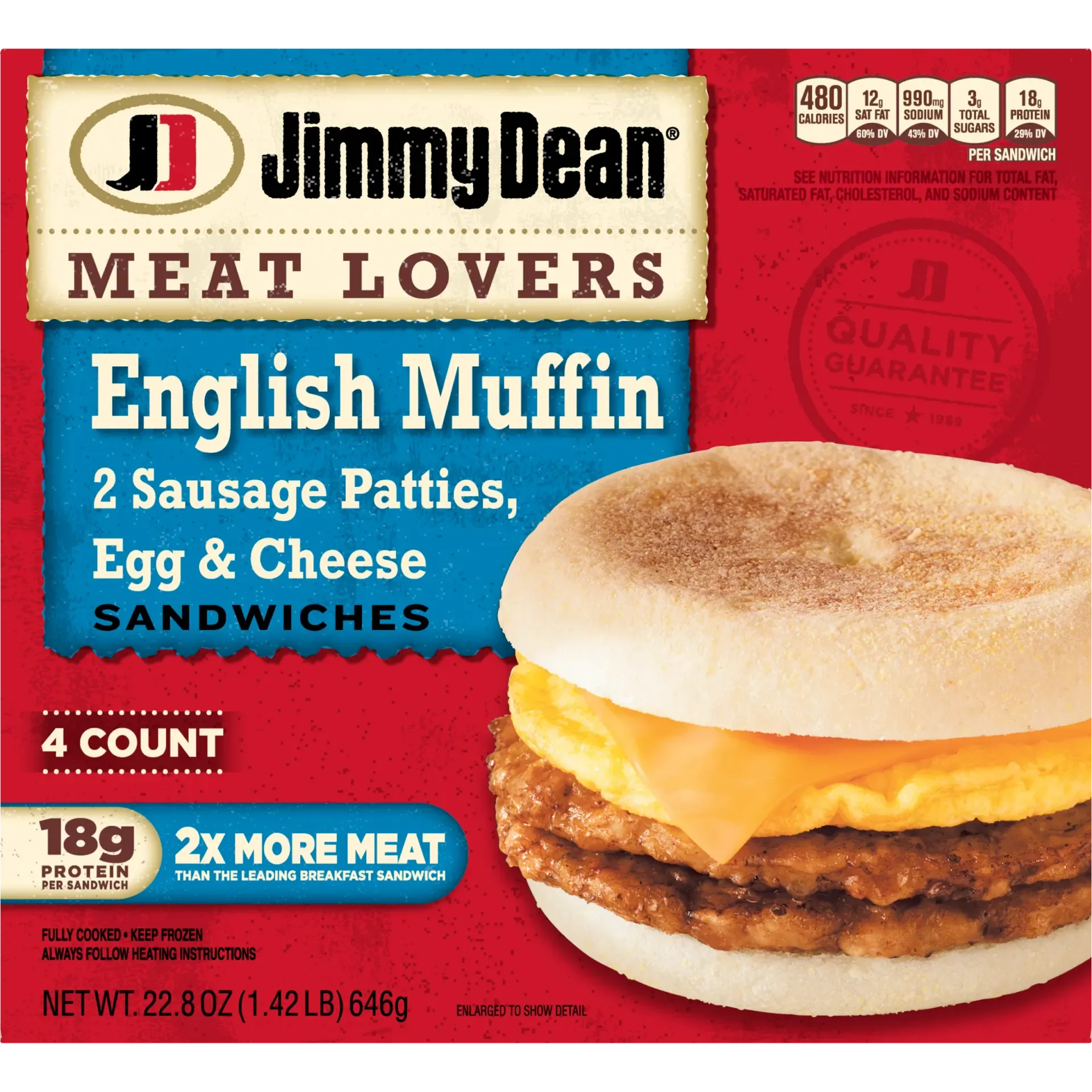
Meat Lovers English Muffin
- Frozen breakfast sandwich sales grew 8.2% in 2024, outpacing other frozen breakfast categories.
- The market is projected to reach $6.5 billion globally by 2030.
- Convenience and protein content are the top purchase drivers for consumers.
Consumer Trends Driving Demand
Today's breakfast consumer is time-pressed but nutritionally aware. A 2024 survey by the International Food Information Council found that 62% of adults prioritize protein in their morning meal, and 45% say convenience is their top factor when choosing breakfast foods. Frozen breakfast sandwiches check both boxes, offering 15–25 grams of protein per serving in a format that requires minimal preparation. Products like the Delights Egg Whites, Turkey Sausage & Cheese Ciabatta Sandwiches have gained popularity by combining lean protein with whole grains, appealing to those seeking a balanced start to their day.
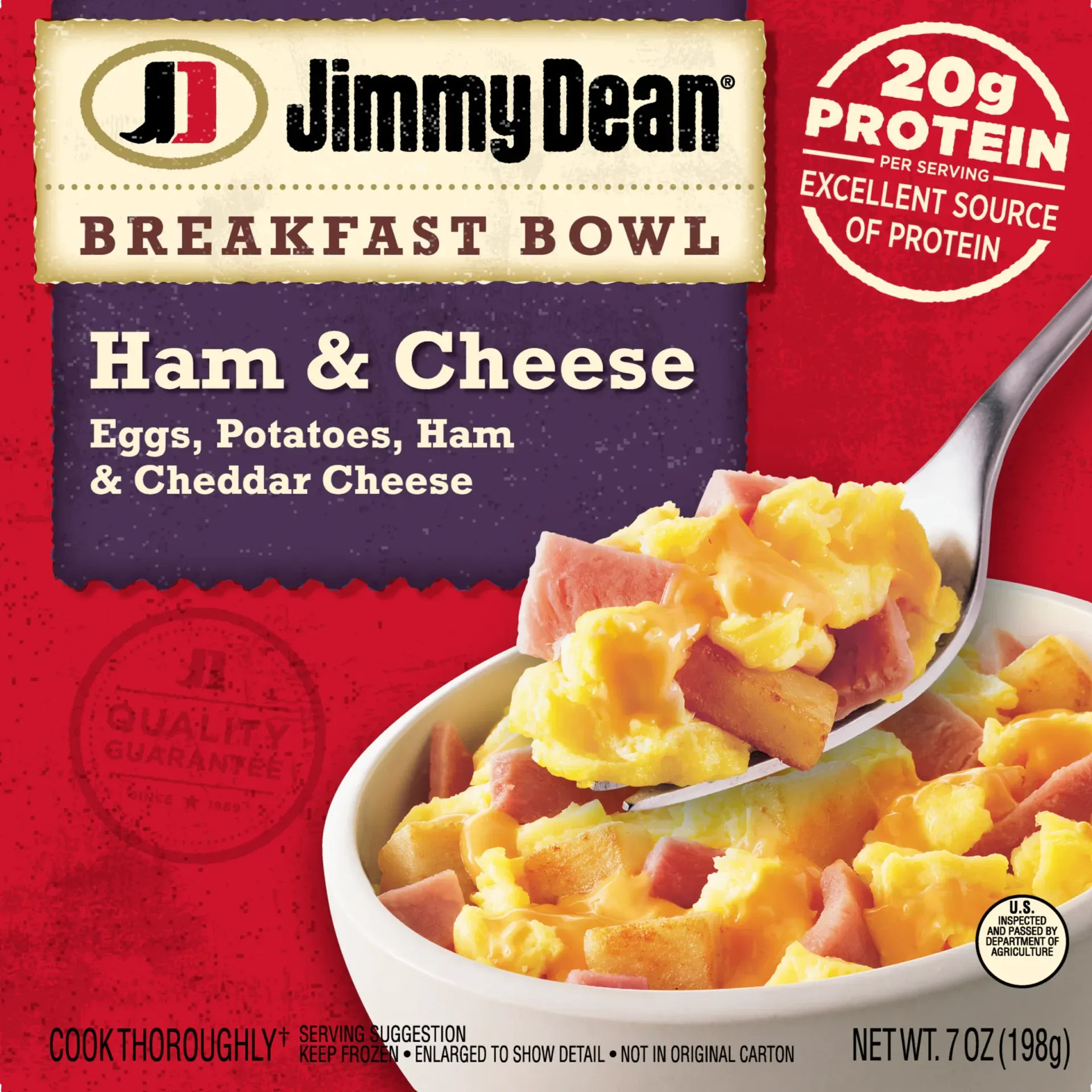
Another key trend is the desire for variety. Consumers no longer want just one type of breakfast sandwich; they want options that fit different moods and dietary needs. This has led to a proliferation of flavors and formats, from spicy chicken to plant-based alternatives. Breakfast bowls are also on the rise, with offerings like the Bacon Breakfast Bowl providing a hearty, egg-based meal that feels more like a home-cooked breakfast. The ability to customize and mix products within a brand's lineup helps retailers capture more basket share.
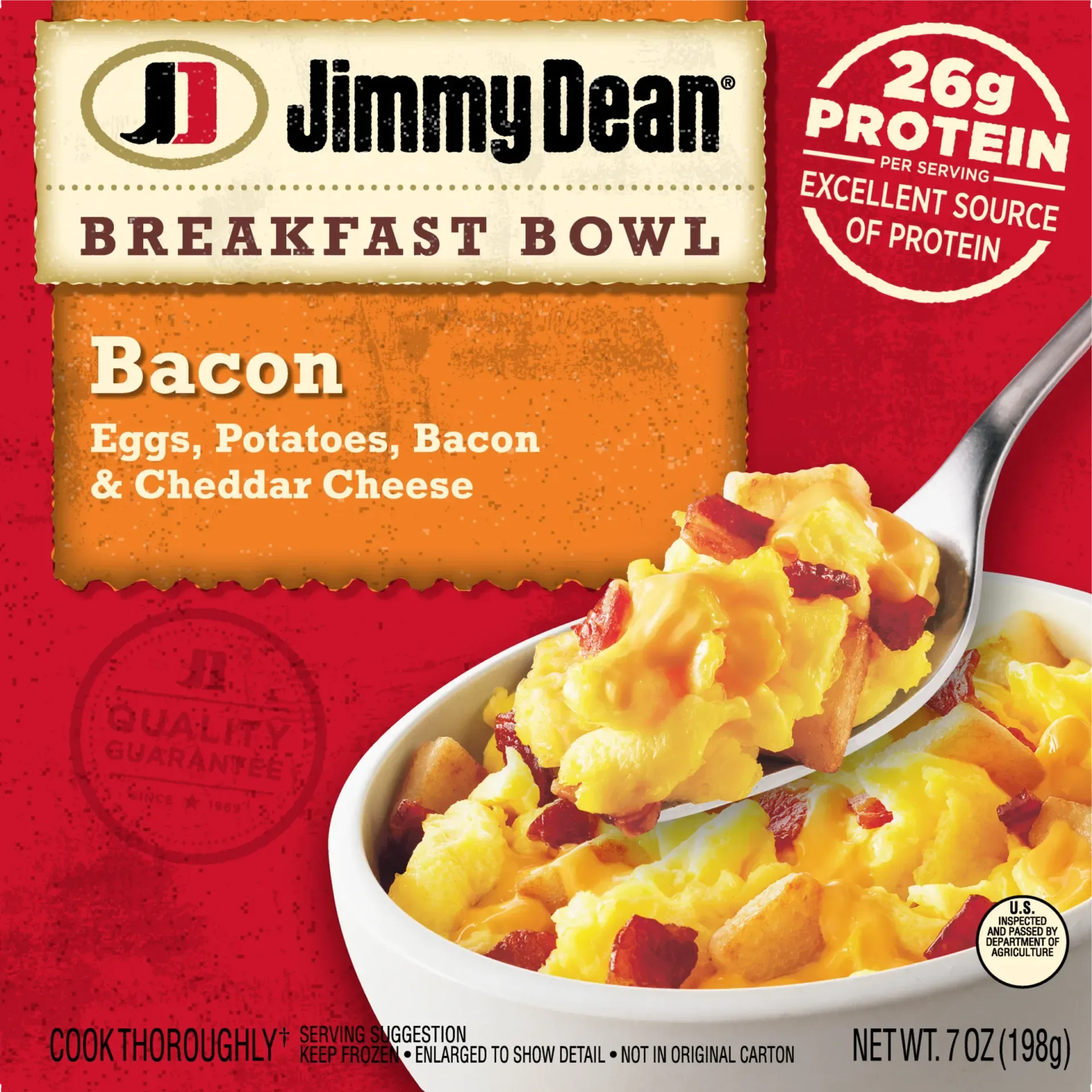
Bacon Breakfast Bowl
Innovations in Frozen Food Technology
Behind the scenes, food scientists and manufacturers are constantly improving the quality of frozen breakfast sandwiches. Advances in flash-freezing techniques preserve texture and flavor, while new packaging materials help maintain freshness and prevent freezer burn. The result is a product that, when reheated, tastes remarkably close to its fresh-made counterpart. Many brands now offer oven and air fryer instructions alongside microwave directions, giving consumers more control over the final result.
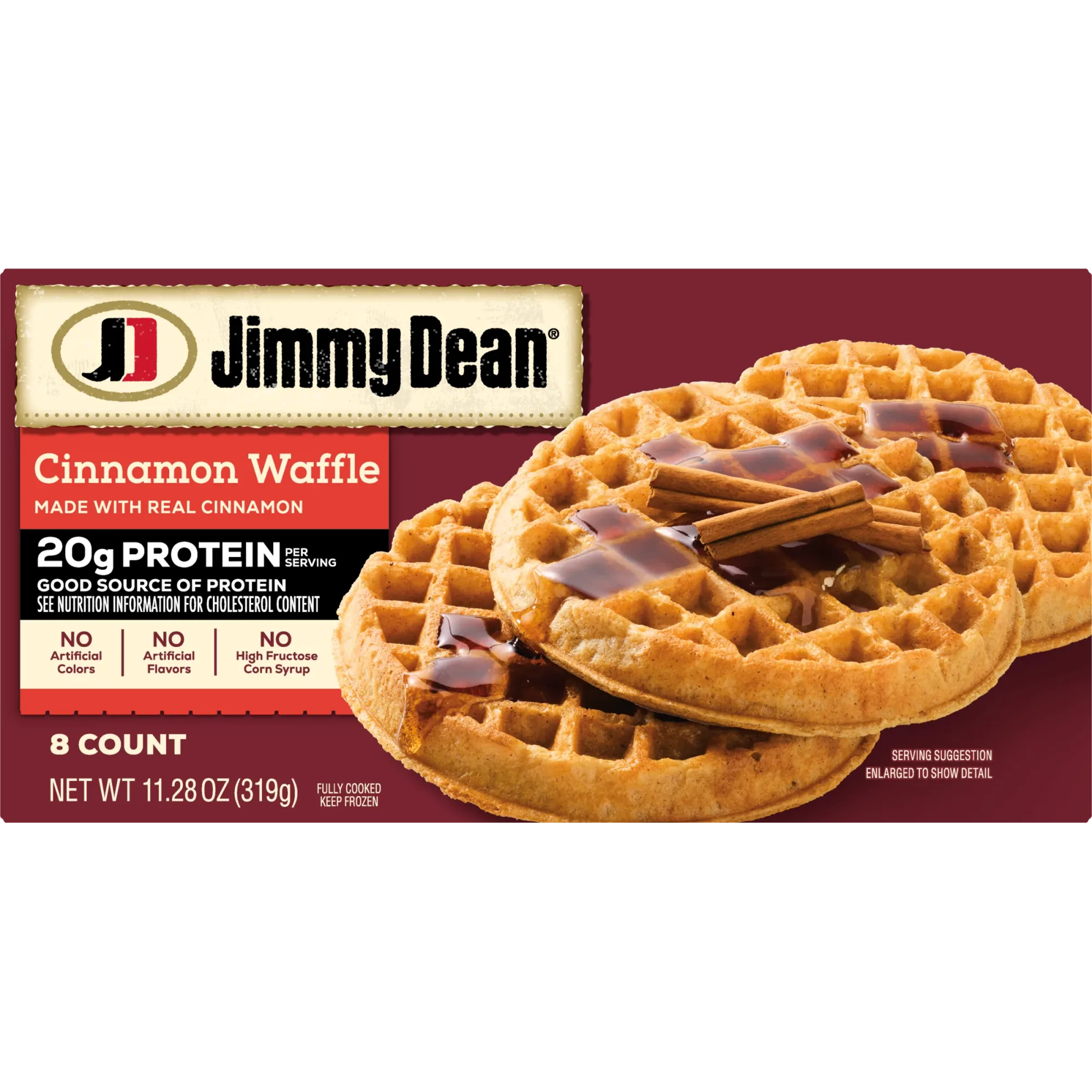
Portion control and clean-label ingredients are also shaping product development. Consumers are reading labels more carefully, and brands are responding by reducing sodium, eliminating artificial preservatives, and incorporating whole grains. The rise of protein-enriched waffles and pancakes—such as Buttermilk Protein Waffles—shows how the category is expanding beyond sandwiches into complementary breakfast items that can be paired with eggs or sausage. These innovations keep the frozen breakfast aisle dynamic and competitive.
- Flash-freezing technology preserves taste and texture better than ever.
- Clean-label trends are driving reformulations with fewer additives.
- Air fryer compatibility is becoming a standard feature for frozen breakfast items.
Competitive Landscape and Key Players
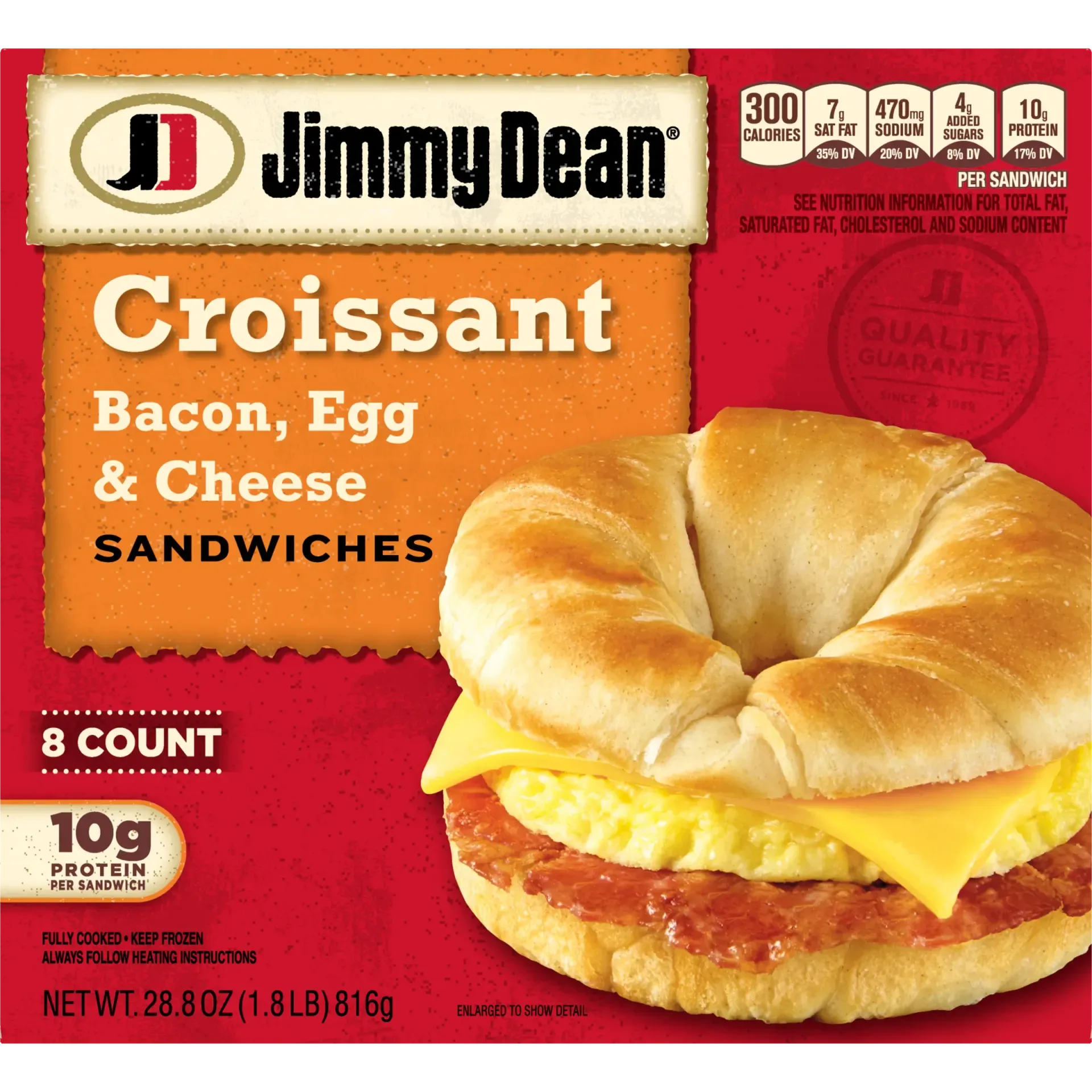
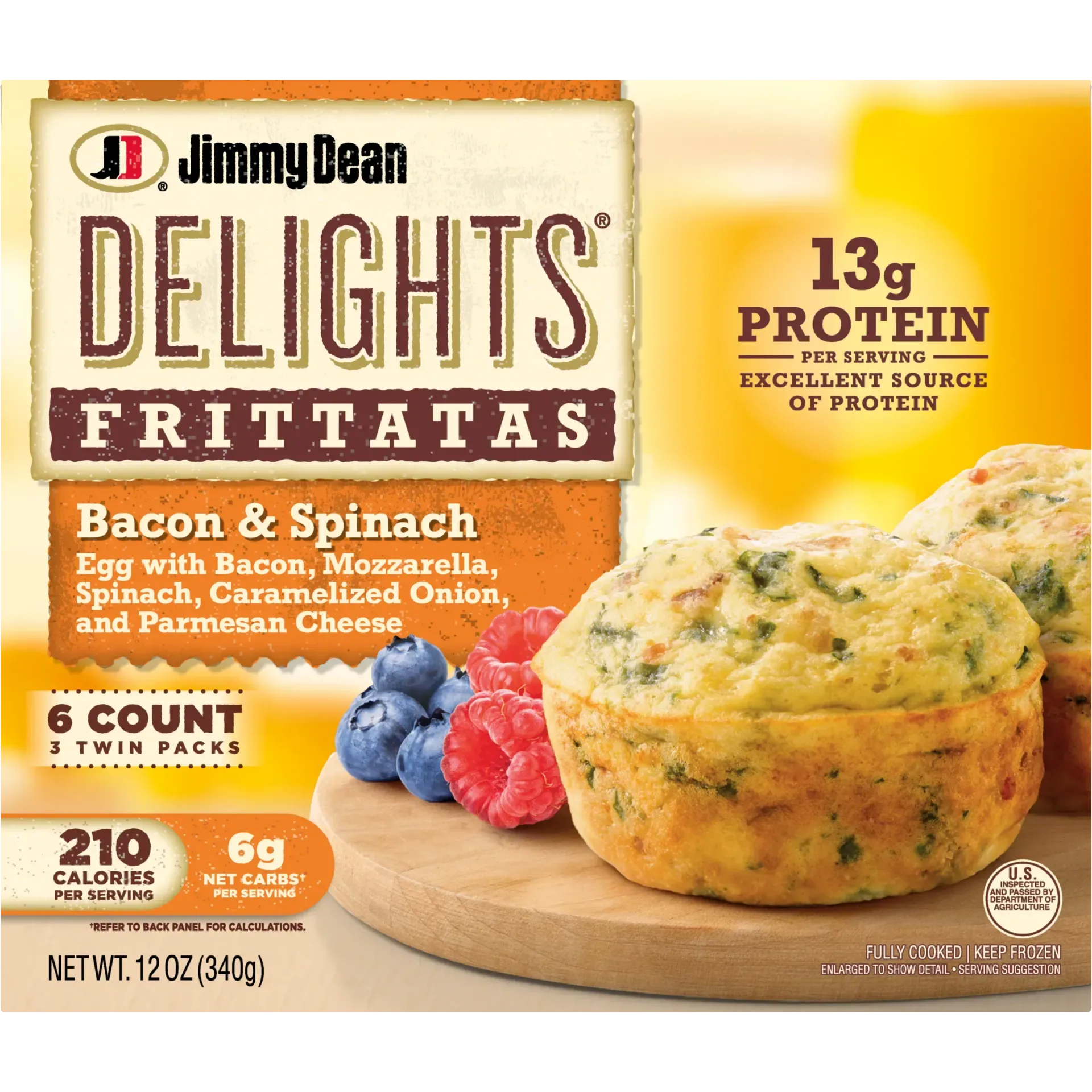
The frozen breakfast sandwich market is highly competitive, with major brands like Jimmy Dean, Kellogg's, and Nestlé dominating shelf space. Jimmy Dean alone accounts for a significant share, offering a wide range of products from classic biscuit sandwiches to lighter ciabatta options and breakfast bowls. The brand's ability to innovate while maintaining trusted flavors has kept it at the forefront of the category.
Private-label brands are also gaining ground, with many retailers launching their own frozen breakfast sandwiches at lower price points. However, national brands continue to lead in consumer trust and marketing spend. The competition has spurred more frequent product launches, seasonal offerings, and limited-edition flavors. For example, the Meat Lovers Breakfast Bowl taps into the demand for indulgent, high-protein meals, while the Simple Scrambles Turkey Sausage line offers a quick-cook alternative for those who want scrambled eggs without the mess. This variety ensures that consumers always have something new to try.
Future Outlook: What's Next for Breakfast Sandwiches?
Looking ahead, the breakfast sandwich industry shows no signs of slowing down. Analysts predict continued growth driven by expanding distribution channels, including e-commerce and meal kit services. Frozen breakfast sandwiches are increasingly being sold in bulk through online grocers, and subscription models are emerging for regular deliveries. This shift aligns with broader consumer trends toward convenience and home delivery.
Sustainability is also becoming a factor. Brands are exploring eco-friendly packaging and sourcing ingredients from responsible suppliers. As consumers become more environmentally conscious, companies that prioritize sustainability may gain a competitive edge. Additionally, plant-based breakfast sandwiches are expected to grow as more consumers adopt flexitarian diets. The category's ability to adapt to changing tastes and technologies will determine its long-term success. For now, the frozen breakfast sandwich remains a reliable, beloved option for millions of Americans.
The breakfast sandwich industry is thriving, fueled by consumer demand for quick, protein-rich meals and continuous innovation in frozen food technology. Whether you prefer a classic biscuit sandwich or a lighter ciabatta option, the frozen aisle offers something for every palate and schedule. Explore the Jimmy Dean Meat Lovers English Muffin for a hearty, satisfying start to your day, or try the Delights Egg Whites, Turkey Sausage & Cheese Ciabatta Sandwiches for a lighter but equally delicious option. The future of breakfast is frozen, and it's only getting better.