Quick Take
Brands that add inclusive, socially‑aware designs to their sticker lines see higher engagement and sales. Prioritize authentic representation to meet growing consumer demand.
Sticker makers are responding to a clear shift: buyers now look for designs that reflect diverse cultures, identities, and causes. This change isn’t a fleeting fad; it’s rooted in broader social conversations and a desire for products that feel personal.
The trend is also measurable. Search data shows spikes in queries like “inclusive sticker designs” and “diversity stickers market.” Retailers that act early can capture a more loyal audience while reinforcing brand values.
Why are consumers demanding more inclusive sticker designs?
People use stickers to personalize belongings, from laptops to planners. When a design mirrors their identity or values, it feels more meaningful. Inclusive stickers turn a simple decorative item into a statement of belonging.
Social media amplifies this effect: users share their favorite inclusive designs, creating organic word‑of‑mouth that drives new buyers.
- Look for under‑represented themes (e.g., neurodiversity, cultural motifs).
- Partner with creators from the communities you want to represent.
How does sticker social messaging influence purchasing decisions?
Stickers that carry a clear message—whether it’s environmental, mental‑health, or LGBTQ+ pride—serve as mini‑advocacy tools. Shoppers often choose them to signal support, which can outweigh price considerations.
A well‑crafted message also boosts repeat purchases, as buyers seek to expand their collection of purpose‑driven designs.
- Use concise, positive wording that can be read at a glance.
- Test different taglines with a small audience before full launch.
What are the risks of tokenism in inclusive sticker design?
Superficial representation—adding a single diverse character without authentic context—can backfire, appearing insincere. Consumers quickly call out tokenism, which harms brand reputation.
Invest time in research and collaboration to ensure designs are respectful and accurate.
- Avoid stereotypes and clichés.
- Seek feedback from the communities depicted.
FAQ Quick Reference
Start with authentic research
Talk to community members and test concepts early. Ensures designs feel genuine and avoid tokenism.
Leverage waterproof materials
Use UV‑laminated vinyl stickers for durability on outdoor gear. Keeps inclusive messages visible longer.
Promote through social channels
Share user‑generated content that highlights diverse stickers. Builds community trust and drives organic sales.
Product Examples Showing Inclusive Design Options
- Waterproof Sticker - BOOKISH Books Lover Tattoo: Durable, waterproof vinyl sticker, approx. 2.4" x 1.9", protected with UV laminate for rain or shine. The sturdy finish lets readers stick it on laptops or water bottles without fading, making it a reliable way to showcase a literary identity.
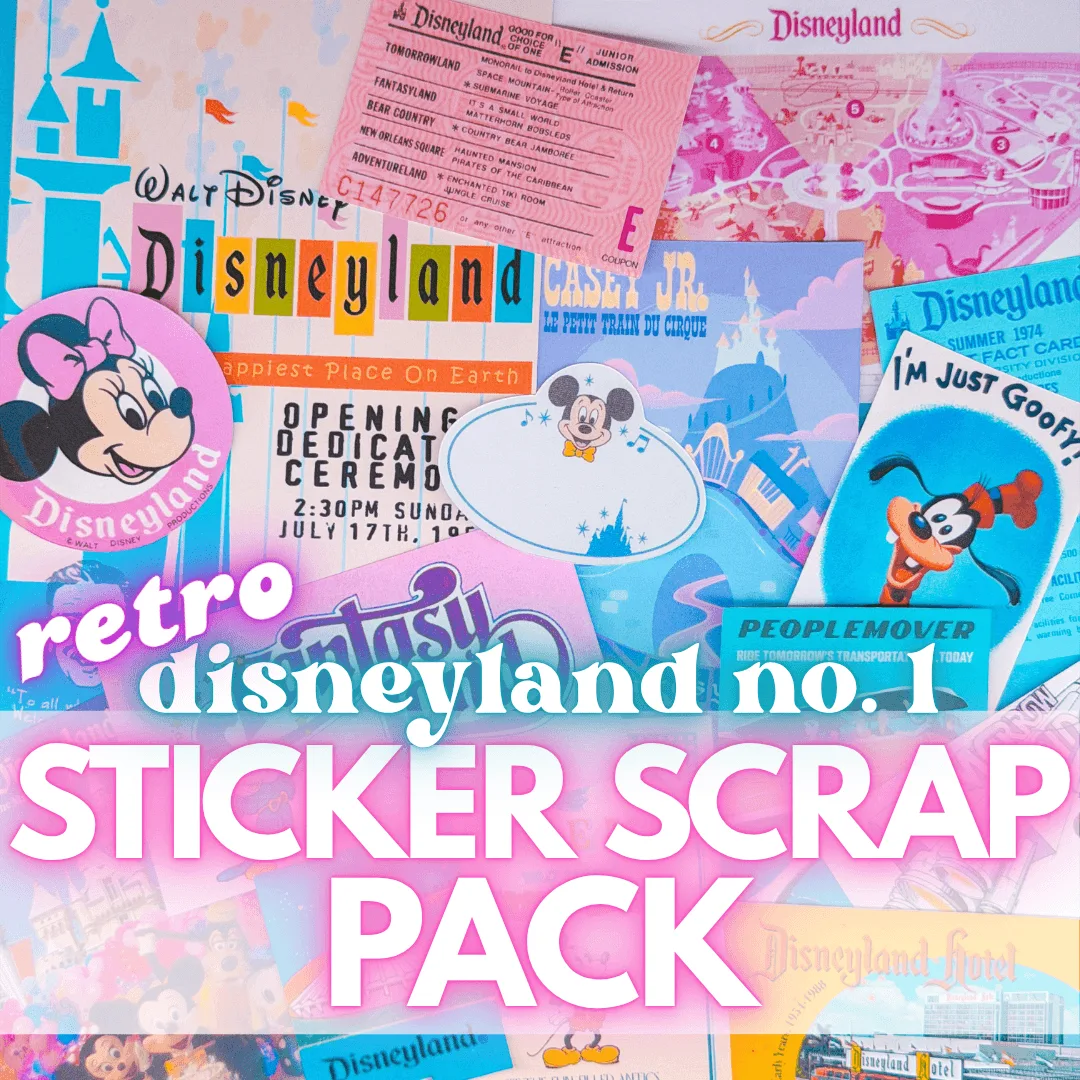
- STICKER SCRAP PACK - Retro DLand No. 1: Journaling paper sticker bundle with 15+ stickers ranging from 5" x 7" to 0.5" x 0.5", printed on standard matte paper. A mixed‑theme pack offers diverse visual elements, enabling creators to build inclusive layouts that reflect multiple interests in one set.
Inclusive sticker designs are more than a trend—they’re a reflection of evolving consumer values. By prioritizing authentic representation, using durable materials, and amplifying the message, brands can stay relevant and foster deeper connections.