As we move into 2025, the world of tabletop design is embracing a new philosophy: efficiency without sacrificing style. Modular and stackable dinnerware sets are emerging as the must-have trend for modern homes, offering a blend of practicality and aesthetic appeal that resonates with today's consumers. Whether you live in a compact apartment or simply crave a more organized kitchen, these innovative designs promise to revolutionize the way you set your table.
The shift toward modular dinnerware is driven by a growing desire for versatility and sustainability. Instead of owning dozens of mismatched pieces, more people are investing in cohesive sets that can be mixed, matched, and stacked neatly. This trend not only saves precious cabinet space but also reduces waste by encouraging thoughtful purchasing. Let's explore why stackable plates and bowls are becoming the centerpiece of 2025's dinnerware trends.
Why Modular Dinnerware Is Taking Over in 2025
The concept of modular dinnerware isn't entirely new, but its popularity has surged in recent years due to changing lifestyles. More people are cooking at home, hosting intimate gatherings, and seeking products that adapt to their needs. Modular sets allow you to start with a few essential pieces and expand over time, making them ideal for growing households or those who love to entertain. The flexibility to combine different shapes and sizes—like pairing a medium bowl with a bread plate—creates endless possibilities for both everyday meals and special occasions.
Another key factor is the rise of small-space living. Urban dwellers and minimalists are prioritizing products that serve multiple purposes and store efficiently. Stackable dinnerware, in particular, addresses this need by reducing clutter and maximizing vertical storage. Brands are responding with designs that are not only functional but also visually cohesive, ensuring that your table looks curated and intentional. The trend also aligns with the broader movement toward slow living and mindful consumption.
- Look for sets that include stackable plates, bowls, and mugs to maximize cabinet space.
- Modular designs often feature neutral colors and organic shapes that complement various tabletop styles.
Key Features of Stackable Dinnerware Sets
When shopping for stackable dinnerware in 2025, pay attention to materials and construction. Stoneware and porcelain are popular choices because they are durable, oven-safe, and often feature subtle textures that add depth. Many sets now incorporate non-slip bases or raised rims that prevent pieces from sliding during stacking, making them safer and more practical. Additionally, some designs include interchangeable components, such as lids that double as trivets or bowls that nest inside each other.
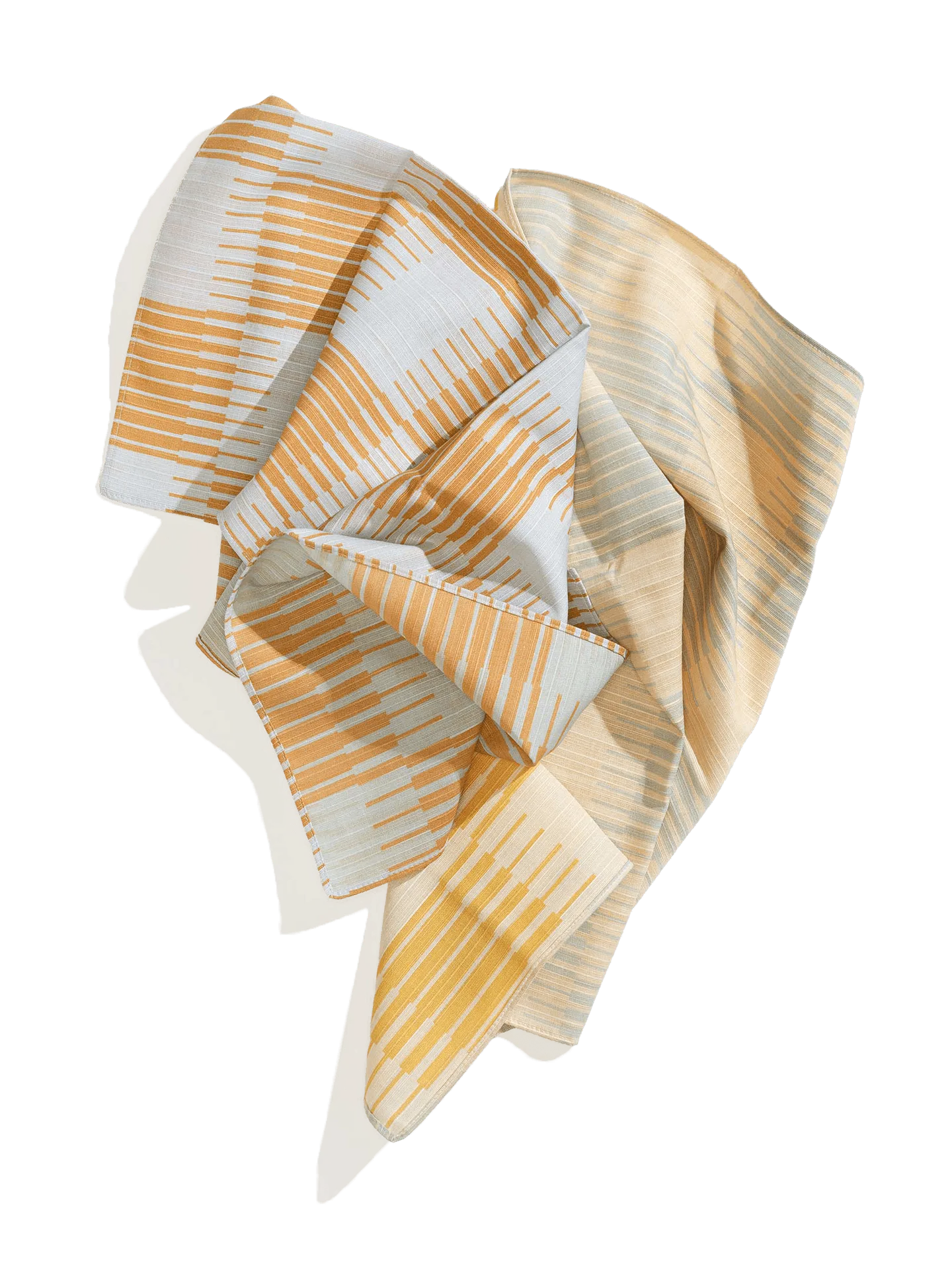
Another important feature is the ability to mix and match within a collection. For instance, you might combine a set of bread plates with larger dinner plates and deep bowls to create a fully customizable table setting. This modular approach allows you to buy exactly what you need without committing to a rigid set. Some brands even offer coordinating linens and flatware to complete the look, such as the Tablecloth Sabi and Dinner Napkins Sabi Mixed Sets, which pair beautifully with neutral stoneware.
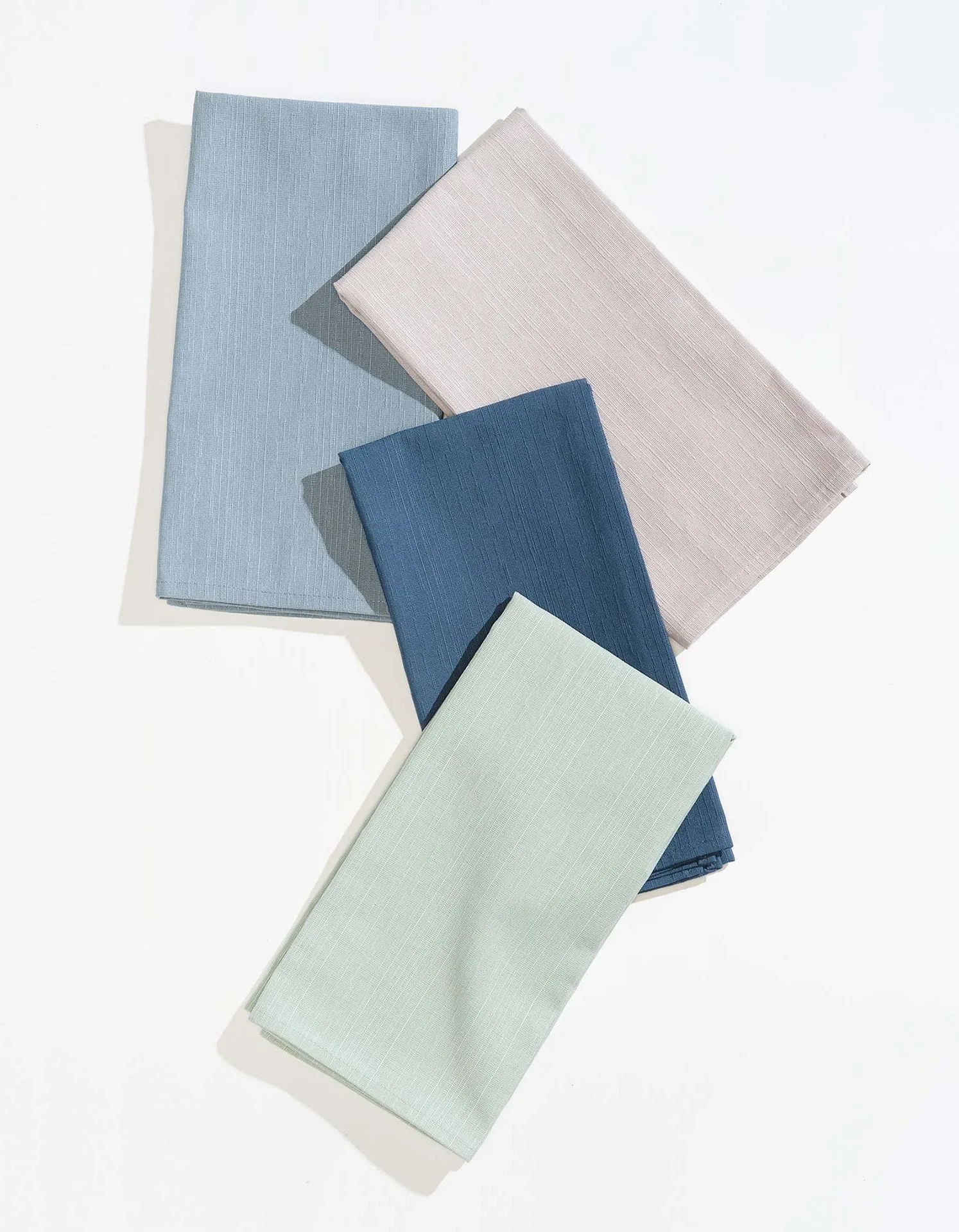
Dinner Napkins Sabi Mixed Sets
- Check for dishwasher-safe and microwave-safe labels to ensure easy maintenance.
- Consider sets with reversible or multi-use pieces for added value.
How to Build a Modular Dinnerware Collection
Starting a modular dinnerware collection is easier than you might think. Begin with the most versatile pieces: a set of dinner plates, salad plates, and bowls. From there, you can add accent items like bread plates or serving platters. The key is to choose a cohesive color palette or material that ties everything together. Neutral tones like white, beige, and soft gray are timeless, while earthy glazes and handcrafted finishes add character.
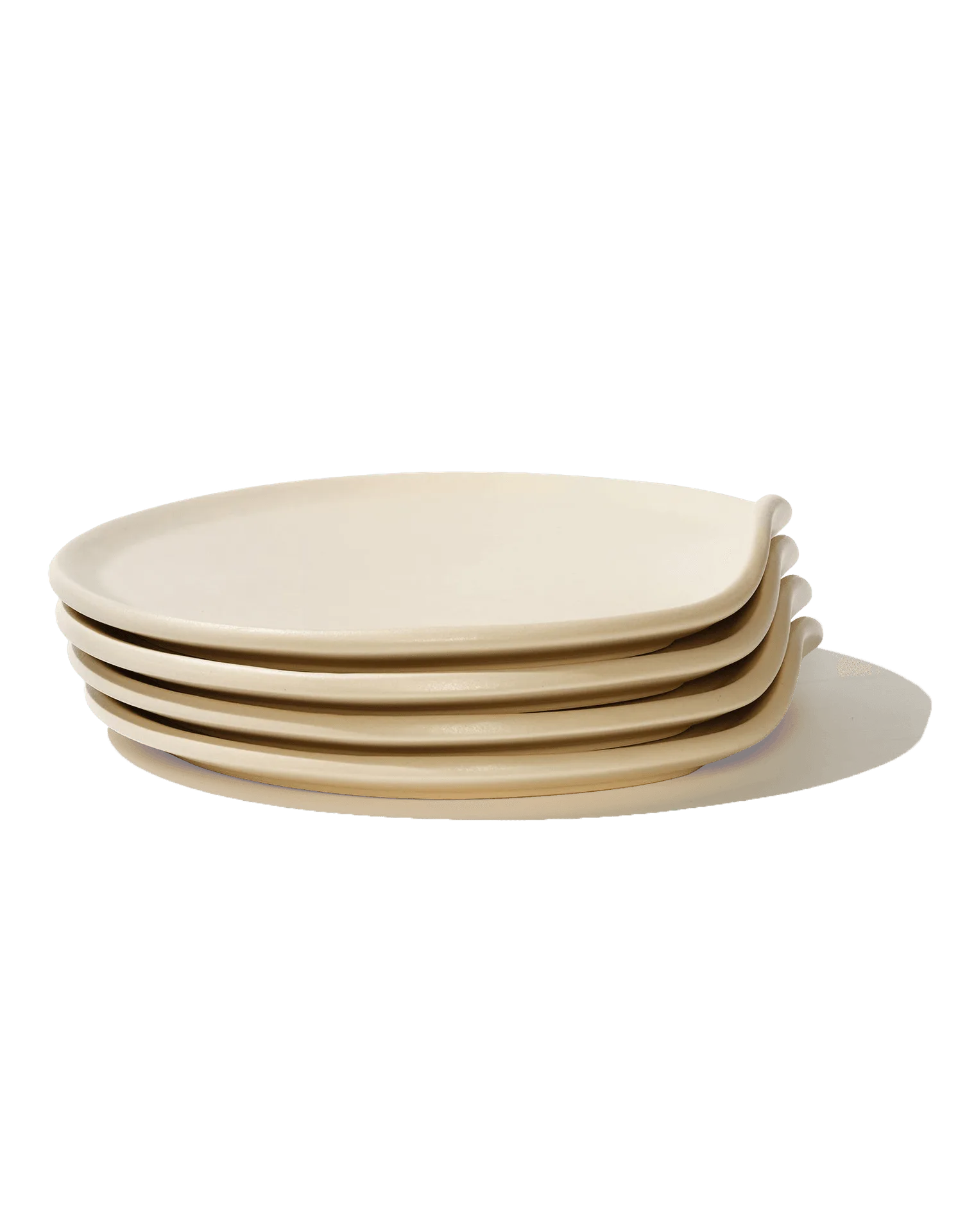
Many modern collections are designed to be expanded over time. For example, you might purchase a set of bread plates first and later add matching bowls or mugs. This approach allows you to spread the cost and adapt your collection as your needs change. Don't forget to consider storage solutions, such as stackable racks or felt trivets, to keep your pieces organized. The Artisan Felt Pom Pom Trivet is a charming and functional accessory that protects your table while adding a pop of texture.
- Start with a core set of 4-6 place settings and build from there.
- Invest in quality pieces that can withstand daily use and frequent stacking.
Top Materials for Modular Dinnerware in 2025
Material choice plays a crucial role in the success of modular dinnerware. Stoneware remains a top contender due to its durability, weight, and ability to retain heat. Porcelain offers a more delicate appearance while still being strong and chip-resistant. For outdoor or casual dining, melamine is a lightweight and shatterproof alternative that comes in a variety of colors and patterns.
Another emerging trend is the use of sustainable materials like recycled ceramics or bamboo fiber. These eco-friendly options appeal to environmentally conscious consumers who want to reduce their carbon footprint. When selecting materials, consider how they will interact with other tabletop elements. For instance, pairing stoneware plates with linen napkins creates a warm, organic tablescape. The Bread Plate Set of 4 is a great example of a versatile piece that works well in both casual and formal settings.
- Stoneware and porcelain are ideal for everyday use and stacking.
- Look for pieces with a matte or reactive glaze for a modern, artisanal feel.
Styling Tips for Modular Tablescapes
One of the greatest advantages of modular dinnerware is the freedom to create unique tablescapes. Mix and match different shapes and sizes to add visual interest. For example, use a large dinner plate as a base, layer a smaller salad plate on top, and finish with a bread plate. This layered look is both practical and elegant, allowing you to showcase each piece's design.
Don't forget to incorporate textiles and flatware to complete the setting. Neutral linens like the Tablecloth Sabi provide a soft backdrop, while handcrafted flatware adds a touch of sophistication. You can also use stackable bowls for serving sides or individual portions. The key is to maintain a sense of balance and cohesion. For a minimalist approach, stick to one or two colors and let the textures do the talking.
- Use stackable pieces to create height and dimension on the table.
- Incorporate natural elements like wooden boards or ceramic vases for a rustic touch.
Modular and stackable dinnerware sets are more than just a passing trend—they represent a shift toward smarter, more sustainable living. By investing in versatile pieces that can be mixed, matched, and stored efficiently, you can create a tabletop collection that adapts to your lifestyle. Whether you're a seasoned host or a minimalist at heart, this trend offers endless possibilities for creativity and organization. Explore our curated selection of modular dinnerware to start building your ideal set today.