For decades, parents have relied on bulky, heavy car booster seats to keep their children safe during road trips. But as travel habits have changed—more families flying, renting cars, and taking ride-shares—the need for a portable, lightweight solution became clear. Enter the inflatable booster seat: a game-changing innovation that has reshaped how we think about child passenger safety. This article traces the history of inflatable booster seats, explores the key milestones in car seat innovation, and looks ahead at emerging travel safety trends that will define the next generation of family travel.
From the first rudimentary booster cushions to today's sleek, inflatable designs, the journey of the car booster seat is a story of engineering, regulation, and parental ingenuity. Understanding this evolution not only helps you appreciate the products you use today but also prepares you for the exciting developments on the horizon. Whether you're a seasoned road warrior or a new parent planning your first trip, knowing the past and future of travel safety can make every journey safer and more comfortable.
The Early Days: From Cushions to Regulations
Before the 1970s, car safety for children was almost an afterthought. Most kids simply sat on the regular car seat, often with a lap belt that was far too high for their small bodies. The first booster seats were simple foam or plastic cushions that elevated the child so the adult seat belt fit better. However, these early designs lacked side-impact protection and proper belt positioning, leading to many preventable injuries. It wasn't until the 1980s that governments began mandating stricter safety standards, forcing manufacturers to innovate.
The 1990s saw the introduction of high-back boosters with side wings and built-in belt guides, which dramatically improved safety. Yet these seats were heavy, hard to transport, and took up a lot of space. For families who traveled frequently or used multiple vehicles, lugging a bulky booster seat was a major hassle. This pain point set the stage for a radical new idea: what if a booster seat could be deflated and packed away when not in use?
- Early boosters were simple cushions with no side protection.
- 1980s regulations spurred design improvements.
- High-back boosters offered better safety but poor portability.
The Birth of the Inflatable Booster Seat
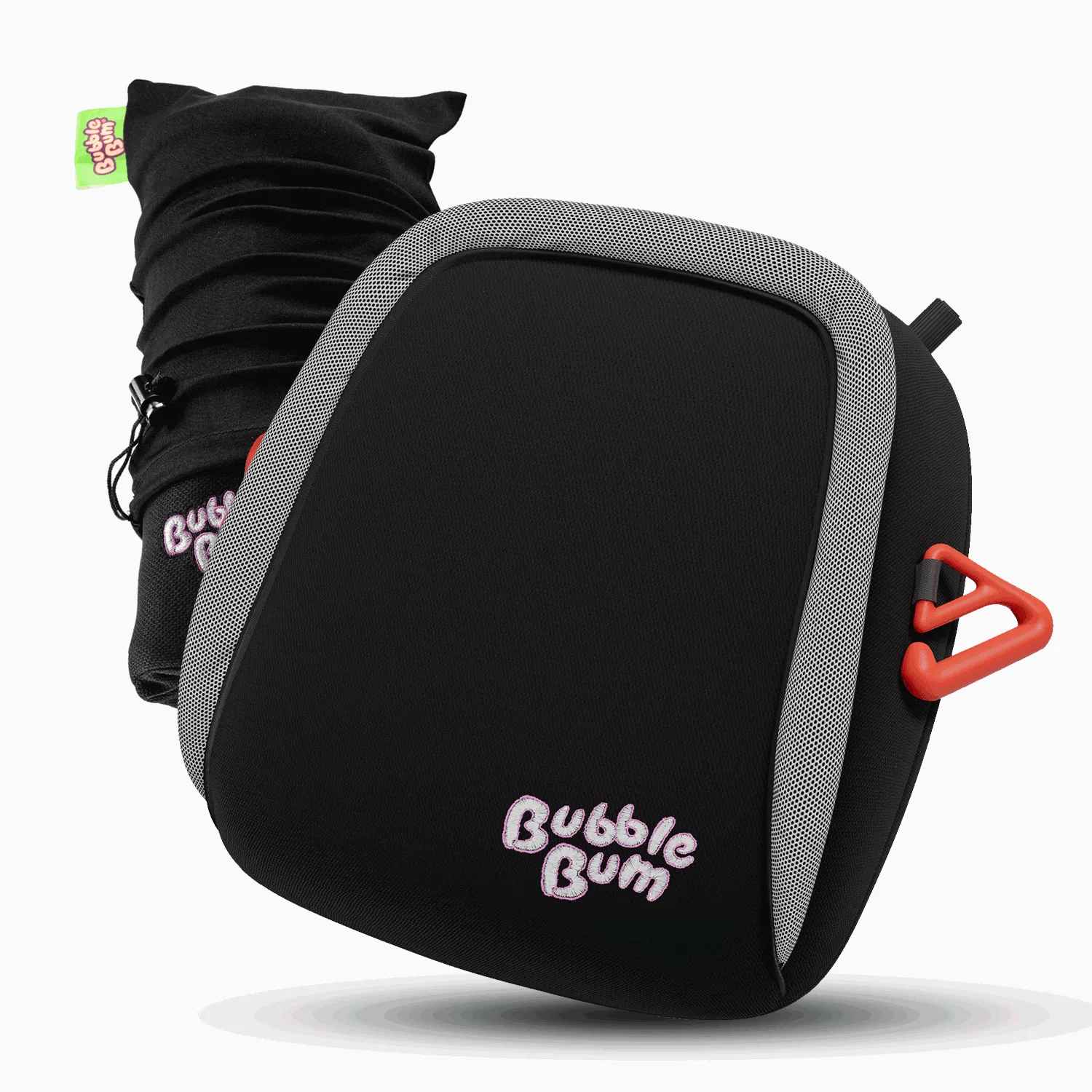
The concept of an inflatable car seat might sound like a novelty, but it was born from real-world need. The first patents for inflatable child restraints appeared in the early 2000s, but it took years of testing to meet safety standards. The key breakthrough came when engineers realized that air-filled chambers could be designed to provide the same structural integrity as foam—if the materials and inflation pressure were right. The result was a seat that could be inflated in seconds, used safely, then deflated and stored in a small carry bag.
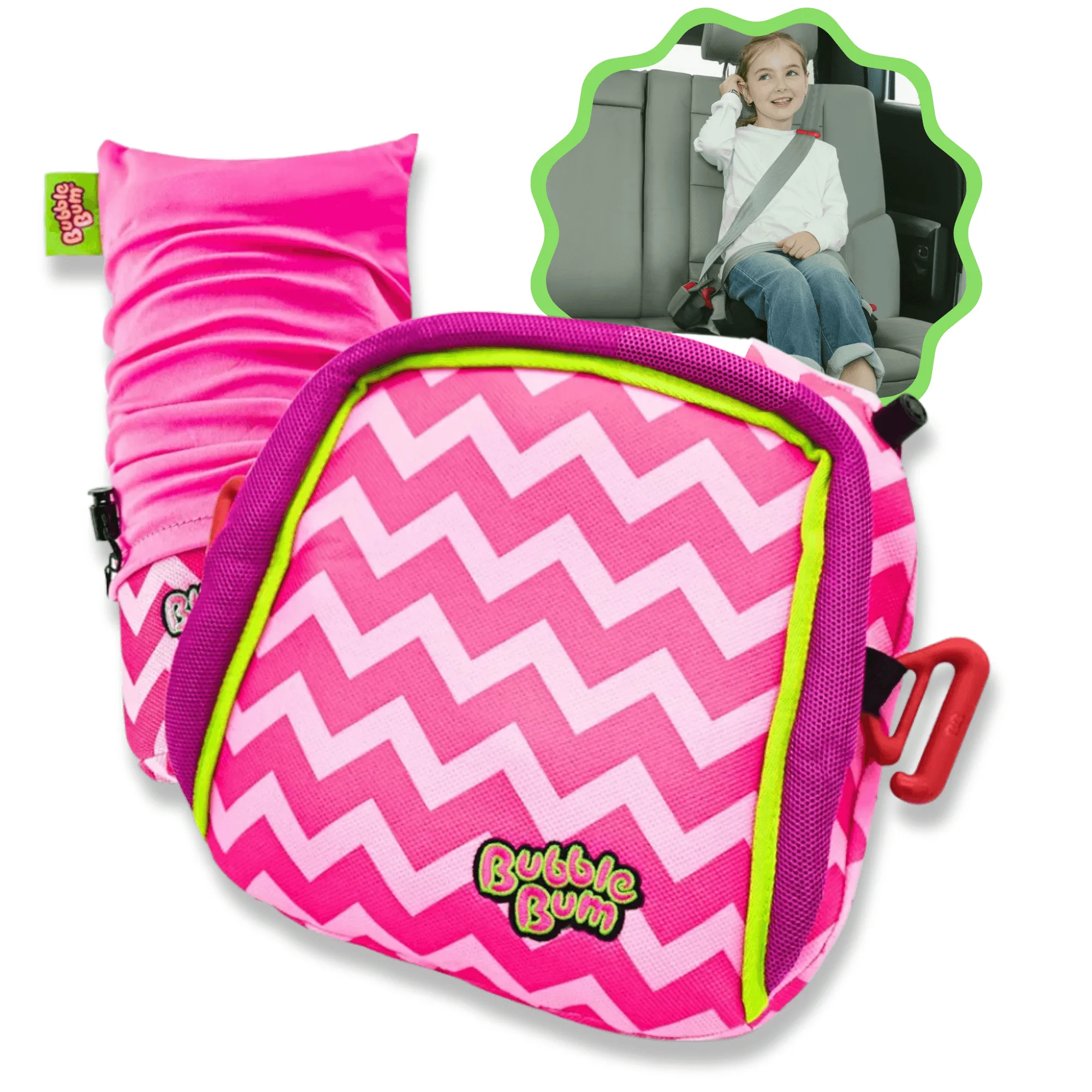
One of the most iconic products in this category is the BubbleBum Inflatable Car Booster Seat, which quickly became a favorite among traveling families. Its lightweight design and compact storage made it ideal for taxis, rental cars, and airplanes. The success of this product proved that parents were willing to embrace a new form factor if it meant convenience without compromising safety. Today, inflatable boosters are certified by major safety agencies and are a common sight at airports and on road trips.
- Early 2000s patents laid the groundwork for inflatable designs.
- Air-filled chambers must meet rigorous crash-test standards.
- BubbleBum Inflatable Car Booster Seat - Travel Booster Seat - Rainbow Style became a travel essential.
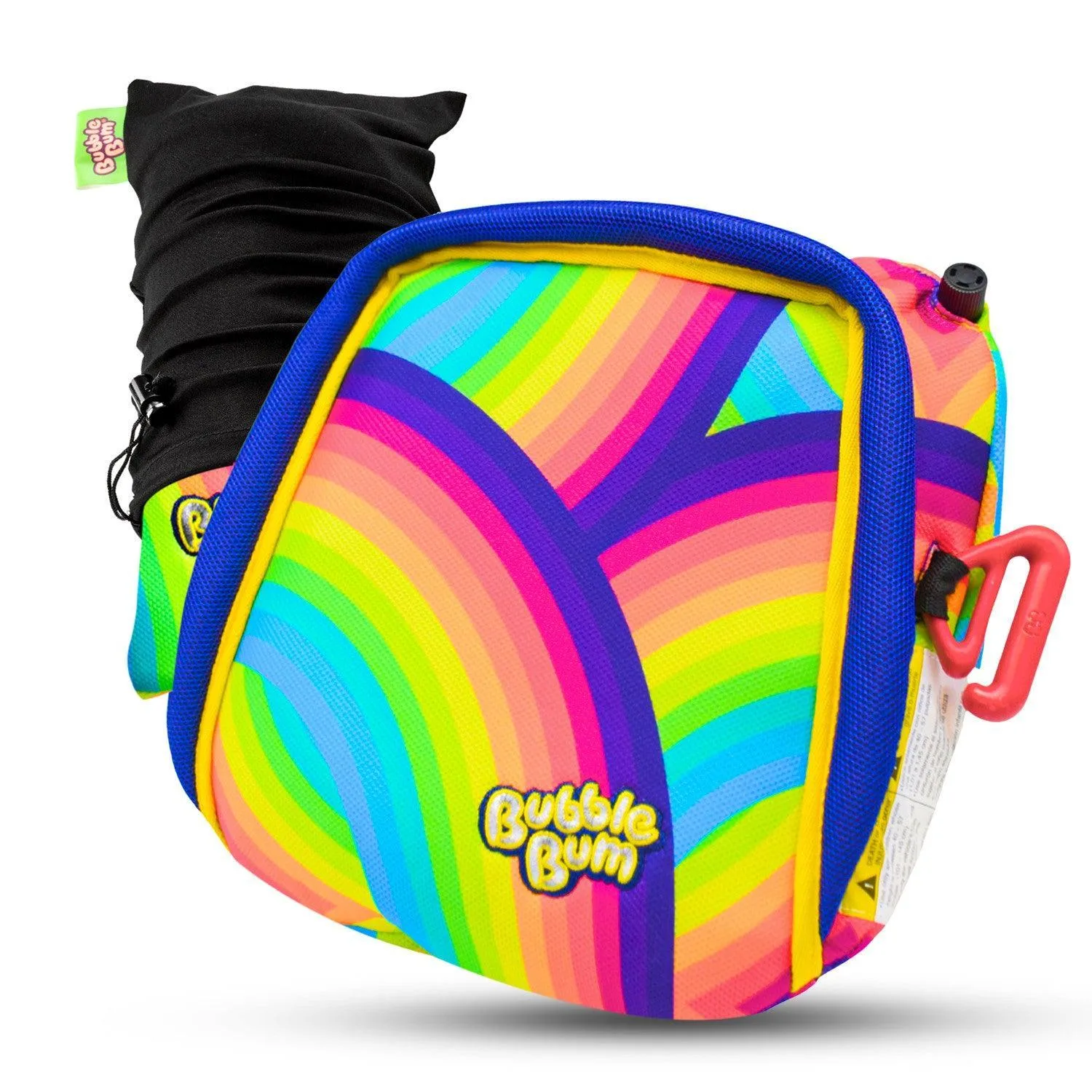
BubbleBum Inflatable Car Booster Seat - Travel Booster Seat - Rainbow Style
Key Innovations That Changed the Game
The evolution of inflatable booster seats didn't stop at the basic air cushion. Modern designs incorporate several clever features that enhance both safety and convenience. For example, many inflatable boosters now include side-impact air chambers that provide extra protection in a collision. Others have built-in shoulder belt positioning clips that ensure the seat belt sits correctly across the child's chest and lap, reducing the risk of injury.
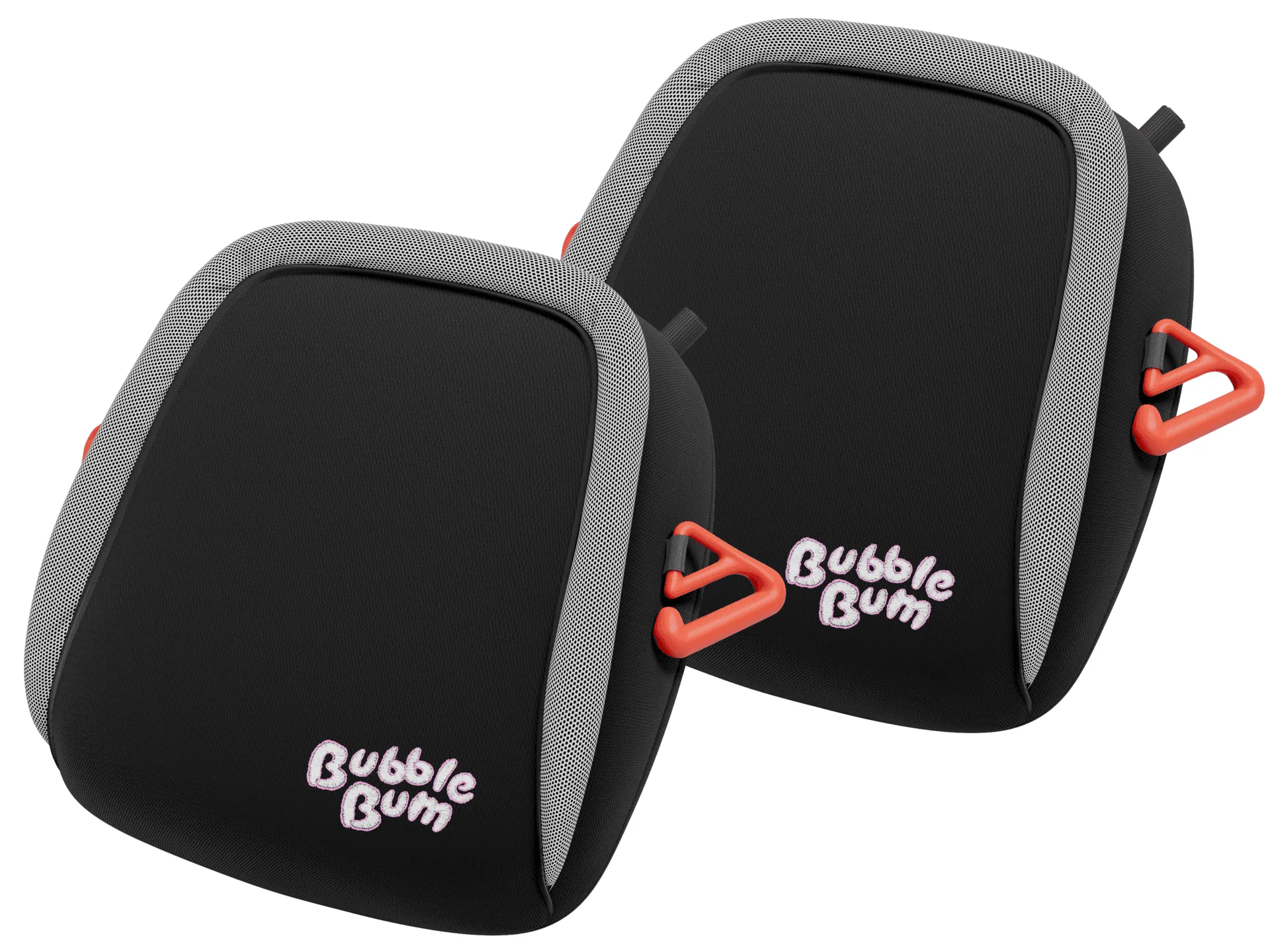
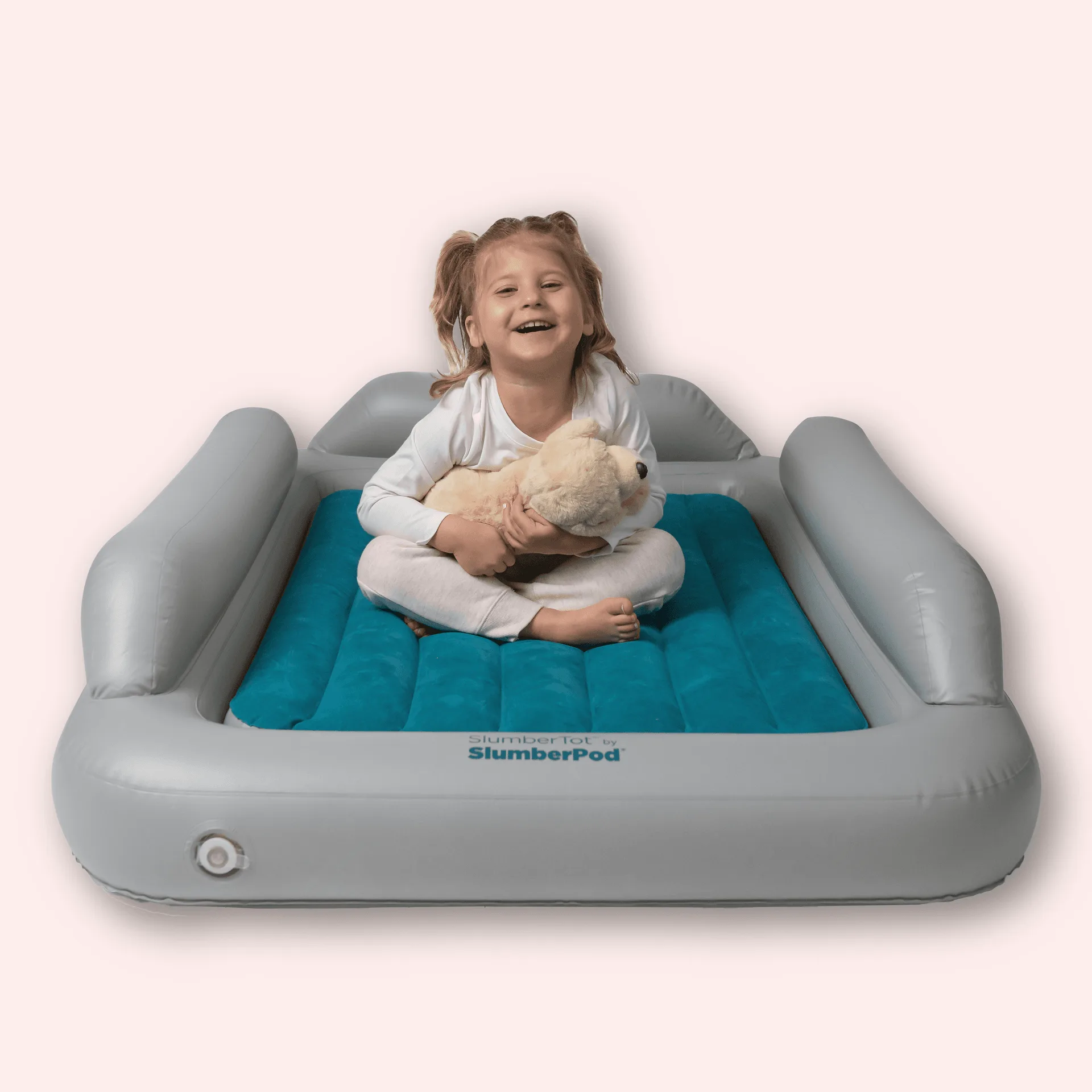
Another major innovation is the use of memory foam or layered air cells to improve comfort on long drives. Some models, like the SlumberTot Inflatable Toddler Bed, have expanded the concept beyond car seats to create inflatable sleep solutions for toddlers. Additionally, the introduction of twin packs—such as the https://orabuddy.shop/products/bubblebum-inflatable-car-booster-seat-travel-car-seat-black-twin-pack-102206BubbleBum Inflatable Car Booster Seat- Travel Car Seat- Black Twin Pack—allows families with two children to travel with matching, stackable seats. These innovations show that the inflatable category is maturing, with manufacturers focusing on every detail of the user experience.
- Side-impact air chambers add a layer of protection.
- Built-in shoulder belt clips improve belt fit.
- Twin packs offer convenience for families with multiple children.
Current Travel Safety Trends Shaping the Future
As we look at the present landscape of travel safety, several trends are influencing how inflatable booster seats are designed and used. First, there is a growing emphasis on sustainability: parents are seeking products made from recyclable materials and with longer lifespans. Second, smart technology is beginning to appear, such as sensors that alert parents if the seat is not properly inflated or installed. Third, the rise of ride-sharing and car rental services has made portability more important than ever.
Another trend is the integration of multi-functionality. Products like the SlumberGo combine a booster seat with a travel bed, allowing children to nap comfortably during long drives. Meanwhile, accessories such as the Memory Foam Travel Neck Pillow and the Totebook Kids Dry Erase Travel Activity Book help keep kids comfortable and entertained, reducing restlessness and distractions for the driver. These complementary products are part of a holistic approach to family travel that prioritizes safety, comfort, and engagement.
- Eco-friendly materials and longer product lifecycles are in demand.
- Smart sensors may soon alert parents to installation errors.
- Multi-functional products reduce the need for multiple separate items.
What the Future Holds: Predictions for the Next Decade
Looking ahead, the future of inflatable booster seats is bright and full of potential. One likely development is the use of advanced materials that are even lighter and stronger, possibly incorporating self-healing fabrics that can resist punctures. Another is the integration of connectivity: imagine a booster seat that syncs with your smartphone to provide real-time safety checks, reminders to inflate, or even crash alerts. Autonomous vehicles will also change the game, as seat designs may need to adapt to new seating configurations and safety protocols.
We may also see a shift toward modular systems where the same inflatable base can be used for a booster seat, a travel bed, or even a stroller attachment. The BubbleBum brand is already exploring these possibilities with products that blur the lines between car safety and travel comfort. As regulations evolve and consumer expectations rise, the humble inflatable booster seat will continue to innovate, making family travel safer, easier, and more enjoyable for generations to come.
- Self-healing materials could improve durability.
- Smartphone integration may become standard.
- Modular designs will offer greater versatility.
The journey of the inflatable booster seat from a niche novelty to a mainstream travel essential is a testament to the power of innovation driven by real-world needs. As car seat technology continues to evolve, parents can look forward to even smarter, safer, and more convenient products. Whether you're planning a road trip or a flight, the right booster seat can make all the difference. Explore the latest in travel safety with the BubbleBum Inflatable Car Booster Seat- Travel Car Seat- Black Twin Pack and discover how modern design can transform your family's travel experience.