When winter hits and the hills are covered in fresh powder, the age-old debate resurfaces: should you grab an inflatable snow sled or stick with a classic plastic sled? Both have passionate fans, but they offer very different experiences. In this comparison, we’ll break down speed, maneuverability, durability, and sheer fun factor so you can pick the best sled for your next snowy adventure.
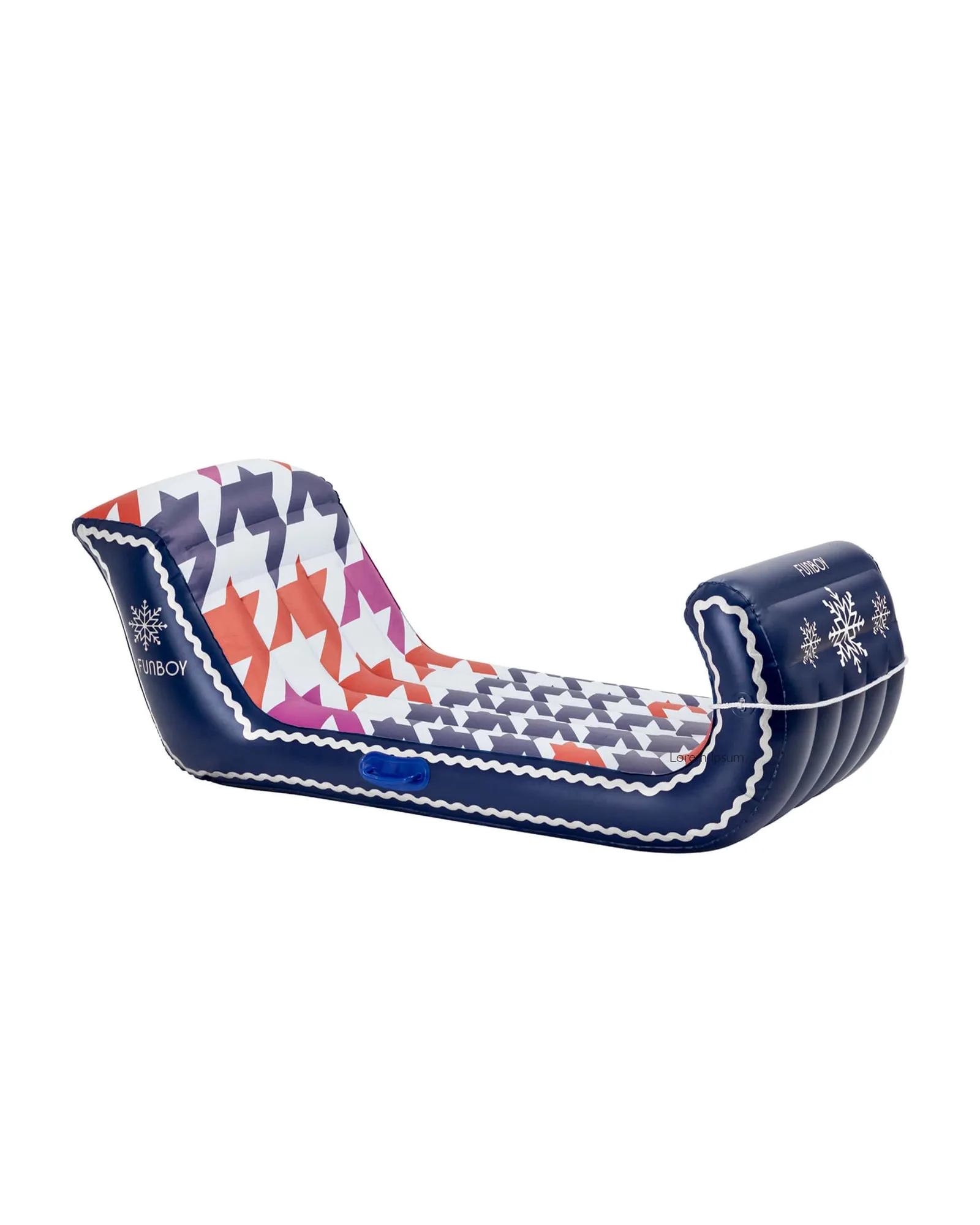
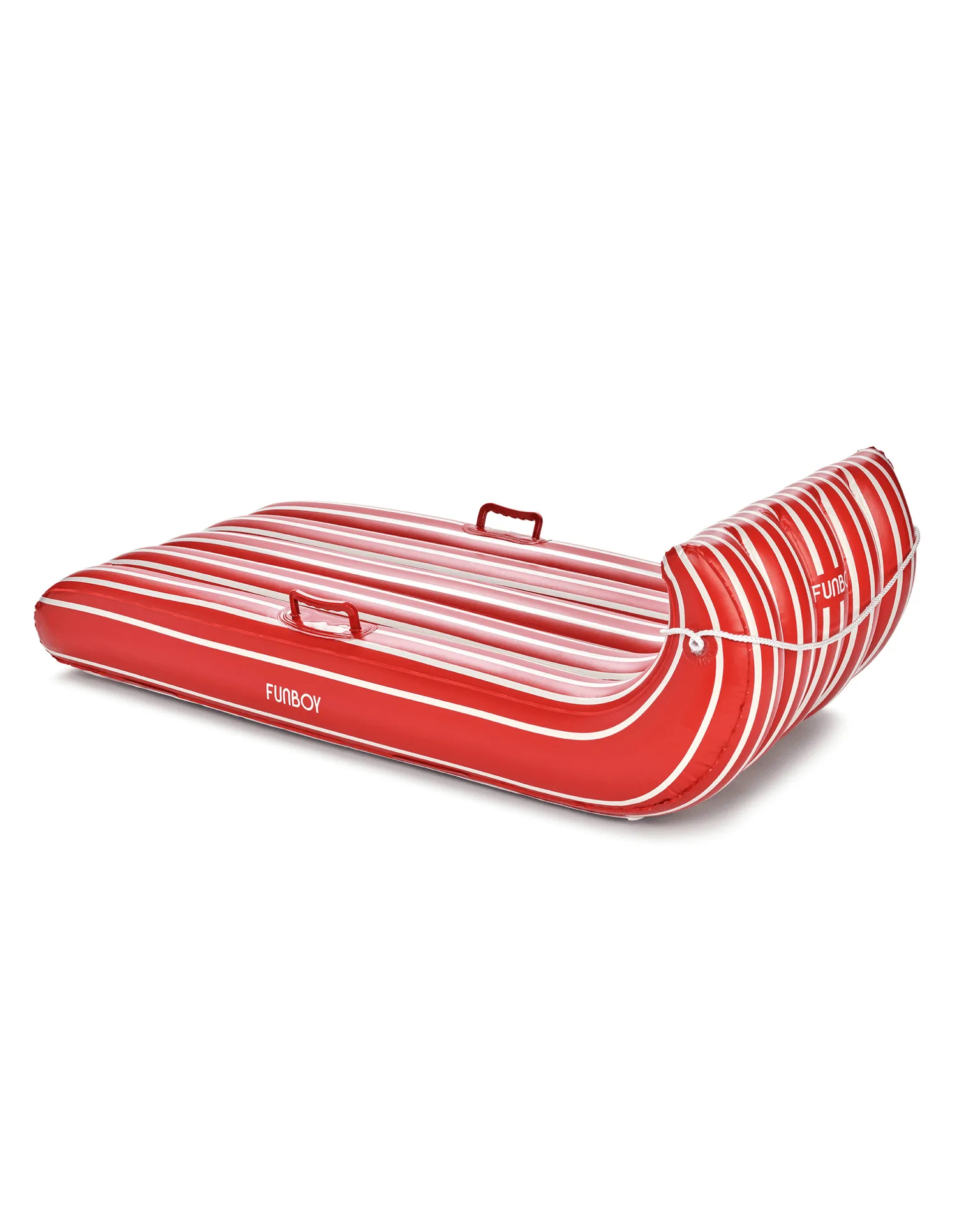
inflatable snow sled
Whether you’re racing down a groomed slope or carving through a backyard hill, the right sled can make or break your winter fun. Inflatable sleds have surged in popularity thanks to their cushioned ride and eye-catching designs, while plastic sleds remain the budget-friendly workhorse. Let’s dive into the details.
Speed and Glide Performance
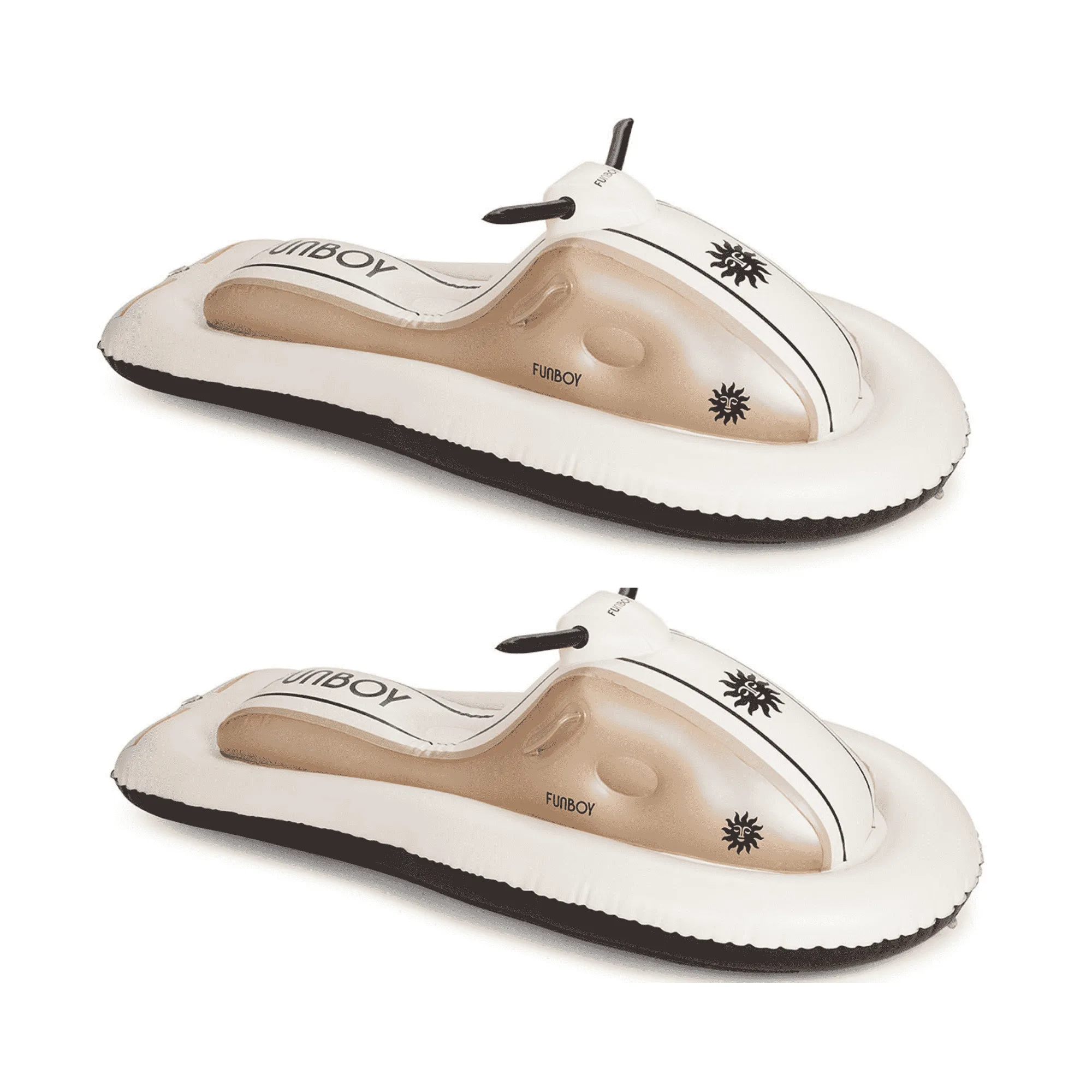
Speed is often the deciding factor. Plastic sleds, especially rigid models like saucers or toboggans, can achieve high speeds on hard-packed snow because they have less friction. However, they can be bumpy and unforgiving on uneven terrain. Inflatable snow sleds, such as the FUNBOY Snowmobile Sled, use a layer of air to absorb shocks, creating a smoother ride. While they may not reach the top speed of a plastic sled on ice, they often feel faster because of the reduced vibration and the ability to slide over small bumps without losing momentum.
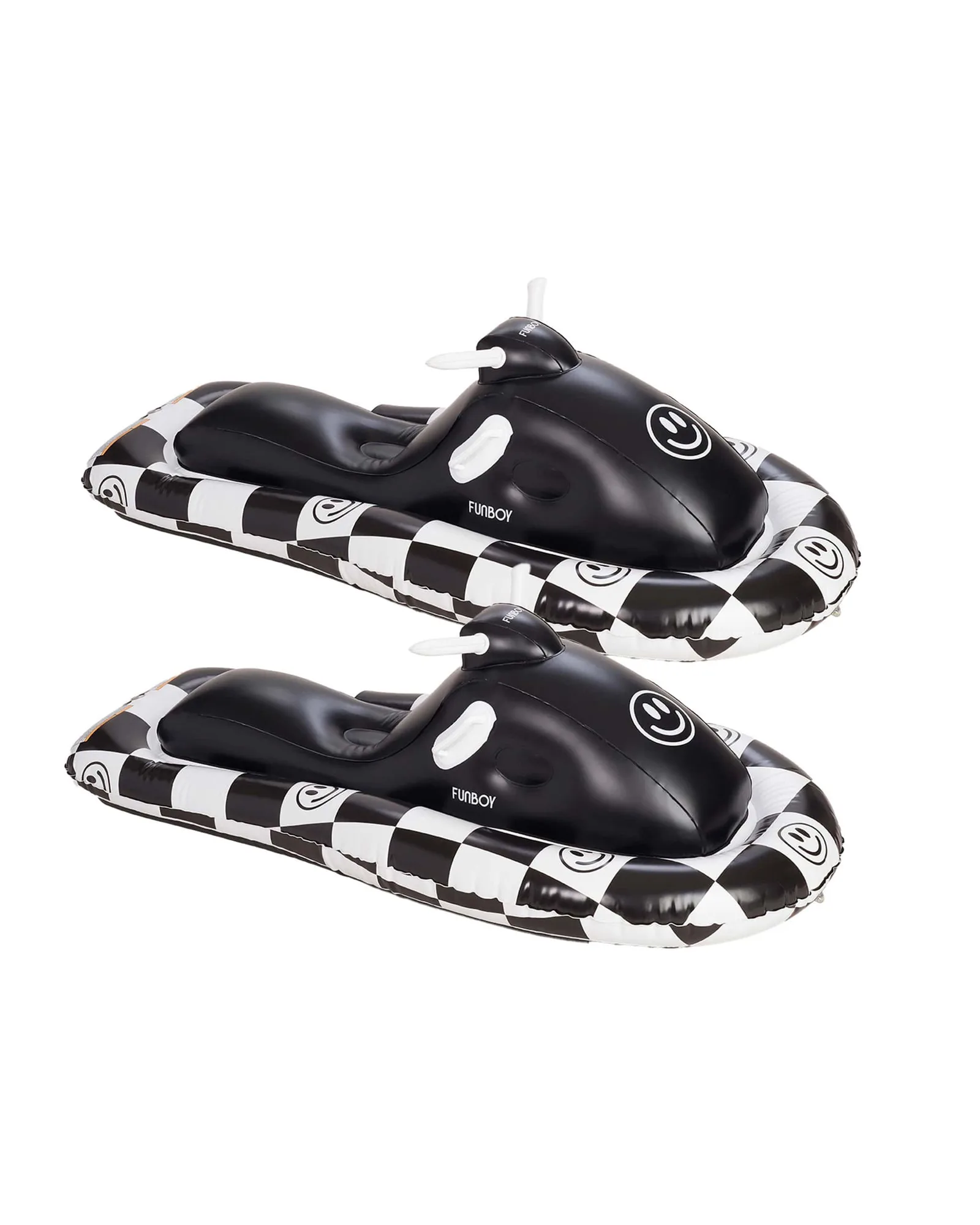
Snowmobile Sled
On fresh powder, inflatable sleds have an advantage. Their larger surface area and rounded bottom help them float on top of the snow rather than dig in. Plastic sleds tend to sink and slow down in deep powder. For groomed slopes, a plastic sled may edge ahead in pure speed, but for all-around fun on varied snow conditions, inflatable sleds deliver a more consistent and enjoyable ride.
- Plastic sleds: faster on hard-packed snow, but bumpy.
- Inflatable sleds: smoother ride, better on powder, slightly slower on ice.
Durability and Safety
Durability is a key trade-off. Plastic sleds are nearly indestructible against impacts and can last for years, even with rough use. They resist punctures from rocks or sticks and can be dragged over any surface without worry. Inflatable sleds, while made from thick PVC, are vulnerable to sharp objects. A hidden rock or branch can end your ride with a hiss. Most inflatable sleds come with repair patches, but you’ll need to be more mindful of where you sled.
Safety is another consideration. Plastic sleds offer little to no cushioning, so collisions with other sledders or obstacles can be jarring. Inflatable sleds act as a bumper, absorbing impact and reducing injury risk. For younger children or beginners, the forgiving nature of an inflatable sled is a clear safety plus. However, inflatable sleds can be more prone to spinning or flipping in certain conditions, so always sled feet-first.
- Plastic: very durable, puncture-proof, but hard on the body.
- Inflatable: cushioned and safer, but requires careful terrain selection.
Portability and Storage
When it comes to packing up, inflatable sleds win hands down. They deflate to a fraction of their size, easily fitting into a backpack or the trunk of a car. This makes them ideal for hiking to a remote hill or taking on a winter trip. Plastic sleds are bulky and awkward to carry, often requiring roof racks or a large vehicle. If you have limited storage space at home, an inflatable sled can be tucked away in a closet until next season.
On the flip side, plastic sleds are ready to go instantly—no inflation needed. Inflatable sleds require a pump (battery or hand) to inflate, which adds a step before the fun begins. Some models, like the FUNBOY Snowmobile Sled, include a built-in valve for quick inflation, but you’ll still need to plan ahead. For spontaneous sledding outings, a plastic sled offers convenience; for organized trips where you want to travel light, an inflatable sled is the better choice.
- Inflatable: compact when deflated, easy to carry and store.
- Plastic: bulky, no setup time, but hard to transport.
Fun Factor and Versatility
Fun is subjective, but there are clear differences. Inflatable sleds often come in playful shapes and bright colors—think snowmobiles, animals, or tubes—that add a visual thrill. The bouncy, cushioned ride feels like riding a cloud, and the ability to spin and slide sideways adds an extra layer of excitement. Many users report that inflatable sleds are simply more enjoyable for casual hill riding because they feel less like a rigid board and more like a playful toy.
Plastic sleds excel in versatility. You can steer them to some degree, use them for sledding trains, or even tow them behind a snowmobile. They are also better for racing on groomed tracks because of their predictable glide. Inflatable sleds are harder to steer and are best for open hills where you can let gravity take over. For pure, carefree fun with friends and family, an inflatable snow sled often brings more smiles per run.
- Inflatable: bouncy, colorful, and great for casual riders.
- Plastic: steerable, versatile, and ideal for racing.
Choosing between an inflatable snow sled and a plastic sled comes down to your priorities. If you value speed on hard-packed snow and durability, a plastic sled is a reliable classic. But if you want a smoother, safer, and more portable ride that maximizes fun on powder days, an inflatable snow sled like the FUNBOY Snowmobile Sled is the clear winner. For most families, having both in the shed covers all the bases—but if you can only pick one, consider where you sled most often and how much storage space you have.