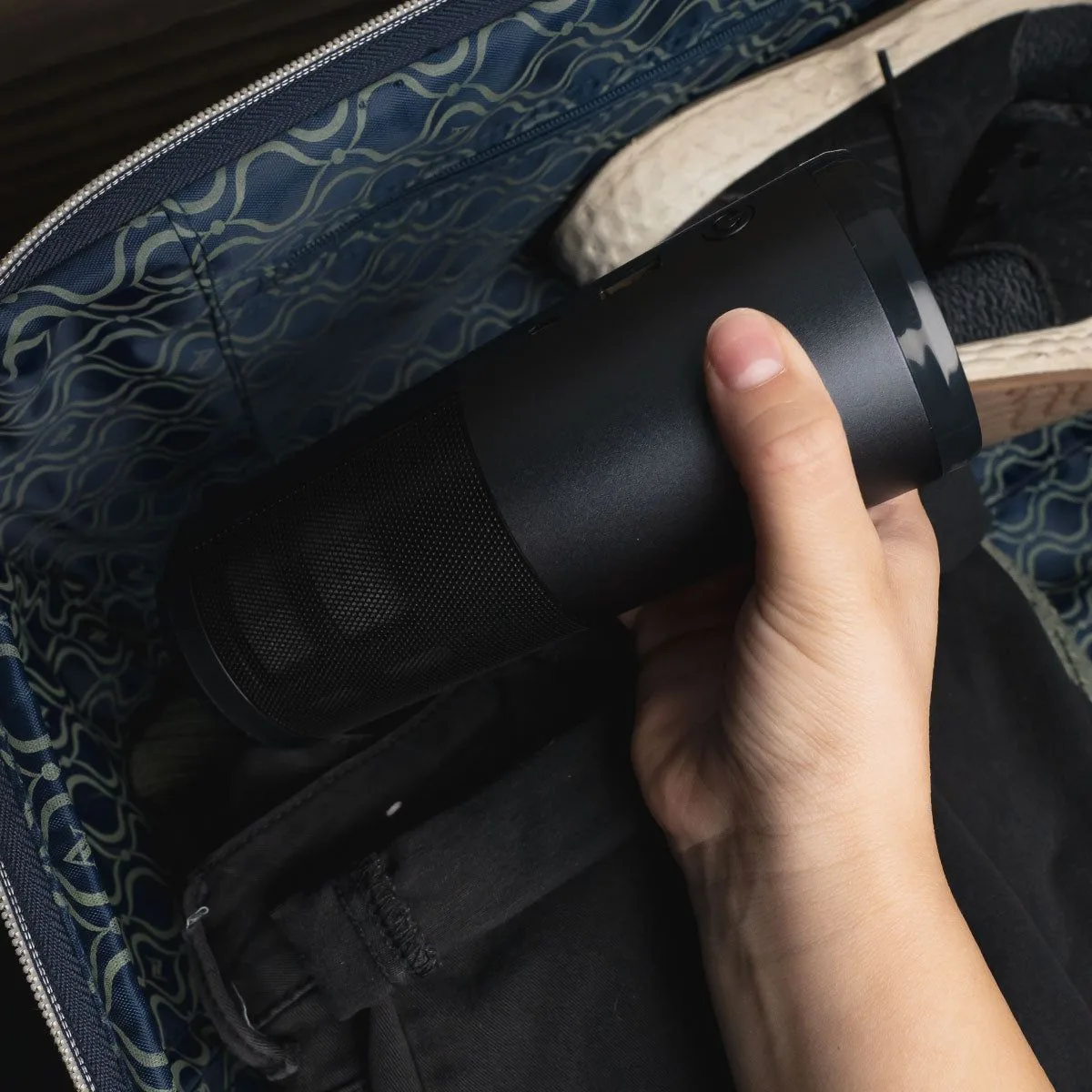
Building a well-rounded everyday carry (EDC) health kit means thinking beyond bandages and pain relievers. In a post-pandemic world, quick temperature checks have become a routine part of staying aware of your own well-being and that of your family. But when it comes to choosing a thermometer for your pocket, bag, or glovebox, the debate comes down to two main types: infrared thermometers and traditional thermometers. Each has its strengths, and the right choice depends on how you plan to use it. In this article, we’ll compare infrared non-contact thermometers with traditional oral and ear thermometers across accuracy, speed, hygiene, portability, and cost, so you can decide which belongs in your EDC health kit.
Whether you’re a frequent traveler, a parent, or someone who likes to be prepared for minor health issues on the go, a thermometer is a small but mighty tool. We’ll also look at how the latest EDC-friendly thermometers, like the KeySmart Pro thermometer, integrate into a compact carry system alongside other essentials such as the KeySmart Flex key organizer and the Statik SmartCharge power bank. Let’s dive into the details.
How Infrared Thermometers Work and Why They’re Popular for EDC
Infrared thermometers measure body temperature by detecting the infrared energy emitted by the skin or eardrum. The most common consumer models are forehead (temporal artery) and ear (tympanic) thermometers. The biggest advantage for EDC is that they don’t require physical contact with mucous membranes, making them more hygienic and less intrusive. You can take a reading in under two seconds, which is ideal when you’re checking a child or someone who is sleeping. Many infrared models also feature backlit displays and memory recall, adding convenience.
For an EDC health kit, portability is key. Infrared thermometers are often smaller and lighter than traditional digital oral thermometers. Some models, like the KeySmart Pro thermometer, are designed to be pocket-friendly and can clip onto a keychain or fit inside a compact organizer. This makes them easy to carry daily without adding bulk. Additionally, because they don’t need probe covers or sterilization between uses, they’re lower-maintenance for on-the-go scenarios. The trade-off is that accuracy can be affected by ambient temperature, sweat, or improper positioning, so following the manufacturer’s instructions is essential.
- Tip: When using a forehead infrared thermometer, ensure the sensor is clean and the person has been in a stable environment for at least five minutes for the most reliable reading.
Traditional Thermometers: Oral, Rectal, and Ear Options
Traditional thermometers include digital oral/rectal models and ear thermometers that use infrared but still require a probe tip. Oral thermometers are widely used because they’re inexpensive and familiar. They require the user to keep the probe under the tongue for 30–60 seconds, which can be challenging for children or uncooperative individuals. Rectal thermometers are considered the gold standard for infants, but they’re not practical for EDC due to hygiene and comfort concerns. Ear thermometers offer faster readings (1–3 seconds) but need proper positioning in the ear canal.
For EDC, traditional thermometers are less convenient because they often need probe covers, batteries that drain faster, and more careful storage to avoid damage. They’re also bulkier, especially if you carry a case. However, they can be more accurate when used correctly, and they’re less affected by environmental factors like wind or room temperature. If you prioritize clinical accuracy over speed and portability, a traditional digital oral thermometer might still be your go-to. But for everyday carry, the convenience of an infrared model often wins out.
- Tip: If you choose a traditional oral thermometer for your EDC kit, store it in a hard case to prevent the tip from breaking and to keep it clean.
Key Comparison: Accuracy, Speed, Hygiene, and Portability
To help you decide, here’s a side-by-side comparison of infrared and traditional thermometers across the factors that matter most for an EDC health kit. Accuracy: Infrared forehead thermometers can be ±0.5°F to ±1°F off compared to rectal readings, while oral digital thermometers are typically ±0.2°F. Ear thermometers are closer to oral accuracy when positioned correctly. Speed: Infrared wins with 1–2 second readings; oral takes 30–60 seconds. Hygiene: Infrared is non-contact, so no cross-contamination risk; oral and ear require probe covers or cleaning. Portability: Infrared models are often smaller and can clip to a keychain or fit in a pocket; traditional thermometers need more space and protection.
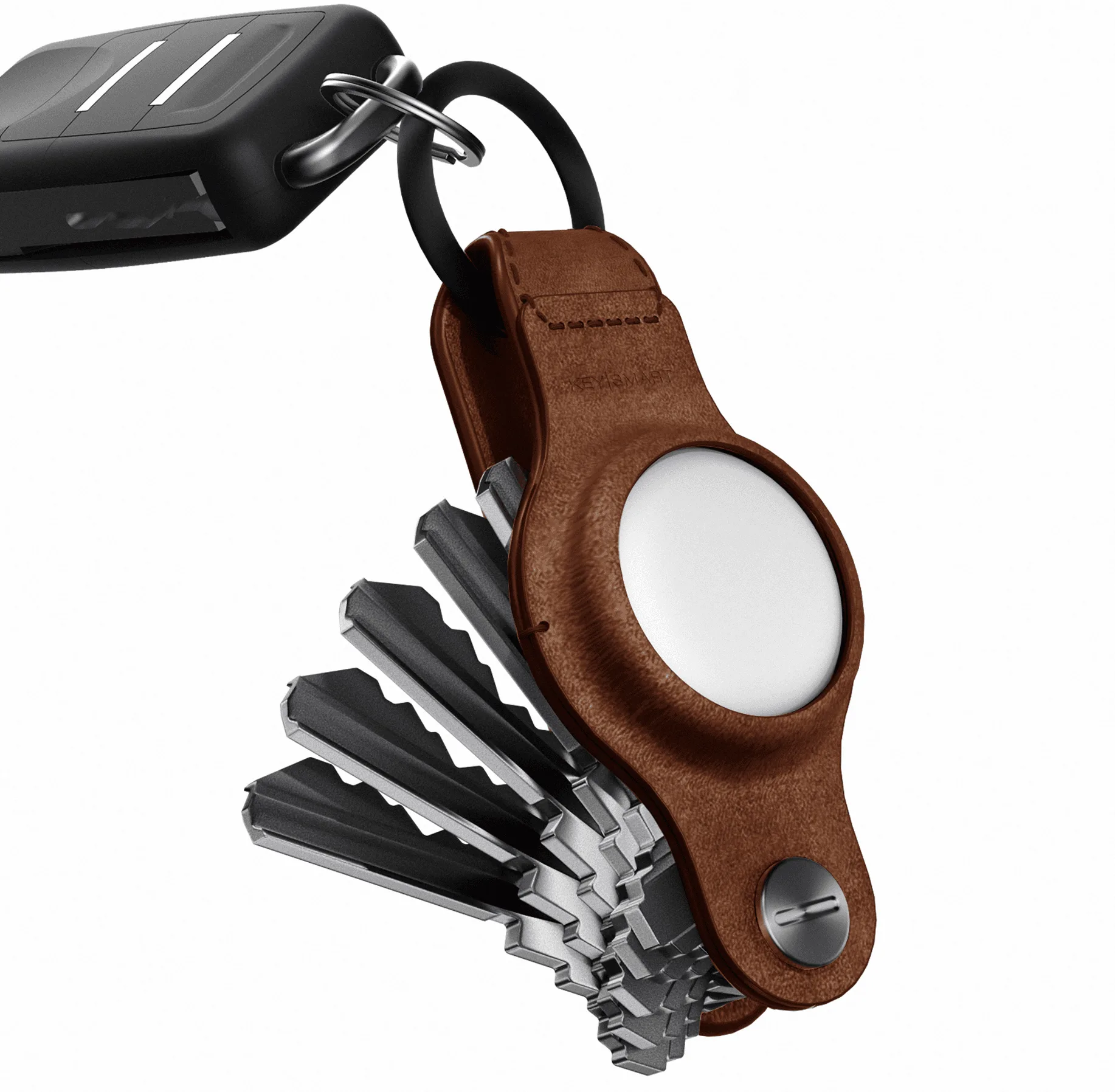
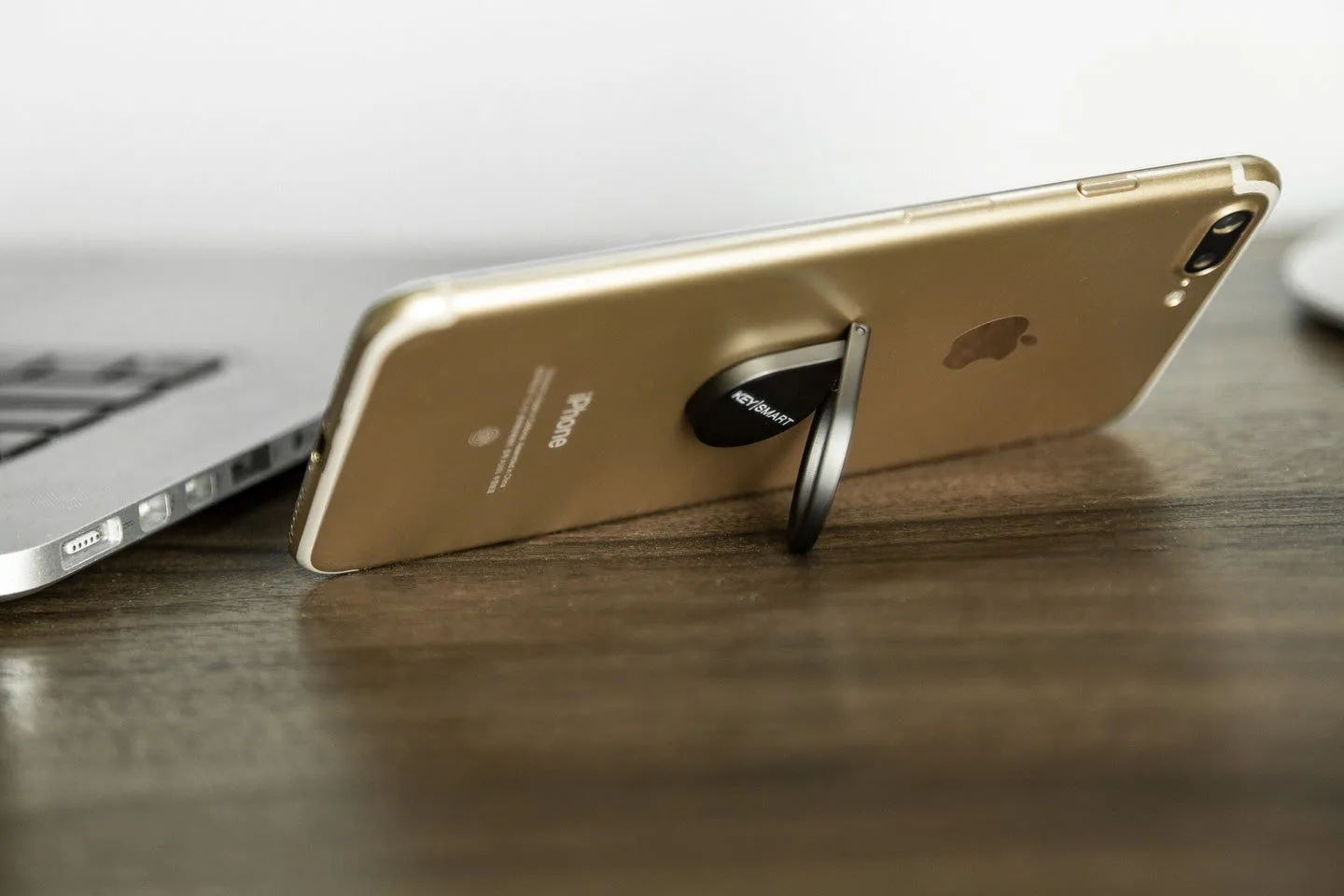
Cost is another factor. Basic oral digital thermometers cost $5–$15, while infrared models range from $20–$60 for quality units. For EDC, the extra investment in an infrared thermometer is usually worth it for the speed and convenience. You can pair it with other compact health tools like the CleanKey to avoid touching high-touch surfaces, and the PocketFuse clip to attach the thermometer to your bag or keychain. If you already carry a key organizer like the KeySmart Flex, you can integrate a small infrared thermometer into your daily carry without adding noticeable weight.
- Comparison table: Infrared vs Traditional Thermometers for EDC
- Feature | Infrared (Forehead/Ear) | Traditional (Oral)
- Reading time | 1–2 seconds | 30–60 seconds
- Accuracy | ±0.5–1°F | ±0.2°F
- Hygiene | Non-contact, no probe covers needed | Requires probe covers or cleaning
- Portability | Compact, clip-on options | Bulky, needs case
- Cost | $20–$60 | $5–$15
- Best for | Quick checks, kids, on-the-go | Clinical accuracy at home
Building an EDC Health Kit Around Your Thermometer Choice
Once you’ve chosen your thermometer, you’ll want to integrate it into a well-organized EDC health kit. For an infrared model, consider a small pouch or a keychain setup. The PocketFuse clip lets you attach the thermometer to the outside of a bag or to your key organizer for quick access. You can also pair it with the CleanKey to sanitize high-touch surfaces before taking a temperature, ensuring a clean reading environment. For power, the Statik SmartCharge power bank keeps your thermometer and other devices charged, while the MultiTool Pro can handle minor repairs or adjustments to your kit.
If you prefer a traditional thermometer, store it in a padded case inside your bag. Combine it with the KeySmart Flex key organizer to keep your keys and other small tools tidy. The CarabinerClip 4-pack offers versatile attachment points for hanging your health kit on a backpack or belt loop. Remember to include extra batteries and probe covers if needed. A well-rounded EDC health kit doesn’t stop at a thermometer—add a small first aid kit, hand sanitizer, and a mask for complete preparedness. The goal is to have everything accessible without clutter.
- Tip: Use the PocketFuse clip to attach your infrared thermometer to the inside of your bag flap so it’s always within reach but protected from scratches.
Which Thermometer Is Right for Your Lifestyle?
Your choice ultimately depends on your daily routine and who you’re monitoring. If you’re a parent with young children, an infrared forehead thermometer is a lifesaver for quick checks during sleep or fussy moments. Travelers and commuters benefit from the speed and hygiene of non-contact models, especially when checking in public spaces. For those who need precise readings for medical conditions, a traditional oral thermometer might still be necessary, but you can compromise by carrying both—a small infrared for quick scans and a traditional one for home use.
The KeySmart Pro thermometer is an excellent example of an EDC-focused infrared device that balances accuracy with portability. It’s designed to fit into your existing carry system, whether you use a key organizer, a pocket clip, or a small pouch. By choosing a thermometer that aligns with your carry style, you’ll be more likely to use it when needed. Remember that no thermometer replaces professional medical advice, but having one in your EDC kit empowers you to monitor symptoms early and make informed decisions.
- Tip: Test your thermometer at home with a known healthy person to understand its baseline readings and ensure you’re comfortable with its operation before relying on it in the field.
Whether you lean toward the speed and hygiene of an infrared thermometer or the clinical accuracy of a traditional model, the most important step is to include a thermometer in your EDC health kit. For a compact, travel-friendly option that integrates seamlessly with your everyday carry, explore the KeySmart Pro thermometer and see how it fits with your existing gear. Stay prepared, stay healthy, and carry smart.