Quick Answer
Reach for infused salt when you want a clean, briny flavor with a single ingredient, and choose a seasoning blend when you need a complete flavor profile in one shake. Infused salts shine as finishing touches, while blends are workhorses for marinades and rubs.
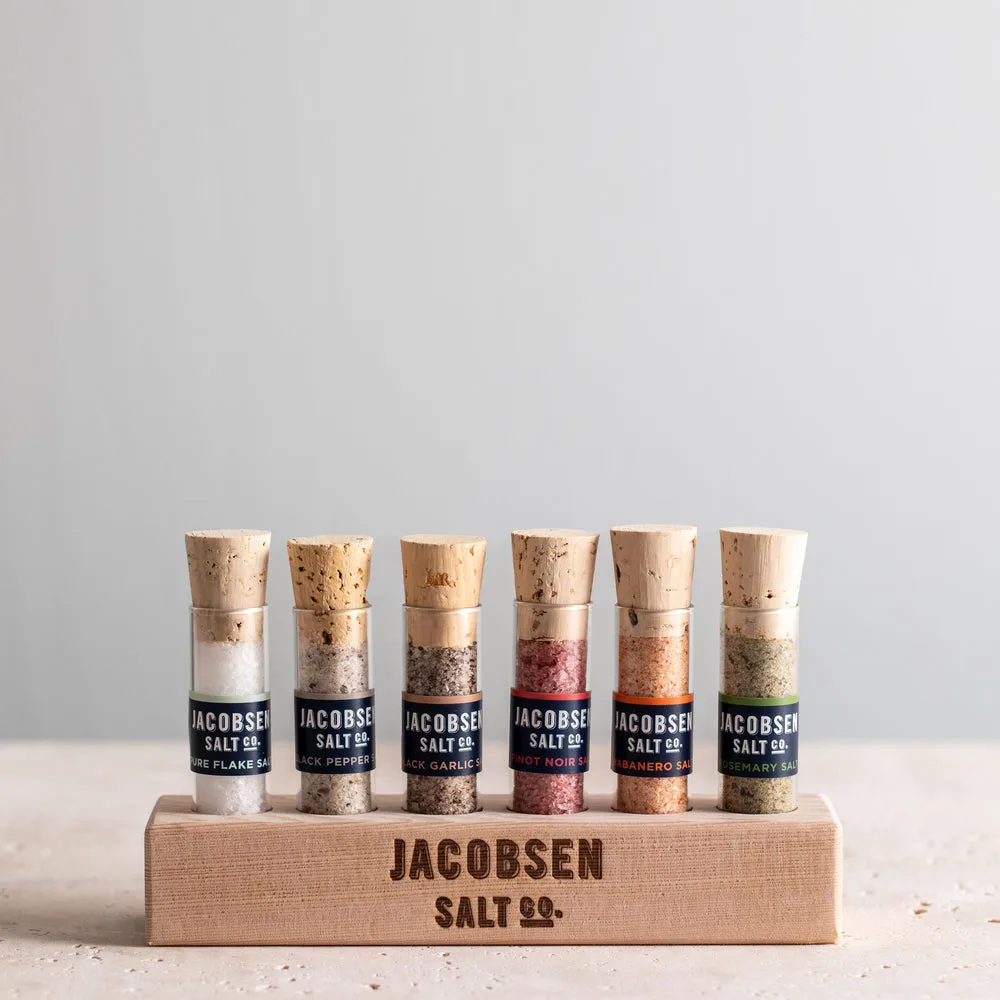
When you're cooking, the choice between an infused salt and a seasoning blend can feel like a toss-up. Both add flavor, but they do it in different ways. Infused salts, like Jacobsen's Infused Habanero Salt, deliver a focused kick with a mineral backbone. Seasoning blends, such as Ramen Seasoning, combine multiple spices and herbs for a more complex, ready-to-use mix.
Understanding the difference helps you cook smarter. If you want to control every element of a dish, an infused salt gives you flexibility. If you want speed and consistency, a blend does the thinking for you. Let's break down the trade-offs so you know exactly when to reach for each.
What Sets Infused Salt Apart
Infused salt starts with a high-quality salt base—like Jacobsen's Pure Kosher Sea Salt, harvested on the Oregon Coast—and adds a single flavoring agent. This keeps the salt's briny character front and center while introducing a specific note, such as smoky heat from habanero peppers. The result is a seasoning that enhances without overwhelming.
Because infused salts contain fewer ingredients, they work well when you want to season a dish without masking its natural flavors. A pinch of habanero salt on grilled chicken or roasted vegetables adds warmth and depth, but you still taste the food itself. This makes infused salt a favorite for finishing—sprinkling on right before serving to add a final burst of flavor.
- Use infused salt as a finishing touch to add a clean, pronounced flavor without extra spices.
- Check the ingredient list: a simple salt plus one flavoring means you know exactly what you're eating.
Why Seasoning Blends Are Convenient
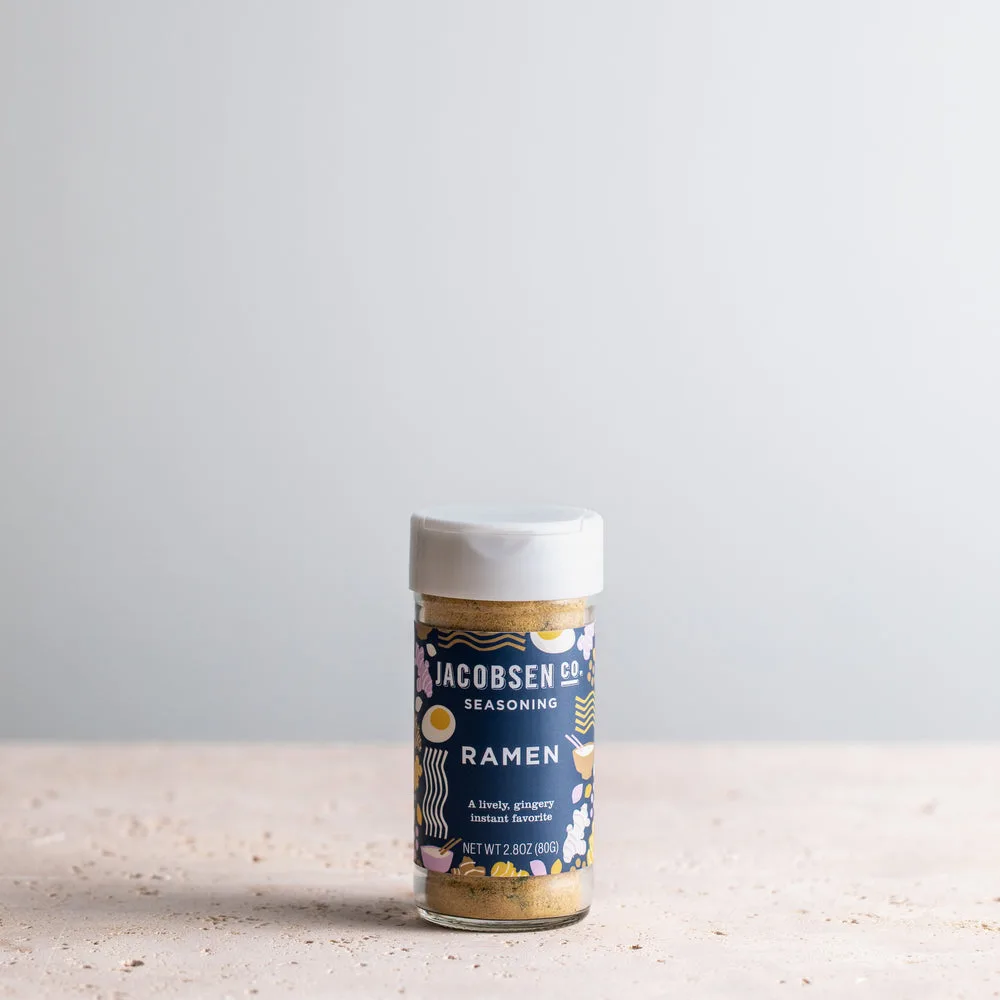
Seasoning blends combine salt with multiple spices, herbs, and sometimes other flavorings like yeast extract. Jacobsen's Ramen Seasoning, for example, mixes ginger, garlic, white pepper, and yeast extract with Pure Fine Sea Salt from Trapani, Italy. This creates a balanced, savory profile that's ready to use straight from the jar.
Blends are ideal for quick meals when you don't want to measure out five different spices. A spoonful of ramen seasoning can transform a simple broth or stir-fry in seconds. They also offer consistency: every batch tastes the same, so you can rely on the flavor. The downside is less control—you can't adjust individual spice levels without adding more of the blend.
- Keep a versatile blend on hand for weeknight dinners when speed matters more than precision.
- Remember that blends often include salt, so adjust your recipe's total salt accordingly.
Cost and Value: What You Get for Your Money
Price often influences which seasoning you choose. Both infused salts and seasoning blends from Jacobsen are priced at $6.50 for a typical jar, so upfront cost is similar. But value depends on how you use them. A little infused salt goes a long way as a finishing touch, while a blend might be used more generously in cooking.
If you already own a well-stocked spice rack, an infused salt adds a unique flavor you can't easily replicate. If you're building a pantry from scratch, a versatile blend gives you more flavor combinations in one purchase. Consider your cooking habits: do you prefer to experiment, or do you need dependable shortcuts?
- Compare the cost per use: finishing salts often last longer because you use less per serving.
- Look for multi-purpose products if you want to stretch your budget further.
The Trade-Off: Pure Flavor vs. Convenience
- Flavor control: Infused salt offers a single, distinct flavor that you can layer with other spices yourself. Seasoning blends lock in a specific combination, so you get that exact taste every time. Choose infused salt if you like to customize; choose a blend for consistent results.
- Versatility: Infused salt can be used in any dish that calls for salt, adding a subtle flavor twist. Seasoning blends are tailored to certain cuisines or dishes, like ramen, and may not suit every recipe. Infused salt is more versatile across cuisines; blends excel in their intended use.
- Ease of use: Seasoning blends are one-step: shake and go. Infused salt may require you to think about what other spices to add to complete the dish. Reach for a blend on busy nights; use infused salt when you have time to build layers.
Infused Salt and Seasoning Blend at a Glance
- Infused Habanero Salt – Jacobsen Salt Co.: Pure Kosher Sea Salt infused with dried, ground habanero peppers for a smoky, spicy flavor. This gives you a clean, spicy kick that works as a finishing salt on meats and vegetables, letting the food's own flavor shine.
- Ramen Seasoning – Jacobsen Salt Co.: Ginger, garlic, white pepper and yeast extract meet our Pure Fine Sea Salt, harvested from traditional salt ponds in Trapani, Italy. The combination of spices and umami-rich yeast extract makes this a complete seasoning for broths and stir-fries, saving you prep time.
Which Should You Choose?
Best for
- Home cooks who want a clean, briny flavor with a single ingredient for finishing dishes.
- Those who enjoy experimenting with spices and want to control the exact flavor profile of their meals.
Not for
- People who want a complete, no-fuss seasoning that works straight from the jar without additional spices.
Both infused salts and seasoning blends have a place in a well-equipped kitchen. Infused salts offer purity and flexibility, while blends provide convenience and consistency. By understanding the trade-offs, you can choose the right tool for each meal—and maybe keep both on hand for different occasions.