In 2026, the hair care industry is undergoing a profound transformation driven by ingredient transparency. Consumers are no longer satisfied with vague marketing claims or long lists of unpronounceable chemicals. They want to know exactly what goes into the products they apply to their hair and scalp, and why. This shift is not just a passing trend; it's a fundamental change in how brands formulate, market, and sell their products.
As a result, companies are responding by reformulating products, disclosing full ingredient lists, and even providing detailed explanations of each component's purpose. For consumers, this means more informed choices and a greater emphasis on clean, effective ingredients. In this article, we'll explore the rise of ingredient transparency, its impact on purchasing decisions, and how you can navigate this new landscape to choose the best products for your hair.
The Rise of Clean Hair Care: Why Transparency Matters
The clean beauty movement has evolved from a niche concern to a mainstream demand. Consumers are increasingly aware of the potential impacts of certain chemicals on their health and the environment. This awareness has fueled a demand for products that are free from sulfates, parabens, and synthetic fragrances, among other controversial ingredients. In response, brands are reformulating their products to meet these expectations, often highlighting their 'clean' credentials on packaging and marketing materials.
Transparency goes beyond just listing ingredients. It involves clear communication about sourcing, manufacturing processes, and the science behind formulations. For example, a brand might explain why it uses a particular botanical extract or how a peptide works to strengthen hair. This level of detail builds trust and helps consumers feel confident in their purchases. In 2026, brands that fail to provide this transparency risk losing customers to more open competitors.
- Look for products that fully disclose their ingredient lists and explain the purpose of key components.
- Check for third-party certifications like 'clean' or 'non-toxic' to verify claims.
How Ingredient Transparency Influences Purchasing Decisions
Ingredient transparency has become a decisive factor in purchasing decisions. According to recent industry surveys, a significant majority of consumers say they would switch brands if a competitor offered more transparent ingredient information. This is particularly true for hair care, where products are used daily and come into direct contact with the scalp. Consumers want to avoid ingredients that could cause irritation, dryness, or long-term damage.
Moreover, transparency is linked to perceived efficacy. When a brand clearly explains how an ingredient works, consumers are more likely to believe the product will deliver results. For instance, a shampoo that lists biotin and explains its role in strengthening hair is more compelling than one that simply says 'strengthens hair.' This educational approach not only informs but also empowers consumers to make better choices for their specific hair needs.
The Role of Regulations and Industry Standards
Regulatory bodies are also stepping up their efforts to enforce transparency. In many regions, there are stricter labeling requirements, forcing brands to disclose all ingredients, including those used in fragrances. This has led to the removal of ambiguous terms like 'fragrance' and the disclosure of specific allergens. Additionally, industry standards are emerging that define what constitutes 'clean' or 'sustainable' in hair care, providing consumers with clearer benchmarks.
These regulations and standards are not just about compliance; they are about consumer safety and trust. Brands that proactively adopt these standards often gain a competitive edge. For example, Scandinavian Biolabs has been at the forefront of this movement by providing detailed ingredient information and focusing on science-backed formulations. Their commitment to transparency is evident in products like their Hair Strength Shampoo for Men and Hair Recovery Conditioner for Women, which clearly list their active ingredients and their benefits.
What Consumers Should Look for in Transparent Hair Products
For consumers, navigating the new wave of transparency requires a bit of knowledge. Start by reading the full ingredient list, not just the front label. Look for recognizable, beneficial ingredients like natural oils, proteins, and vitamins. Be wary of products that hide behind proprietary blends or vague terms. Also, consider the brand's overall philosophy: do they share their sourcing practices? Do they explain the role of each ingredient?
Another tip is to research ingredients you're unfamiliar with. Many brands now provide glossaries or detailed product pages that explain their choices. For example, if you're looking for a styling product, a transparent brand will tell you exactly what gives the hold and how it affects your hair's health. The Hair Styling Gel from Scandinavian Biolabs, for instance, lists its key ingredients and their functions, helping you make an informed choice.
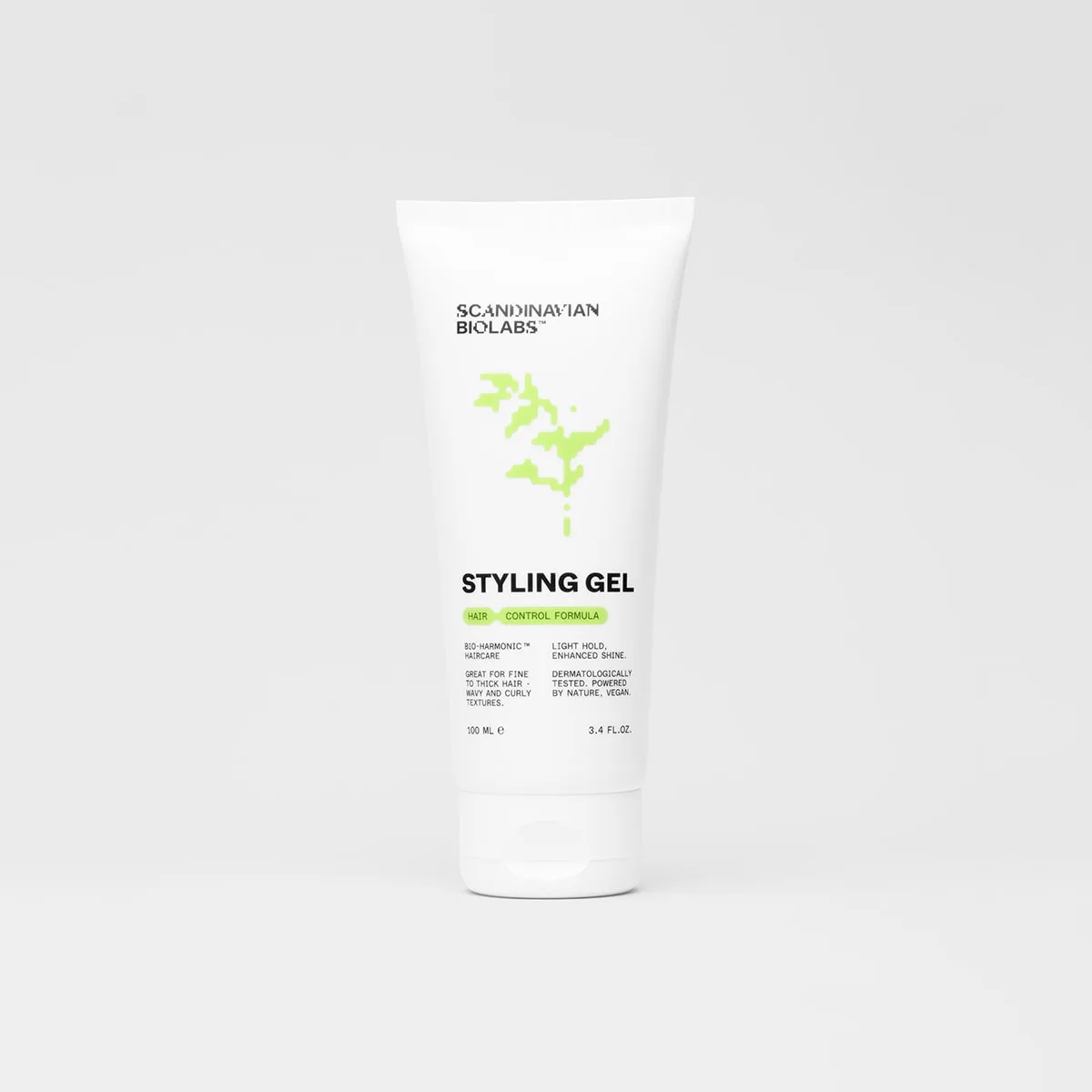
Hair Styling Gel
- Prioritize products that list all ingredients and avoid hidden 'fragrance' or 'parfum'.
- Look for brands that explain the purpose of each key ingredient.
- Consider your hair type and concerns when evaluating ingredient lists.
The Future of Transparency in Hair Care
Looking ahead, ingredient transparency is set to become even more integrated into the hair care industry. We can expect more brands to adopt 'clean' formulations, and technology will play a role in enhancing transparency. For example, QR codes on packaging could link to detailed product information, including ingredient origins and clinical study results. This would allow consumers to verify claims instantly and make even more informed decisions.
Moreover, transparency is likely to extend beyond ingredients to include sustainability practices, such as packaging recyclability and carbon footprint. As consumers become more environmentally conscious, they will expect brands to be open about their entire supply chain. This holistic approach to transparency will define the industry's future, and brands that embrace it will thrive.
Ingredient transparency is not just a trend; it's a new standard in hair care. By choosing products that are open about their ingredients and their benefits, you can ensure that you're making the best choices for your hair's health. As you explore your options, look for brands that prioritize transparency and science-backed formulations. For a truly transparent hair care routine, consider products like the Women's Bio-Pilixin Hairline Booster, which clearly communicates its ingredients and their role in supporting hair health.