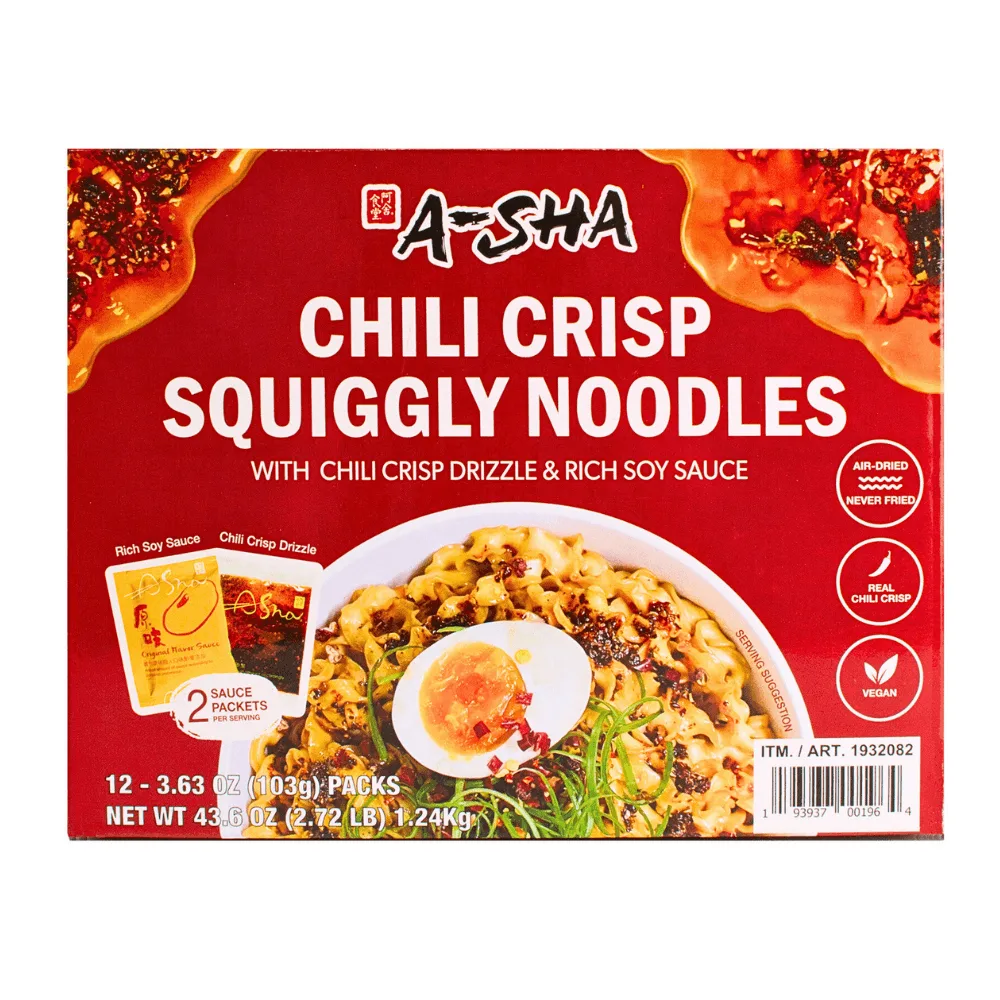
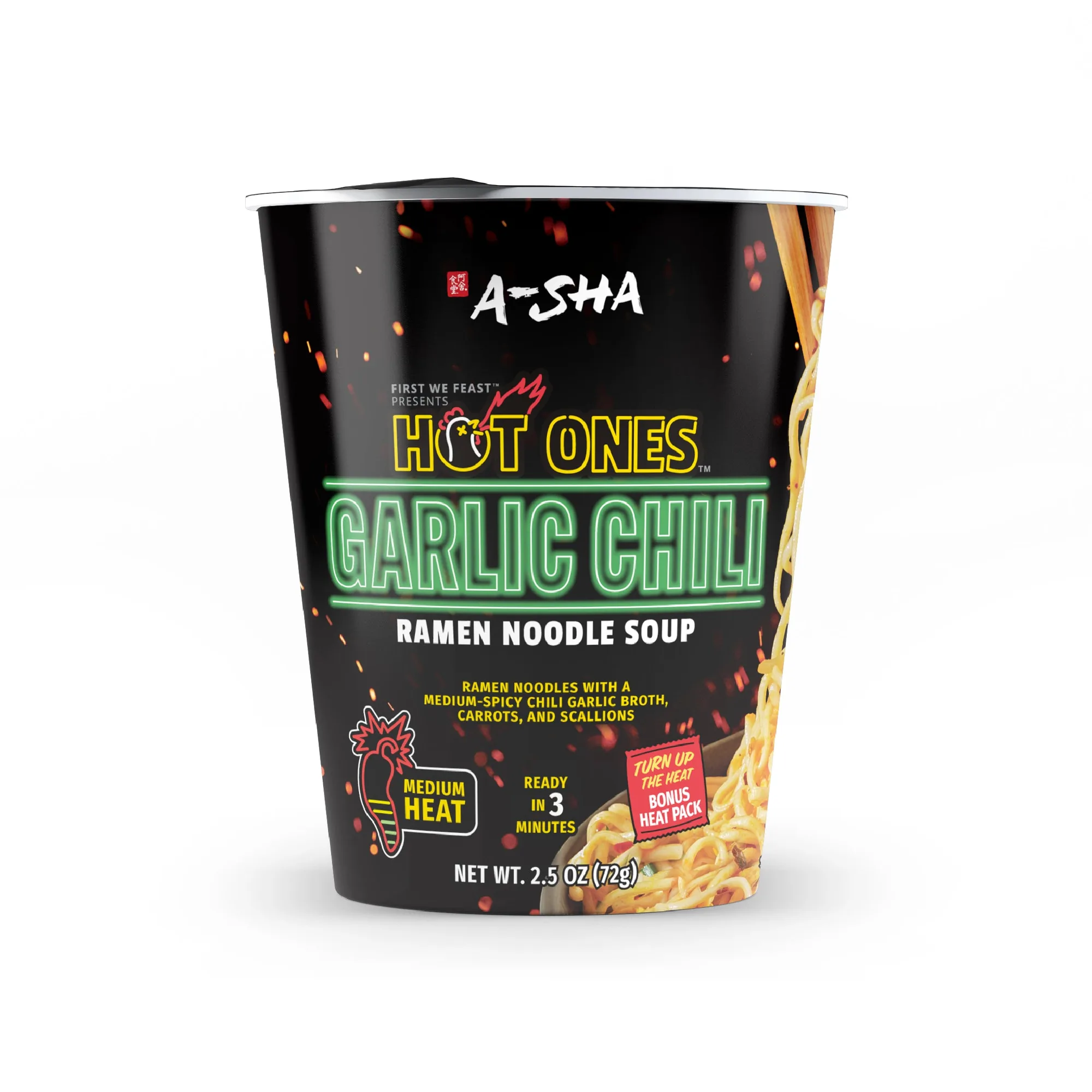
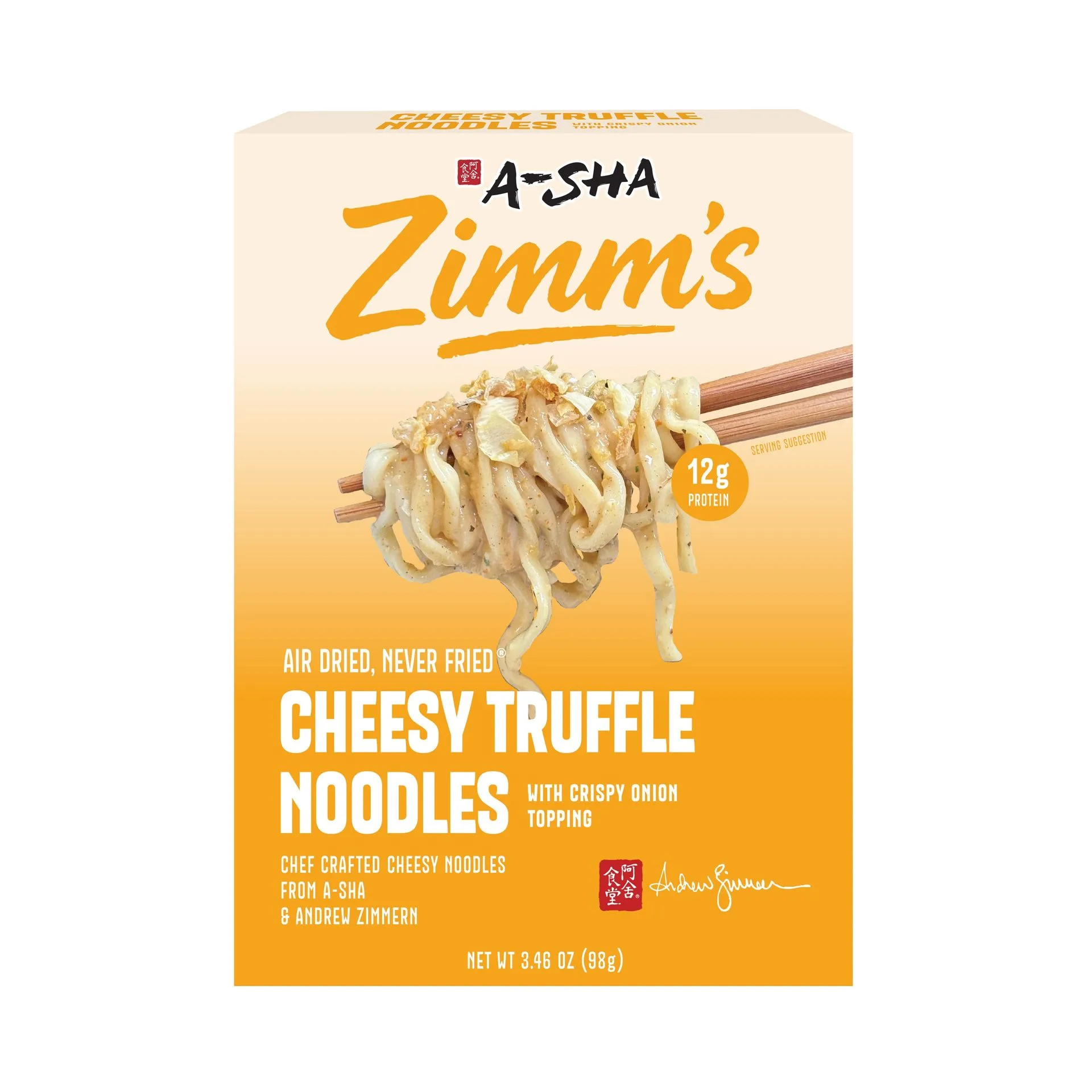
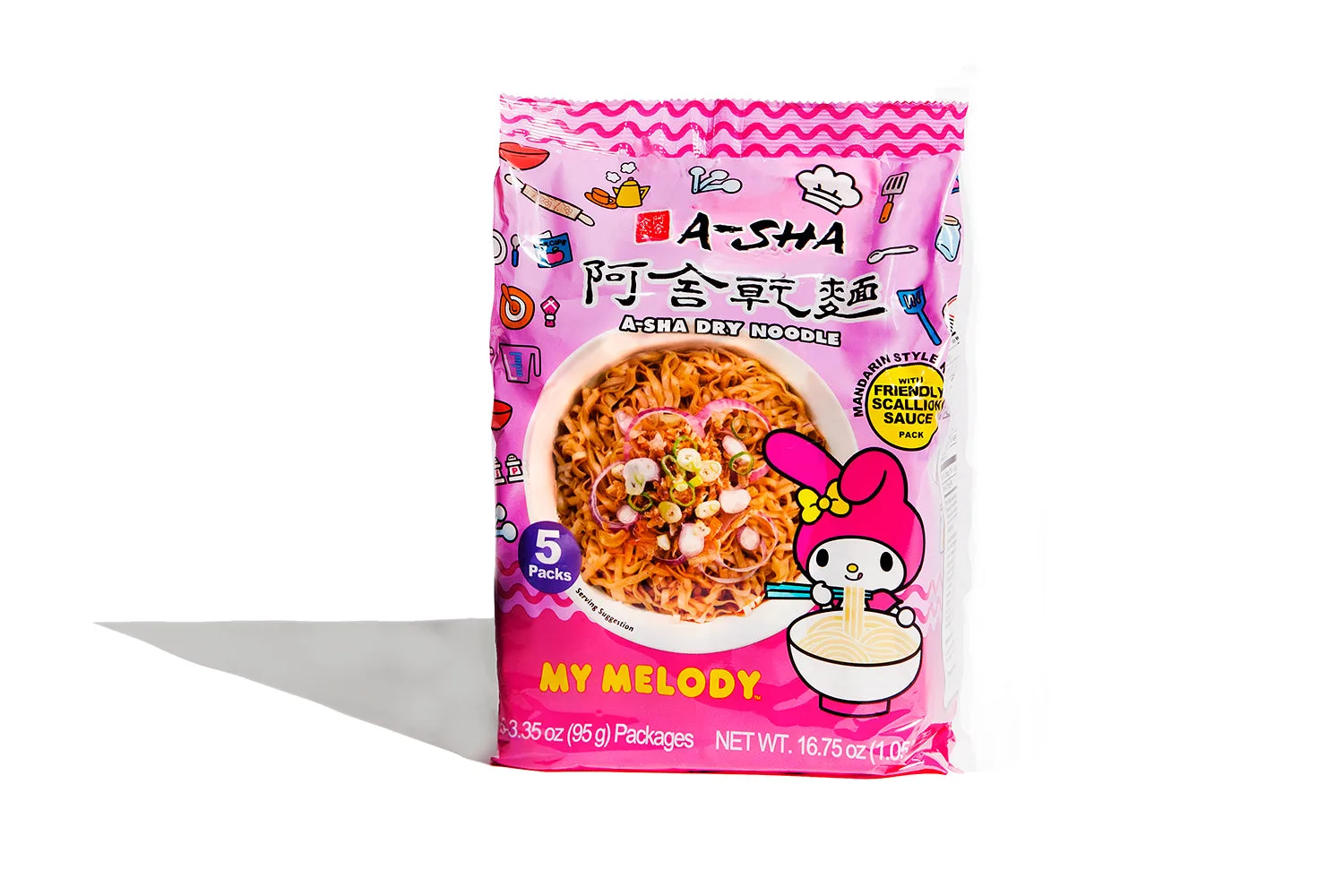
Instant noodles are a pantry staple for busy households, college students, and spice lovers alike. But nothing is more disappointing than reaching for your favorite pack only to find stale, broken noodles or a lost flavor packet. Proper storage is key to keeping your noodles fresh, crunchy, and delicious for months.
Whether you stock up on bulk boxes or collect limited-edition flavors, understanding how to store instant noodles can save you money and ensure every bowl tastes as good as the first. In this guide, we'll cover the best practices for noodle storage, common mistakes to avoid, and how to organize your pantry for easy access.
Why Proper Storage Matters for Instant Noodles
Instant noodles are processed and dried to have a long shelf life, but they are still susceptible to moisture, heat, light, and pests. Exposure to humidity can cause noodles to become soft or moldy, while temperature fluctuations can degrade the flavor of seasonings. Proper storage preserves the texture and taste you love.
Additionally, many noodle varieties come with oil packets or dehydrated vegetables that can go rancid if exposed to oxygen or heat. By controlling the storage environment, you can extend the shelf life of your noodles well beyond the printed date and reduce food waste.
- Store noodles in a cool, dry place away from direct sunlight.
- Keep noodles in airtight containers or resealable bags after opening.
- Avoid storing noodles near strong-smelling foods like onions or spices.
Best Containers and Methods for Noodle Storage
The original packaging is designed for short-term storage, but for long-term freshness, transfer your noodles to airtight containers. Glass jars, BPA-free plastic bins, or vacuum-sealed bags work well. For bulk boxes like the A-Sha Spicy Dan Dan Meteor Noodle Box, consider dividing into smaller portions to minimize air exposure.
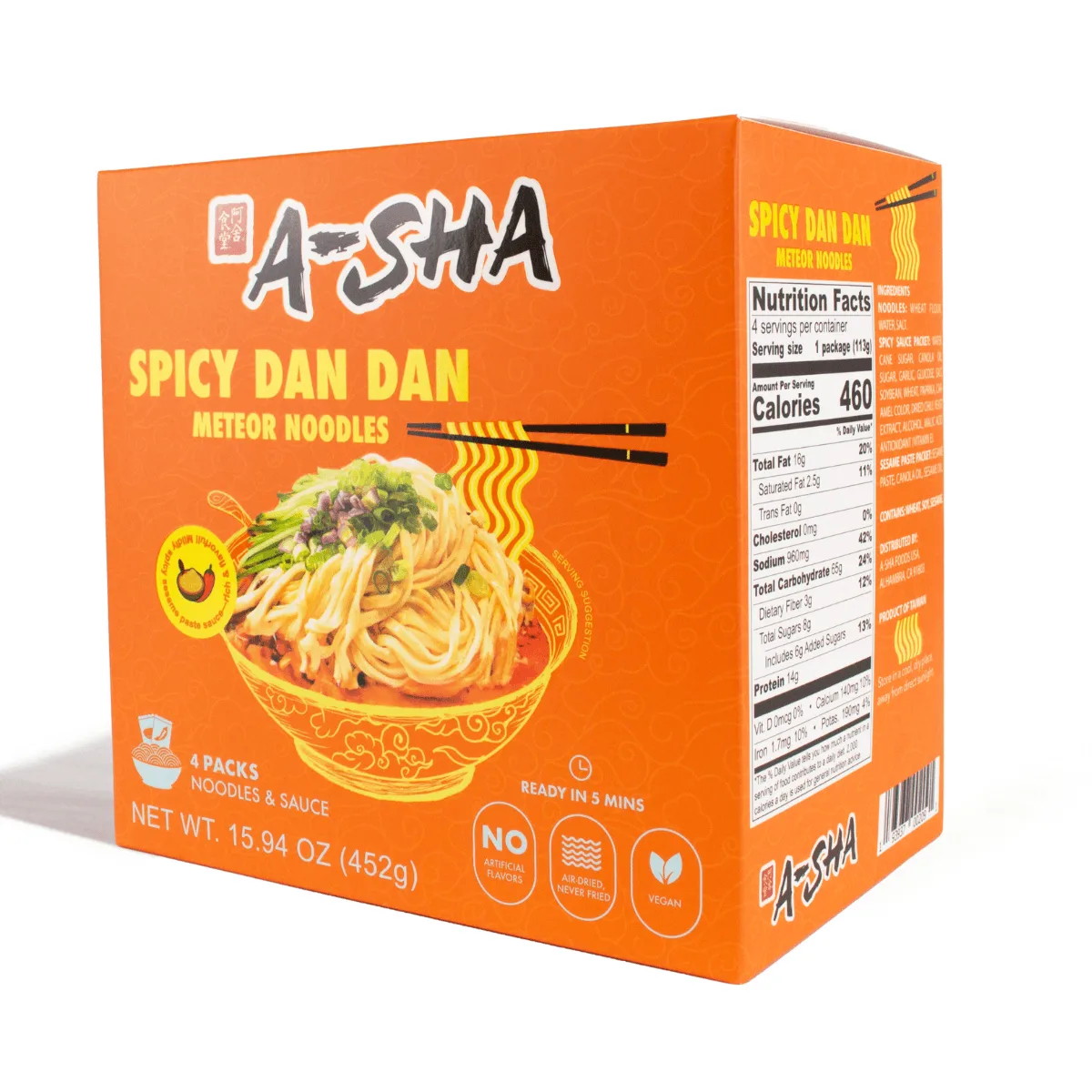
A-Sha Spicy Dan Dan Meteor Noodle Box
If you prefer to keep noodles in their original packets, place them inside a larger airtight bin or a sealed pantry organizer. This adds an extra layer of protection against humidity and pests. Always check the seal of the container before storing.
- Use clear containers to easily see what you have.
- Label containers with purchase date or expiration date.
- Vacuum sealing is ideal for long-term storage of unopened packs.
Organizing Your Noodle Pantry for Easy Access
A well-organized pantry not only keeps noodles fresh but also makes meal prep faster. Group noodles by type: soup noodles, dry noodles, and snack noodles. For example, keep your Hakka Wide Noodles - Original Flavor together with other wide noodle varieties for quick pairing with sauces.
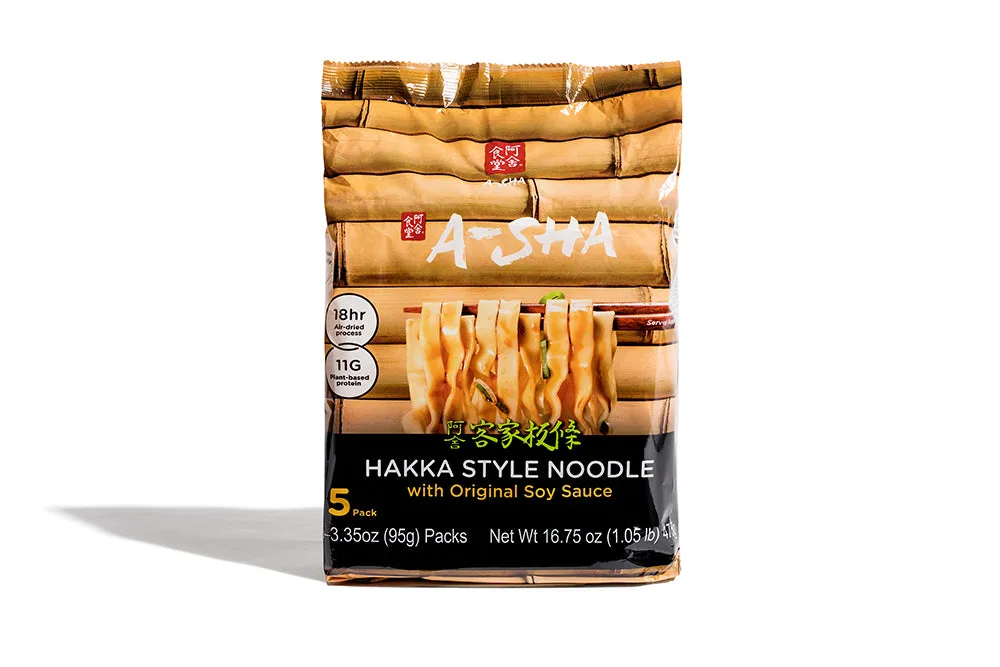
Hakka Wide Noodles - Original Flavor
Use tiered shelves or stackable bins to maximize vertical space. Place newer purchases behind older ones to ensure you use them in rotation. This FIFO (first in, first out) method prevents forgotten packages from expiring.
- Use lazy Susans for small noodle packets.
- Store flavor packets separately in a labeled ziplock bag if you mix and match.
- Keep a dedicated shelf or bin for your most-used noodle types.
Common Mistakes That Ruin Noodle Freshness
One of the biggest mistakes is storing noodles in the refrigerator or freezer without proper sealing. Condensation can introduce moisture, leading to sogginess or freezer burn. Another error is leaving opened packages exposed to air, which causes noodles to absorb odors and lose crunch.
Also, avoid storing noodles near the stove or oven where heat and steam can accelerate spoilage. Even a small temperature rise can affect the oil packets. For best results, keep your noodle stash in a cool, dark cabinet away from appliances.
- Never store noodles in the fridge unless vacuum-sealed.
- Don't crush noodle blocks—they break easily and affect texture.
- Check for pests regularly, especially if you buy in bulk.
How Long Do Instant Noodles Really Last?
Most instant noodles have a printed shelf life of 8 to 12 months, but if stored properly, they can remain safe to eat for up to two years. The flavor may diminish over time, but the noodles themselves will still be edible. For best taste, consume within the first year.
Always inspect noodles before cooking. If you see mold, off smells, or oil separation in seasoning packets, discard them. Trust your senses—when in doubt, throw it out. For peace of mind, rotate your stock and buy only what you can consume within a reasonable time.
- Write the purchase date on each package with a marker.
- Use a pantry app to track expiration dates.
- Store unopened boxes in a cool basement or pantry for longest life.
Special Storage Tips for Noodle Varieties
Different noodle types may have unique storage needs. For example, dry noodles like the A-Sha Meteor Noodles with Danzai Sauce are more delicate and benefit from being kept in their original box inside a sealed bin. Soup noodles often come with multiple packets that should stay together.
Snack-style noodles, such as those in the Hello Kitty and Friends Dry Noodles Bundle, are best kept in a cool, dry place to preserve their crunch. Avoid stacking heavy items on top of noodle packages to prevent breakage.
- Store noodle bundles in a single layer if possible.
- Keep seasoning packets inside the original package until use.
- For variety packs, use small bins to separate flavors.
Storing your instant noodles properly is a simple way to ensure every meal is as fresh and flavorful as intended. From using airtight containers to organizing your pantry by type, these hacks will help you get the most out of your noodle collection. Ready to stock up? Explore our selection of premium noodles like the A-Sha Meteor Noodles with Danzai Sauce and enjoy fresh, delicious bowls anytime.