Quick answer
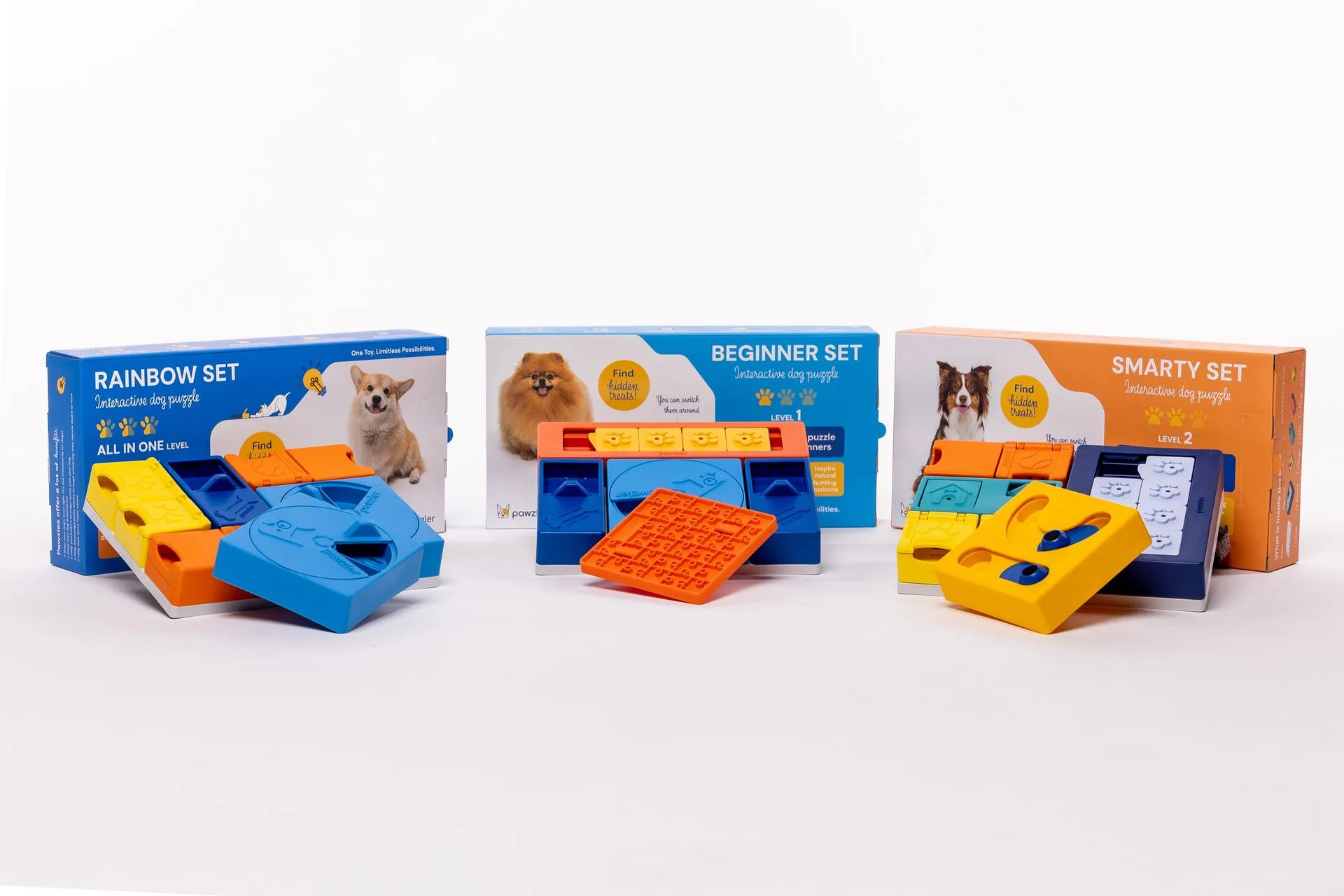
Choose a treat-dispensing puzzle toy that matches your dog's size, chewing strength, and play style to provide daily mental stimulation and slow down fast eaters.
Why mental stimulation matters for dogs
Dogs that lack mental challenges often develop destructive habits like chewing furniture or excessive barking. Puzzle toys turn mealtime into a game, engaging their natural foraging instincts and keeping them occupied indoors.
What to look for in a puzzle toy
Consider durability, treat capacity, and ease of cleaning. Rubber and hard plastic options suit different chewers. Adjustable difficulty lets you increase the challenge as your dog learns.
Decision rules for choosing a puzzle toy
- Assess your dog's chewing strength: Light chewers can use hard plastic toys like Ball PA 5216; heavy chewers need tougher rubber options like Toy PA 6478 to avoid breakage. Always supervise the first few uses to confirm the toy holds up.
- Match treat size to the toy's opening: Small kibble or biscuits work best. Measure your dog's usual treat diameter and compare it to the toy's dispenser hole. If treats get stuck, try slightly smaller pieces.
- Choose adjustable difficulty: Toys with adjustable openings let you start easy and increase challenge as your dog improves, keeping the game fresh.
- Consider cleaning ease: Smooth plastic toys are easier to rinse; rubber ones may need more scrubbing. Check if the toy is dishwasher-safe. Clean weekly to prevent bacterial buildup.
Product facts
-
Toy PA 6478: Made of thermoplastic rubber with an uneven surface that massages gums while dispensing biscuits or dry food as it rolls. This toy combines dental care with mental play, making it ideal for dogs that need gentle gum stimulation during puzzle time.
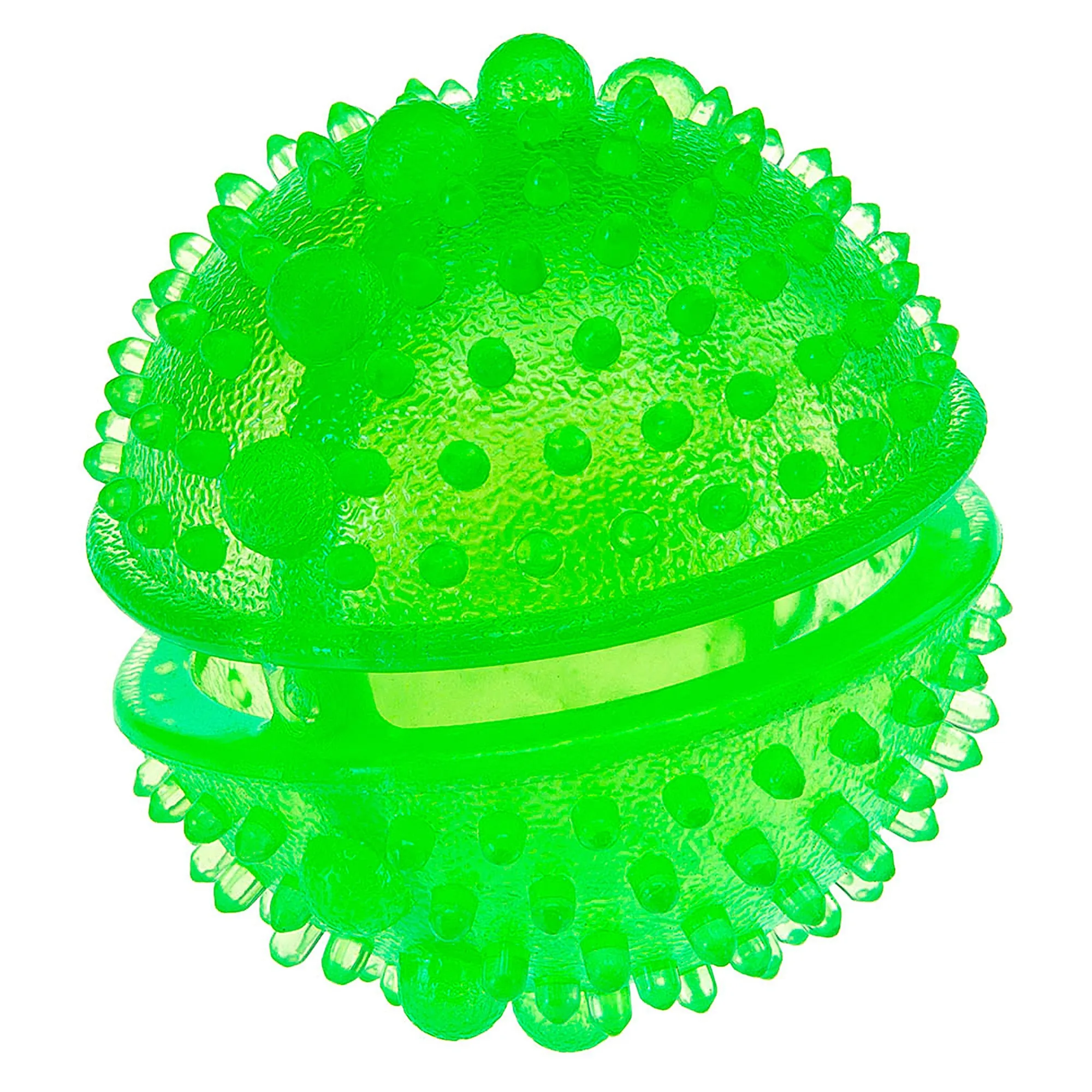
Toy PA 6478
-
Ball PA 5216: A plastic toy with an adjustable opening that releases small treats or biscuits when rolled. You can control the treat flow, which helps slow down fast eaters and extends play sessions for better mental engagement.
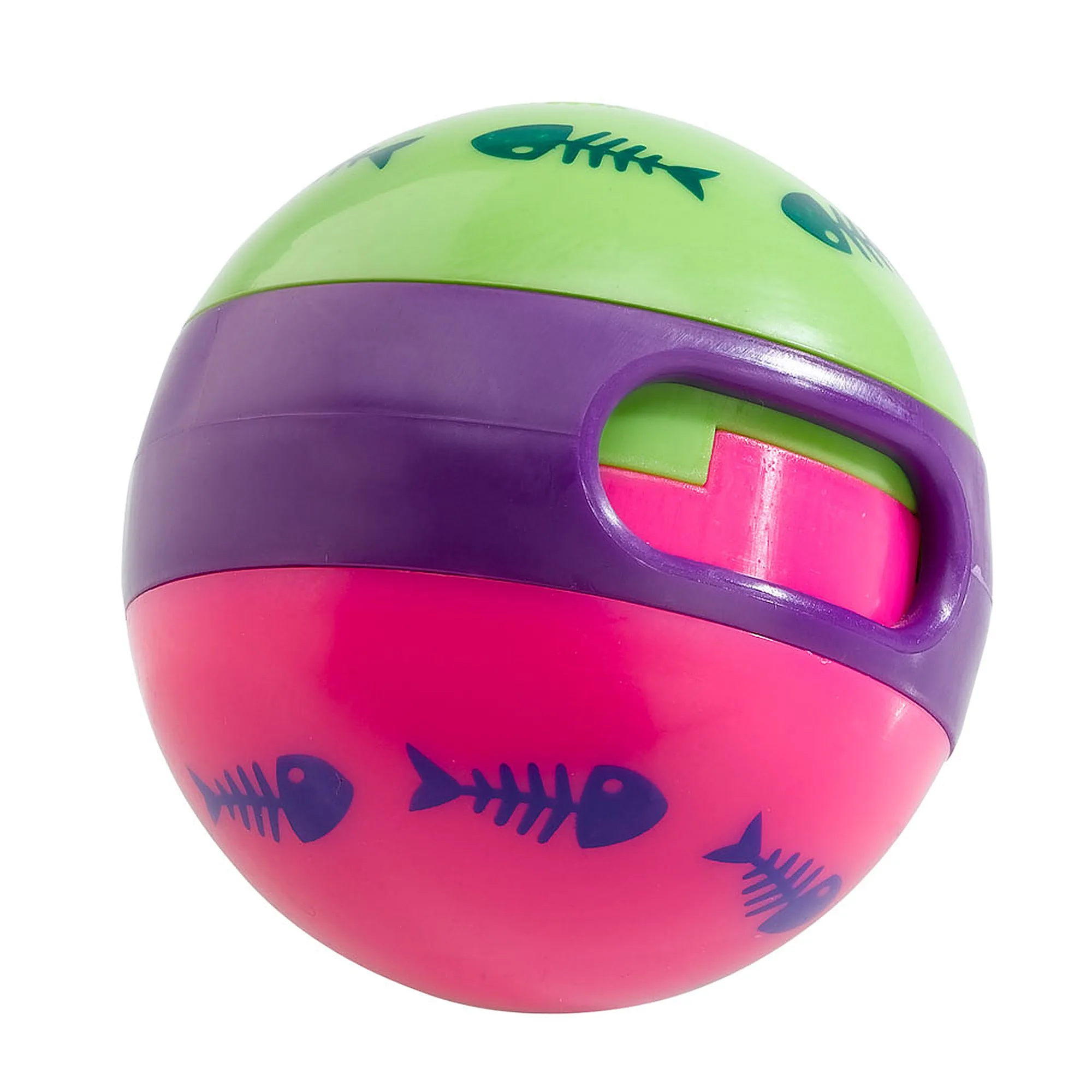
Ball PA 5216
Which toy fits your dog?
Best for
- Dogs that eat too fast and need to slow down
- Indoor dogs that need boredom relief without destructive behavior
Not for
- Aggressive chewers that destroy hard plastic within minutes
- Very small dogs that may struggle to roll larger toys