Start with a calm, supervised first session
Introducing a plush toy to a puppy is less about the toy and more about the first few minutes. Set the toy on the floor in a quiet room and let your puppy approach it. Don't wave it, squeak it, or toss it right away. A new puppy needs a moment to sniff and decide what the object is.
Keep the first session short—a few minutes is enough. You are not trying to tire your puppy out; you are teaching them that this toy is safe to explore with you nearby. If your puppy mouths the toy gently, let them. If they start to bite down hard or shake it, gently take it away and redirect them to a chew toy that is built for that kind of pressure.
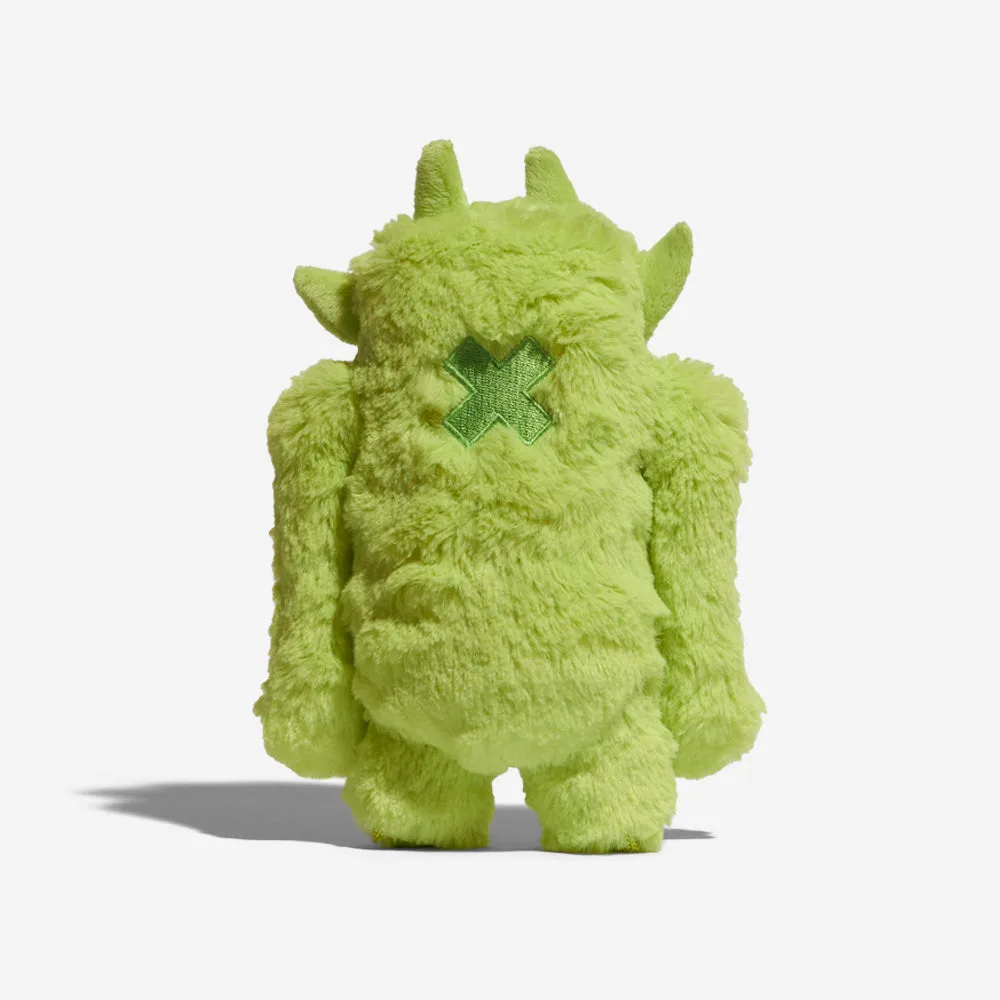
The Greg plush dog toy is a useful example of a toy that works well for this kind of introduction. It is 5 inches wide and 8.2 inches tall, which is a good size for many puppies to carry and nuzzle, though you should check it against your own puppy's mouth and body size. The squeaker inside makes it interesting, but you can save the squeak for later sessions once your puppy is comfortable with the toy.
What the Greg plush toy gives you to work with
-
Greg | Plush Dog Toy: Width: 5 inches; Height: 8.2 inches These dimensions help you judge whether the toy is proportionate for your puppy to carry and mouth without being so small that it becomes a swallowing risk.
Greg | Plush Dog Toy
-
Greg | Plush Dog Toy: Reinforced seams and an underlayer of mesh that helps reduce ripping These construction details mean the toy can handle some mouthing, but they do not make it indestructible—supervision still matters.
-
Greg | Plush Dog Toy: Squeaker inside The squeak adds interest for many puppies, but it also encourages biting. Introduce the squeak only after your puppy is calm with the toy.
-
Greg | Plush Dog Toy: Not recommended for chewers If your puppy is already a determined chewer, this plush toy is not the right first toy. Choose a chew-specific toy instead.
A simple introduction sequence for a new puppy
Use this sequence over a few days, not all at once. The goal is to build positive associations and set expectations for how toys are used in your home.
- Day 1: Sniff and explore: Place the toy on the floor during a quiet moment. Let your puppy sniff, paw, and mouth it gently. Keep your hand on the toy if your puppy tries to carry it away, so the toy stays part of a shared activity.
- Day 2: Gentle mouthing with you nearby: Sit on the floor and hold the toy loosely. Let your puppy mouth the fabric. If they start to bite hard, pause the session and put the toy away. This teaches that gentle mouthing keeps the toy in play.
- Day 3: Add the squeak: Squeak the toy once and watch your puppy's reaction. If they get excited and start to grab, stop squeaking and let them settle. If they stay calm, squeak occasionally during play.
- Day 4: Short supervised play: Let your puppy carry and shake the toy gently for a minute or two. End the session while your puppy is still interested, so the toy stays a treat rather than something they get bored with.
Supervision rules that keep plush play safe
Plush toys are not chew toys, and the Greg toy is explicitly not recommended for chewers. That means you should put the toy away when you cannot watch your puppy. A puppy left alone with a plush toy may chew through the fabric, pull out the squeaker, or swallow stuffing—none of which you want.
During supervised play, watch for two things: hard biting and seam damage. If your puppy starts to bite down and hold, redirect them to a chew toy. If you see a seam opening or the mesh underlayer showing, take the toy away and repair or replace it. The reinforced seams and mesh underlayer help reduce ripping, but they are not a guarantee against a determined puppy.
Also keep the toy out of your puppy's crate unless you are actively supervising. A crate is for rest, not for plush play, and a puppy with nothing else to do may decide to test the toy's seams.
When a plush toy is the wrong first toy
Some puppies should not start with a plush toy at all. If your puppy is already a strong chewer, or if they have a history of destroying soft toys, skip plush for now and choose a chew toy that is designed for that kind of pressure. The Greg toy's own record says it is not recommended for chewers, so take that seriously.
If your puppy is a gentle mouther who likes to carry and nuzzle, a plush toy can be a good fit. But even then, it should be one toy among several—not the only toy your puppy has access to. Rotate it with chew toys and puzzle toys so your puppy learns that different toys have different jobs.
Cleaning and checking the toy between sessions
The supplied information for the Greg plush toy does not include specific washing instructions. That means you should check the toy's care label or the manufacturer's guidance before washing it. In the meantime, you can spot-clean surface dirt with a damp cloth and let the toy air-dry completely before giving it back to your puppy.
Check the toy before and after each play session. Look at the seams, the squeaker area, and the mesh underlayer. If you find a hole or a loose squeaker, remove the toy from circulation. A puppy can swallow small parts quickly, so a damaged plush toy is not worth the risk.