Quick answer
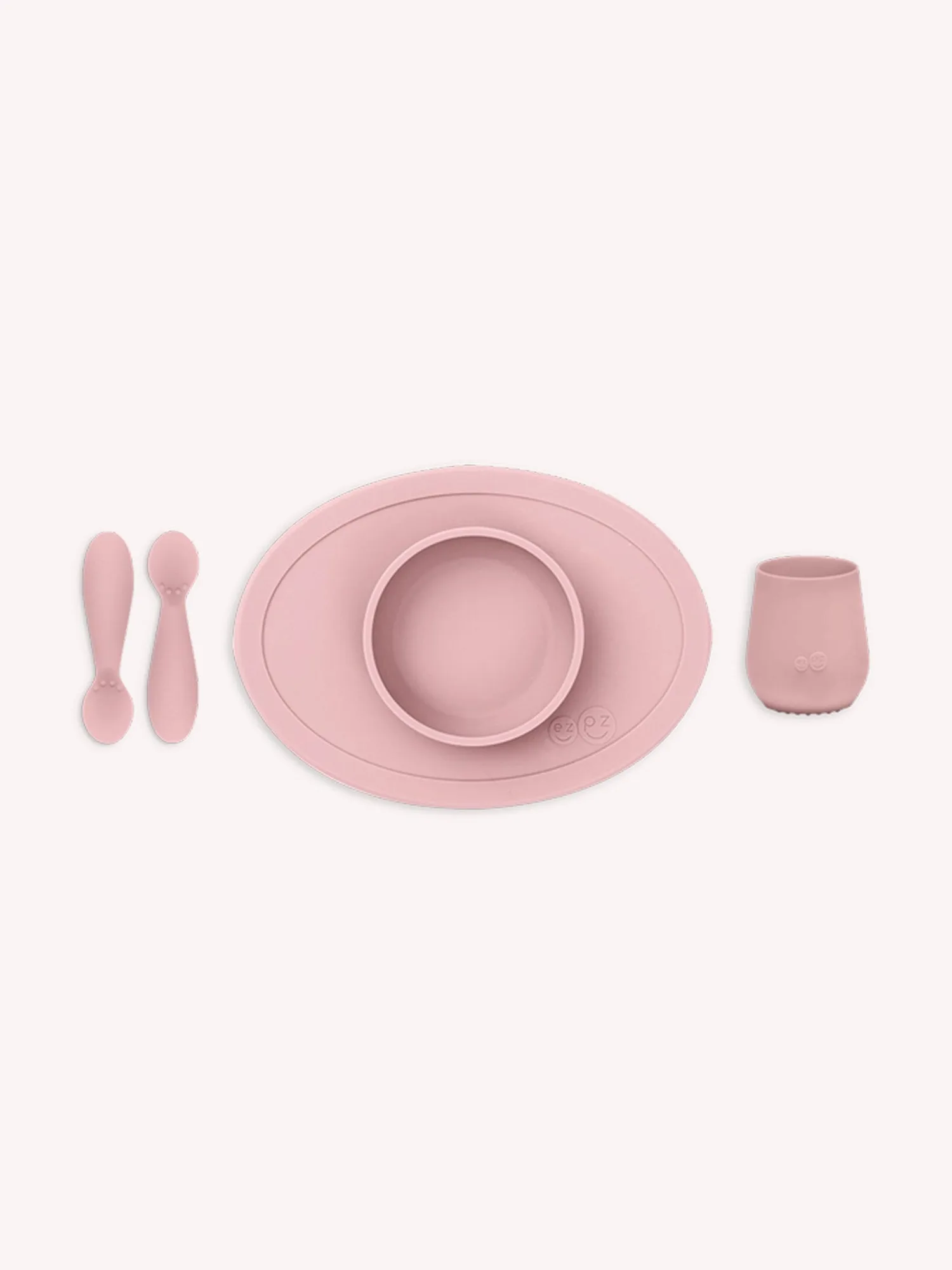
Start solid feeding by offering a pre-loaded silicone spoon to your baby at a calm time, letting them self-feed or accepting your help. Silicone spoons are gentle on gums, easy to clean, and safe for babies under one.
Why silicone spoons for first foods?
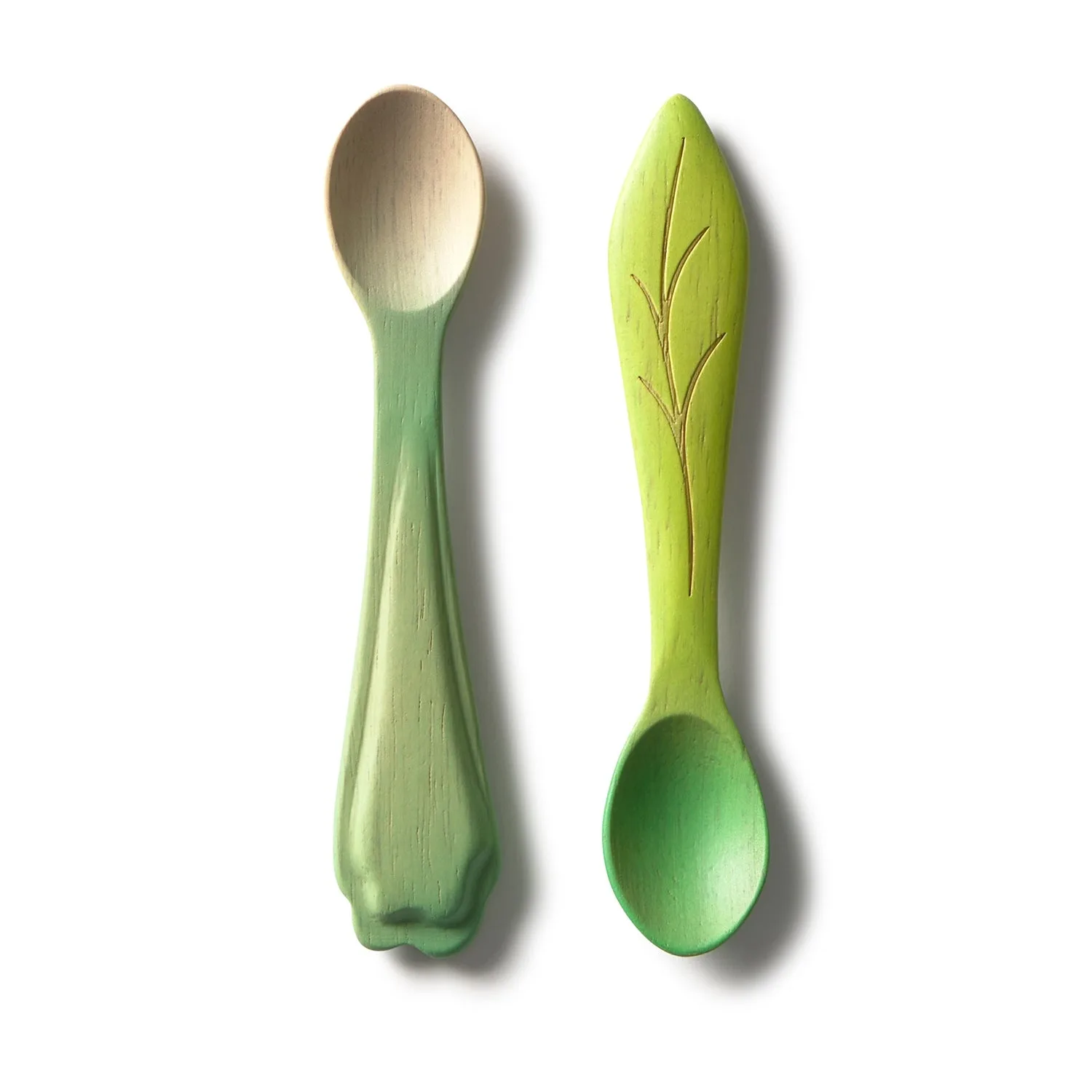
Silicone spoons are soft, flexible, and heat-resistant, making them ideal for babies learning to eat. They won't scratch tender gums or new teeth, and they don't leach chemicals into food. However, some babies prefer the natural feel of wood. The Luk & Kendall Spoons Set offers a wooden alternative that is phthalate-free and made from Hevea wood, giving a second life to rubber trees. Choose silicone if your baby is still mouthing the spoon; choose wood if you want a durable, timeless option that can transition to toddler snacks.
When to start introducing solids
Most babies are ready for solids around 6 months, when they can sit upright with support, show interest in food, and have lost the tongue-thrust reflex. Starting too early (before 4 months) can increase choking risk and digestive issues. Wait until your baby can hold their head steady and reach for your spoon.
Steps to introduce solids with a silicone spoon set
- 1. Choose the right spoon: Select a silicone spoon that is soft-tipped, BPA-free, and sized for a baby's mouth. Avoid metal or hard plastic that can hurt gums. If you prefer a sustainable option, consider the Luk & Kendall Spoons Set made from Hevea wood. The spoon should be shallow and easy for little hands to grip.
- 2. Prepare the first food: Start with a single-ingredient puree (e.g., mashed avocado or sweet potato) at a runny consistency. Avoid adding salt, sugar, or honey. Offer food at room temperature or slightly warm—never hot. Check temperature on your wrist before feeding.
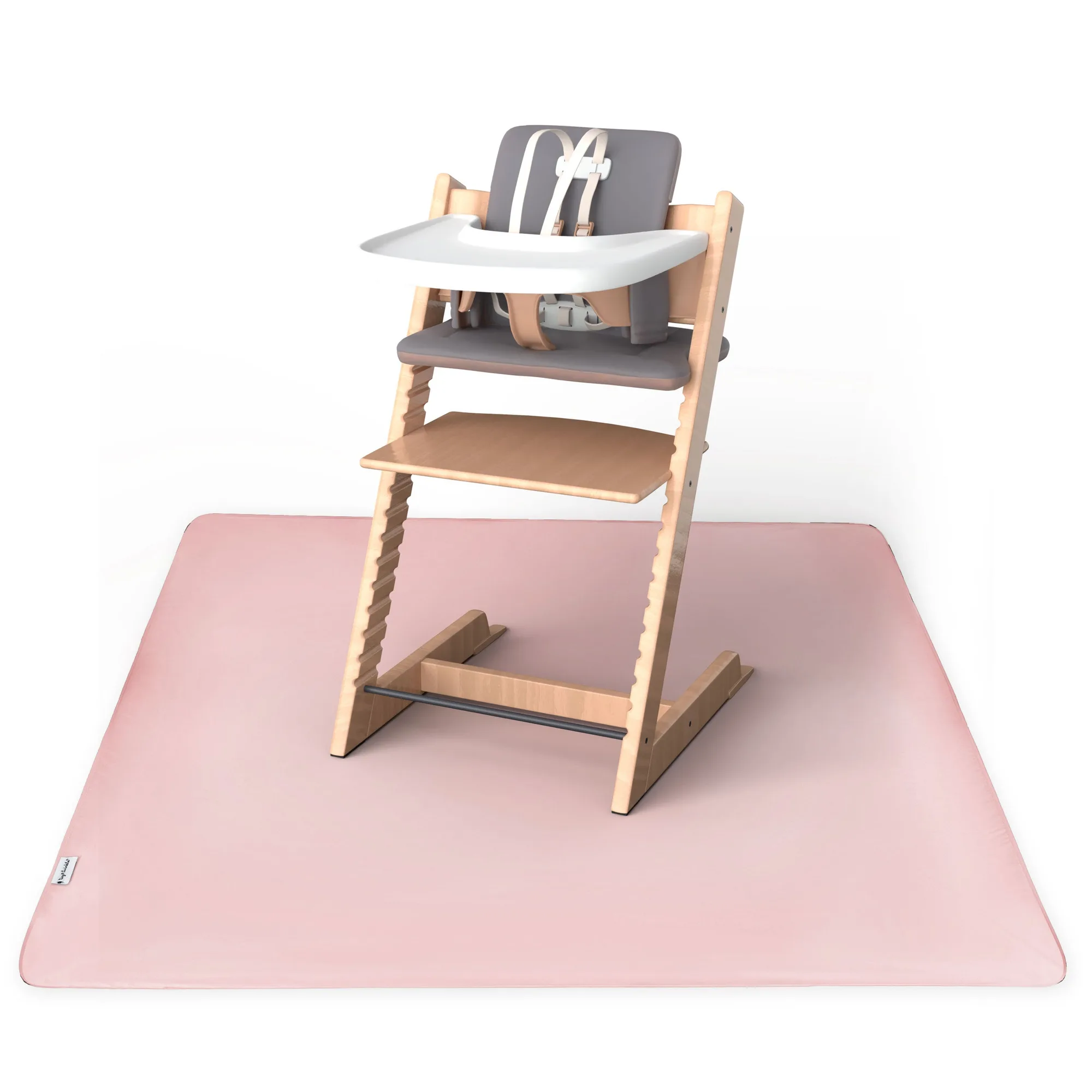
- 3. Position your baby safely: Sit your baby upright in a high chair with good support. Never feed a reclining baby. Keep the spoon at mouth level and let your baby open their mouth before inserting the spoon. Common mistake: forcing the spoon into a closed mouth. Wait for them to accept it.
- 4. Offer the spoon, don't feed: Dip the spoon in the puree and let your baby grab it or bring it to their mouth. If they are not interested, try again later. Let them explore the spoon and food with their hands. Expect mess—it's part of learning. Use a bib with a catch pocket.
- 5. Watch for fullness cues: Stop feeding when your baby turns their head away, pushes the spoon, or closes their mouth. Never force them to finish a portion. Babies self-regulate intake naturally. Overfeeding can lead to gagging or food aversion. Trust their signals.
- 6. Clean the spoon properly: Rinse silicone spoons immediately after use and wash with warm soapy water or in the dishwasher (top rack). For wooden spoons like Luk & Kendall, hand wash with mild soap and dry immediately to prevent cracking. Never soak wooden spoons—they can warp or split.
Product facts
-
Luk & Kendall Spoons Set: The Luk & Kendall Spoons Set is handcrafted from Hevea wood, giving a second life to trees that previously produced rubber toys. This wooden spoon set is phthalate-free and designed with a timeless shape that grows with your child, from baby meals to toddler snacks.
Luk & Kendall Spoons Set