When it comes to boosting your mineral intake, two popular options often come up: ionic fulvic acid and shilajit resin. Both are praised for their ability to deliver trace minerals and support energy, but they have distinct characteristics that may make one a better fit for your lifestyle and health goals. In this comparison, we'll break down what each offers, how they differ, and how to decide which one deserves a spot in your daily routine.
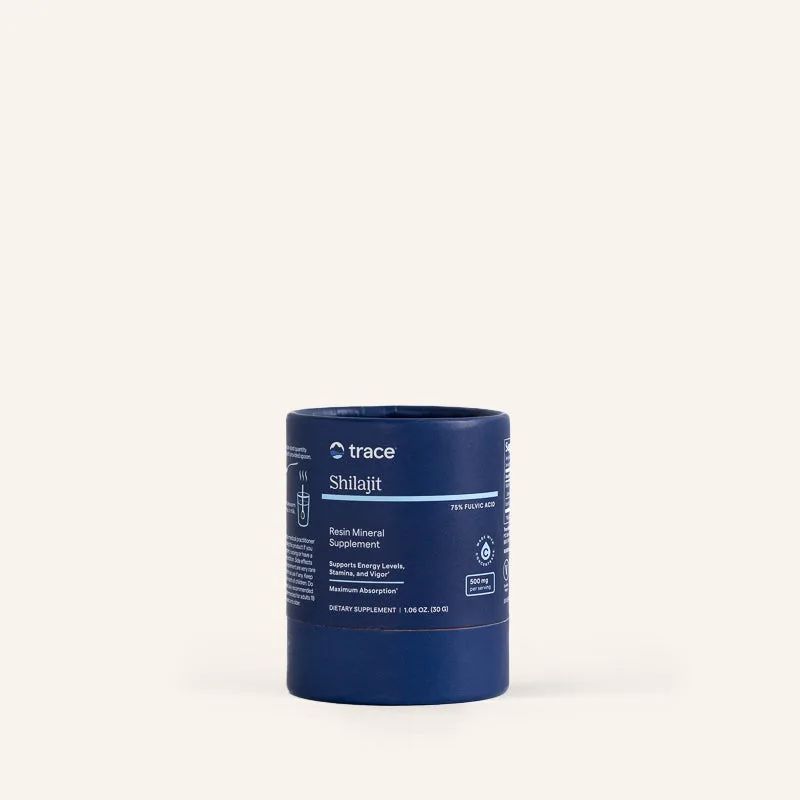
shilajit resin
Understanding the nuances between these two supplements is key to making an informed choice. Whether you're looking for enhanced nutrient absorption, better hydration, or a natural energy lift, knowing the unique properties of ionic fulvic acid and shilajit resin can help you tailor your supplementation to your specific needs.
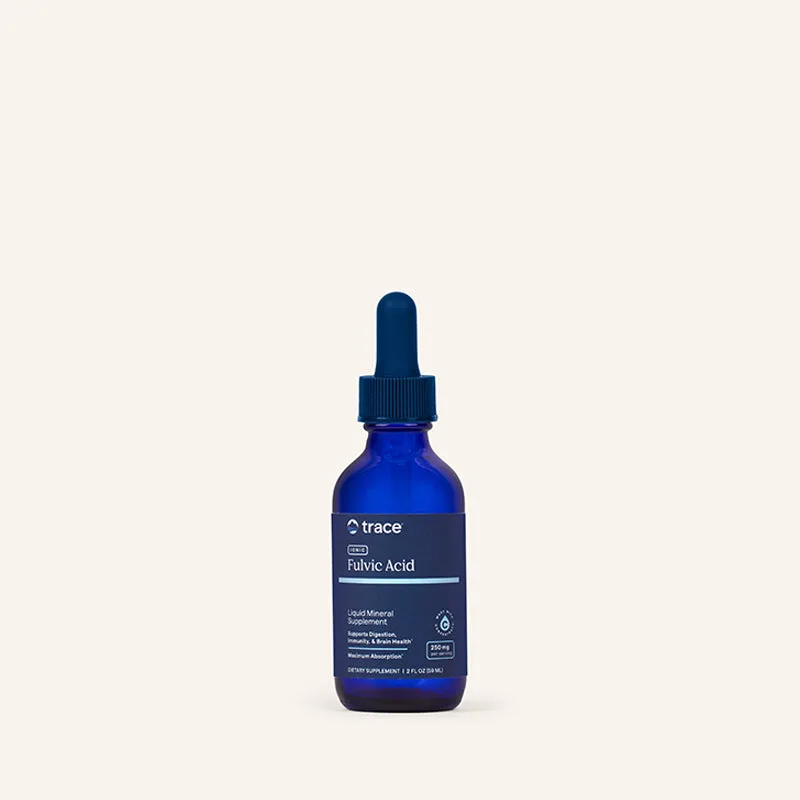
What Is Ionic Fulvic Acid?
Ionic fulvic acid is a natural compound derived from decomposed organic matter, such as humic substances found in soil and water. It's known for its ability to chelate (bind) minerals, making them more bioavailable and easier for your body to absorb. This ionic form is particularly prized for its small molecular size and negative charge, which allows it to carry positively charged minerals and nutrients into cells efficiently.
Many people turn to ionic fulvic acid to improve digestion, enhance nutrient uptake, and support detoxification. It's also a popular choice for athletes and active individuals who want to maintain electrolyte balance and reduce fatigue. Because it's a liquid, it can be easily added to water or smoothies, making it a convenient addition to any wellness routine.
- Enhances mineral absorption by acting as a natural chelator.
- Supports gut health and nutrient assimilation.
- May help with detoxification by binding to heavy metals and toxins.
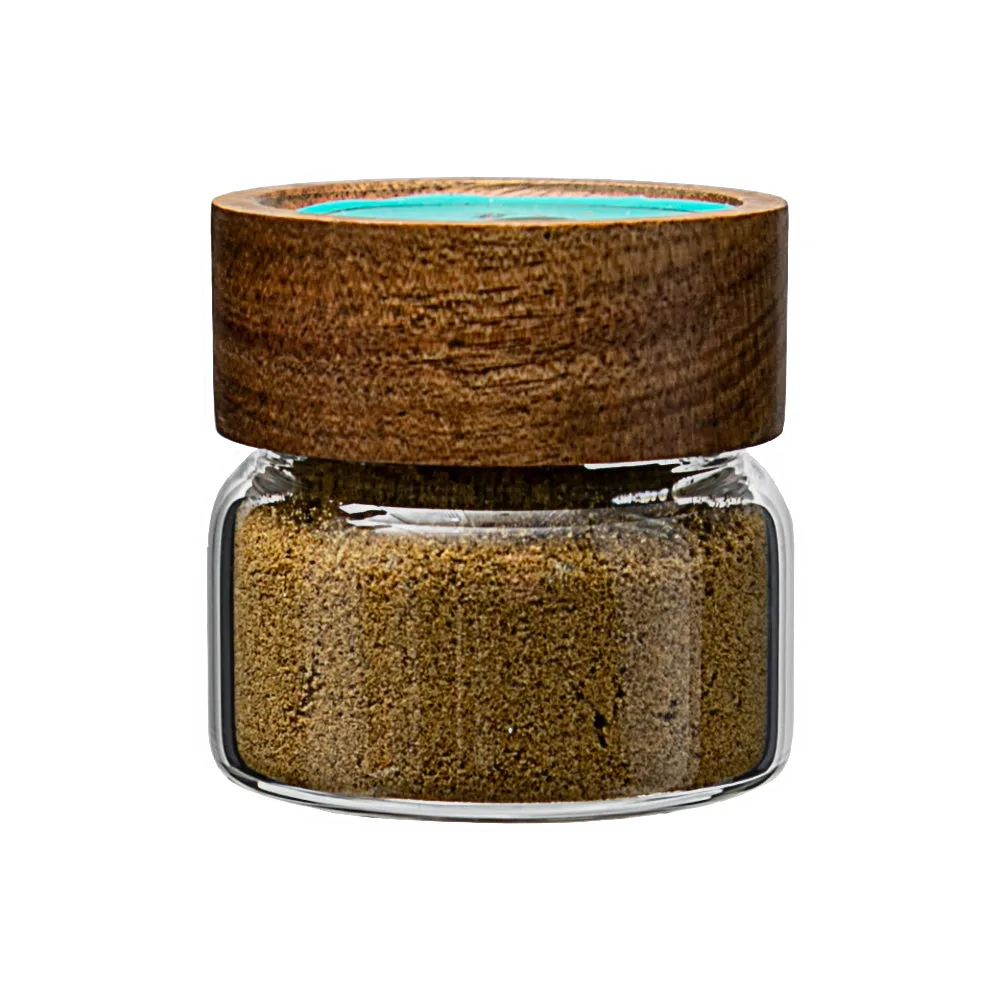
What Is Shilajit Resin?
Shilajit resin is a sticky, tar-like substance that oozes from rocks in high mountain regions, particularly the Himalayas. It forms over centuries from the slow decomposition of plant matter and is rich in fulvic acid, humic acid, and more than 80 trace minerals. Traditional Ayurvedic medicine has used shilajit for thousands of years to boost energy, improve stamina, and support overall vitality.
Shilajit is often consumed in its resin form, which is dissolved in warm water or milk. It's renowned for its adaptogenic properties, helping the body cope with stress and fatigue. Many users report increased mental clarity, better physical performance, and a stronger immune response. However, because shilajit is a resin, it has a strong earthy taste and requires a bit more preparation compared to liquid ionic supplements.
- Rich in fulvic acid and trace minerals, offering a broad spectrum of nutrients.
- Used in Ayurvedic medicine for energy, stamina, and cognitive function.
- May support adrenal health and stress resilience.
Key Differences Between Ionic Fulvic Acid and Shilajit Resin
The primary difference lies in their form and composition. Ionic fulvic acid is typically a purified liquid concentrate that isolates fulvic acid and its mineral complexes. It's highly bioavailable and easy to mix with any beverage. Shilajit resin, on the other hand, is a whole-food complex that includes fulvic acid along with other organic compounds, which some argue provides a synergistic effect.
Another distinction is taste and convenience. Ionic fulvic acid has a mild, slightly earthy taste that's easy to mask, while shilajit resin has a strong, bitter flavor that can be off-putting. If you're always on the go, a liquid like ionic fulvic acid might be more practical. If you prefer a traditional, whole-substance approach and don't mind the taste, shilajit resin could be your choice.
- Ionic fulvic acid: purified, liquid, neutral taste, easy to mix.
- Shilajit resin: whole-food, strong taste, requires dissolving in liquid.
- Both provide fulvic acid, but shilajit includes additional organic compounds.
Benefits for Energy and Hydration
Both supplements are renowned for their energy-boosting properties, but they work in slightly different ways. Ionic fulvic acid enhances cellular energy production by improving mineral transport and supporting mitochondrial function. This can translate to better endurance and reduced fatigue, especially during workouts or high-stress periods.
Shilajit, with its adaptogenic qualities, helps the body adapt to stress and may improve stamina by supporting adrenal function. It's also been linked to better oxygen utilization, which can be beneficial for athletes. For hydration, ionic fulvic acid excels because it helps maintain electrolyte balance, making it a great addition to your hydration routine, especially if you're active or sweat heavily.
- Ionic fulvic acid supports mitochondrial energy and electrolyte balance.
- Shilajit aids stress adaptation and oxygen utilization.
- Both can be part of a pre-workout or daily energy regimen.
How to Choose the Right One for You
Your choice ultimately depends on your personal preferences and health goals. If you're looking for a versatile, easy-to-use liquid that you can add to water, smoothies, or your favorite electrolyte drink, ionic fulvic acid is a fantastic option. It's ideal for those who want to enhance nutrient absorption without altering the taste of their beverages significantly.
If you're drawn to traditional remedies and don't mind a robust flavor, shilajit resin offers a whole-food approach that many find grounding and effective. It's particularly appealing if you're interested in adaptogenic benefits and a broad mineral profile. You might also consider incorporating both into your routine at different times, but it's always wise to consult with a healthcare provider before starting any new supplement.
- Choose ionic fulvic acid for convenience and neutral taste.
- Choose shilajit resin for traditional, whole-food benefits.
- Consider your lifestyle, taste preferences, and specific health goals.
Both ionic fulvic acid and shilajit resin are excellent ways to boost your mineral intake and support overall wellness. If you're leaning toward a convenient, highly absorbable liquid, ionic fulvic acid might be your best bet. For a more traditional, adaptogenic option, shilajit resin is worth exploring. Whichever you choose, remember to pair it with a balanced diet and healthy lifestyle for optimal results.