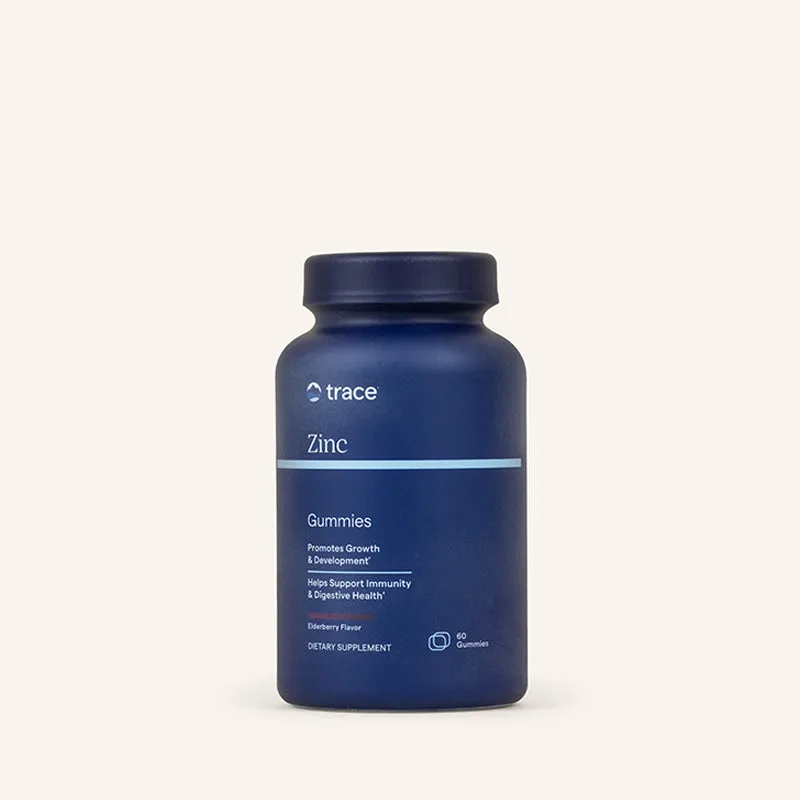
Zinc is an essential mineral that supports immune function, wound healing, DNA synthesis, and over 300 enzymatic reactions in the body. With so many zinc supplements on the market, it can be confusing to choose the right form. Two popular options are ionic zinc and zinc picolinate. Both claim superior absorption, but which one truly delivers?
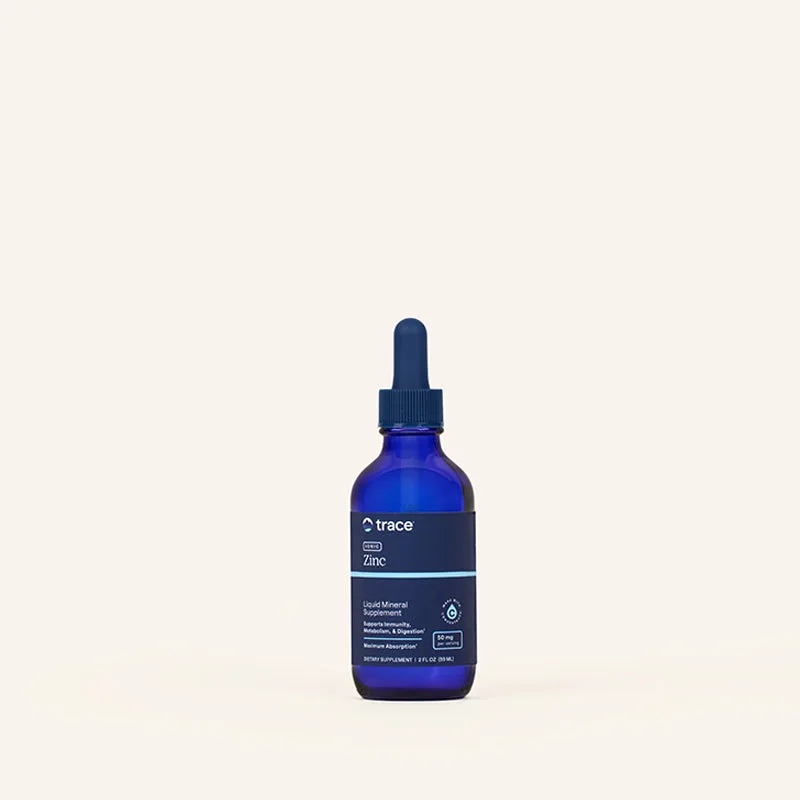
ionic zinc
In this comparison, we'll explore the science behind ionic zinc and zinc picolinate, how they differ in absorption, bioavailability, and overall effectiveness. Whether you're looking to boost immunity, improve skin health, or support hormone balance, understanding these differences can help you make an informed choice.
What Is Ionic Zinc?
Ionic zinc refers to zinc in its charged, elemental form (Zn2+) suspended in water. Unlike chelated forms, ionic zinc does not require digestion to break down a bond before absorption. The body can absorb it directly through the gastrointestinal tract. This makes ionic zinc a highly bioavailable option, especially for individuals with compromised digestion or absorption issues.
Brands like Trace Minerals offer ionic zinc supplements that are derived from concentrated ionic trace minerals. These products provide zinc in a liquid form that can be easily added to water or juice. For example, Ionic Zinc is a popular choice for those seeking rapid absorption without fillers or synthetic binders.
- Ionic zinc is already in a charged state, ready for absorption.
- Liquid ionic zinc can be taken sublingually for faster uptake.
- Suitable for vegans and those with sensitive stomachs.
What Is Zinc Picolinate?
Zinc picolinate is a chelated form of zinc, where the mineral is bound to picolinic acid—a natural metabolite of the amino acid tryptophan. This chelation is designed to enhance absorption by facilitating transport across the intestinal wall. Many studies suggest that zinc picolinate is better absorbed than other common forms like zinc sulfate or zinc oxide.
Because picolinic acid helps shuttle zinc into cells, zinc picolinate is often recommended for individuals with zinc deficiency or those who need higher bioavailability. It is widely available in capsule or tablet form and is a staple in many multivitamin formulations.
- Chelated with picolinic acid for enhanced transport.
- Well-studied form with proven absorption benefits.
- Commonly used in supplements for immune and skin health.
Absorption and Bioavailability: Head-to-Head
When comparing absorption, both ionic zinc and zinc picolinate have advantages. Ionic zinc's key strength is that it does not require enzymatic breakdown, making it immediately available for uptake. This can be crucial for people with low stomach acid or digestive enzyme insufficiency. On the other hand, zinc picolinate's chelation may protect zinc from binding with dietary inhibitors like phytates, potentially increasing net absorption.
Several studies indicate that zinc picolinate has higher absorption rates compared to zinc sulfate and zinc gluconate. However, direct comparisons with ionic zinc are limited. Anecdotal evidence and the mechanism of ionic minerals suggest that ionic zinc may be absorbed even more efficiently because it bypasses the need for dissociation. Ultimately, individual factors such as gut health, diet, and specific health conditions play a significant role.
- Ionic zinc: immediate availability, good for low stomach acid.
- Zinc picolinate: chelation reduces interference from dietary phytates.
- No definitive study shows one is universally superior; personal response matters.
Which Form Is Right for You?
Choosing between ionic zinc and zinc picolinate depends on your health goals and lifestyle. If you prefer a liquid supplement that can be taken on an empty stomach for fast absorption, ionic zinc is an excellent choice. It is also ideal for those who have difficulty swallowing pills. For example, Ionic Zinc from Trace Minerals provides 30 mg of zinc per serving in a convenient liquid dropper.
If you are looking for a well-researched, chelated form that fits easily into a daily pill regimen, zinc picolinate is a reliable option. It is particularly popular for acne, immune support, and testosterone health. Some individuals may find that one form works better for them than the other, so it may be worth trying both to see which yields better results.
- Ionic zinc: liquid, fast absorption, no fillers.
- Zinc picolinate: pill form, chelated, well-studied.
- Consider your digestive health and convenience preferences.
Other Factors to Consider
Beyond the form of zinc, dosage and timing matter. The recommended dietary allowance (RDA) for zinc is 11 mg for men and 8 mg for women, but therapeutic doses can be higher. Taking zinc with food can reduce stomach upset but may also inhibit absorption due to phytates. Ionic zinc may be less affected by food because it is already in an absorbable state.
Additionally, long-term high-dose zinc supplementation can lead to copper deficiency, so it's wise to balance with copper or choose a product that includes trace minerals. Trace Minerals offers comprehensive ionic mineral formulas that provide a balanced spectrum of minerals, which can help maintain overall mineral harmony.
- Pair zinc with copper to prevent imbalance.
- Take ionic zinc away from high-phytate foods for best absorption.
- Consult a healthcare professional before starting high doses.
Both ionic zinc and zinc picolinate offer excellent absorption, but the best choice depends on your individual needs. If you value immediate availability and liquid convenience, ionic zinc is a top contender. For a classic, well-studied chelated form, zinc picolinate is a solid option. Explore our Ionic Zinc to experience fast-absorbing zinc in its purest ionic form.