When you invest in a premium smartphone like the iPhone 17 or a Samsung Galaxy, protecting its display is a top priority. A screen protector is a simple yet essential accessory that shields your screen from scratches, drops, and everyday wear. But with so many options on the market, how do you choose the right one? More importantly, do iPhone 17 and Samsung Galaxy screen protectors differ in clarity and performance?
In this comparison, we'll break down the key factors that affect screen protector clarity, including material, coating, and design. We'll also look at specialized options like privacy screen protectors and impact-resistant films, so you can make an informed decision for your device.
Material Matters: Tempered Glass vs. Film
The material of a screen protector is the biggest factor in clarity. Tempered glass protectors are the most popular choice for both iPhone 17 and Samsung Galaxy devices. They offer excellent optical transparency, often exceeding 99%, which means colors stay vibrant and text remains sharp. Glass also feels similar to your phone's original screen, providing a smooth touch experience.
Film protectors, on the other hand, are thinner and more flexible. While modern films have improved, they can still reduce clarity slightly, especially if they have a matte finish. Matte films reduce glare but can make the display look slightly grainy. For users who prioritize crystal-clear visuals, tempered glass is the winner.
- Tempered glass offers higher clarity and a more natural feel.
- Film protectors are thinner but may reduce sharpness, especially matte versions.
Oleophobic Coating: The Key to a Clean, Clear Screen
An oleophobic coating repels oils and fingerprints, keeping your screen clean and clear. Both iPhone 17 and Samsung Galaxy screen protectors often come with this coating, but the quality varies. High-quality protectors have a durable oleophobic layer that resists smudges and is easy to wipe clean.
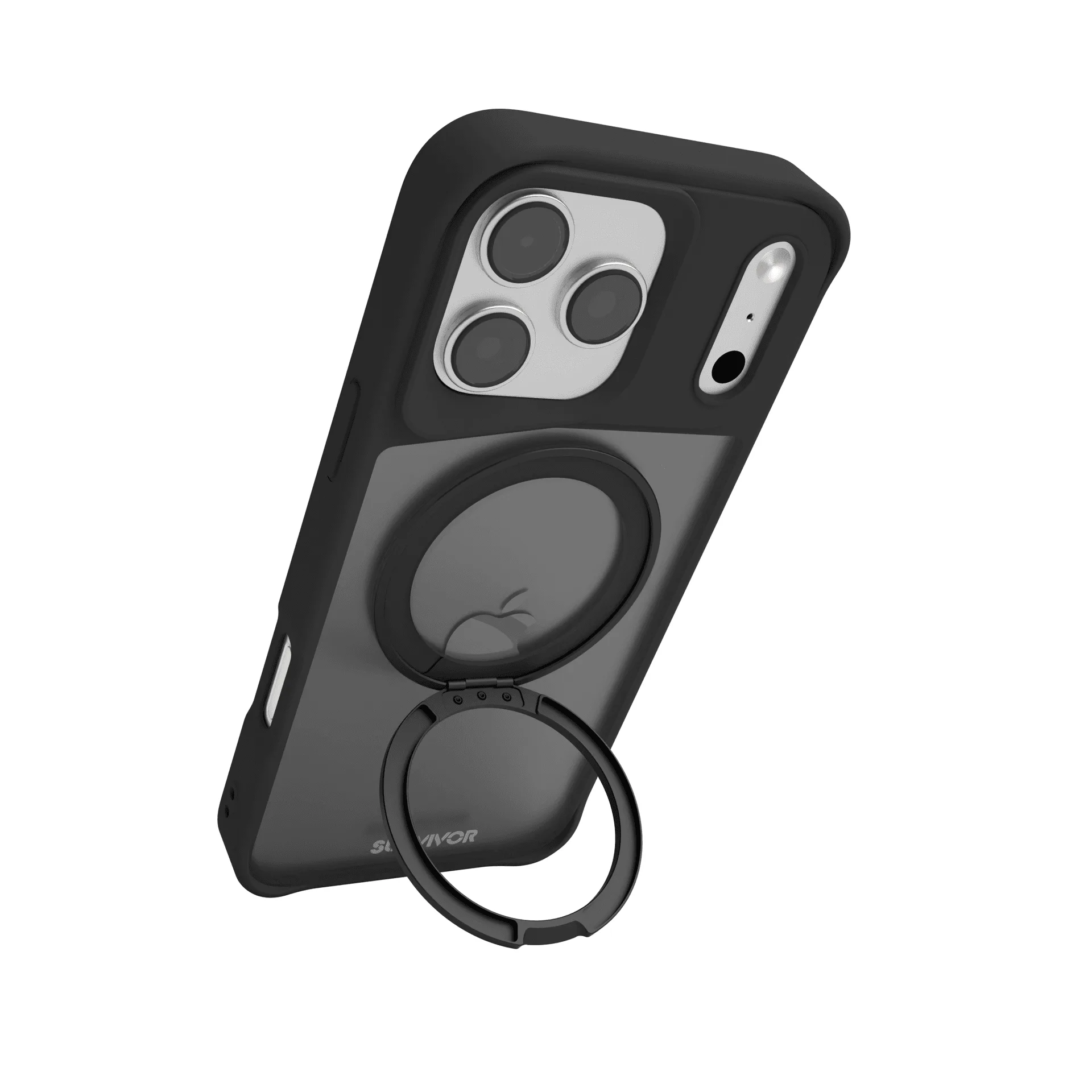
Over time, this coating can wear off, affecting clarity. Look for protectors that advertise an enhanced oleophobic coating. Some brands, like those in the Griffin Technology-Incipio lineup, offer protectors with advanced coatings that maintain clarity longer. While we don't have specific iPhone 17 or Galaxy models from them, their MagSafe cases like the https://warmhavenlyai.shop/products/forme-for-magsafe-for-iphone-16-pro-max-290344Forme for MagSafe for iPhone 16 Pro Max and Velocity for MagSafe for iPhone 15 Pro show their commitment to quality accessories.
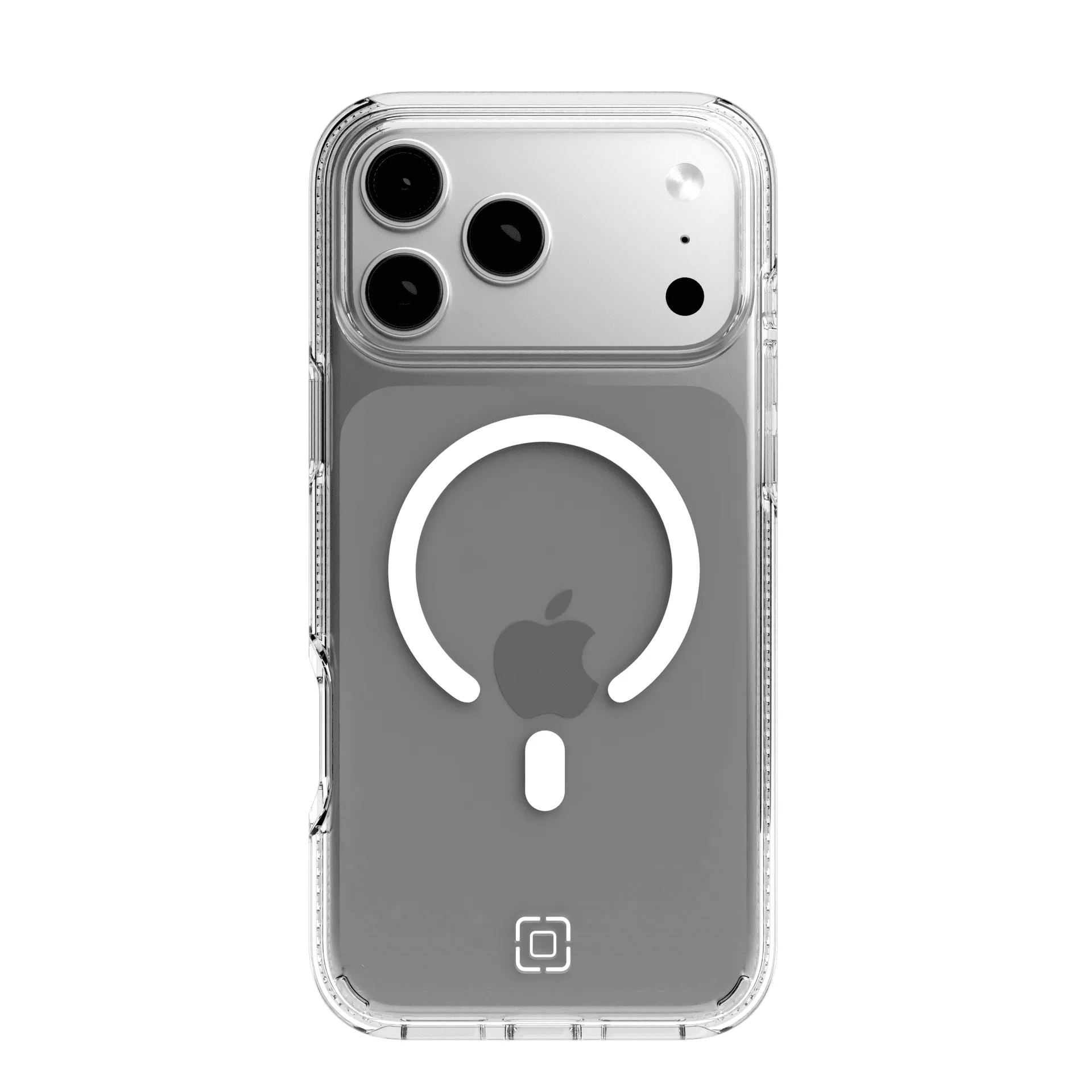
Velocity for MagSafe for iPhone 15 Pro
- A good oleophobic coating prevents fingerprints and smudges.
- Durable coatings maintain clarity over time.
Clarity Features: Anti-Reflective and Privacy Options
Some screen protectors add layers to reduce reflections or enhance privacy. Anti-reflective coatings are great for outdoor use, as they cut down on glare and improve visibility in bright light. Privacy screen protectors use a micro-louver technology that narrows the viewing angle, so only the person directly in front of the screen can see it clearly. However, this can reduce overall clarity and brightness, as the film slightly darkens the display.
If you often work in public or commute, a privacy protector might be worth the trade-off. But for users who value maximum clarity, a clear, anti-reflective protector is the better choice. The decision often comes down to your personal needs.
- Anti-reflective coatings improve outdoor visibility.
- Privacy protectors limit viewing angles but can reduce clarity.
Durability and Impact Resistance: Protecting Your Investment
Clarity isn't just about optics; it's also about how well the protector maintains its integrity after a drop. A scratch-resistant screen protector keeps your view clear by preventing surface damage. Impact-resistant protectors are designed to absorb shock and prevent cracks from spreading, which can obscure your view.
Tempered glass protectors with a hardness rating of 9H are highly scratch-resistant. Some also feature edge-to-edge coverage and a curved design to fit the contours of your phone. For Samsung Galaxy users, the same principles apply. Look for protectors that offer a good balance of hardness and flexibility to handle impacts without shattering.
- 9H hardness ensures excellent scratch resistance.
- Impact-resistant designs protect against drops and cracks.
iPhone 17 vs Samsung Galaxy: Which Has Better Clarity?
When comparing iPhone 17 and Samsung Galaxy screen protectors, the clarity largely depends on the specific product, not the phone brand. Both platforms support high-quality tempered glass protectors with similar optical properties. The iPhone 17's display and Samsung's AMOLED screens both benefit from a clear protector that doesn't alter colors or brightness.
The main difference lies in the shape and cutouts. iPhone 17 models may have a Dynamic Island-style cutout, while Samsung Galaxy phones often have a punch-hole camera. A well-designed protector will accommodate these features without affecting clarity. Always choose a protector specifically designed for your phone model to ensure a perfect fit and maximum clarity.
- Clarity is more dependent on the protector's quality than the phone brand.
- Choose a model-specific protector for the best fit and clarity.
When choosing between iPhone 17 and Samsung Galaxy screen protectors, the key is to prioritize a high-quality tempered glass protector with a durable oleophobic coating and good impact resistance. While privacy protectors offer added security, they often compromise clarity. For the best viewing experience, opt for a clear, anti-reflective protector. And don't forget to pair your screen protector with a sturdy case, like the Forme for MagSafe for iPhone 16 Pro Max or the Velocity for MagSafe for iPhone 15 Pro, to keep your phone safe from all angles.