Quick answer
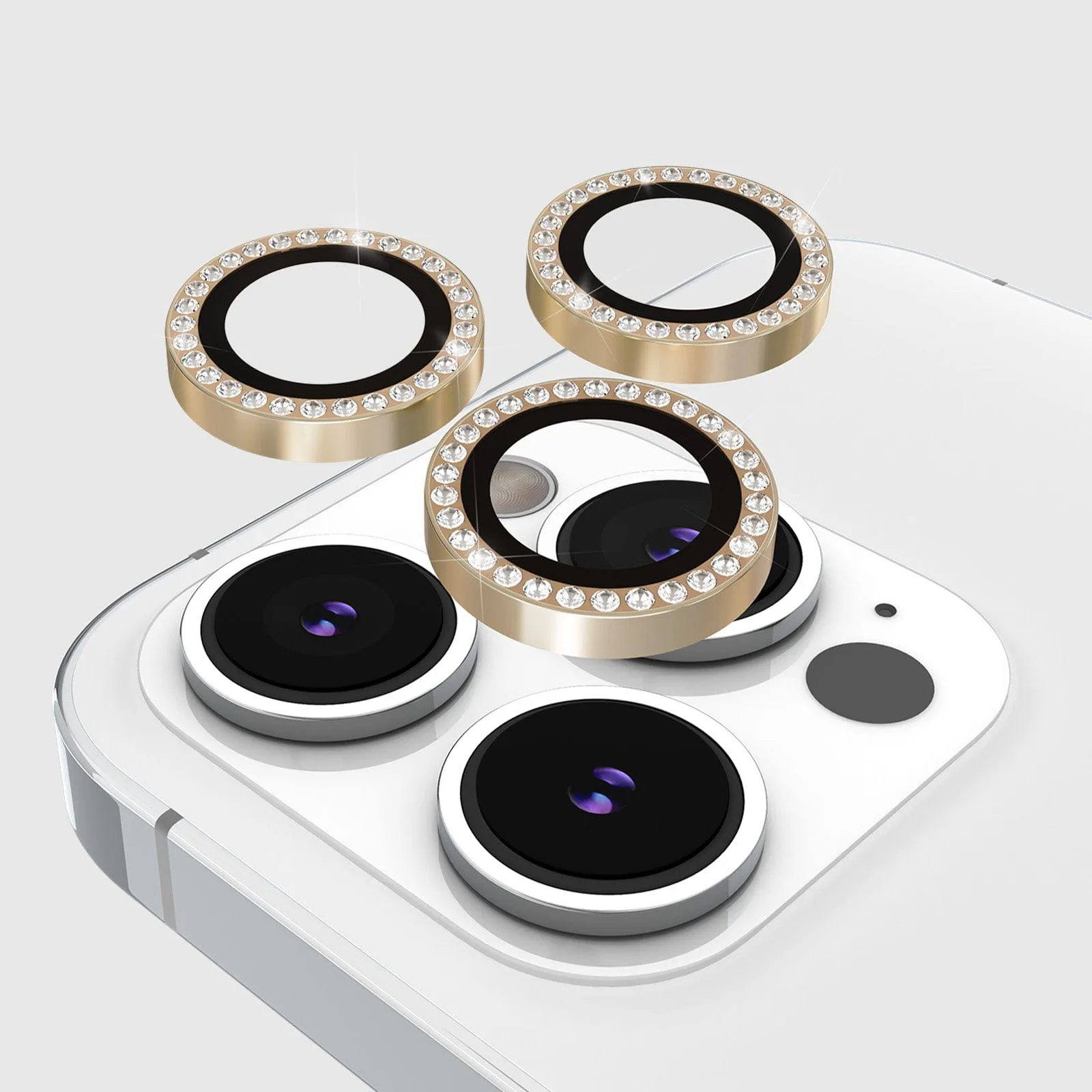
For the iPhone 18 Pro Max, choose a lens protector with 9H tempered glass and aluminum rings, like the Rokform option, to guard against scratches without compromising photo quality.
Why lens protection matters more than ever
The camera module on the iPhone 18 Pro Max is a major investment—and it's also the most exposed part of the phone. A single drop onto a rough surface can scratch or crack the lens glass, ruining your photos and costing a lot to repair.
A dedicated camera lens protector adds a layer of defense specifically for that vulnerable area. Unlike a full case, it doesn't add bulk, and it can be replaced cheaply if it gets damaged.
Glass hardness and material trade-offs
Not all glass is created equal. A 9H hardness rating means the glass resists scratches from everyday items like keys, sand, and concrete. This is a key feature to look for.
However, harder glass can be more brittle. While 9H glass is excellent for scratch resistance, it may be more prone to shattering on impact compared to softer glass. The trade-off is usually worth it for lens protection, but it's something to consider.
Fit and installation: precision matters
A lens protector must align perfectly with the camera lenses and sensors to avoid blocking light or affecting autofocus. Precise cutouts are essential.
Installation is a one-time event. If you misalign the protector, you might trap dust or create bubbles, which can degrade photo quality. Take your time and follow the instructions carefully.
Decision rules for choosing a lens protector
- Check the hardness rating: Look for at least 9H tempered glass. This ensures resistance to scratches from common objects like keys and coins. If the product doesn't specify a hardness rating, assume it's lower and consider another option.
- Verify precise cutouts: Ensure the protector has exact cutouts for each lens and sensor. Misaligned cutouts can degrade photo quality, causing blur or dark spots. Before buying, read reviews or product photos that show the cutouts clearly.
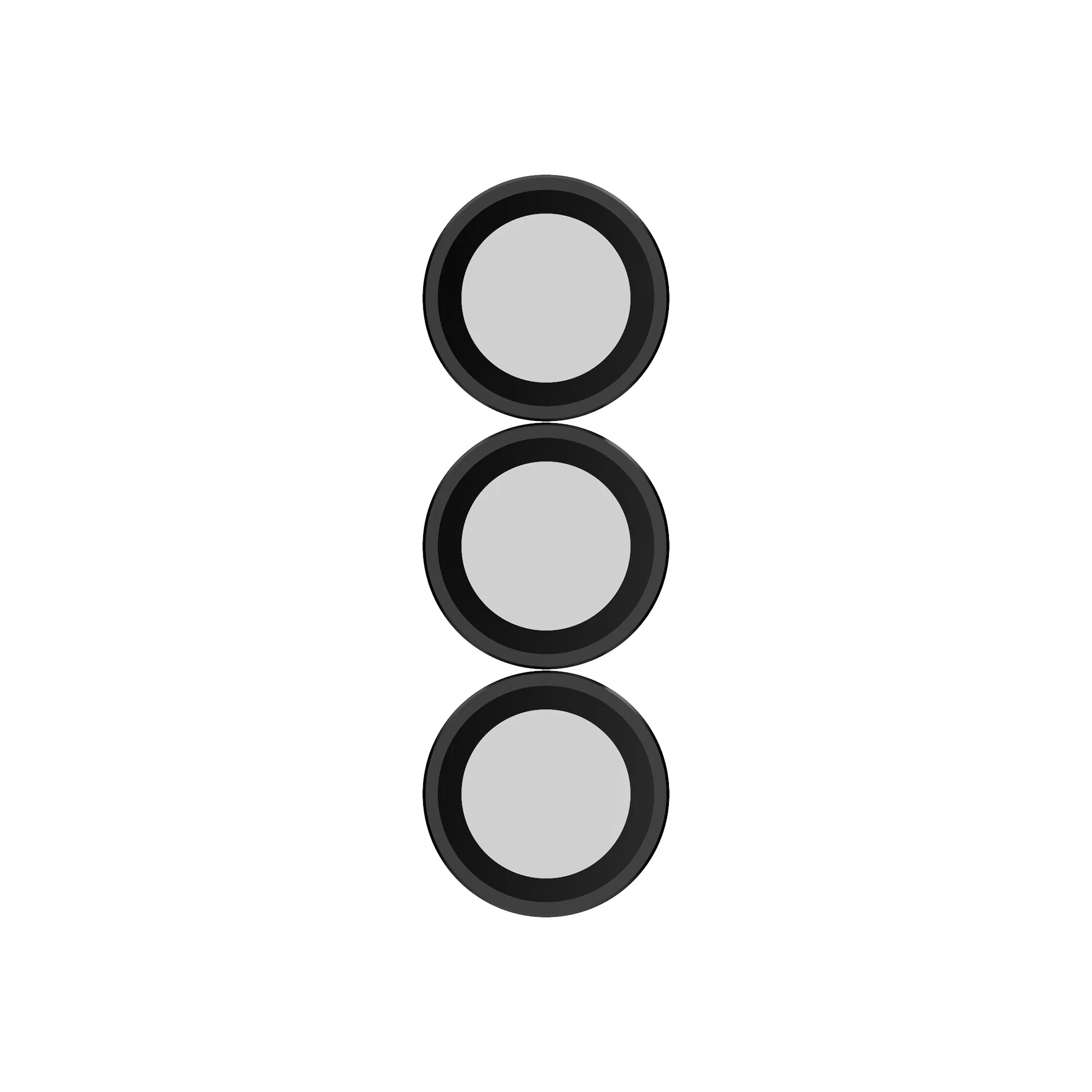
- Consider the frame material: A metal ring (like aluminum) around the glass adds edge protection and can prevent cracks from drops. Glass-only protectors are thinner but less durable at the edges. If you're prone to dropping your phone, a metal-framed protector is a safer bet.
- Install carefully and clean first: Clean the lens area thoroughly and use the alignment tools provided. A dust-free, bubble-free installation is crucial for maintaining image quality. If you're not confident, watch a video tutorial or have a professional install it.
Product spotlight
-
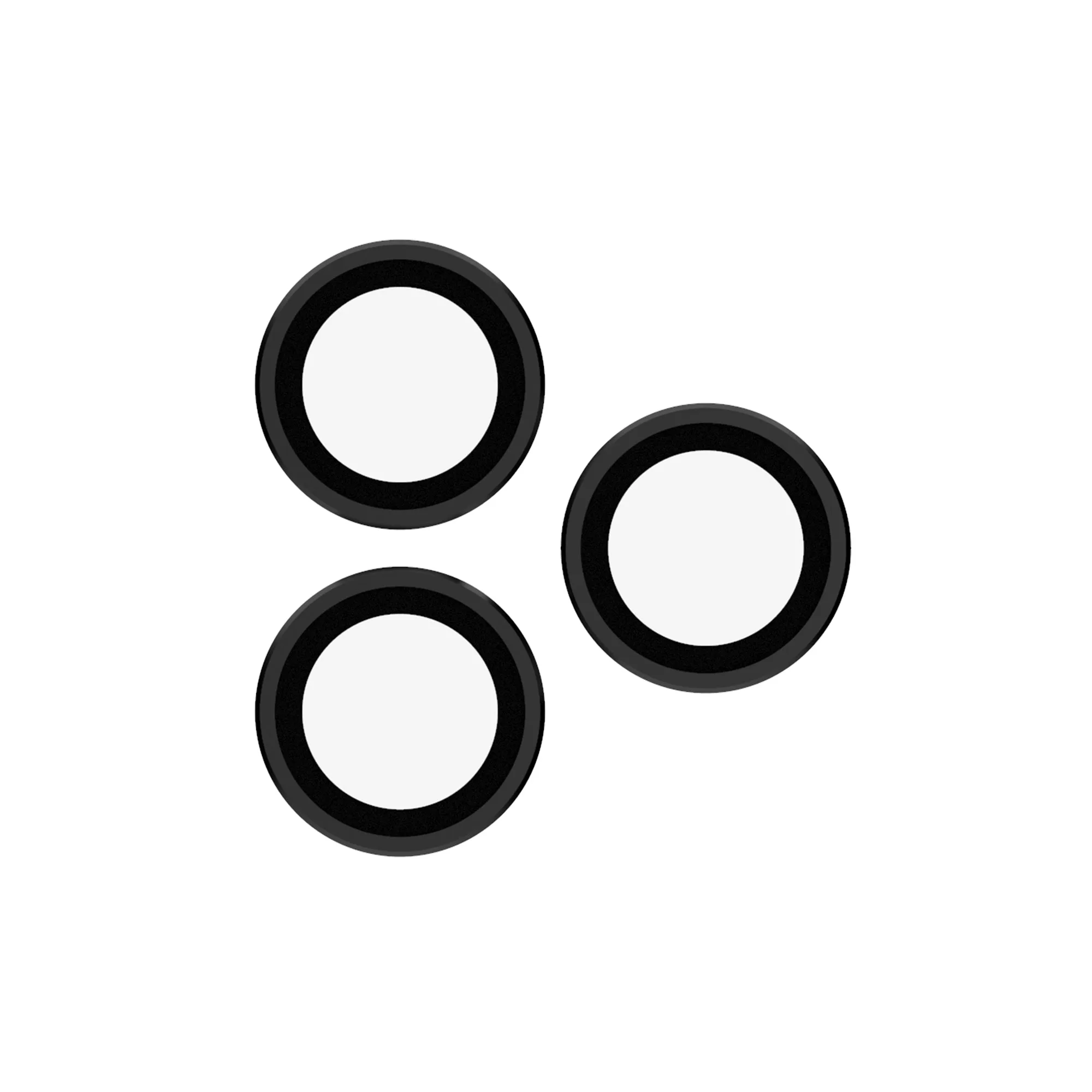
iPhone 18 Pro Max Camera Lens Protector: Rated 9H on the pencil hardness scale, so sand, keys, and concrete don't leave marks on the glass covering your lenses. This means your camera lenses stay scratch-free even in everyday carry situations, preserving image clarity.
iPhone 18 Pro Max Camera Lens Protector
-
iPhone 18 Pro Max Camera Lens Protector: Features machined aluminum rings around the lenses for added structural protection. The aluminum rings help absorb impact and prevent edge chipping, which is a common failure point for glass-only protectors.
Who should get this?
Best for
- Users who want peace of mind against scratches and minor impacts without adding bulk
- People who frequently place their phone on rough surfaces or in pockets with keys
Not for
- Users who prefer a full protective case that covers the camera module entirely
- Those who are extremely precise and worry about any potential impact on photo quality, even with high-quality glass