What Barrel Aging Actually Does to Beer
Barrel-aged beer has become a badge of craft beer prestige, but the real question is whether the barrel adds meaningful flavor or just marketing weight. The answer depends on the beer, the barrel, and the time inside it. With Avery Tequilacerbus, you get a concrete example of what a thoughtful barrel program can deliver: a beer that carries genuine tequila character rather than a vague "oaked" note.
Avery aged their Tequilacerbus in Surete's Añejo and Reposado barrels for seven months. That's long enough for the beer to pick up oak spice, vanilla, agave, and butterscotch — flavors that sit beside the base beer's tart and citrusy profile. This isn't a beer that was rushed through a barrel for a label claim; the time and barrel selection are part of the recipe.
What the Bottle Tells You
-
AVERY TEQUILACERBUS 12oz SINGLE BOTTLE: Avery is rightfully very proud of their Tequilacerbus with its tequila-forward tart and citrusy profile. It was lovingly aged in Surete's Anejo and Reposado barrels for seven months. Oak spice sits side by side with vanilla, agave and butterscotch notes. This confirms the beer uses actual tequila barrels (not just oak chips or extract), and the aging period is substantial enough to develop layered flavors beyond the base sour profile.
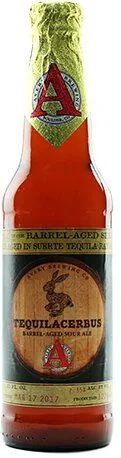
AVERY TEQUILACERBUS 12oz SINGLE BOTTLE
Why Barrel Aging Gets Hyped (and When It Falls Short)
The hype around barrel-aged beer comes from the potential for complexity that standard fermentation can't produce. A well-executed barrel-aged beer can taste like a completely different beverage — deeper, more layered, and with a story behind each sip. That's the ideal. The reality is that barrel aging also introduces risks: the barrel can dominate or spoil the beer if the base isn't strong enough, and the process is expensive, which drives up the price.
Avery Tequilacerbus avoids the common pitfalls by starting with a sour ale that already has a tart, citrusy backbone. The tequila barrels add complementary notes (vanilla, agave, butterscotch) rather than masking or clashing with the beer's natural character. The result is a beer that tastes like it was designed for barrel aging, not forced into one.
What the Hype Gets Right
When barrel aging works — and it clearly does here — you get flavors that are difficult to achieve any other way. The oak spice and vanilla from the barrel are present but balanced, and the agave note is a direct result of the tequila barrel's previous contents. A standard sour ale can't deliver that combination. If you're curious about what barrel aging can actually do, a beer like Avery Tequilacerbus is a reliable example of the technique done right.