Quick answer
Cork flooring can be a genuinely eco-friendly choice, but not automatically. The sustainability story depends on how the cork is harvested, how the flooring is manufactured, and what binders or backing materials are used. Cork itself is a renewable resource, yet some cork products include synthetic layers that affect their environmental profile. Look for clear material information and choose products that disclose their composition.
Cork flooring has a reputation as a green building material, but the reality is more layered. Cork comes from the bark of cork oak trees, which can be harvested without cutting the tree down. That basic fact is true and is a strong starting point for any sustainability claim. However, the final environmental impact of a cork floor depends on the entire production chain, from forest management to adhesives and finishes.
In this article, we examine common claims about cork flooring and separate the solid facts from the myths. We'll look at cork harvesting facts, what makes a flooring option sustainable, and how to evaluate cork products with a clear eye. Our goal is to give you practical guidance so you can make a choice that matches your values and your project.
Claim: Cork harvesting harms trees
This claim is false. Cork is harvested from the bark of cork oak trees, and the trees are not cut down. The bark regenerates over time, and a well-managed cork forest can be harvested repeatedly for generations. This makes cork a renewable resource when sourced responsibly. The harvesting process itself supports the long-term health of cork oak forests because landowners have an economic incentive to maintain them.
That said, not all cork is harvested under the same conditions. Certification schemes and transparency from suppliers help ensure that the cork comes from well-managed forests. When you see a cork product, it's worth asking where the raw material comes from and whether the supplier can trace it. The core fact remains: cork harvesting, done right, is not destructive.
- Look for suppliers that state the origin of their cork, such as Portugal.
- Ask whether the cork is harvested from living trees rather than clear-cut forests.
Claim: All cork flooring is fully biodegradable
This is a myth. While cork itself is a natural material that can biodegrade, many cork flooring products include binders, backing layers, or surface finishes that are not biodegradable. For example, some cork floors use a PU core or recycled rubber backing, which changes how the product breaks down at the end of its life. The presence of these layers doesn't automatically make the floor a bad choice, but it does mean you shouldn't assume it will compost.
If full biodegradability is a priority, look for cork flooring that uses natural binders and minimal synthetic layers. However, such products may not offer the same water resistance or durability as those with synthetic components. It's a trade-off between end-of-life impact and performance.
- Check product specifications for backing and binder materials.
- Ask the manufacturer about disposal options at the end of the floor's life.
Claim: Cork flooring is always the most sustainable flooring option
Not necessarily. Cork has many environmental advantages, but 'most sustainable' depends on your comparison points and priorities. For instance, cork flooring that is water-resistant and suitable for wet areas may include a PU core and recycled rubber backing, which are not renewable. On the other hand, a solid wood floor from a certified sustainable forest might have a different environmental profile. There is no single winner across all metrics.
What matters is looking at the full life cycle: raw material sourcing, manufacturing energy, transportation, durability, and end-of-life. Cork performs well on renewability and often on durability, but other factors can vary. Instead of assuming cork is always best, compare specific products and their disclosed materials.
- Compare the full material composition of each flooring option.
- Consider local sourcing and transportation distances when evaluating environmental impact.
Claim: Cork flooring is a new trend
Cork flooring is not a new invention. Cork has been used in flooring for decades, and its popularity has fluctuated with design trends. The recent interest in natural materials has brought it back into the spotlight, but the technology and supply chains are well established. This is good news for consumers because it means there is a range of products with proven track records.
The long history also means that cork harvesting practices have had time to develop and improve. Many cork forests are managed with long-term sustainability in mind, precisely because the industry depends on them. So while cork may feel like a modern eco-trend, it's actually a traditional material with a mature supply chain.
- Look for manufacturers with a long history in cork production.
- Don't assume that 'new' means better; established products may have more reliable sourcing.
Verdicts on common cork flooring claims
- Cork harvesting harms trees: False. Cork is harvested from the bark of living cork oak trees, which regenerate their bark and are not cut down. Responsible harvesting supports forest health. Verdict: Myth. Cork harvesting can be sustainable when done properly.
- All cork flooring is biodegradable: False. Many cork floors contain synthetic binders, cores, or backings that do not biodegrade. Check the full material list. Verdict: Partly myth. Only some cork floors are fully biodegradable.
- Cork flooring is always the most sustainable option: Not necessarily. Sustainability depends on sourcing, manufacturing, and end-of-life. Compare specific products rather than assuming. Verdict: Overstated. Cork can be a strong choice, but it's not automatically the best in every category.
- Cork flooring is a new trend: False. Cork flooring has been used for decades and has a mature supply chain. Recent interest is a revival, not an invention. Verdict: Myth. Cork flooring is a established material with a long history.
Cork products that illustrate the sustainability conversation
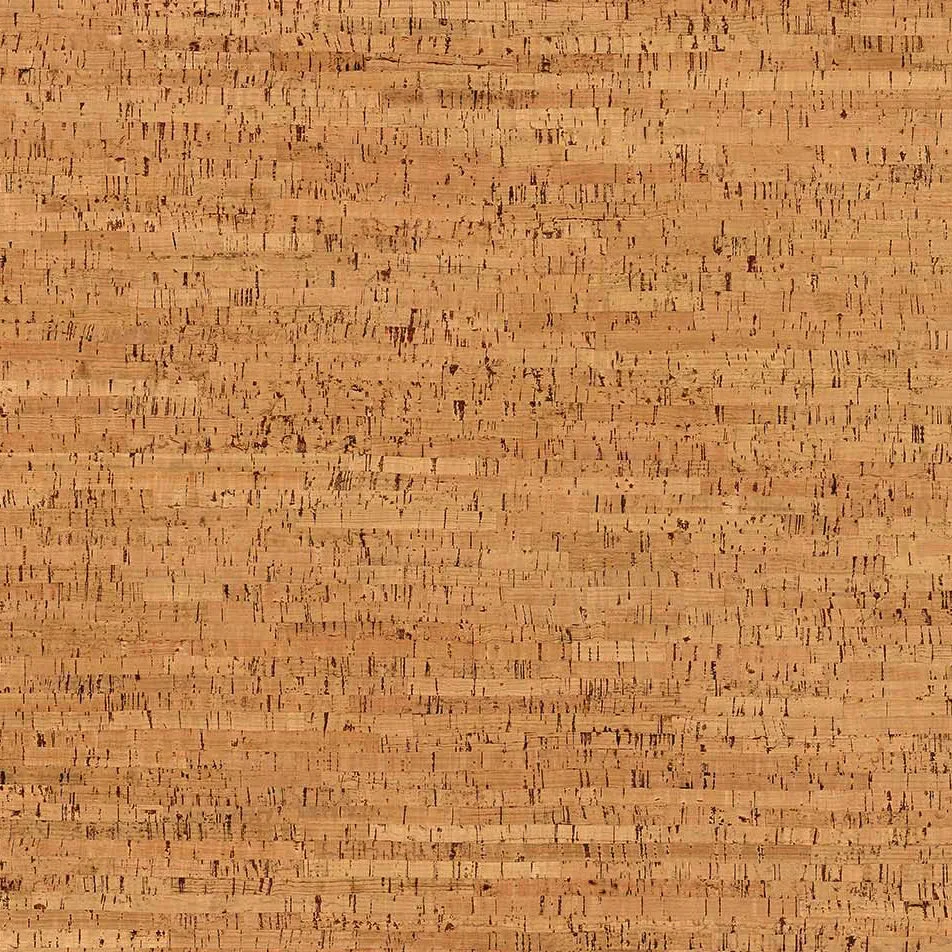
- Cork Flooring Roll: The water-resistant cork floor — for wet areas and beyond. A decorative cork top layer over a resilient PU core, backed with cork and recycled rubber. PVC-free and made in Portugal, it's water-resistant enough for kitchens, bathrooms, laundries — even boats. It installs quickly with fewer joins, works with underfloor heating, and can also be applied to walls. This product shows that cork flooring can be adapted for demanding environments, but the PU core and recycled rubber backing mean it is not fully biodegradable. It's a good example of balancing performance with environmental trade-offs.
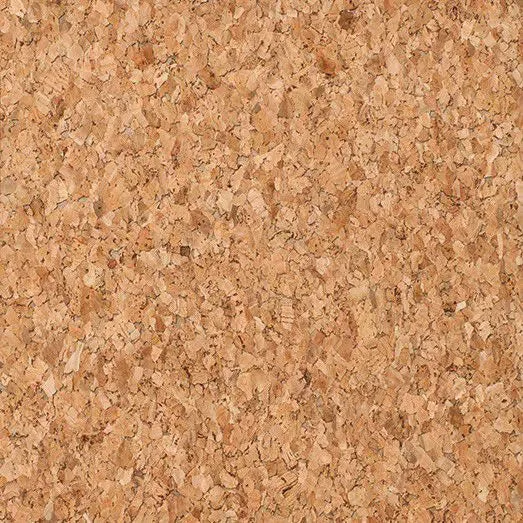
- Cork Floor Tiles: Floating or glued — your call, same natural performance. Warm, quiet, and genuinely comfortable underfoot. Choose floating tiles for a fast install over an existing floor with no underlay required, or glued-down tiles for a permanent, seamless finish built to last. Either way, you get cork's natural thermal comfort, joint-friendly softness, and antibacterial, hygienic surface. These tiles highlight cork's natural properties, such as thermal comfort and antibacterial surface, without mentioning synthetic layers. They may be a better fit if you prioritize a more natural composition, though installation method affects longevity and replacement.
Cork flooring can be an eco-friendly choice, but the details matter. By asking about sourcing, materials, and end-of-life, you can choose a cork floor that aligns with your sustainability goals without falling for oversimplified claims.