The Two-Step Cleanse: What It Actually Does
Double cleansing means using an oil-based cleanser first, then a water-based cleanser. The logic: oil dissolves oil-based impurities (sunscreen, sebum, makeup) that water alone can't shift. A second cleanse then removes any residue and addresses water-soluble debris. For many, this two-step method improves skin clarity without stripping. But is it always necessary? Not for everyone. If you wear minimal or no makeup and use a gentle cleanser that already lifts sunscreen, a single cleanse can be sufficient. The key is understanding what your skin encounters each day and choosing a cleanser that matches that load.
Myth: Oil Cleansers Clog Pores
This is one of the most persistent cleansing oil myths. A well-formulated oil cleanser should not clog pores; in fact, it can help decongest them. The Anti-Pollution Facial Cleansing Oil, for example, is described as balancing sebum and excess oil on the skin's surface while decongesting pores. The science lies in the formulation: hydrophilic oils rinse cleanly with water, leaving no heavy film behind. If you have experienced breakouts from an oil cleanser, the culprit is often a non-emulsifying formula or one with pore-clogging oils like coconut oil. Look for cleansers that transform into a milky emulsion on contact with water, which indicates they rinse away completely.
What the Anti-Pollution Facial Cleansing Oil Evidence Shows
-
Anti-Pollution Facial Cleansing Oil: Scientifically formulated hydrophilic cleansing oil that removes and shields the skin from pollution, brightens the complexion, supports the microbiome and strengthens the skin's barrier as it gently cleans. This addresses the core concern of double cleansing: removing environmental impurities without damaging the barrier. A single oil cleanse that also supports the microbiome may reduce the need for a second step for some skin types.
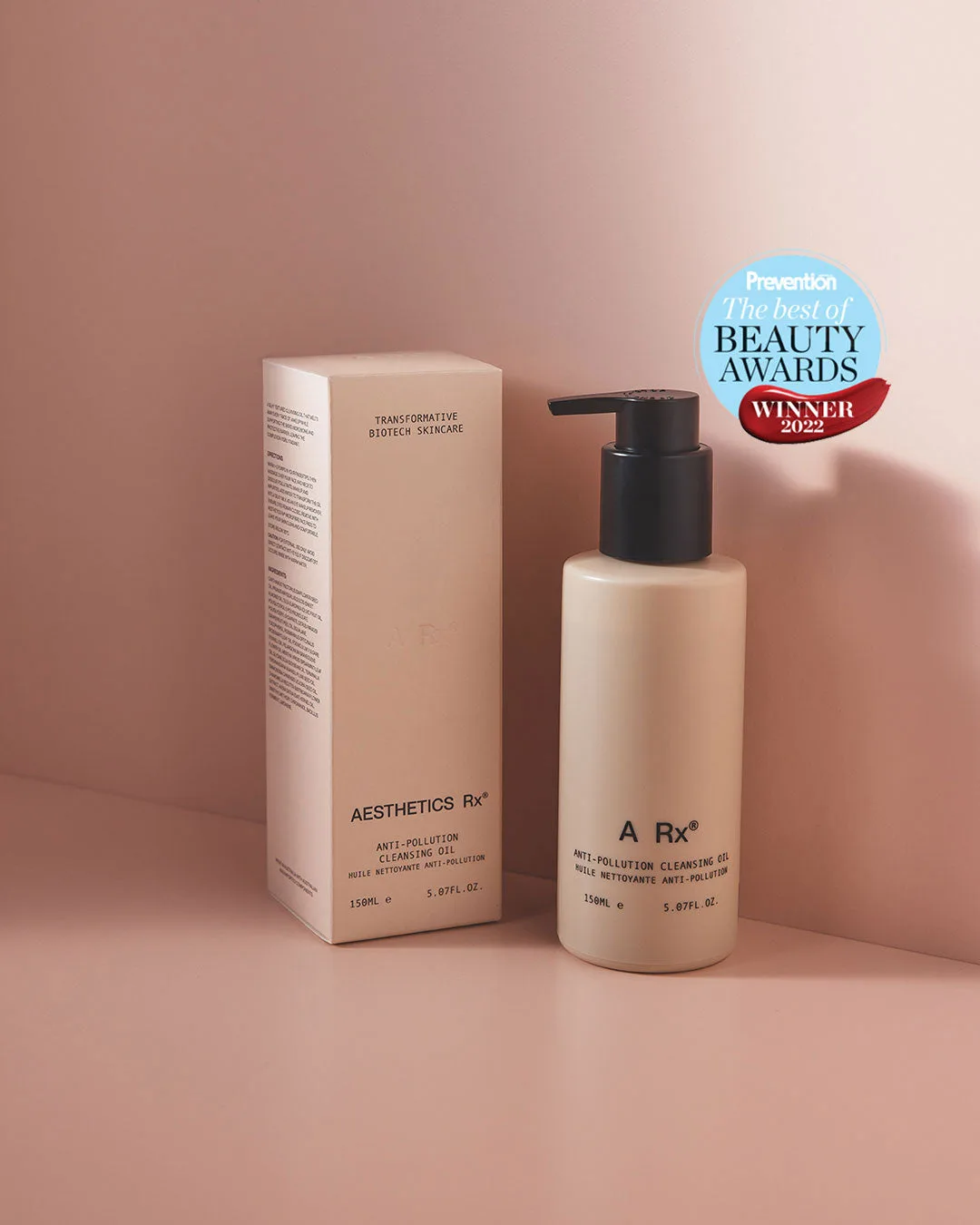
Anti-Pollution Facial Cleansing Oil
-
Anti-Pollution Facial Cleansing Oil: Instantly melts away makeup, even long wearing and waterproof formulas while preserving the skin’s delicate balance. This confirms that an oil cleanser can handle heavy makeup in one step, which is the main reason people turn to double cleansing. If your makeup is waterproof, an oil cleanser is essential—but you may not need a second cleanse afterward.
-
Anti-Pollution Facial Cleansing Oil: Transforms into a silky milk on contact with water and completely releases impurities leaving the skin clean and superbly comfortable. The milky transformation ensures thorough rinsing, which addresses the myth that oil cleansers leave residue. A clean, comfortable finish means the skin is ready for the next product without feeling stripped.
Myth: You Must Double Cleanse Every Night
The necessity of double cleansing depends on your day. If you wore heavy, waterproof makeup or spent hours in a polluted city, a double cleanse makes sense. If you stayed home with only moisturizer on, one gentle cleanse is plenty. Over-cleansing can strip the skin, leading to increased oil production and sensitivity. The Anti-Pollution Facial Cleansing Oil is designed to be effective on its own for removing pollution and makeup, so for many, a single cleanse with this product is sufficient. Listen to your skin: if it feels tight or dry after cleansing, you are likely overdoing it.
Myth: Oil Cleansers Are Only for Dry Skin
Oil cleansers are suitable for all skin types, including oily and acne-prone skin. The key is the formulation. The Anti-Pollution Facial Cleansing Oil is noted for balancing sebum and excess oil, which is beneficial for oily skin. It also has anti-inflammatory properties, which can help calm breakouts. The idea that oil cleansers are only for dry skin comes from older, heavy formulations that did not rinse cleanly. Modern oil cleansers with hydrophilic ingredients are lightweight and suitable for everyone.
What the Evidence Does Not Settle
The supplied product record does not include specific instructions on whether this oil cleanser must be followed by a second cleanser. It also does not provide details on how long to massage the oil into the skin for optimal pollution removal. The record mentions supporting the microbiome and strengthening the barrier, but does not quantify these effects or provide before-and-after data. As with any skincare product, individual results vary, and what works for one person may not work for another. The best approach is to test the product in your own routine and adjust the number of cleansing steps based on how your skin feels and looks.