Quick Answer
Fragrance in makeup isn't universally bad, but it can be problematic for sensitive skin. The truth lies in the type and concentration of fragrance, as well as your skin's individual tolerance. For a minimalist, clean beauty routine, opting for fragrance-free or naturally scented products can reduce the risk of irritation.
Fragrance in makeup often sparks debate: some swear by the sensory experience, while others blame it for breakouts and redness. But is fragrance truly the villain it's made out to be? The answer isn't black and white—it depends on your skin type, the fragrance source, and how the product is formulated.
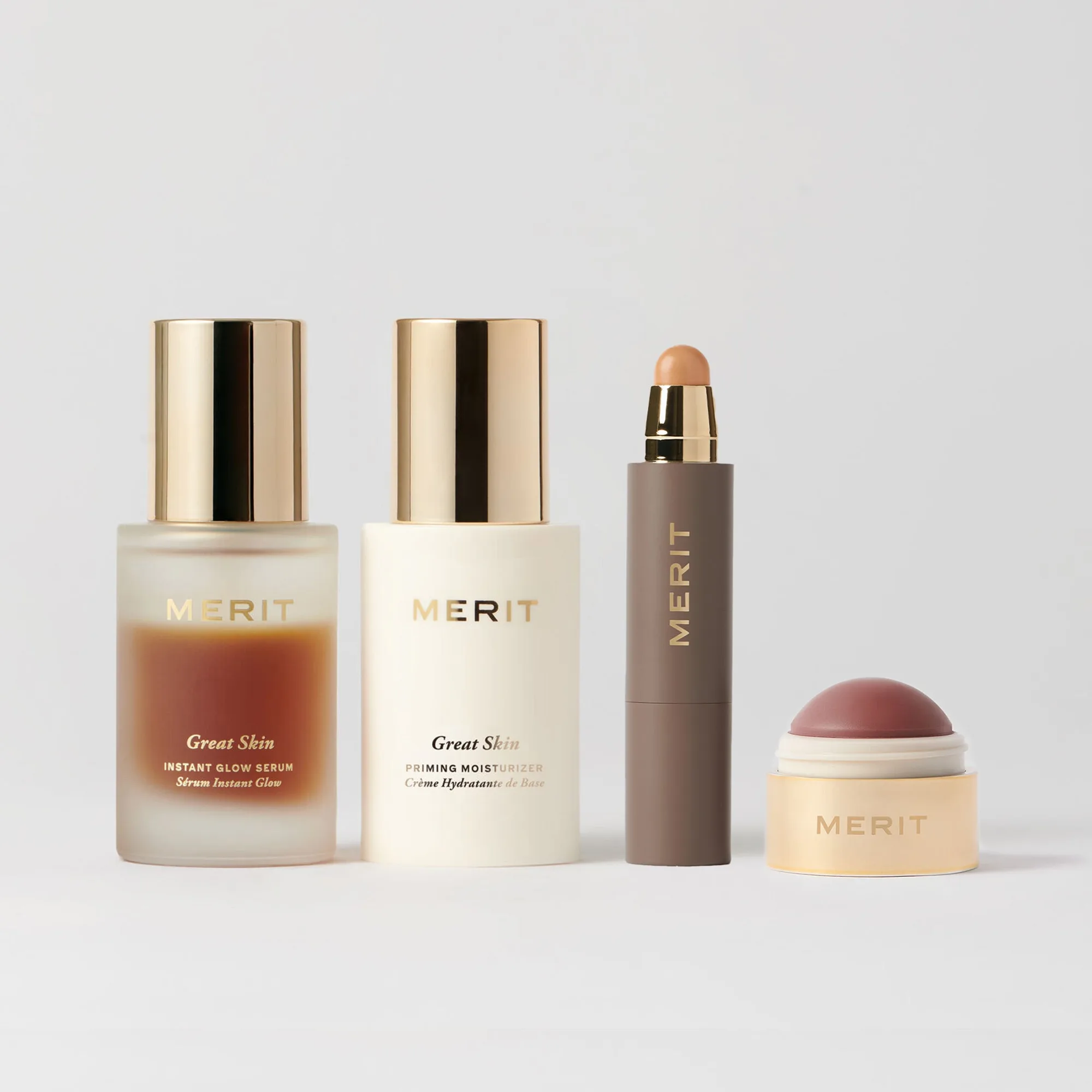
Clean beauty brands like MERIT have built their philosophy around minimal, skin-friendly ingredients, often avoiding synthetic fragrances. Yet, even natural scents can trigger reactions. Let's separate fact from fiction and help you decide what's best for your skin.
Myth: All Fragrance in Makeup Is Harmful
Fragrance is a common additive in cosmetics, but not all fragrances are created equal. Synthetic fragrances can contain hundreds of undisclosed chemicals, some of which may be irritants or allergens. However, many brands now use skin-safe synthetic molecules or natural essential oils at low concentrations, which are unlikely to cause issues for most people.
The real problem lies in the lack of transparency. When a product lists 'fragrance' or 'parfum' without specifics, you can't know what's inside. This is why clean beauty advocates push for fragrance-free or clearly labeled natural scent options, especially for sensitive skin.
- Check labels for 'fragrance-free' or 'unscented' if you have reactive skin.
- Patch test any new product, even if it's labeled natural.
Myth: Natural Fragrance Is Always Safe
Natural doesn't automatically mean non-irritating. Essential oils like lavender, citrus, and peppermint can cause contact dermatitis or photosensitivity in some individuals. The concentration and formulation matter greatly—what's safe in a rinse-off product might irritate in a leave-on formula like a moisturizer or foundation.
For those with sensitive skin, even naturally derived fragrance can be a trigger. Clean beauty brands often use minimal or no fragrance to cater to this audience, focusing instead on the sensory experience of the product's texture and finish.
- If you love natural scents, choose products with low concentrations and avoid citrus oils if you're sun-exposed.
Fact: Fragrance-Free Makeup Benefits Sensitive Skin
Fragrance is one of the most common causes of cosmetic contact dermatitis. For people with conditions like eczema or rosacea, eliminating fragrance from their routine can significantly reduce flare-ups. Fragrance-free doesn't mean scentless—it means no added fragrance compounds, which is the safest bet for reactive skin.
Many clean beauty brands, including MERIT, prioritize fragrance-free formulations to align with a minimalist, skin-first approach. This doesn't compromise on experience; instead, it lets the natural ingredients and textures shine, proving that makeup can be both effective and gentle.
- Look for 'fragrance-free' on the label, not just 'unscented' (which may still contain masking fragrances).
Fact: The Skin Microbiome and Fragrance
Your skin hosts a delicate balance of microorganisms that protect against pathogens and inflammation. Harsh chemicals, including some fragrance components, can disrupt this microbiome, leading to imbalance and irritation. While research is ongoing, it's a compelling reason to be mindful of what you put on your skin.
Clean beauty philosophy often emphasizes supporting the skin barrier and microbiome. By choosing products with minimal ingredients and no unnecessary fragrance, you're less likely to disturb this ecosystem, promoting healthier, more resilient skin over time.
- Consider simplifying your routine with multi-purpose products to reduce overall ingredient exposure.
Verdicts on Fragrance Myths
- Claim: Fragrance is always bad for your skin: False. Many people tolerate fragrance well. The issue is individual sensitivity and the type of fragrance used. Know your skin: if you've never reacted to fragrance, you may not need to avoid it.
- Claim: Natural fragrance is safer than synthetic: Not necessarily. Natural essential oils can be potent allergens. Synthetic fragrance can be designed to be hypoallergenic, but lack of transparency is a concern. Choose products that disclose their fragrance sources or opt for fragrance-free when in doubt.
- Claim: Fragrance-free products are less enjoyable: False. Clean beauty proves that products can be effective and pleasant without added fragrance. The focus shifts to skin benefits and texture. Embrace fragrance-free for a minimalist, skin-first routine.
How MERIT Approaches Fragrance
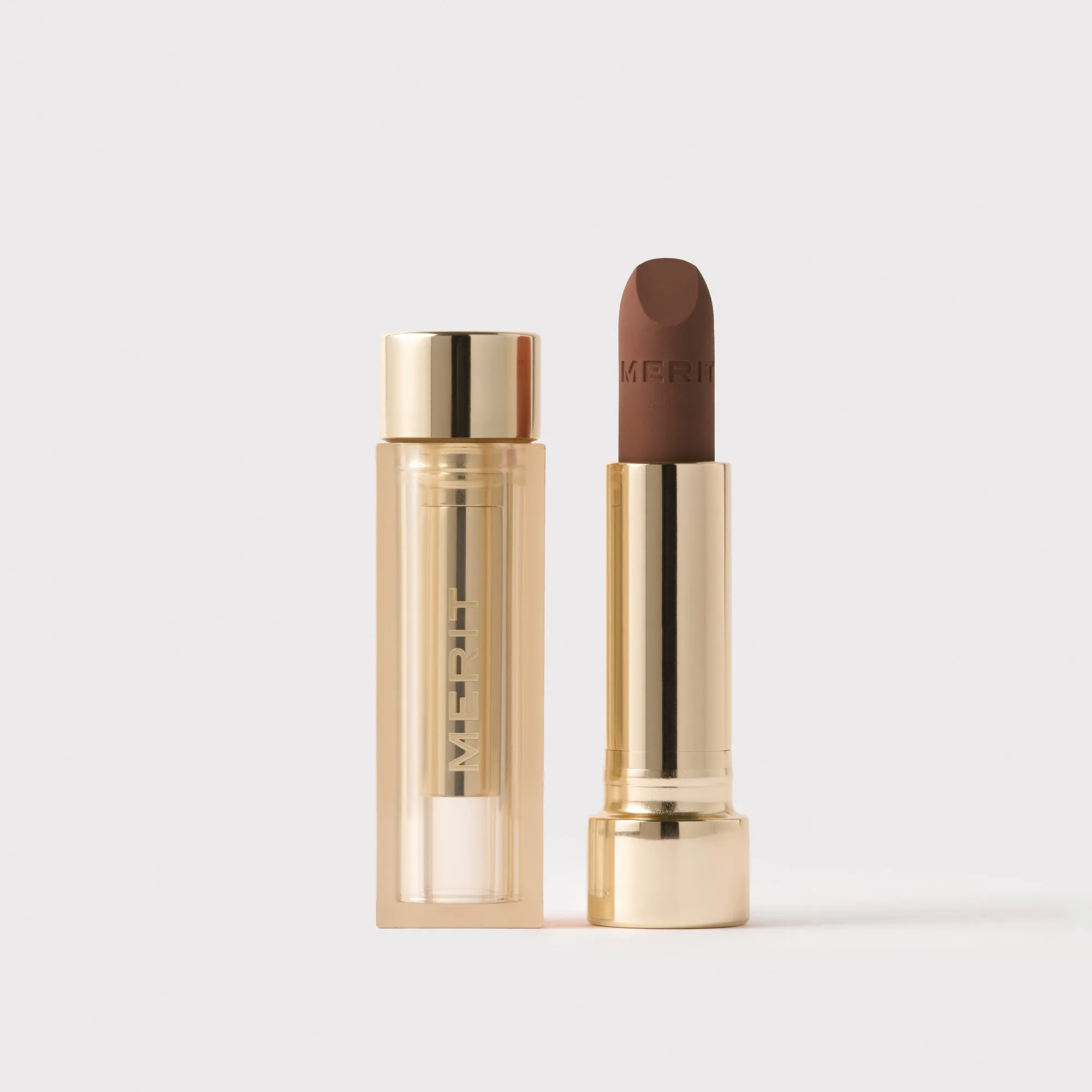
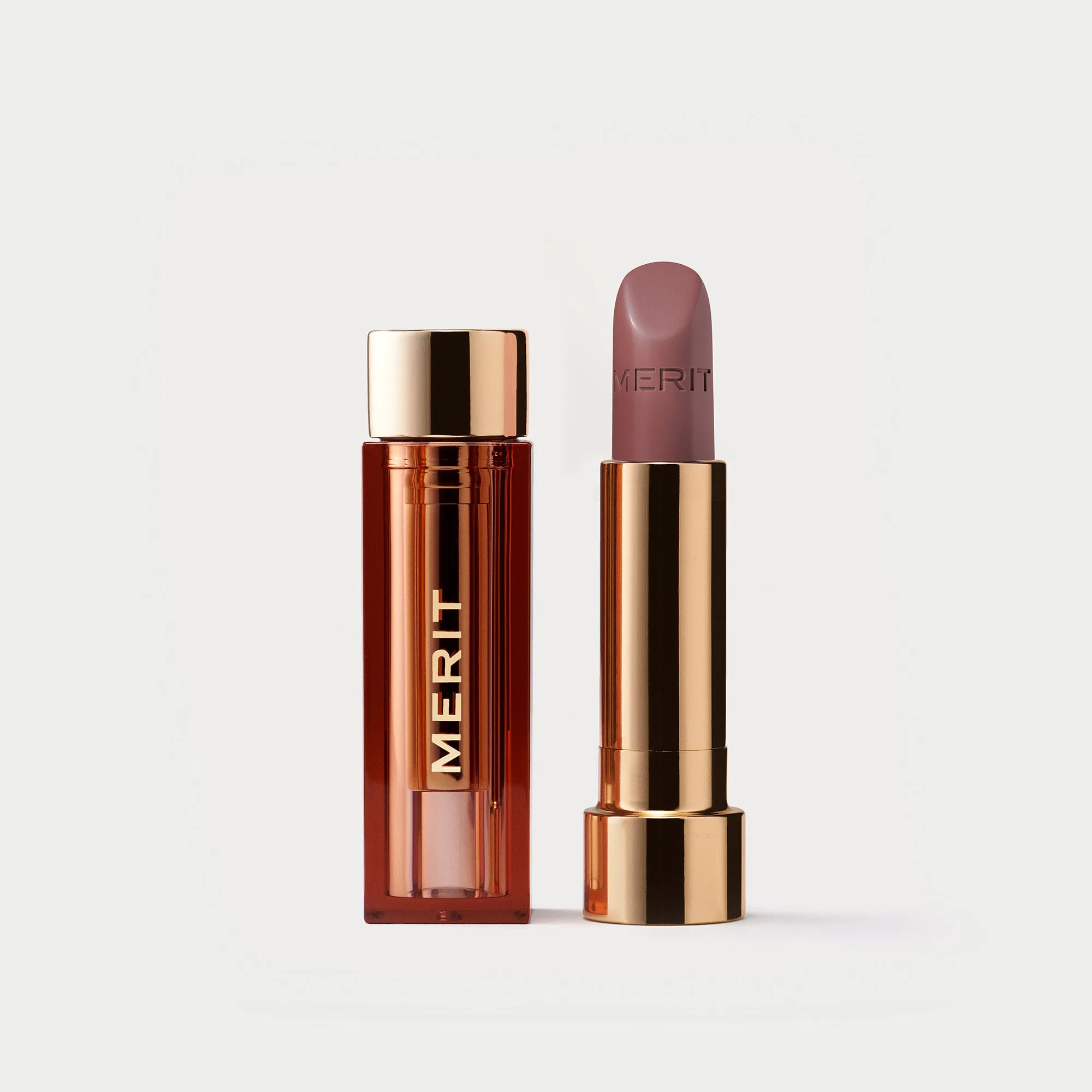
- https://meritbeautyou.com/products/signature-lipstick-286793https://meritbeautyou.com/products/signature-lipstick-286794Signature Lipstick: Lipstick you can live in™️ — Comfortable color that’s so lightweight, you’ll forget you’re wearing it. MERIT's lipstick is designed for everyday wear, and its lightweight, comfortable formula suggests a focus on skin-friendly ingredients, likely without heavy fragrance that could dry or irritate lips.
- Shade Slick: Shade Slick is a tinted lip oil that delivers a wash of moisturizing color for healthy-looking lips all day. Provides a lightweight, non-sticky feel with a hint of color. Lip oils are meant to hydrate, and a fragrance-free or lightly scented formula ensures that the product doesn't compromise its moisturizing benefits or cause sensitivity on the delicate lip area.
Fragrance in makeup isn't inherently evil, but it's not necessary either. For a clean, minimalist approach, prioritizing fragrance-free products can minimize irritation and support long-term skin health. Always listen to your skin—it's the best guide to what works for you.