Quick answer
Yes, oat milk generally has a lower environmental impact than dairy milk, but it's not without trade-offs. Look for brands that use regenerative farming and transparent sourcing to get the most eco-friendly option.
When you grab a carton of oat milk at the café, you might assume you're making the greener choice. And you're not wrong—but the full picture is more nuanced. Let's separate what's grounded in facts from what's just marketing.
Oat milk's sustainability story depends on how the oats are grown, how the milk is processed, and how it compares to the dairy it replaces. Here's what you need to know before your next pour.
How sustainable is oat milk compared to dairy?
Oat milk typically uses less water and land than dairy milk. But the exact numbers vary by region and farming methods. The key takeaway: swapping dairy for oat milk generally reduces your carbon footprint, but it's not a free pass. Consider the entire supply chain—from field to carton.
Dairy also involves methane emissions from cows, which contributes to its higher climate impact. Oat milk, being plant-based, avoids that direct source. Still, processing, packaging, and transportation add to its footprint, so not all oat milks are equal.
- Check if the brand lists the origin of its oats—local sourcing reduces transport emissions.
- Look for certifications like organic or B Corp that indicate verified environmental practices.
Is oat milk's environmental impact really lower?
Overall, oat milk's environmental impact tends to be lower than dairy, but it's higher than some other plant milks like almond or soy when you factor in water use or land use. Oats grow in cooler climates and need less irrigation than almonds, making them a practical choice in many regions.
However, oat milk often contains added oils and thickeners that increase processing. The most sustainable option is one with minimal ingredients and transparent sourcing. That's why some companies, like Minor Figures, highlight partnerships that focus on soil health.
- Oat milk is a solid middle-ground choice—better than dairy, but check the label for additives.
What does regenerative oat farming actually mean?
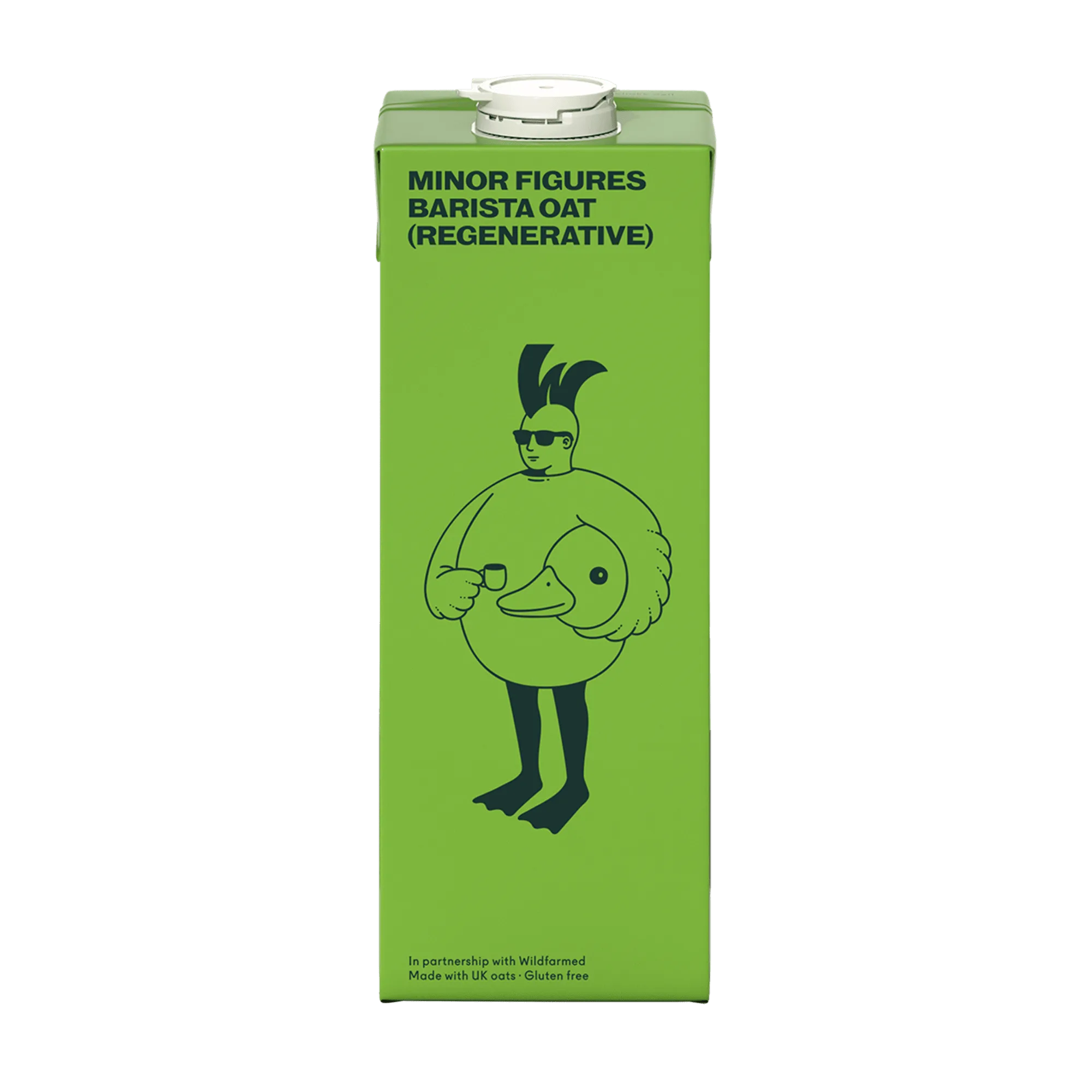
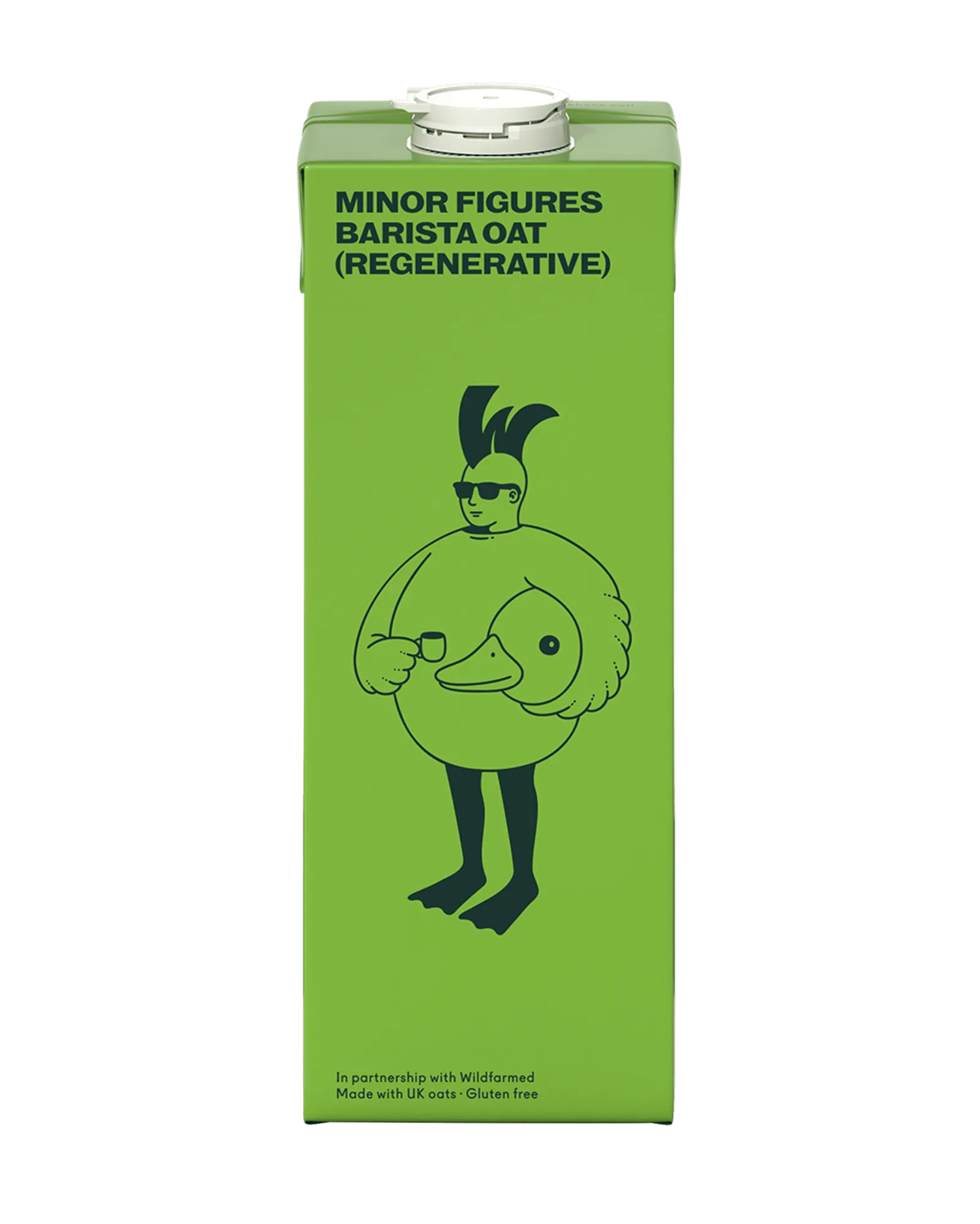
Regenerative agriculture aims to improve soil health, enhance biodiversity, and reduce carbon pollution. When oats are grown this way, the environmental benefits can be greater than standard farming. Minor Figures, for example, works with Wildfarmed to source oats grown using regenerative principles in the UK.
But not all oat milk uses regeneratively grown oats. If you want to support this approach, look for specific mentions on the packaging or the brand's website. It's a growing trend, but not yet the industry standard.
- Regenerative farming goes beyond 'sustainable'—it actively improves the land.
Verdicts on common oat milk sustainability claims
- Oat milk is always the most sustainable milk: Not true. While oat milk beats dairy on many metrics, it still has an environmental cost. Compare with other plant milks based on your local growing conditions. Check labels and choose minimally processed options.
- All oat milk has the same carbon footprint: False. Farming methods and transportation make a big difference. Regeneratively grown oats have a lower impact. Look for brands that source oats responsibly.
- Regenerative claims are just marketing: They can be, but not if verified. Brands like Minor Figures partner with Wildfarmed to ensure traceability and real practices. Research the brand's partnerships to confirm.
Oat milk options with sustainability in mind
- https://minor-figures.com/products/barista-oat-regenerative-3-months-pre-paid-6c8968d63cb68fa2bb44455a-3429914https://minor-figures.com/products/barista-oat-regenerative-3af23e853bdd58a73c3bf02b-3429889Barista Oat (Regenerative) 3 months pre-paid: Made in partnership with Wildfarmed using fully traceable oats regeneratively grown in the UK. Wildfarmed follow unique regenerative principles to improve soil health, enhance biodiversity, reduce carbon and water pollution. Choosing this option supports farming practices that actively benefit the environment, not just reduce harm.
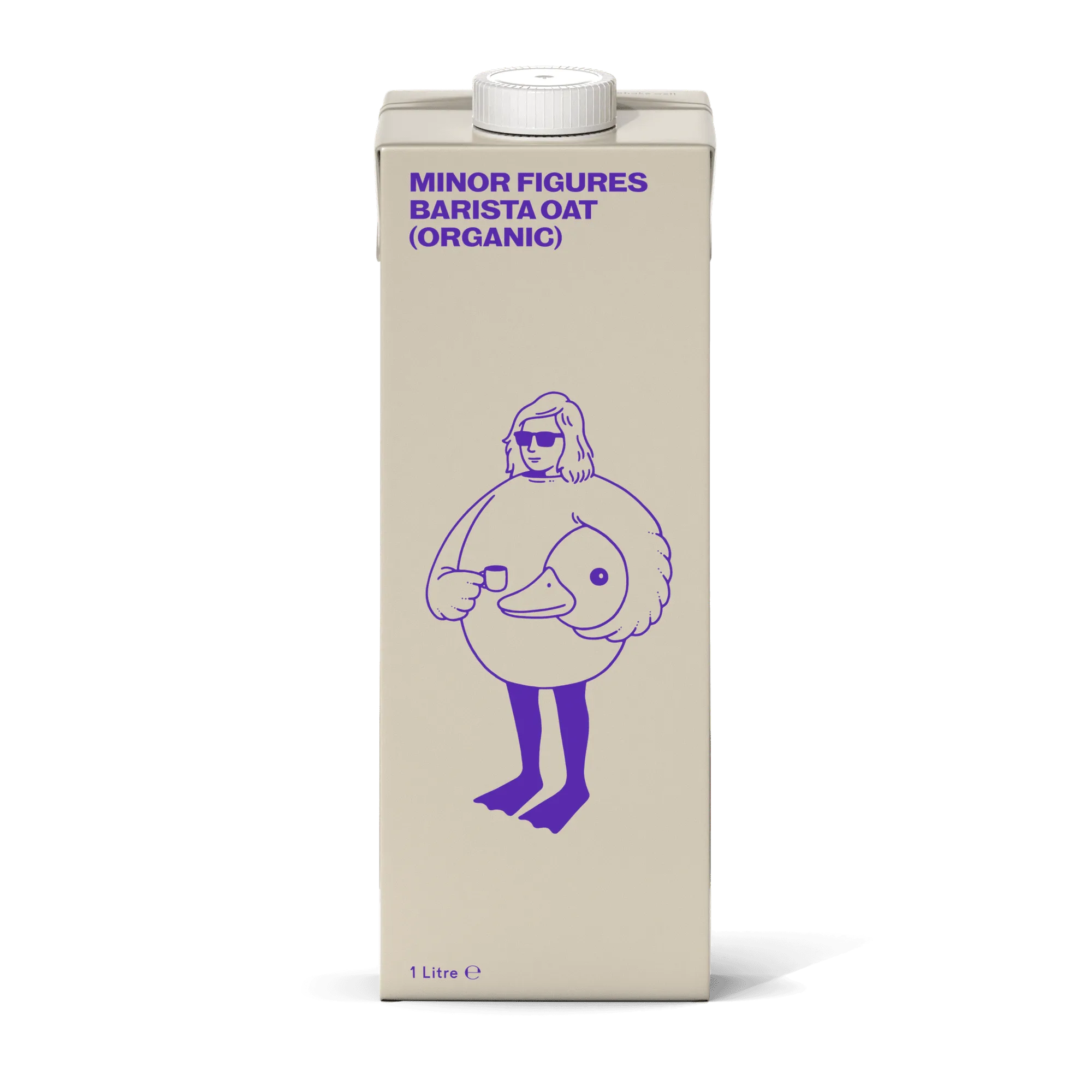
- https://minor-figures.com/products/barista-oat-organic-copy-0c096cdb8d0f81a048008ef6-3429913Barista Oat (Organic) 3 months pre-paid: Organic oat milk with certification to back it up. Organic certification means oats are grown without synthetic pesticides, which can be better for soil and water health.
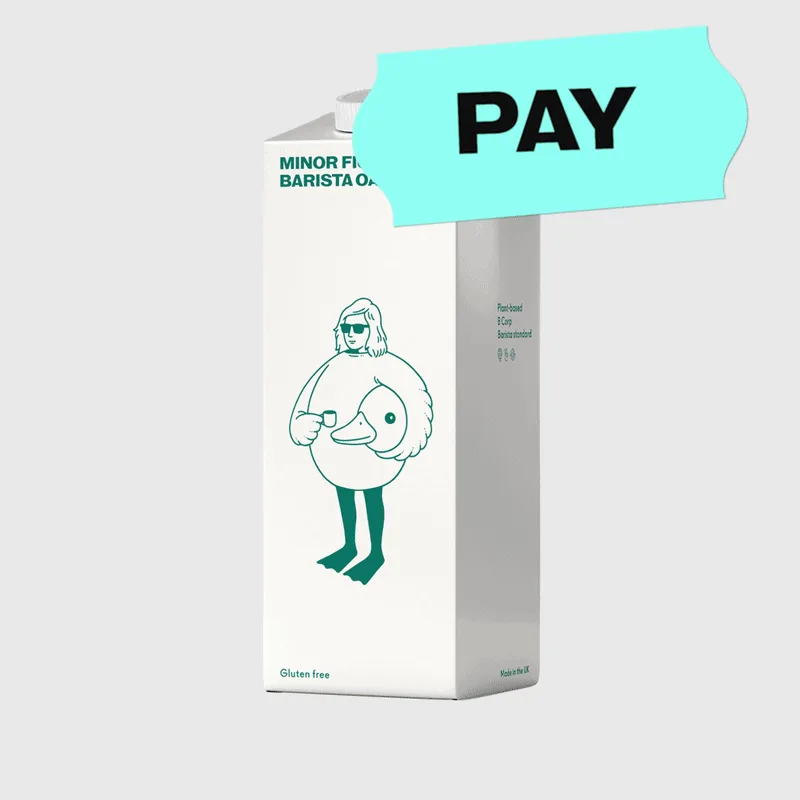
- PAY WHAT YOU WANT: Barista Oat: Pay What You Want for a whole case of Barista Oat Organic, with discounts up to 100% off + shipping available if you act quick! This flexible pricing makes eco-friendly oat milk more accessible, so you can prioritize sustainability without breaking the bank.
Oat milk is a more sustainable choice than dairy for most people, but the details matter. Choosing a product made with regeneratively grown oats and transparent sourcing can make your daily latte a little greener. Pay attention to certifications and ingredient lists—and enjoy your coffee knowing you made a thoughtful choice.