Quick Answer
To choose authentic Islamic books, start by verifying the author's scholarly credentials, check the publisher's reputation, and review the book's sources and references. For daily duas, '1000 Duaen' by Moulana Arsalan Akhtar is a reliable, comprehensive collection. Avoid books with vague authorship or unsupported claims.
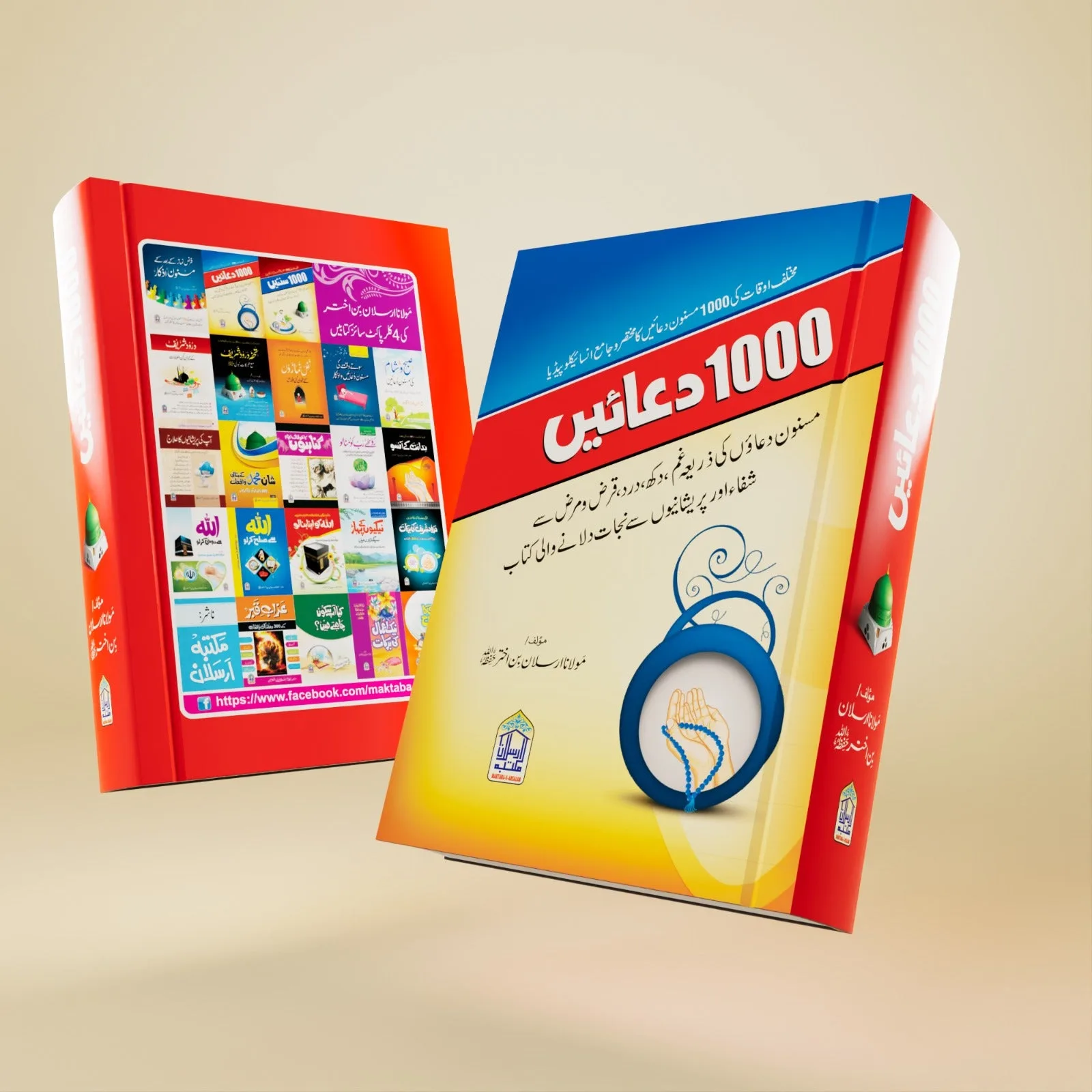
1000 Duaen
When you're new to Islamic literature or even a seasoned reader, the sheer number of available titles can be overwhelming. Not every book that looks Islamic is authentically grounded in the Quran and Sunnah. Choosing the right book matters because it shapes your understanding and practice.
This guide gives you clear, practical rules for evaluating Islamic books. You'll learn what to look for in an author, how to assess a publisher, and how to spot red flags. We'll also highlight a couple of trustworthy titles to get you started.
Check the Author’s Credentials
The author is your first filter. Look for scholars with recognized Islamic education, such as a degree from a reputable Islamic university or a track record of teaching and writing. Check if the author is known for a particular field—like hadith, fiqh, or tafsir—and whether the book matches that expertise.
Also consider the author's methodology. Does the author cite primary sources like the Quran and authentic hadith? Are their interpretations consistent with mainstream scholarship? If a book makes extraordinary claims without evidence, be cautious.
- Check the author's bio and credentials before buying.
- Look for books that cite primary sources.
Evaluate the Publisher and Edition
A reputable publisher is a strong sign of quality. Established Islamic publishers often have editorial boards that review content for accuracy. They also produce clean editions with proper diacritical marks and reliable translations. Check the publication date—older editions may have errors that have been corrected in later printings.
Be wary of self-published books with no editorial review. While some are excellent, many lack scholarly oversight. If you're unsure, ask a local scholar or trusted bookseller for recommendations.
- Prefer well-known Islamic publishers with a track record.
- Check the edition and publication date for accuracy.
Look for Authentic Content and Sources
Authenticity also means the content is sound. For books of duas and supplications, verify that the included prayers are traced to the Quran and authentic hadith. A reliable book will mention the source of each dua. Avoid collections that include fabricated or weak narrations without labeling them.
For books on Islamic history or biography, check that the author distinguishes between fact and legend. Look for footnotes or a bibliography that shows the research. This is especially important for books that claim to cover the life of the Prophet (peace be upon him) or his companions.
- Verify that duas and hadith are sourced.
- Check for footnotes and a bibliography in historical works.
Consider Your Level and Purpose
An authentic book for a beginner may not be the same as one for an advanced student. If you're new to Islamic studies, choose books that are simple and practical. For daily duas, a collection like '1000 Duaen' is excellent because it covers everyday situations with authentic supplications. For deeper study, look for classical texts with commentary.
Think about your purpose. Are you looking for spiritual guidance, legal rulings, or historical knowledge? Match the book to your need. A book on fiqh may be authentic but not the best starting point for someone seeking spiritual reflection.
- Match the book's complexity to your knowledge level.
- Choose books that align with your specific purpose.
Decision Rules for Choosing Authentic Islamic Books
- Author Credentials: Verify the author's scholarly background. Look for recognized Islamic education and a reputation in the specific field. If the author is unknown or lacks credentials, be cautious.
- Publisher Reputation: Choose books from established publishers with editorial oversight. Check for clean editions and proper sourcing. A reputable publisher reduces the risk of errors.
- Content Authenticity: For duas and hadith books, ensure each item is sourced from authentic texts. For history, check for footnotes and bibliography. Authentic books cite their sources.
- Fit for Your Level: Select books that match your knowledge and purpose. Beginners should start with practical collections like '1000 Duaen'. The right book for you is one you can understand and use.
Recommended Authentic Books
- 1000 Duaen: 1000 Duaen is a powerful collection of essential supplications for every moment of life. From morning and evening Duas to supplications for protection, forgiveness, success, health, travel, and difficult situations, this book serves as a complete Dua guide. Each Dua is carefully selected to help strengthen one’s relationship with Allah جل جلاله and bring peace to the heart. This book is a practical choice because it covers daily needs with authentic duas, making it easy to integrate into your routine. The author, Moulana Arsalan Akhtar, is a known scholar, and the collection is organized by situation, so you can find the right dua quickly.
- 1000 Duaen: Each Dua is carefully selected to help strengthen one’s relationship with Allah and bring peace to the heart. When you choose a dua book, you want assurance that the supplications are sound. This collection's careful selection gives you confidence that you're using authentic words of remembrance.
Who Should Choose These Books
Best for
- Beginners seeking a reliable dua collection for daily use.
- Readers who value authenticity and want sourced supplications.
Not for
- Advanced students looking for in-depth scholarly commentary or classical texts with extensive footnotes.
Choosing authentic Islamic books doesn't have to be difficult. By checking the author, publisher, and content, you can build a library that is both reliable and beneficial. Start with a trusted collection like '1000 Duaen' and grow from there.