The age range decides it first
The most important difference between these two tools is who they are designed to assess. ITERS-3 is the classroom assessment tool for child care programs caring for infants, toddlers, and twos up to 36 months. ECERS-R is designed for preschool, kindergarten, and child care classrooms serving children 2 1/2 through 5 years of age. If your classroom mixes ages, you need to decide which tool matches the majority of the children you are assessing. A program with a separate infant room and a separate preschool room will likely need both.
Age ranges at a glance
-
Infant/Toddler Environment Rating Scale(R), Third Edition (ITERS-3™) - Spanish: ITERS-3 is the classroom assessment tool for use in child care programs caring for infants, toddlers and twos up to 36 months. This is the upper age limit for ITERS-3; if your group includes children older than 36 months, you need a different scale.
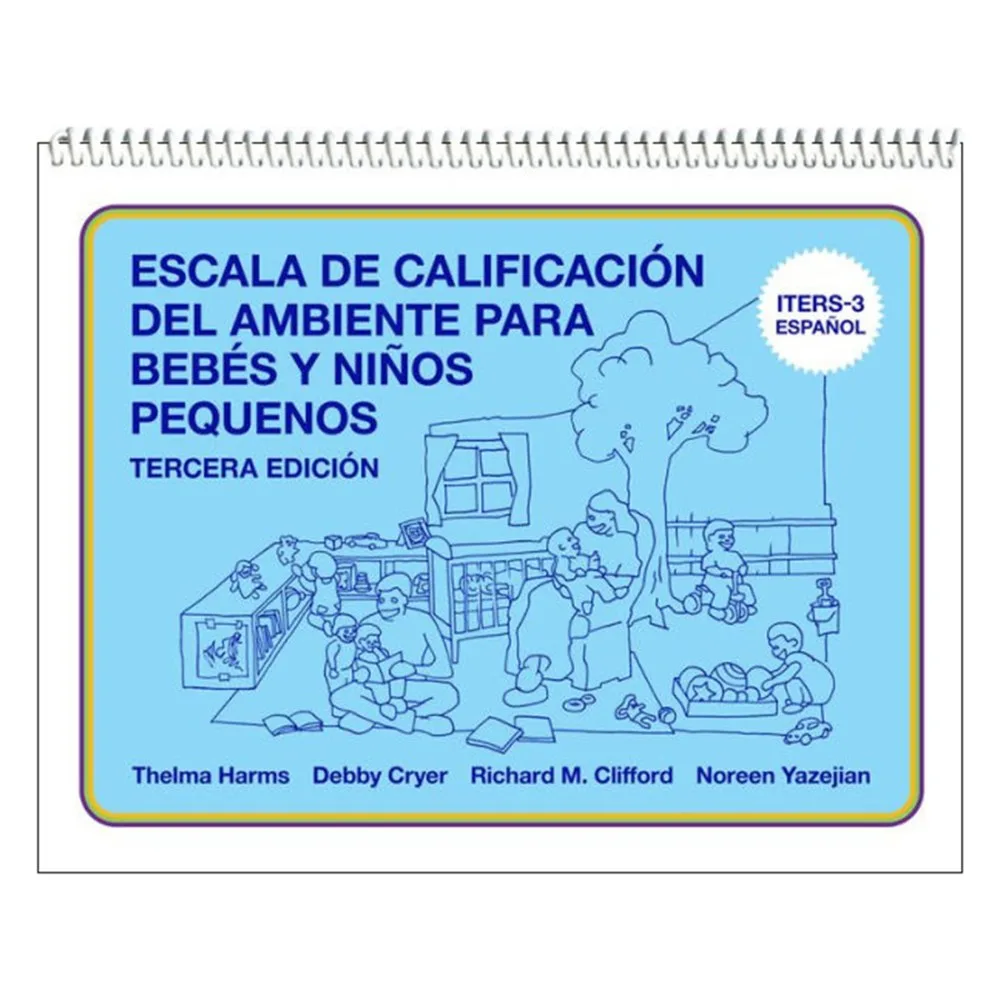
Infant/Toddler Environment Rating Scale(R), Third Edition (ITERS-3™) - Spanish
-
Early Childhood Environment Rating Scale(R), Revised (ECERS-R™): ECERS-R is designed for preschool, kindergarten, and child care classrooms serving children 2 1/2 through 5 years of age. This is the lower age limit for ECERS-R; it is not intended for infants or young toddlers.
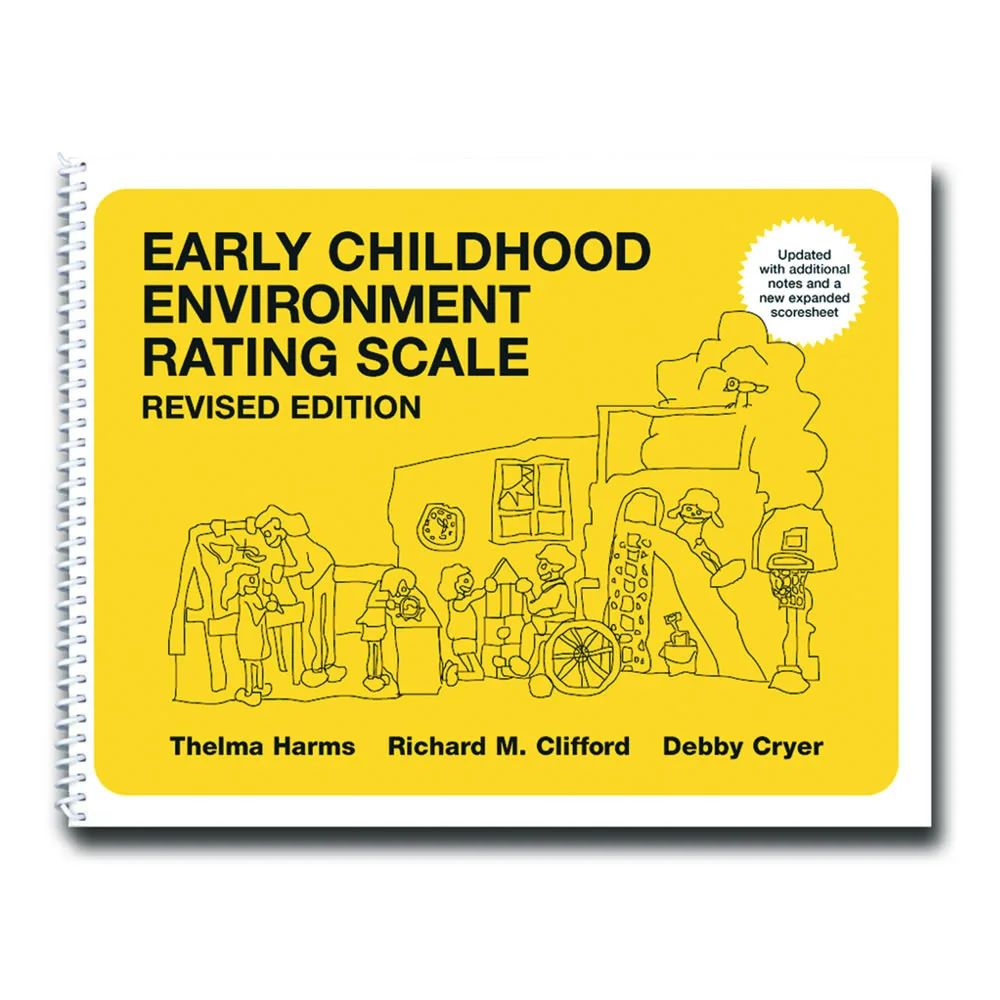
Early Childhood Environment Rating Scale(R), Revised (ECERS-R™)
What each scale measures
Both tools assess process quality through observation, but their subscales differ. ITERS-3 evaluates six subscales: Space and Furnishings, Personal Care Routines, Language and Books, Activities, Interaction, and Program Structure. ECERS-R does not list subscales in the supplied information, but it is described as a widely used program quality assessment instrument with established reliability and validity. The ITERS-3 subscales reflect the routines and interactions that matter most for infants and toddlers, such as personal care and language experiences. ECERS-R is used more broadly for preschool and kindergarten program evaluation and research.
Subscales and focus
- Infant/Toddler Environment Rating Scale(R), Third Edition (ITERS-3™) - Spanish: ITERS-3 subscales evaluate: Space and Furnishings, Personal Care Routines, Language and Books, Activities, Interaction, and Program Structure. These six areas show what observers will score in an infant/toddler room, helping you prepare the right materials and routines.
- Early Childhood Environment Rating Scale(R), Revised (ECERS-R™): The established reliability and validity of the ECERS-R make it particularly useful for research and program evaluation. If your purpose is research or formal program evaluation, ECERS-R is explicitly supported for that use.
Scoring and observation method
ITERS-3 uses a scoring approach based solely on observation of ongoing classroom activity during a 3-hour time sample. It eliminates the parents/staff subscale and teacher interviews, freeing up time for observing actual classroom practice. ECERS-R does not specify a time sample or interview process in the supplied information. If you need a tool that minimizes disruption and relies on observation alone, ITERS-3 is explicit about that method. For ECERS-R, you may need to consult the manual or training for details on the observation protocol.
Observation requirements
- Infant/Toddler Environment Rating Scale(R), Third Edition (ITERS-3™) - Spanish: ITERS-3 uses a new approach to scoring based solely on observation of ongoing classroom activity (3-hour time sample). This tells you how long an observation takes and that no teacher interview is required, which affects scheduling.
- Early Childhood Environment Rating Scale(R), Revised (ECERS-R™): ECERS-R can be used by program directors for supervision and program improvement, by teaching staff for self-assessment, by agency staff for monitoring, and in teacher training programs. This shows the range of roles ECERS-R supports, from self-study to external monitoring.
Language and edition notes
ITERS-3 is available here in a Spanish edition, published in 2017. The Spanish edition is the revised Infant/Toddler Environment Rating Scale, so it reflects the third edition content. ECERS-R is the Revised edition and is published in English. If you need a Spanish-language tool for infant/toddler assessment, ITERS-3 Spanish is the option in this catalog. For ECERS-R, no Spanish edition is listed in the supplied information.
Editions and language
- Infant/Toddler Environment Rating Scale(R), Third Edition (ITERS-3™) - Spanish: This is the Spanish edition of the revised Infant/Toddler Environment Rating Scale, published in 2017. Confirms the language and edition year, which matters for bilingual staff and for aligning with current training.
- Early Childhood Environment Rating Scale(R), Revised (ECERS-R™): ECERS-R is the Revised edition of the Early Childhood Environment Rating Scale. Identifies the edition so you can match it to your training or quality improvement system.
What the catalog does not tell you
The supplied information does not include details on training requirements, inter-rater reliability procedures, or scoring sheets for either tool. For ECERS-R, there is a link for online training, but the content and cost are not described. ITERS-3 does not list training in the supplied information. Before you buy, confirm with your quality rating system or agency whether specific training or certification is required. Also note that ECERS-R and ITERS-3 are registered trademarks of Teachers College, Columbia University, so official materials and training come from authorized sources.
Making the choice
Choose ITERS-3 if you assess infant, toddler, or two-year-old classrooms (up to 36 months) and want an observation-based tool with a 3-hour time sample and no teacher interviews. Choose ECERS-R if you assess preschool, kindergarten, or child care classrooms for children 2 1/2 through 5 years and need a tool with established reliability and validity for program evaluation or research. If your program spans both age groups, plan to use both scales in their respective rooms. Neither tool is a substitute for the other; they are designed for different developmental stages.