Quick answer
Breastlike pacifiers are designed to mimic the shape and feel of a mother's nipple, which can help reduce nipple confusion in breastfed babies. Traditional pacifiers come in various shapes but often have a more symmetrical bulb or orthodontic design. Your best choice depends on your baby's age, feeding style, and personal preference.
When you're navigating the world of pacifiers, the choice between a breastlike and a traditional design can feel overwhelming. Each type has its own benefits and potential downsides, especially for breastfed babies. Understanding the key differences helps you make an informed decision that supports your feeding journey and keeps your little one content.
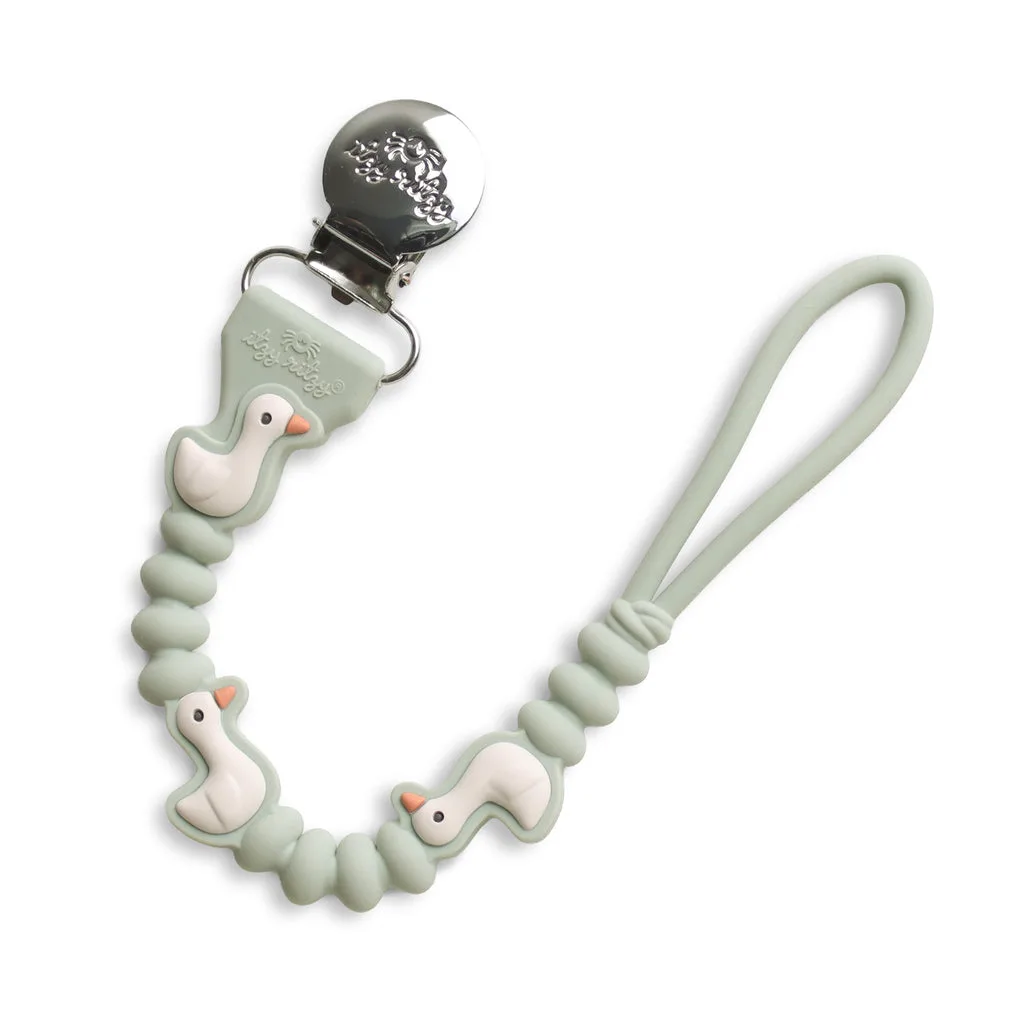
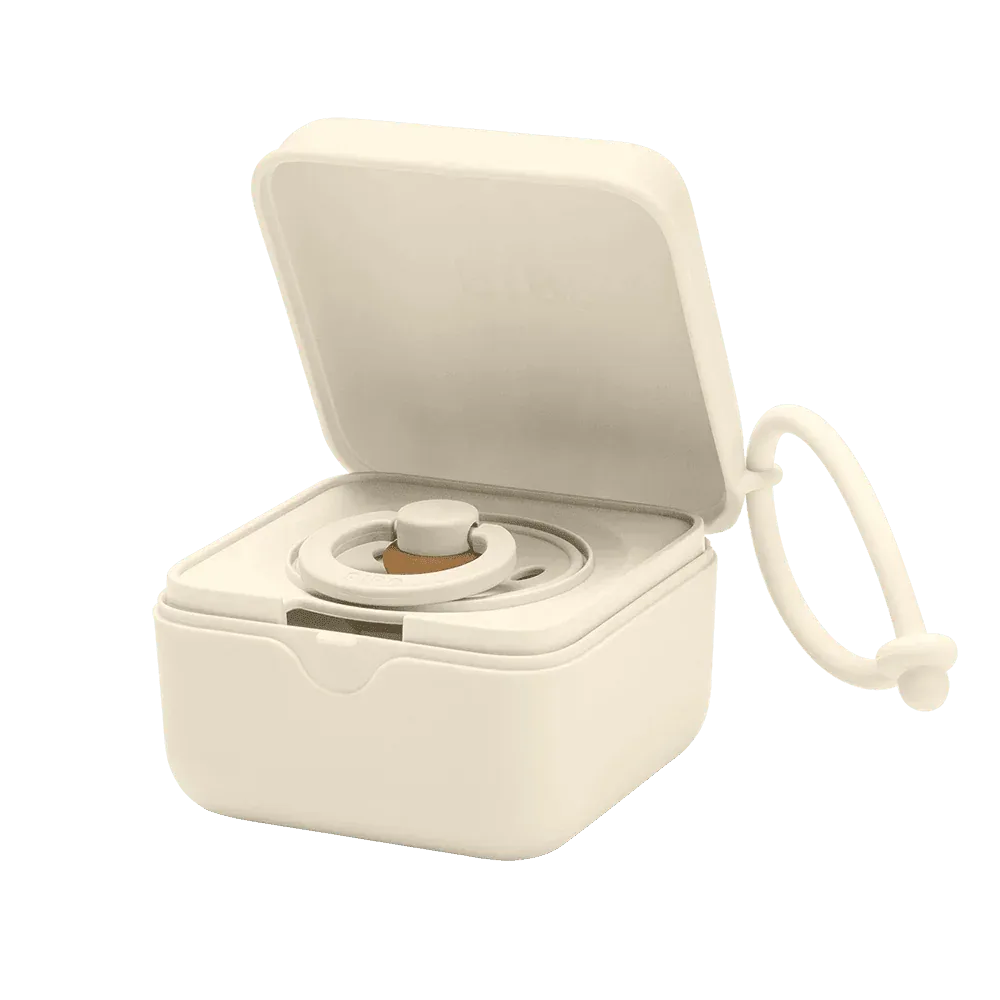
At Itzy Ritzy, we offer a range of pacifier accessories that work with either type. For example, the Itzy Paci Strap Plus™ keeps any pacifier close and clean, while the Itzy Paci Case™ provides safe storage when you're on the go. But first, let's compare the pacifier designs themselves.
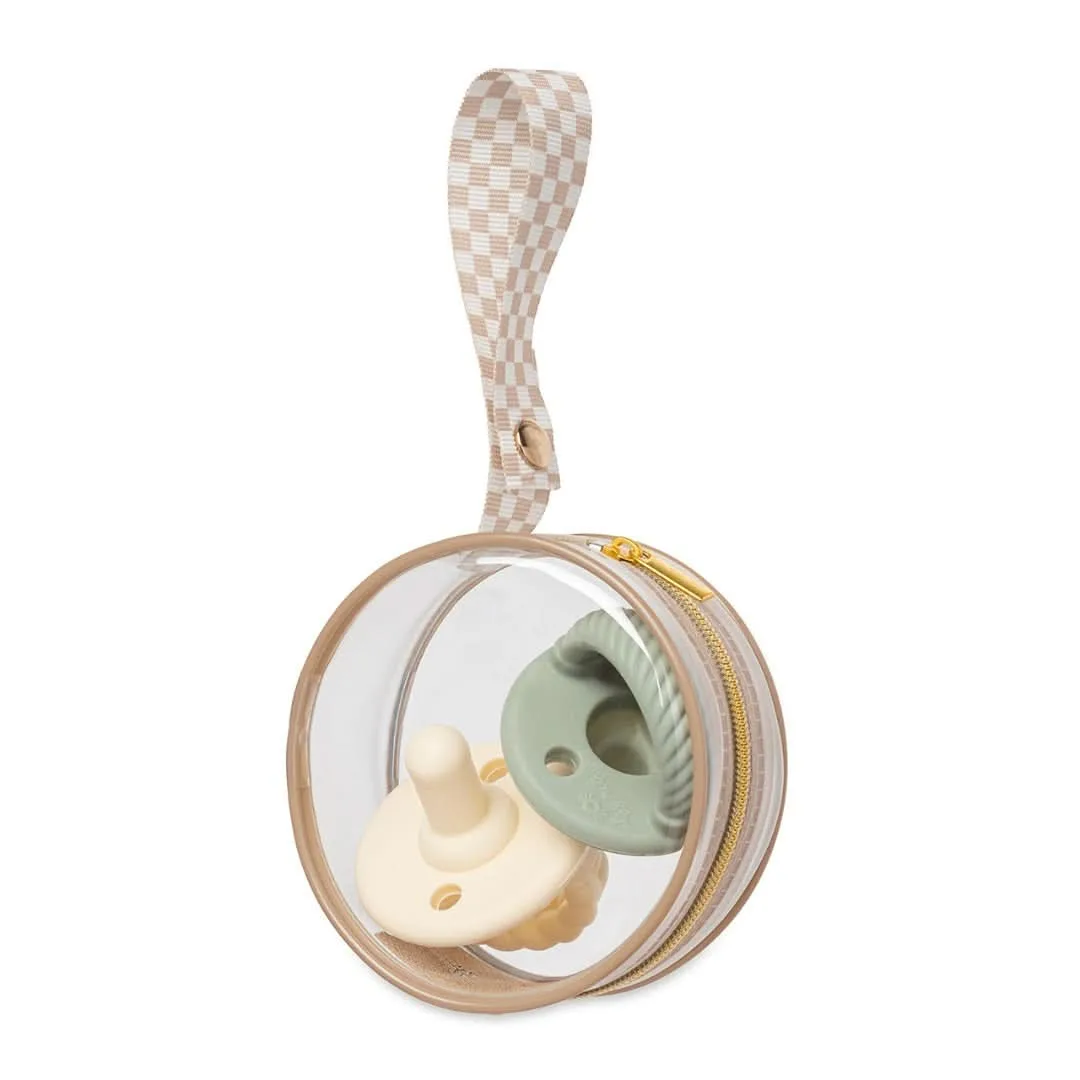
Itzy Paci Case™
Shape and Material Differences
The most obvious difference is the shape. Traditional pacifiers often have a round, symmetrical bulb or an orthodontic flat tip. These are designed to promote healthy oral development, but they don't mimic the natural breast shape. Breastlike pacifiers, on the other hand, feature a wider, flatter base and a nipple that closely resembles a mother's nipple during feeding. This shape is thought to encourage a similar latch and tongue position.
Material also plays a role. Most pacifiers are made of silicone or latex, but the firmness and flexibility vary. Breastlike pacifiers tend to be softer and more flexible, mimicking the give of natural tissue. Some parents find this helps babies accept the pacifier more easily. However, softer material may not be as durable, so you'll need to replace them more often.
- Check the nipple shape: breastlike for a natural latch, traditional for orthodontic support.
- Consider material softness: breastlike are often softer, but may wear out faster.
Nipple Confusion and Feeding Success
Nipple confusion is a common concern among breastfeeding parents. The idea is that a pacifier with a different shape or texture than the breast could cause a baby to struggle with latching. Breastlike pacifiers are designed to reduce this risk by mimicking the breast, making the transition between breast and pacifier smoother. This can be especially helpful in the early weeks when a feeding routine is still forming.
Traditional pacifiers, particularly those with an orthodontic shape, are designed more for dental health than breastfeeding compatibility. They might be fine for older babies or formula-fed infants, but they could interfere with a newborn's latch. If you're committed to breastfeeding, many lactation consultants recommend waiting until breastfeeding is well established—usually around 3 to 4 weeks—before introducing a pacifier, regardless of type.
- If your baby is under 4 weeks, consider waiting before offering a pacifier, even a breastlike one.
- Watch your baby's latch: if they struggle, try a different shape.
Age and Stage: What to Look For
When choosing a pacifier, consider your baby's age and developmental needs. Newborns often prefer a breastlike shape because it feels familiar and satisfies their natural sucking reflex. As babies grow, they might appreciate a traditional pacifier with a shield that is easier for them to grip. Some pacifiers come in different sizes for different ages, so always check the packaging.
For on-the-go parents, keeping pacifiers handy and clean is crucial. Accessories like the Itzy Paci Strap Plus™ attach securely to your baby's clothing or diaper bag, while the Itzy Paci Case™ protects the pacifier from dirt and makes it easy to find. These work with both breastlike and traditional pacifiers, so you can switch if needed.
- Choose a pacifier size appropriate for your baby's age.
- Invest in a strap or case to keep pacifiers clean and within reach.
Making the Transition: Tips for Parents
Introducing a pacifier can be a trial-and-error process. Some babies take to one brand immediately, while others reject every option. If you're using a breastlike pacifier and your baby doesn't seem interested, try a different shape or material. It's also worth experimenting with different times: a pacifier might be more accepted when your baby is sleepy or content.
Remember to clean pacifiers regularly and replace them at the first sign of wear, such as cracks or sticky spots. The Itzy Paci Case™ makes it easy to keep a clean pacifier on hand, and the Itzy Paci Strap Plus™ ensures it doesn't tumble to the floor. With a little patience, you'll find the right pacifier for your little one.
- Try different times of day to see when your baby is most receptive.
- Inspect pacifiers often and replace any that show damage.
Comparing Your Options
- Breastlike Pacifiers: Mimic the breast's shape and softness, which can help reduce nipple confusion and ease acceptance by breastfed babies. However, they may not provide the same orthodontic benefits and might wear out faster due to softer materials. Ideal for newborns and exclusively breastfed infants.
- Traditional Pacifiers: Often feature orthodontic shapes that support dental development, and they come in a wide range of designs. But they may not feel as natural to breastfed babies, potentially increasing the risk of nipple confusion. Better for older babies or when you prioritize orthodontic support.
- Pacifier Accessories: Both pacifier types benefit from accessories that keep them clean and secure. The Itzy Paci Strap Plus™ and Itzy Paci Case™ work with any pacifier, adding convenience and hygiene. Invest in these to simplify pacifier management.
Itzy Ritzy Pacifier Accessories at a Glance
- Itzy Paci Strap Plus™: Holds paci close! Say goodbye to lost pacifiers! Our Itzy Paci Strap Plus™is made of soft silicone and keeps pacifiers close while adding a sweet character to baby’s favorite pacifier. Prevents pacifiers from falling to the ground or getting lost, ensuring your baby's pacifier is always within reach and clean.
- Itzy Paci Case™: The clear winner in pacifier storage! The multi-use Itzy Paci Case™ attaches onto your diaper bag, purse, or travel bag to keep essential parenting items in clear view. Just snap the case to your diaper bag and go! Clear material shows off your adorable Itzy Ritzy pacifiers and keeps them clean inside your bag. Multi-use pacifier pouch Keeps pacifiers clean and easily accessible, making it simple to grab one on the go without digging through your bag.
Choosing What's Right for Your Baby
Best for
- Newborns and exclusively breastfed babies who need a familiar latch
- Parents who want to minimize the risk of nipple confusion
Not for
- Babies with specific orthodontic needs who might benefit from an orthodontic pacifier shape
- Parents who prefer a longer-lasting pacifier with harder material and don't mind a less natural feel
Ultimately, the choice between a breastlike and traditional pacifier comes down to your baby's feeding style and your personal preferences. Breastlike pacifiers offer a natural feel that can be a boon for breastfeeding, while traditional designs may shine in longevity and dental support. Try a few options, observe your baby's cues, and remember that accessories like the Itzy Paci Strap Plus™ and Itzy Paci Case™ make managing any pacifier easier. Whatever you choose, you're making a thoughtful decision for your little one's comfort.