Quick answer
Janod puzzles, like the World Giant Puzzle, offer larger piece counts and a built-in poster for independent progress, making them ideal for focused solo play. Djeco puzzles are known for their artistic illustrations and often include smaller piece counts or themed sets that encourage storytelling. Choose Janod for older children who enjoy a challenge, and Djeco for younger kids or those who value imaginative themes.
What Sets Janod Puzzles Apart
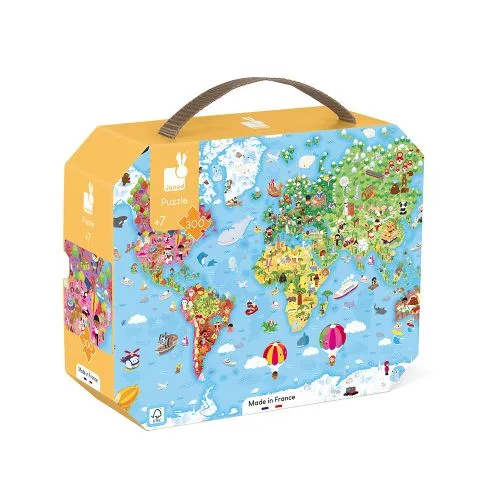
Janod puzzles are designed with a clear educational focus. The World Giant Puzzle (300 pieces) uses a colour-coded continent system, which helps children aged 7 and up learn geography while assembling. The included poster allows kids to work at their own pace, promoting independent problem-solving. Janod puzzles tend to have larger piece counts and are built to withstand repeated use, making them a durable choice for families.
What Sets Djeco Puzzles Apart
Djeco puzzles are celebrated for their whimsical, artist-designed illustrations that spark creativity and storytelling. Their puzzles often feature smaller piece counts (e.g., 24, 36, or 54 pieces) and come in sturdy cardboard boxes with matching posters. Djeco focuses on visual appeal and thematic variety—from fairy tales to animals—which makes them especially engaging for younger children aged 3–6. The pieces are thick and well-finished, but the brand generally uses cardboard rather than wood, so they may show wear sooner if handled roughly.
Comparing Durability and Materials
Janod puzzles are typically made from thick, laminated cardboard that resists bending and tearing. The World Giant Puzzle is no exception, with a sturdy finish that holds up to classroom or home use. Djeco puzzles also use high-quality cardboard, but their pieces are slightly thinner and may not survive heavy-handed toddlers as well. Neither brand uses wood for puzzles in the standard ranges, so if you're looking for a fully wooden puzzle, consider brands like Lanka Kade, which offers handcrafted wooden toys for small-world play.
Age Suitability and Skill Development
Janod's World Giant Puzzle is recommended for ages 7 and up, making it suitable for school-age children who can manage 300 pieces and a more complex assembly. Djeco puzzles cater to a wider age range, with options starting from 2 years (e.g., 6-piece puzzles) up to 6 years (e.g., 54-piece puzzles). For a 3-year-old, Djeco's smaller piece counts and engaging art are a better fit. Janod's larger puzzles are better for children who already have basic puzzle skills and want a longer, more focused activity.
Price and Value Comparison
Janod's World Giant Puzzle is priced at $15.50 (catalog comparison $25.00), offering good value for a 300-piece educational puzzle. Djeco puzzles vary by size, but a typical 36-piece puzzle costs around $12–$15. For the piece count, Janod provides more pieces per dollar. However, Djeco's artistic value and thematic variety can justify the cost for parents who prioritize visual engagement and storytelling over piece quantity.
Tradeoffs at a Glance
- Piece Count & Complexity: Janod's 300-piece World Giant Puzzle is best for children aged 7+ who enjoy a longer, more complex challenge. Djeco offers smaller piece counts (e.g., 24–54 pieces) that are more accessible for younger children aged 3–6. Choose Janod for older kids who need a focused activity; choose Djeco for younger kids who benefit from quicker success.
- Educational vs. Artistic Focus: Janod's puzzle teaches geography with colour-coded continents and a poster. Djeco puzzles prioritize beautiful illustrations and storytelling themes, which can inspire creative play. If learning goals matter most, go with Janod. If visual appeal and narrative are key, Djeco wins.
- Durability & Materials: Both brands use thick cardboard, but Janod's pieces feel slightly more robust. Djeco's pieces are well-finished but may show wear faster with heavy use. Janod is a safer bet for classrooms or frequent use; Djeco is fine for gentler home play.
Product Facts
- Janod: World Giant Puzzle - 300 Pcs: Assemble the world and its wonders in just 300 pieces! Ideal for promoting a relaxing time amongst children aged 7 and over. A model poster is included to progress at children’s own pace. This puzzle is designed for independent, focused play. The colour-coded continents and included poster help children learn geography while building patience and concentration.
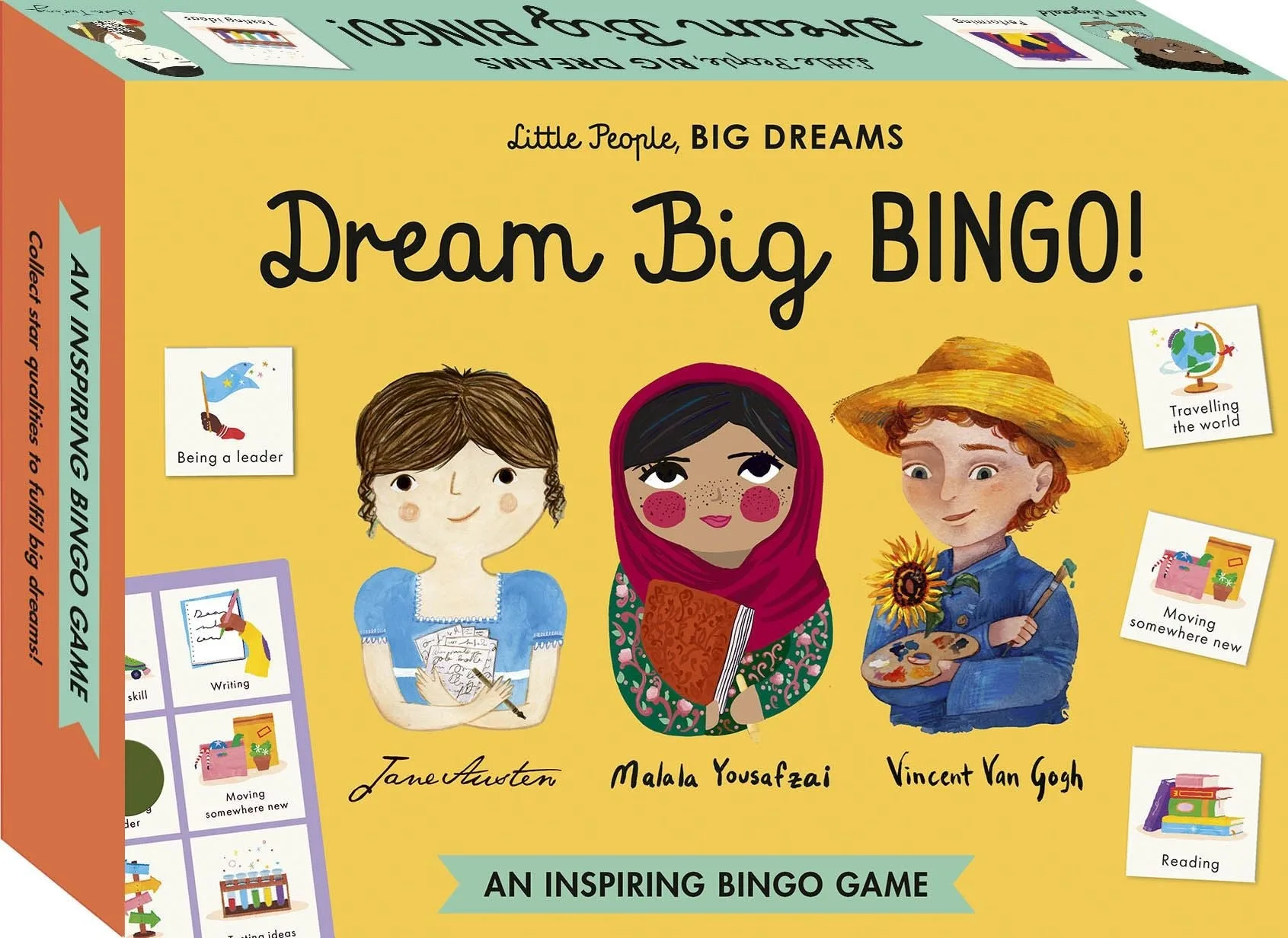
- Little People Big Dreams: Dream Big Bingo!: Choose one of history's most inspirational figures and collect all the qualities and experiences they need to help them fulfil their big dreams. Race to be first to complete your card and shout 'bingo' to win! Includes six double-sided bingo cards, 30 chips, 54 tokens, a cotton bag and a booklet. While not a puzzle, this game offers a different kind of challenge—matching and storytelling—that complements puzzle play. It's a great option for families who want variety in their toy collection.
Which Puzzle Brand Should You Choose?
Best for
- Parents of children aged 7+ who want an educational, geography-themed puzzle with a higher piece count
- Families looking for a durable puzzle that can withstand repeated use in a classroom or home setting
Not for
- Parents of toddlers or preschoolers (ages 2–4) who need smaller piece counts and simpler themes
- Families who prioritize artistic, story-driven illustrations over educational content