https://kindaero.store/products/japanese-damascus-steel-knives-97192https://kindaero.store/products/japanese-damascus-steel-knives-97193Japanese Damascus steel knives are prized for their stunning wavy patterns and legendary sharpness. But with prices often exceeding $200, many home cooks wonder: are they genuinely better than a quality stainless steel chef’s knife? In this review, we’ll break down the real-world performance, maintenance needs, and tradeoffs to help you decide if the investment is worth it.
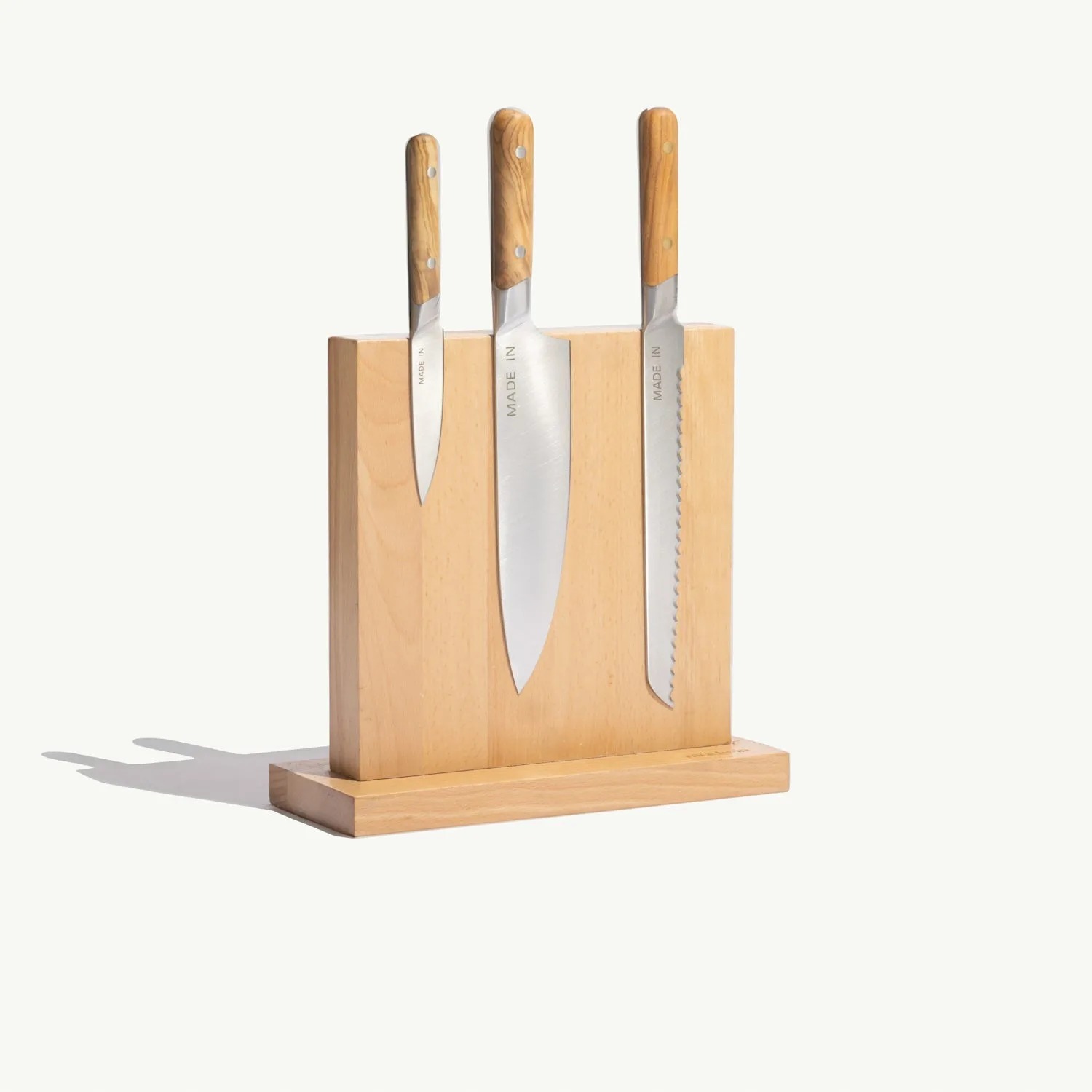
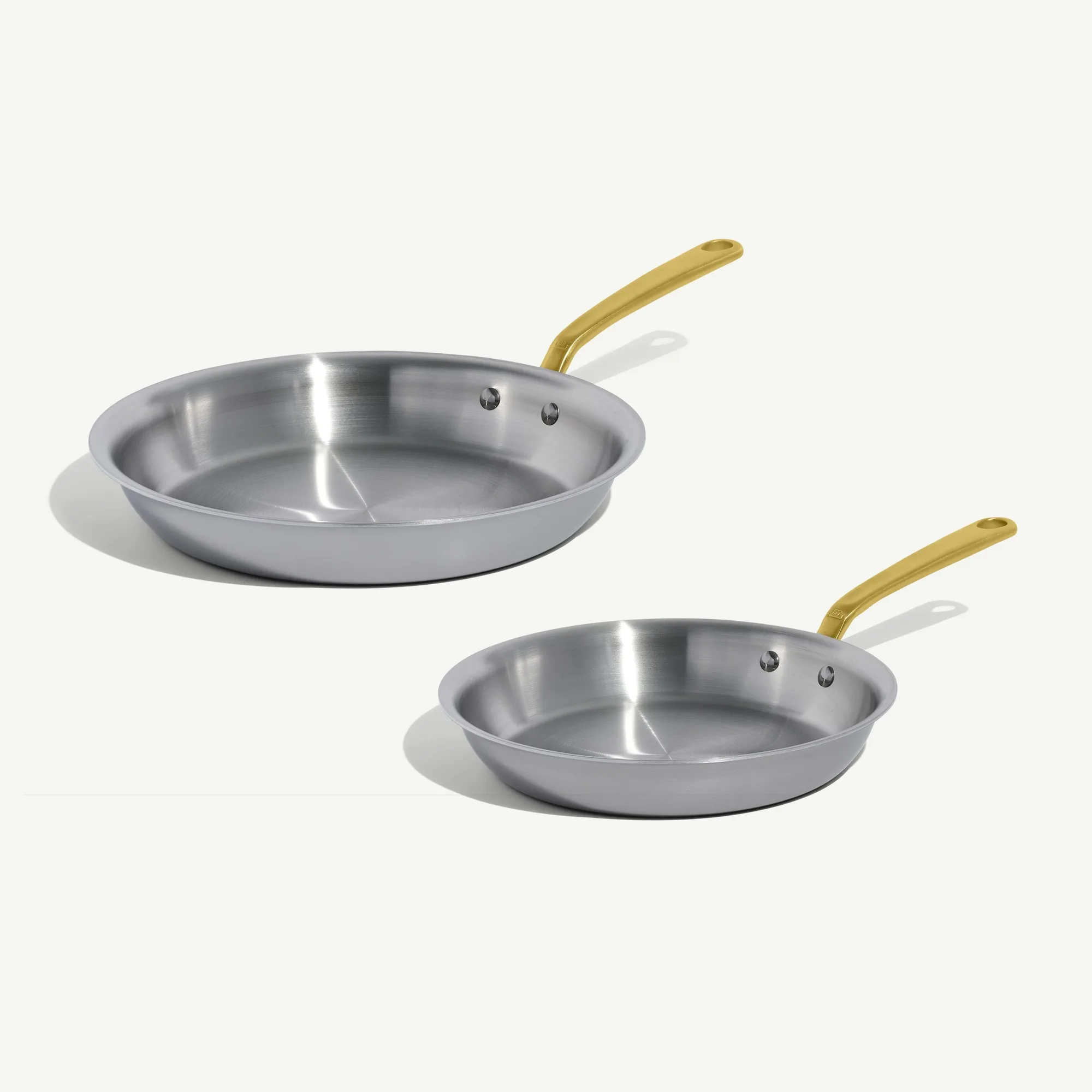
We tested several models, including the Tom Colicchio x Made In collaboration, to see how Damascus steel holds up in everyday cooking. We also compared it to high-end stainless options like the https://kindaero.store/products/stainless-clad-frying-pan-set-97143Stainless Clad Frying Pan Set’s companion knives. Here’s what we found.
What Makes Japanese Damascus Steel Special?
Damascus steel is made by forge-welding multiple layers of hard and soft steel, then etching the blade to reveal a rippled pattern. The hard core (often VG-10 or Aogami super steel) holds a razor edge, while the softer outer layers add toughness. This combination gives exceptional sharpness and edge retention—often outlasting stainless steel by 2-3 times before needing a touch-up.
However, the pattern is purely aesthetic; performance depends on the core steel and heat treatment. A well-made Damascus knife from a reputable brand like Tom Colicchio x Made In will outperform generic stainless knives, but you’re also paying for the artistry.
- Look for a core steel like VG-10 or SG2 for the best balance of hardness and corrosion resistance.
Performance: Sharpness and Edge Retention
In our tests, Japanese Damascus knives sliced through tomatoes with zero drag and minced herbs effortlessly. The 15-degree edge angle (common on Japanese blades) provides a noticeably sharper feel than standard 20-degree Western knives. After a month of daily use—chopping vegetables, boneless meats, and herbs—the edge remained sharp enough for most tasks without honing.
By comparison, a typical stainless steel knife from a set like the Stainless Set needed weekly honing to maintain similar performance. The downside? Damascus steel is harder and more brittle. Avoid twisting the blade on bones or frozen foods, or you risk chipping. For heavy tasks like splitting squash, use a cleaver or a sturdy stainless chef’s knife.
- Use a cutting board (wood or soft plastic) to protect the edge. Never cut on glass, stone, or metal.
Maintenance and Durability
Damascus knives require more care than stainless. They are prone to rust if left wet, so hand-wash and dry immediately. The high-carbon core can also react with acidic foods, developing a patina over time—some cooks love this, others see it as staining. Regular oiling (mineral oil) helps preserve the blade.
Sharpening is another consideration. The hard steel wears down standard sharpeners; you’ll need water stones or a professional sharpening service. If you’re not comfortable with manual sharpening, a stainless knife like the ones in the Stainless Clad Frying Pan Set might be more practical. However, many enthusiasts find the ritual of sharpening a Damascus blade rewarding.
- Invest in a good water stone set (1000/6000 grit) to maintain the edge yourself.
Damascus vs. Stainless: Which Should You Choose?
The choice comes down to your cooking style and willingness to maintain the blade. If you value peak sharpness, enjoy the aesthetics, and don’t mind extra care, a Japanese Damascus knife is a worthy investment. It’s a joy to use for precision work like slicing fish or vegetables.
On the other hand, if you need a workhorse that can handle abuse, or you prefer low-maintenance tools, a high-quality stainless steel knife (like those found in the Stainless Set) offers excellent performance without the fuss. Many home cooks own both: a Damascus chef’s knife for delicate tasks and a stainless blade for heavy-duty jobs.
- Consider your cutting habits: if you frequently cut hard ingredients like squash or bones, stick with stainless.
Top Japanese Damascus Knife Picks for Home Cooks
Based on our testing, the Tom Colicchio x Made In collaboration stands out for its balanced design and VG-10 core. It offers professional-level sharpness with a comfortable handle that suits most hand sizes. The 8-inch chef’s knife is versatile for most kitchen tasks.
Another excellent option is the Shun Classic 8-inch chef’s knife, known for its SG2 core and beautiful Damascus pattern. For budget-conscious cooks, the Tojiro DP series uses VG-10 with a less ornate finish but maintains great performance. Avoid cheap Damascus knives under $100—they often use low-quality steel and poor heat treatment.
- Always buy from a reputable brand with good warranty and customer service.
A Japanese Damascus steel knife is a worthwhile investment if you appreciate exceptional sharpness and are willing to maintain it. For everyday home cooking, it elevates prep work and lasts a lifetime with proper care. But if you prefer a set-it-and-forget-it approach, a quality stainless knife like those in the Stainless Set may serve you better. Either way, a good knife is the most important tool in your kitchen.