The two numbers that matter most
Japanese Sencha Green Tea from Pique comes as tea crystals, not loose leaves, so you are not timing a steep. The two numbers that matter are water temperature and the order you add things. Pique’s instructions specify an ideal water temperature of 170°F and warn against boiling water. That temperature protects the fresh, grassy character of shade-grown sencha and helps you avoid a harsh, bitter cup.
You can make sencha hot or cold. Both methods use the same crystals, but the sequence differs. The hot method starts with crystals in the cup, then hot water. The cold method starts with cold water and a shake or stir, then adds warm water. Neither method asks you to boil the water or steep for a set number of minutes.
How to brew a hot cup of sencha
Use this sequence for a warm, aromatic cup. It follows the supplied preparation details for the crystals.
- Add the crystals to your cup: Start with the tea crystals in an empty cup so they can dissolve evenly when the water goes in.
- Heat water to about 170°F: This is the ideal water temperature given for the product. Avoid boiling water, which the product specifically advises against.
- Pour the hot water over the crystals and stir: Stir to help the crystals dissolve. The product does not specify a steep time because the crystals dissolve rather than infuse like loose leaves.
How to make sencha as a cold drink
The cold method is a two-stage process. It is not simply cold water over crystals; the warm water at the end helps the crystals dissolve fully.
- Add crystals to 8 oz cold water: Put the crystals in cold water first, then shake or stir.
- Add 8 oz warm water and stir: The warm water completes the drink. Use warm, not boiling, water to stay within the product’s temperature guidance.
Sencha steeping mistakes to avoid
Because this is a crystal tea, most problems come from water temperature and mixing order rather than steep time.
- Using boiling water: The product explicitly says to avoid boiling water. Boiling water can make the cup taste sharper and less fresh.
- Skipping the warm-water step in the cold method: The cold method calls for 8 oz cold water first, then 8 oz warm water. Leaving out the warm water may leave crystals undissolved.
- Expecting a steep time: These are crystals, not loose leaves. There is no supplied steep time because the product dissolves. Follow the temperature and sequence instead.
- Adding sugar or milk by habit: The product contains zero preservatives, refined sugar, or additives and is organic green tea only. Try it plain first so you can taste the soft grassy notes.
What Japanese Sencha should taste like
Pique describes this sencha as fresh and clear with soft grassy notes, at times reminiscent of rice. It is a shade-grown Japanese tea, and the leaves were awarded a Gold Medal at the 2018 Global Tea Championships. That award is a taste reference, not a brewing instruction. If your cup tastes dull or harsh, check your water temperature first. If it tastes weak, make sure you used the full amount of water and stirred until the crystals dissolved.
The tea also contains L-theanine, an amino acid associated with calm energy, and EGCG catechins, antioxidants that support immune health. These are product attributes, not reasons to change your brewing method. Brew it the same way whether you want a morning lift or an afternoon cup.
Serving tips for a better cup
A few simple habits make sencha more consistent from cup to cup.
- Measure your water: The cold method specifies 8 oz cold plus 8 oz warm water. Using the same volumes each time keeps the flavor consistent.
- Drink it plain first: The product is organic green tea only, with no added sugar or preservatives. Taste it without sweetener to appreciate the grassy, rice-like notes.
- Serve warm, not scalding: Aim for a comfortable drinking temperature. The 170°F guidance is for brewing, not for serving.
- Store the carton closed: Each carton contains 14 servings. Keep it sealed and away from moisture so the crystals stay free-flowing.
Product facts for brewing
-
Japanese Sencha Green Tea: Ideal water temperature is 170°F; avoid boiling water. This is the core temperature guidance for a clean, fresh-tasting cup.
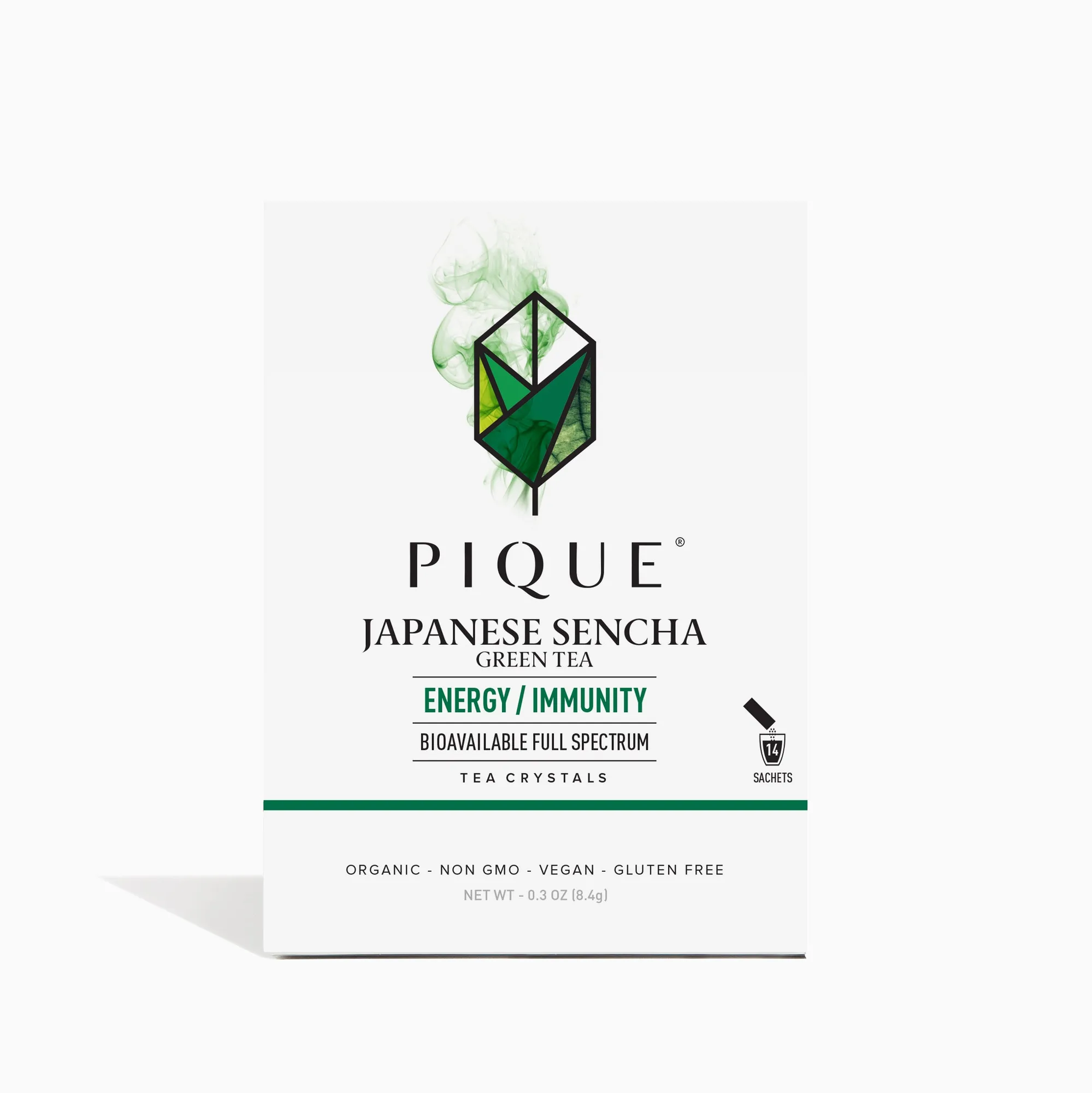
Japanese Sencha Green Tea
-
Japanese Sencha Green Tea: Hot method: first add crystals to cup, then add hot water. The order helps the crystals dissolve evenly.
-
Japanese Sencha Green Tea: Cold method: add to 8 oz cold water and shake/stir, then add 8 oz warm water and stir. The two-stage method is the supplied way to make a cold sencha drink.
-
Japanese Sencha Green Tea: 14 servings per carton; organic green tea only, with zero preservatives, refined sugar, or additives. Knowing the serving count and simple ingredient list helps you plan and enjoy the tea plain.