What you are brewing matters more than the timer
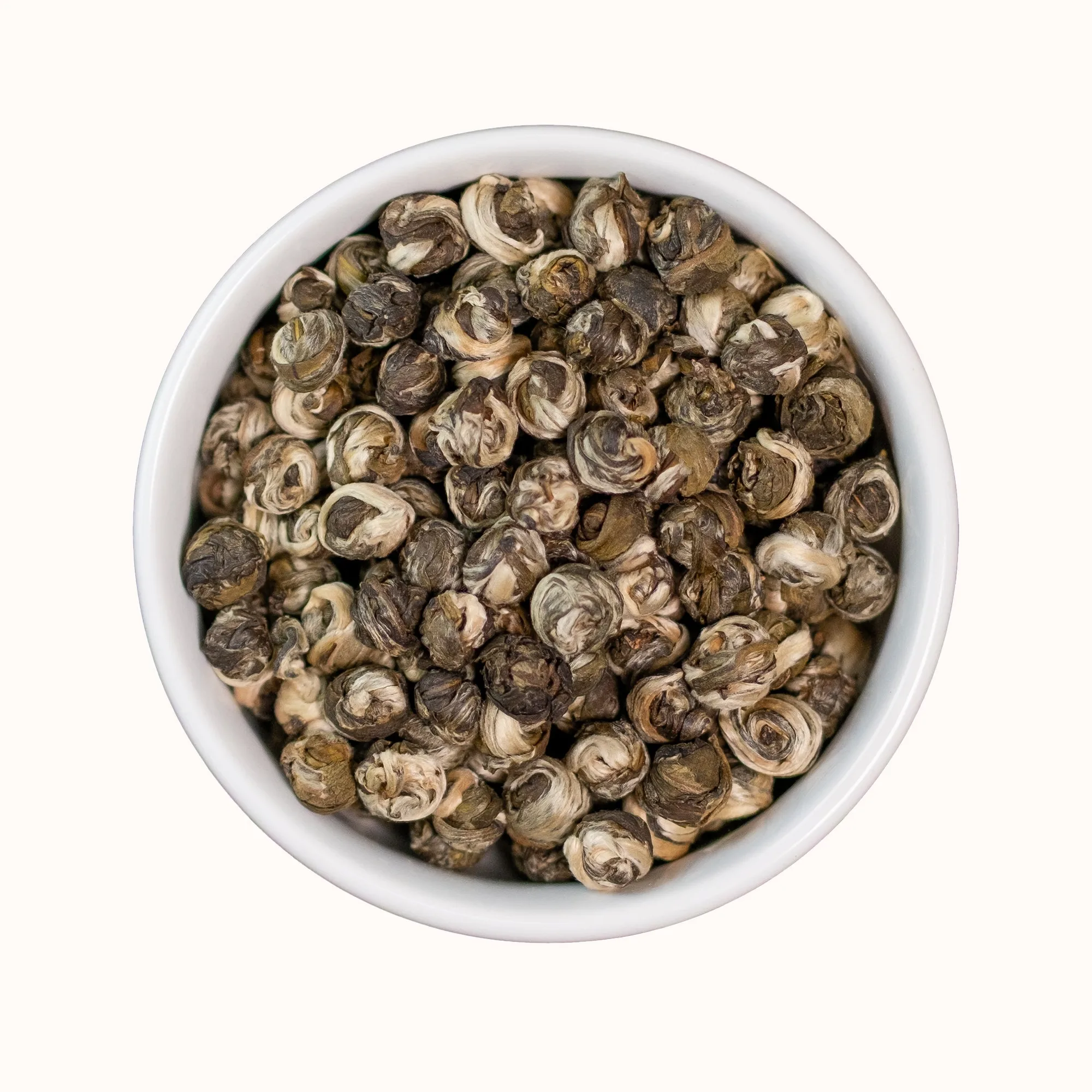
Jasmine green tea is two things at once: a green tea leaf and a floral scent absorbed into it. The jasmine aroma sits on the surface of the leaf, while the tea body sits inside it. That is why the same leaf can taste perfumed and thin in one cup and rounded in the next.
Our Jasmine Green is scented by laying the tea on screens over the jasmine, so the leaf naturally absorbs the aroma. The catalog describes the result as a familiar, sweet floral aroma that does not overwhelm, with a medium-bodied green tea providing ballast and contrast. Your brewing job is to protect both halves of that balance.
Start cooler than you would for black tea
Green tea is generally more forgiving of a lower water temperature than a full boil. Because the supplied product record does not include a printed brewing temperature, treat the temperature as your own variable and start on the cooler side, then adjust. A thermometer or a kettle with temperature settings removes the guesswork.
If you have no thermometer, let boiled water rest briefly before pouring. The goal is water that feels hot but not aggressive, so the floral note stays lifted rather than cooked flat.
A simple loose leaf method to test first
Use this as a starting point, then adjust one variable at a time so you can tell what changed.
- Measure the leaf: Spoon loose leaf jasmine green tea into your infuser. Keep the amount consistent between brews so temperature and time are the only things moving.
- Heat the water gently: Bring water to a gentle heat rather than a rolling boil, or let boiled water sit for a moment before pouring.
- Pour and watch the clock: Pour over the leaf and begin steeping. The supplied record gives no steep time, so taste at short intervals rather than trusting a fixed number.
- Taste, then decide: If the cup tastes sharp or dry, shorten the next steep or cool the water slightly. If it tastes watery, use more leaf before you lengthen the time.
- Lift the leaf out: Remove the infuser when the cup tastes balanced. Leaving leaf sitting in hot water keeps extracting and can bury the jasmine note.
Reading the cup: what jasmine green tea taste should tell you
The catalog describes Jasmine Green as robust enough to count as a morning tea and delicate enough to qualify as dessert. That is a useful target: a cup with a clear floral top note and a hearty undercurrent, not a thin, soapy or bitter brew.
If the floral note dominates and the tea feels hollow, you likely need more leaf or a slightly longer steep. If the cup turns bitter and the jasmine disappears, back off the temperature or the time. Adjust one thing per cup so you learn your own kettle.
What the catalog confirms about Jasmine Green
-
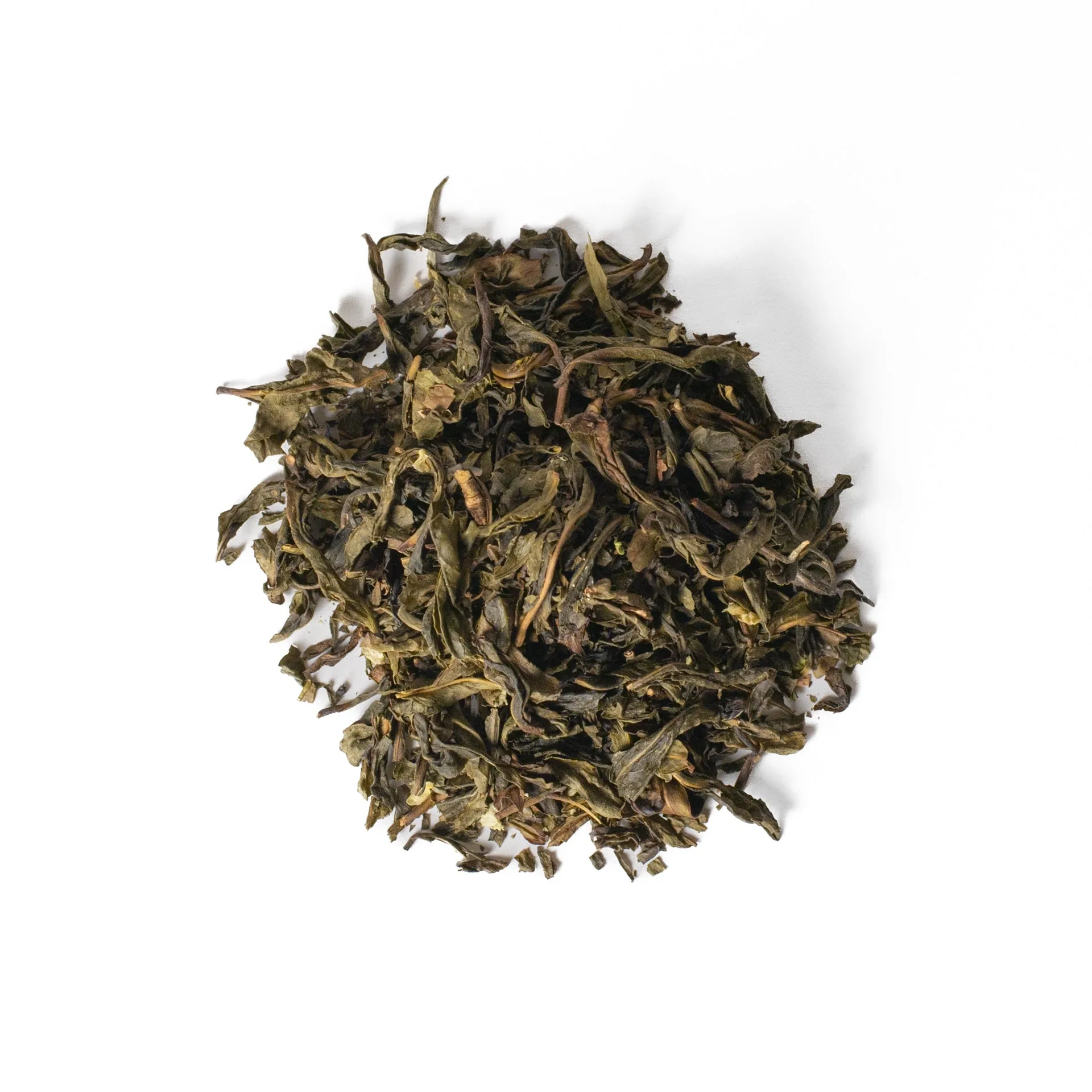
Jasmine Green: Jasmine Green is a classic scented tea with a familiar, sweet floral aroma that does not overwhelm, balanced by a medium-bodied green tea. Sets the flavor target for your brewing: floral but not perfumed, with real tea body underneath.
Jasmine Green
-
Jasmine Green: The tea is sourced from Jingmai Mountain in southern Yunnan, where 700 to 1,000 year old ancient tea trees grow. Explains the hearty undercurrent the catalog describes, which is what keeps the jasmine from tasting thin.
-
Jasmine Green: The blend is scented by laying tea on screens over the jasmine so the leaf naturally absorbs the aroma. Clarifies why the floral note is delicate and worth protecting with gentler water.
Choosing a bag size for how you actually brew
The catalog lists four sizes with cup estimates. Match the bag to your testing habit, not to an aspirational shelf.
- 25g (10 cups): A small bag for trying the tea and dialing in your temperature and steep time before committing.
- 50g (20 cups): A middle size for a regular morning or afternoon cup once you know your preferred method.
- 200g (80 cups): For a steady daily habit or for serving jasmine green tea to guests.
- 500g (200 cups): A bulk size for a household or office that brews often and wants fewer reorders.
What the supplied record does not settle
The product record does not include a printed water temperature, leaf-to-water ratio, steep time, or number of re-steeps, and it does not list care or storage instructions. Those are gaps in the supplied information, not proof that the packaging is silent. Check the label that arrives with your tea and follow it where it gives specifics.
The record also notes that the ancient tea trees provide rich antioxidants and nutrients unique to that area. That is a description of the source, not a health claim, and it should not be read as a reason to drink more or less tea. If you take medication or have a health condition, ask a professional about caffeine and green tea in your diet.