Two green tea blends, two different directions
Both Swachh Tea blends start with premium green tea leaves, but they part ways with their second ingredient. Jasmine Green Tea leans floral, while Tulsi Green Tea leans herbal. That single difference shapes the aroma, the flavor and the kind of tea moment each one creates.
If you are choosing between them, the useful question is not which is better, but which direction you want your cup to take. This comparison sticks to what the product records confirm and flags where the catalog leaves room for your own taste test.
Aroma and flavor: floral elegance vs herbal earthiness
The records describe each blend's character in clear but general terms. Neither promises a specific strength or brewing time, so treat these as starting points for your own tasting.
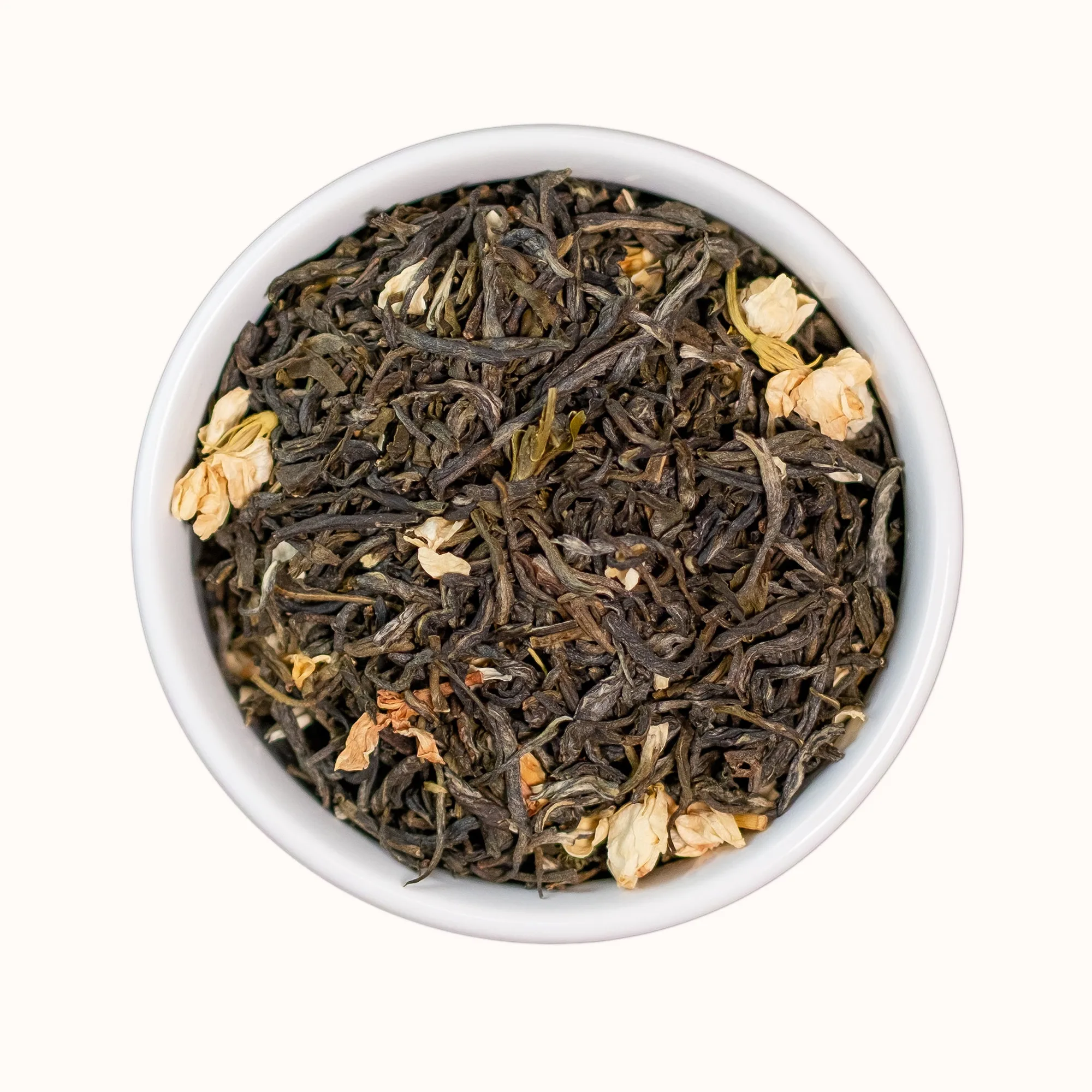
- Jasmine Green Tea: The catalog describes a harmonious blend of green tea leaves and jasmine flowers, with a captivating aroma and gentle flavor. Expect a floral, fragrant cup that the record frames as soothing and elegant.
- Tulsi Green Tea: The catalog describes a blend of green tea and sacred tulsi (holy basil), with a serene aroma and gentle flavor. The tulsi note is herbal and earthy rather than floral, and the record connects it to Ayurvedic tradition.
What the product records confirm
-
Jasmine Green Tea: Jasmine Green Tea combines premium green tea leaves with the fragrance of jasmine flowers, described as a floral infusion with a captivating aroma and gentle flavor. This confirms the floral direction and helps you decide if you want a fragrant, elegant cup.
Jasmine Green Tea
-
Tulsi Green Tea: Tulsi Green Tea combines premium green tea leaves with sacred tulsi (holy basil) leaves, described as an herbal infusion with a serene aroma and gentle flavor. This confirms the herbal direction and helps you decide if you want an earthy, tulsi-forward cup.
Tulsi Green Tea
The health framing in each record
Both records mention antioxidants and general well-being, but they frame it differently. Jasmine Green Tea is presented as supporting overall well-being, with jasmine noted for its potential to promote relaxation. Tulsi Green Tea is presented as supporting the immune system, with tulsi celebrated in Ayurvedic tradition for its adaptogenic properties and known to alleviate stress and enhance relaxation.
These are catalog descriptions, not medical claims. If you are choosing for a specific health goal, treat them as general positioning rather than clinical guidance, and consult a qualified professional for personal advice.
Preparation: what the records do not specify
Neither product record includes brewing temperature, steeping time or water quantity. That is a real limitation if you want a precise recipe. The practical approach is to start with a gentle infusion and adjust to your taste: use freshly boiled water cooled slightly, steep briefly, and taste as you go. Since both blends use green tea leaves, avoid over-steeping if you prefer a softer cup.
The records also do not list allergens, caffeine content or shelf life. If any of these matter to you, check the packaging or contact Swachh Tea directly before buying.
Pack size and price at a glance
- Jasmine Green Tea: Jasmine Green Tea is available in a 100gm box pack at USD 379.60 (catalog comparison price USD 520.00). A single 100gm option keeps the choice simple, but you cannot size up or down within this listing.
- Tulsi Green Tea: Tulsi Green Tea is available in a 100gm box pack at USD 273.00 (catalog comparison price USD 455.00). Same pack size as the jasmine, but a lower catalog price, which may matter if you are choosing between the two.
Which blend suits which drinker
Choose Jasmine Green Tea if you enjoy floral aromas and want a cup that feels elegant and soothing. It is a good fit if you like the idea of jasmine's fragrance and a gentle, fragrant flavor.
Choose Tulsi Green Tea if you prefer herbal, earthy notes and want a cup with a serene, tulsi-forward character. It may appeal if you are curious about Ayurvedic-inspired blends or want a less floral option.
If you are new to green tea blends, either can work as a starting point, but your reaction to floral versus herbal aromas is the best guide. Neither record confirms caffeine content, so if you are sensitive to caffeine, check with the brand before making it your evening cup.