When building an authentic US WWII reenactment impression, headwear is one of the most defining elements of your kit. Two caps often spark debate among collectors and reenactors: the Jeep Cap and the M1941 Field Cap. While both served American soldiers during the war, they have distinct histories, designs, and levels of authenticity that can make or break your impression.
In this guide, we’ll compare the Jeep Cap and the M1941 Field Cap side by side. You’ll learn about their origins, construction, proper use in reenactments, and which one fits your specific impression best. Whether you’re a seasoned collector or a newcomer to WWII reenacting, this comparison will help you choose the right headwear for your kit.
History of the Jeep Cap
The Jeep Cap, officially known as the Cap, Field, Wool, Olive Drab, was first introduced in the early 1940s as a practical alternative to the heavier M1941 Field Cap. It was designed for wear in temperate climates and quickly became popular among troops for its lightweight construction and comfortable fit. The cap earned its nickname due to its association with jeep drivers and vehicle crews, who appreciated its low profile and ease of storage when not in use.
The Jeep Cap features a distinctive visor (bill) made of stiffened wool or synthetic material, a button top, and side buttons that allow the ear flaps to be snapped up or down. It was typically worn by enlisted men and officers alike, often as a secondary headgear option when the M1 helmet was not required. Its simple design and practicality made it a staple in the US Army’s wardrobe throughout the war.
- Look for a Jeep Cap with a reinforced visor and genuine wool construction for maximum authenticity.
History of the M1941 Field Cap
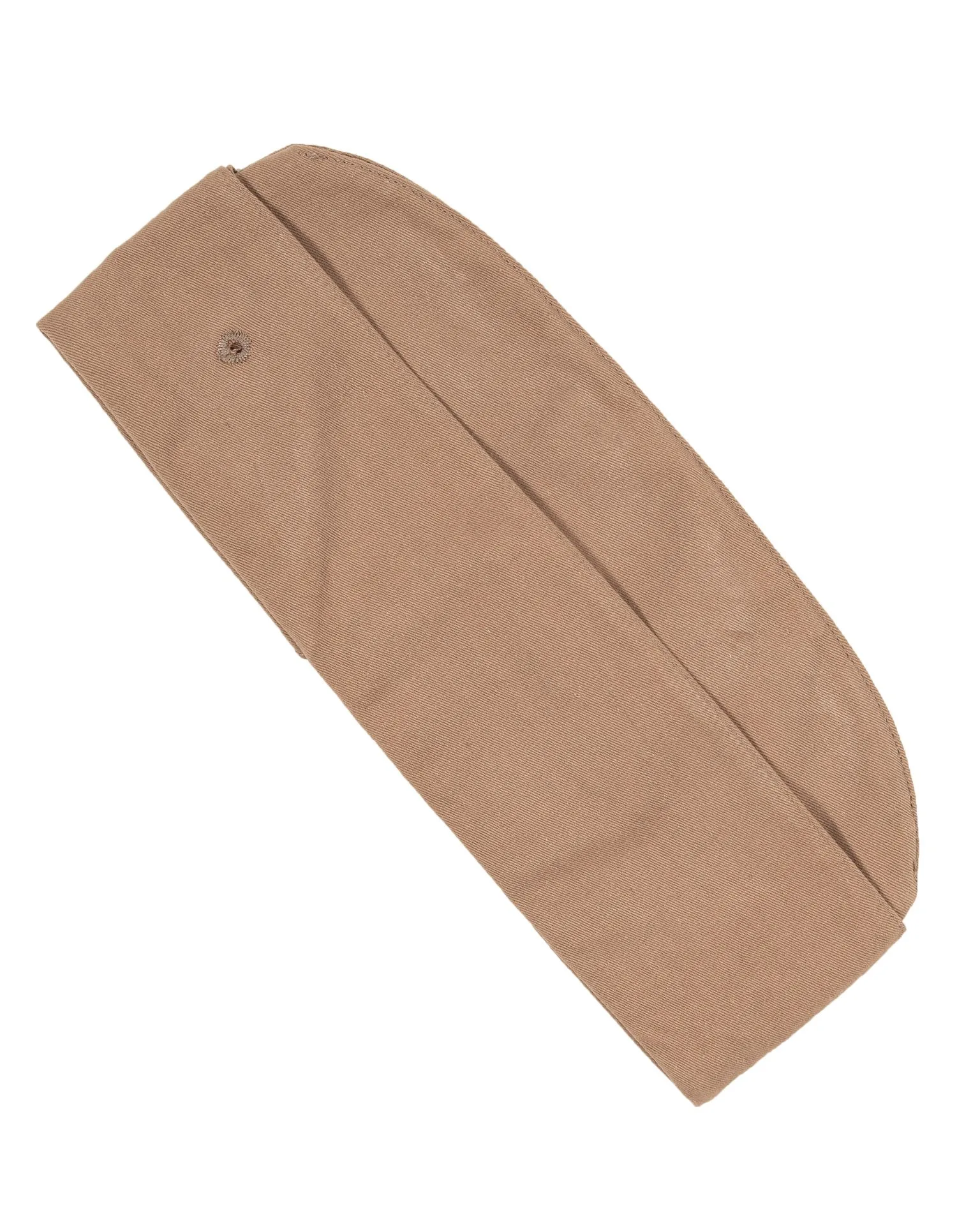
The M1941 Field Cap, also known as the “OD Cap” or “Garrison Cap,” was the standard issue field cap for the US Army from 1941 onward. It was designed to be worn under the M1 helmet and as a standalone headgear in non-combat situations. Unlike the Jeep Cap, the M1941 Field Cap has no visor, featuring a soft, foldable design that could be easily stowed in a pocket or pack.
The M1941 Field Cap was made from olive drab wool and featured a distinctive “scoop” shape at the front, with a leather or cotton sweatband inside. It was worn by all branches of the US military, including infantry, armor, and air corps. Its simplicity and versatility made it a favorite among soldiers, who often personalized it by adding unit insignia or rank patches.
- Authentic M1941 Field Caps often have a leather sweatband and a reinforced front seam for shape retention.
Key Design Differences
The most obvious difference between the Jeep Cap and the M1941 Field Cap is the presence of a visor. The Jeep Cap has a stiff, curved visor that provides shade and protection from the elements, while the M1941 Field Cap is entirely visorless, giving it a softer, more casual appearance. This distinction affects how each cap is worn and perceived in reenactment settings.
Another difference lies in the ear flaps. The Jeep Cap features side buttons that allow the ear flaps to be snapped up or down, offering warmth and coverage when needed. The M1941 Field Cap has no ear flaps, making it lighter but less suitable for cold weather. Additionally, the Jeep Cap typically has a more structured crown, while the M1941 Field Cap is designed to be folded flat.
- For a winter impression, the Jeep Cap with ear flaps down offers both authenticity and warmth.
Which Cap Is Right for Your Impression?
Choosing between the Jeep Cap and the M1941 Field Cap depends on the specific time period, unit, and role you are portraying. The M1941 Field Cap was standard issue for most soldiers from 1941 onward and is appropriate for almost any US Army impression. It is particularly suitable for early-war impressions and for soldiers in combat roles who would have worn it under their helmet.
The Jeep Cap, on the other hand, became more common in the later years of the war and was often associated with vehicle crews, MPs, and soldiers in rear echelon roles. If you are portraying a jeep driver, a mechanic, or a military policeman, the Jeep Cap is a more accurate choice. It also works well for late-war impressions where troops had access to a wider variety of gear.
- If you’re unsure, start with the M1941 Field Cap as it is more versatile and widely documented.
Authenticity and Reproduction Quality
When shopping for either cap, authenticity is key. Many reproductions cut corners on materials, using polyester blends instead of 100% wool or thin plastic for visors. For the Jeep Cap, look for a model made from heavy wool with a reinforced visor and metal side buttons. The Jeep Cap, Made in USA is an excellent example of a high-quality reproduction that stays true to the original design.
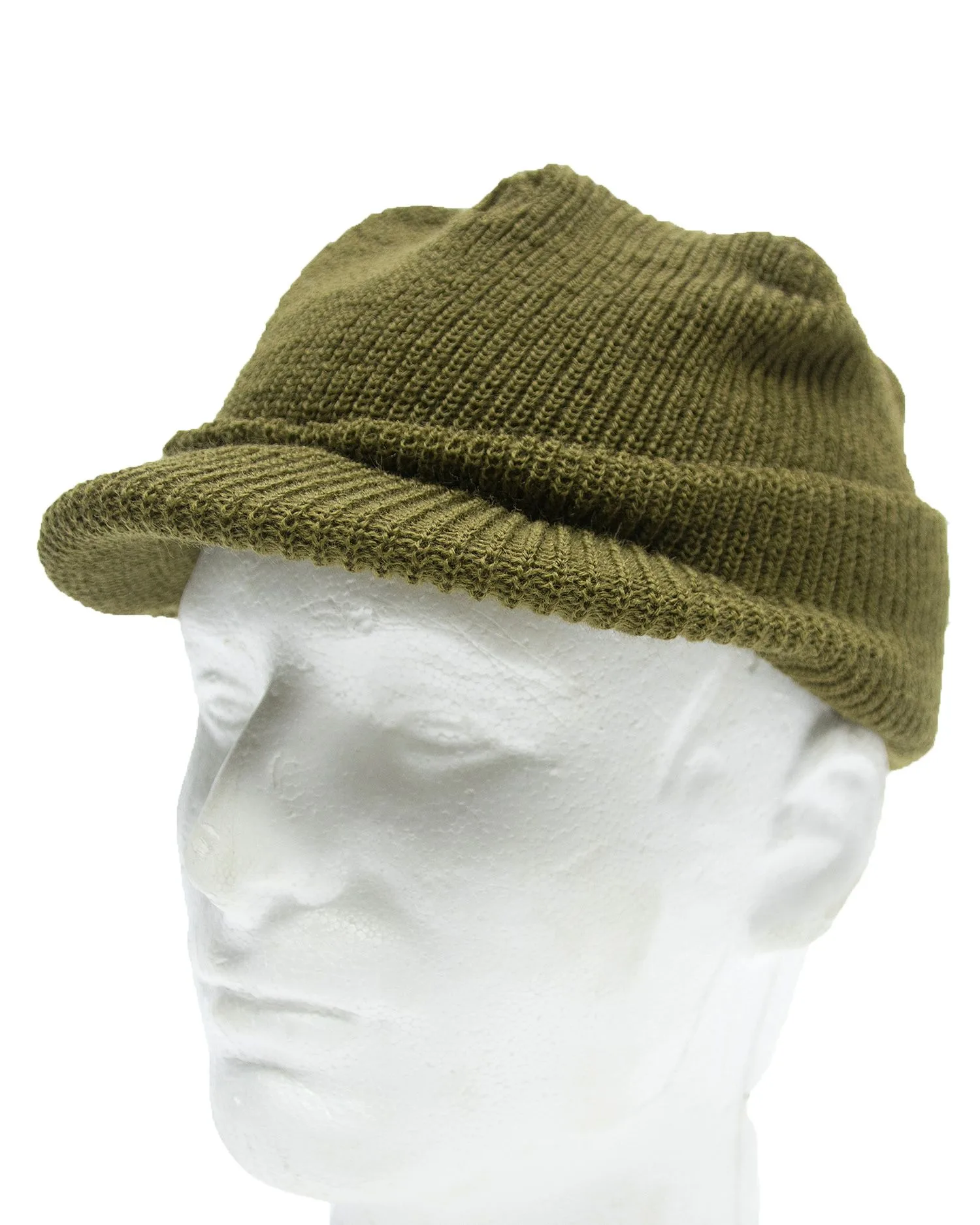
Jeep Cap, Made in USA
For the M1941 Field Cap, pay attention to the sweatband material—genuine leather is a sign of a quality reproduction. Also check the stitching and the shape of the front scoop. A well-made M1941 Field Cap will hold its shape without being too stiff. Both caps should have accurate olive drab color and proper button details to pass muster at any reenactment event.
- Always check the country of origin; USA-made reproductions often offer better quality and historical accuracy.
Care and Maintenance Tips
Wool caps require gentle care to maintain their shape and appearance. Hand wash your Jeep Cap or M1941 Field Cap in cold water with a mild wool detergent, and avoid wringing or twisting the fabric. Instead, press out excess water with a towel and reshape the cap while it is damp. Air dry away from direct heat or sunlight to prevent shrinkage.
For Jeep Caps with a visor, use a soft brush to remove dust and dirt, and store the cap in a cool, dry place with the visor supported to prevent creasing. M1941 Field Caps can be folded for storage, but avoid leaving them crushed under heavy items for long periods. Proper care will extend the life of your cap and keep it looking authentic for years to come.
- Store your cap on a hat stand or in a box to maintain its shape between events.
Both the Jeep Cap and the M1941 Field Cap are essential pieces of US WWII headgear, each with its own place in history and reenactment. By understanding their differences and choosing the one that matches your impression, you can elevate the authenticity of your kit. For a top-tier reproduction that captures the look and feel of the original, consider adding the Jeep Cap, Made in USA to your collection—it’s a reliable choice that will serve you well in the field.